_1778553121707.webp)
Xinhua Carbon is professional Coal-based Activated Carbon manufacturers and suppliers in China, specialized in providing high quality Coal-based Activated Carbon with competitive price. For quotation, contact us now.
Coal-based Activated Carbon
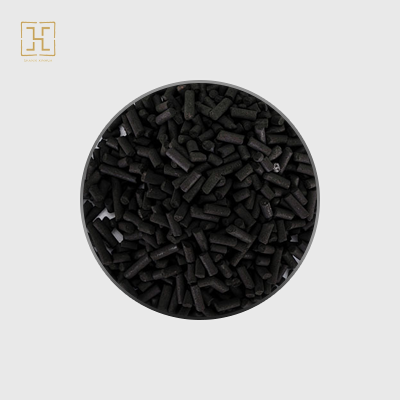
Coal-based solvent recovery activated carbon
Coal-based solvent recovery activated carbon is produced from high-quality anthracite coal through precise activation and fine grinding. It is primarily designed for solvent recovery applications (such as the recovery and purification of organic solvents like ethanol, acetone, and ethyl acetate). Leveraging its well-developed microporous structure, it can efficiently adsorb impurities, pigments, and trace harmful components in solvents without reacting with them, thus not affecting solvent purity. This enables effective recovery and reuse of organic solvents. It is compatible with solvent recovery production lines, balancing adsorption efficiency and recovery performance. By facilitating solvent recovery, it helps reduce production costs and is suitable for solvent recovery treatment in industries such as chemical engineering, pharmaceuticals, and food processing.
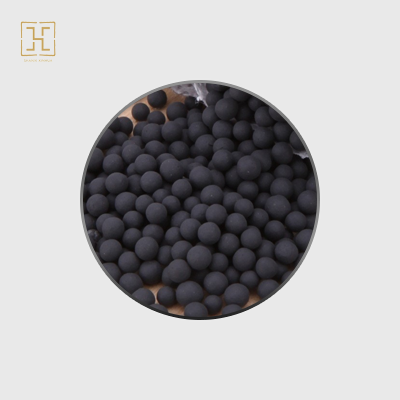
Coal-based pressure swing adsorption activated carbon
Coal-based pressure swing adsorption activated carbon is a spherical or cylindrical activated carbon manufactured from high-quality anthracite coal through precise molding, high-temperature activation, and special pore size regulation processes. Its core advantage lies in its narrow distribution of microporous structure, which endows it with extremely high adsorption selectivity and adsorption rate for gas molecules, as well as strong cyclic adsorption stability. This product is widely used in industrial gas separation, hydrogen purification, natural gas purification, and carbon dioxide capture. It serves as the core adsorbent material to ensure the efficient operation of PSA systems and reduce energy consumption.
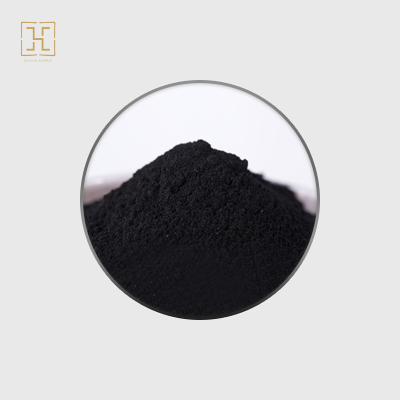
Wastewater decolorization using coal-based powdered carbon
Specifically designed for wastewater decolorization, this product features abundant mesopores, a large specific surface area, and extremely fast adsorption speed, resulting in significant decolorization effects. It effectively removes various pigments, dyes, colloids, organic matter, and other substances that cause wastewater discoloration, while also assisting in the removal of harmful substances such as COD and odors. It is easy to use and can be directly added to wastewater treatment systems. Suitable for wastewater decolorization in industries such as papermaking, printing and dyeing, food processing, and chemicals, it is particularly suitable for the deep decolorization of high-color wastewater.
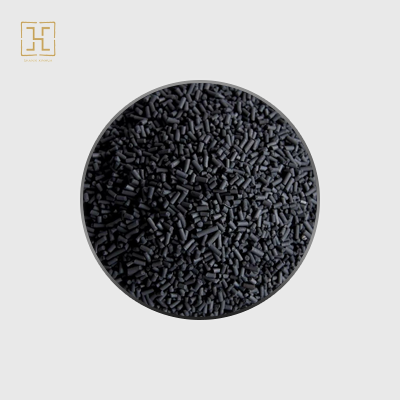
except heavy metal coal-based activated carbon
Made from high-quality coal through deep activation, pore size control, and surface modification, this product features a rationally distributed micropore and mesopore structure and is rich in active functional groups such as hydroxyl and carboxyl groups. It exhibits extremely strong chelation and adsorption capabilities for heavy metal ions such as lead, cadmium, chromium, copper, nickel, zinc, mercury, and arsenic in wastewater. It can be widely applied in scenarios where heavy metals exceed standards, such as electroplating wastewater, smelting wastewater, mining wastewater, circuit board wastewater, and wastewater from the chemical and battery industries. It can rapidly reduce the heavy metal content in effluent, ensuring stable and compliant discharge.
Furthermore, customized modified activated carbon (alkali-modified, iron-modified, sulfur-modified, oxidation-modified, etc.) can be provided according to the customer's water quality characteristics to achieve targeted and efficient removal of specific heavy metals.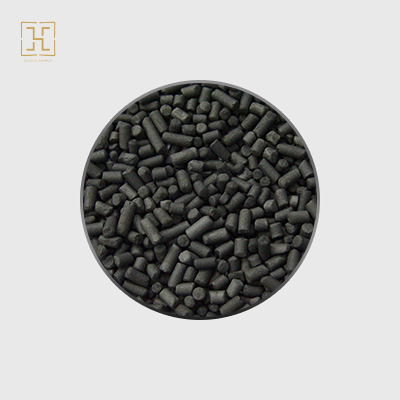
Excluding residual chlorine coal-based granular carbon
Specifically designed for removing residual chlorine from water, this product undergoes special modification treatment, resulting in a rich array of surface functional groups and extremely high adsorption efficiency for residual chlorine. It can quickly and thoroughly remove free and combined chlorine from water, while also eliminating the odor caused by residual chlorine. This protects downstream equipment such as reverse osmosis membranes and ion exchange resins from corrosion. The product boasts high strength, is not easily pulverized, and exhibits stable adsorption performance, making it suitable for applications such as deep drinking water purification, industrial pure water pretreatment, and pre-filtration in reverse osmosis systems.
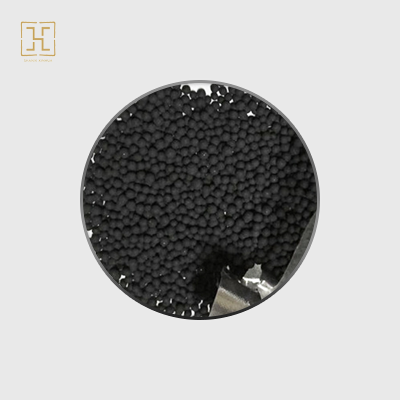
Coal-based air purification activated carbon
Coal-based activated carbon for air purification is mainly used in homes, public places, industrial production sites, and environments with air pollution. Utilizing the adsorption function of activated carbon, it belongs to the category of gas-phase adsorption activated carbon, primarily used to remove pollutants from the air, as well as for gas separation and purification. It is available in two types: ordinary ash columnar and low ash columnar, with particle sizes of 4mm, 3mm, and 1.5mm. Custom sizes are also available for carbon tetrachloride adsorption rates greater than 70%.
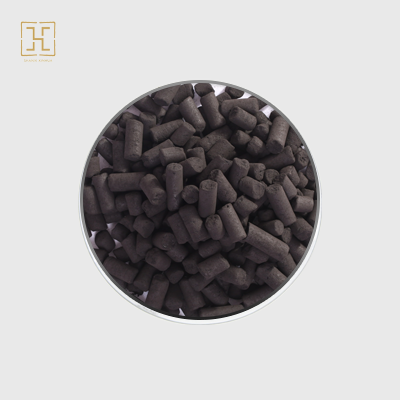
Formaldehyde-removing coal-based cylindrical carbon
Specifically designed for formaldehyde removal, this product utilizes a modified catalytic process to load catalytic active sites (such as nano-titanium dioxide and activated carbon fibers) onto the surface of coal-based columnar activated carbon. This achieves a dual effect of "adsorption + decomposition," rapidly adsorbing formaldehyde from the air and decomposing it into harmless carbon dioxide and water, preventing secondary pollution and providing long-lasting removal. Suitable for indoor air purification, car air purification, furniture deodorization, and formaldehyde removal in newly renovated homes, it can be directly added to air purifiers and deodorizing boxes.
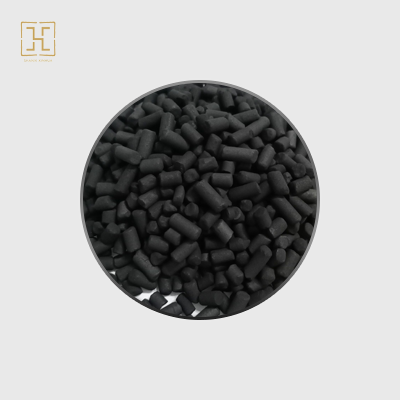
Coal-based activated carbon for desulfurization and denitrification
Special activated carbon for desulfurization and denitrification (removal of harmful substances such as sulfur oxides and nitrogen oxides) is mainly used for efficient desulfurization and denitrification of flue gas from thermal power plants, tail gas from steel enterprises and metal smelting, as well as desulfurization and denitrification of fuel oil, gas, coal, boiler flue gas, and exhaust gas from municipal solid waste incinerators.
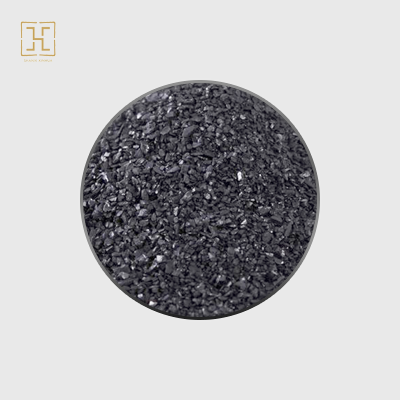
8*30-mesh coal briquette crushing activated carbon
This briquetted carbon is produced by crushing after briquetting. It features high particle strength, excellent wear resistance, and is not easily pulverized or lost. It has a uniform pore structure with a reasonable distribution of macropores, mesopores, and micropores, resulting in rapid mass transfer and stable adsorption capacity. It is characterized by low ash content, high iodine value, high molasses value, and absence of floating matter. Briquetted and crushed charcoal can also produce charcoal with high molasses values, up to 240 or higher. It is suitable for high-load, high-flow-rate purification applications. It is mainly used in high-end air purification, exhaust gas purification, high-purity water treatment, and wastewater treatment. It can also be used for various gas separation and purification processes, and the recovery and utilization of various low-boiling-point substances.
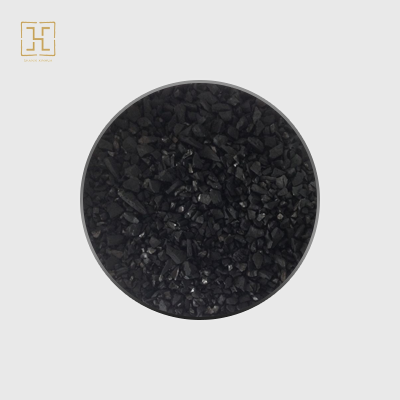
20*50 mesh coal quality briquette crushing activated carbon
This briquetted carbon is produced by crushing after briquetting. It features high particle strength, excellent wear resistance, and is not easily pulverized or lost. It has a uniform pore structure with a reasonable distribution of macropores, mesopores, and micropores, resulting in rapid mass transfer and stable adsorption capacity. It is characterized by low ash content, high iodine value, high molasses value, and absence of floating matter. Briquetted and crushed charcoal can also produce charcoal with high molasses values, up to 240 or higher. It is suitable for high-load, high-flow-rate purification applications. It is mainly used in high-end air purification, exhaust gas purification, high-purity water treatment, and wastewater treatment. It can also be used for various gas separation and purification processes, and the recovery and utilization of various low-boiling-point substances.
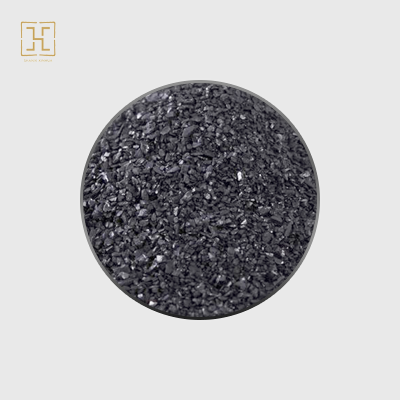
8*16 mesh coal briquette crushing activated carbon
This briquetted carbon is produced by crushing after briquetting. It features high particle strength, excellent wear resistance, and is not easily pulverized or lost. It has a uniform pore structure with a reasonable distribution of macropores, mesopores, and micropores, resulting in rapid mass transfer and stable adsorption capacity. It is characterized by low ash content, high iodine value, high molasses value, and absence of floating matter. Briquetted and crushed charcoal can also produce charcoal with high molasses values, up to 240 or higher. It is suitable for high-load, high-flow-rate purification applications. It is mainly used in high-end air purification, exhaust gas purification, high-purity water treatment, and wastewater treatment. It can also be used for various gas separation and purification processes, and the recovery and utilization of various low-boiling-point substances.
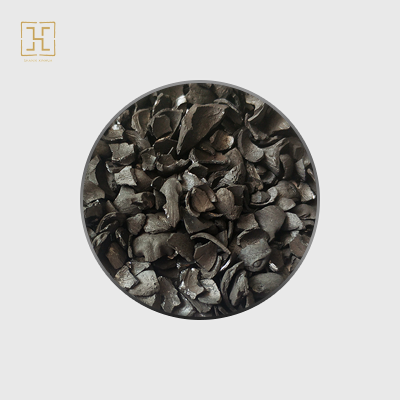
Coal Quality Char for Drinking Water Treatment
Coal-based activated carbon for water purification is mainly used for the deep purification of drinking water and wastewater in modern human life. It is widely used in industrial water treatment such as food, chemical, power, and electroplating for decolorization, dechlorination, modification, oil removal, and odor removal. Coal-based activated carbon for water purification is divided into two main categories: granular and powdered. Granular activated carbon is mainly used for filling filter beds and filter tanks, and is used in conjunction with ozone biological treatment for the deep treatment of drinking water or wastewater. Powdered activated carbon is very effective in removing organic matter, decolorizing, and deodorizing water in emergency treatment or conventional water treatment.

- 1
- 2
- 3
- 4
_1781662034490.webp)