_1778553121707.webp)
What makes coal-based honeycomb activated carbon different from others?
Jul 13, 2026
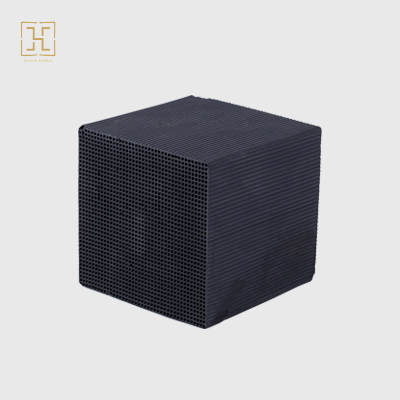
Coal-based honeycomb activated carbon is distinguished by its monolithic structure with parallel channels that significantly lower pressure drop while increasing the area where gas and solids can make contact. This material is not like granules or powders because it has a high mechanical strength and an excellent ability to absorb substances, especially volatile organic compounds (VOCs) and industrial exhaust treatment. It has a high surface area growth (500–900 m²/g) and a strong compressive strength (more than 0.8 MPa), which makes it effective in harsh industrial settings. This makes it the best choice for large-scale air purification systems and regulatory compliance uses.
Introduction
Last year, when my engineering team looked at adsorption materials for a big petroleum plant, we had to make a very important choice. The system for treating waste gases had to be able to handle more than 15,000 m³/h of VOC-filled exhaust while keeping energy costs low. Traditional granular choices caused too much pressure drop, and our purchasing manager was worried that having to replace things too often would make running costs go up. Because of that project, we learned what makes honeycomb structures different from other types of activated carbon structures.
Activated carbon is still very important in the fields of protecting the environment, treating water, and cleaning the air in factories. In the real world, though, not all carbon materials work the same way when they have to deal with things like high-temperature flue gas, corrosive chemical atmospheres, or strict emission standards. This book answers the questions that environmental engineering managers, procurement directors, and research and development engineers have about how to balance the performance of adsorption with the reliability of supply and the low cost of it. Knowing the main differences between Coal-based honeycomb activated carbon and other materials helps you make better buying choices and complete projects more successfully.
Understanding Coal-Based Honeycomb Activated Carbon
The Structural Advantage of Monolithic Design
One thing that makes it unique is the engineered honeycomb geometry. Instead of packing Coal-based honeycomb activated carbon raw materials into random particles, manufacturers extrude them into precise channel configurations. For industrial uses, 100 channels per square inch (CPSI) is common. This setup makes a continuous path for dirty air to flow through thousands of parallel channels, each with activated carbon surfaces on the inside. The design makes sure that pollutants and adsorption sites are in close contact with each other without the rough flow patterns that are common in packed-bed systems.
Pore growth can be controlled at different sizes using advanced production methods. Small molecules like benzene and formaldehyde are caught by micropores that are less than 2 nanometres wide. Mesopores (2–50 nanometres) make it easier for VOCs to move into the carbon matrix. Macropores (greater than 50 nanometres) let gases move quickly by acting as transportation lanes. Because of its hierarchical pore structure and high BET specific surface areas (800–900 m³/g in premium grades), honeycomb carbon can absorb more than 90% of its target molecules, while granular materials have a hard time going above 75%.
Material Science Behind Coal-Based Formulations
When making honeycombs, coal feedstocks have clear benefits. High-rank bituminous coal has a lot of aromatic carbon structures that stay in place even after they are carbonised, making frameworks that are stable at high temperatures. During activation, which is usually done with steam at 800–900°C, controlled oxidation gets rid of the disorganised carbon atoms, revealing a huge amount of internal surface area. The finished product is much harder than carbons made from coconut shells or wood, which is very important when stacking many honeycomb blocks in industrial towers.
This level of engineering sophistication is shown in the technical specifications. Our 100-hole honeycomb carbon made from coal keeps its iodine levels between 450 and 850 mg/g, which shows that it has a lot of ability to adsorb things. The CTC (carbon tetrachloride) binding rate of 35–65% shows that it can catch gases. When the compressive strength is higher than 0.8 MPa, the structure doesn't break when it's being used or handled. Advanced water-resistant treatments make it possible for steady performance in environments with 90% or more relative humidity, which is probably most useful for environmental uses. Untreated carbon materials would break down in weeks under these conditions.
What Sets Coal-Based Honeycomb Activated Carbon Apart?
Solving Critical Operational Challenges
Pressure drop is a hidden cost driver that comes up when procurement teams look at filtration systems. Usually, granular carbon beds cause resistance that needs strong fans that use a lot of electricity. At normal face speeds, Coal-based honeycomb activated carbon structures lower the pressure drop to less than 500 Pa, which cuts the blower's energy needs by about 20%. Over the course of a system's many years of use, this level of efficiency saves a lot of money and reduces its impact on the environment.
Another usual problem is not having enough space. One honeycomb-based adsorption tower can handle the same amount of gas as three or four granular carbon tanks. When retrofitting buildings that don't have much room for environmental equipment, this small size is very important. The volumetric efficiency comes from the best distribution of gases. Every cubic centimetre of honeycomb actively participates in adsorption, which is different from granular beds, where channelling and dead zones lower the effective capacity.
Adsorption works best when there is time for contact. At industrial flow rates, honeycomb channels give molecules 1-2 seconds of dwell time, which lets them move into holes and find balance. Granular systems usually only get 0.3 to 0.5 seconds of real touch, even though the vessels are bigger. This bigger interaction window is what makes honeycomb carbon so good at getting rid of difficult chemicals like toluene, xylene, and ethyl acetate—always above 90%.
Performance Advantages in Real Industrial Conditions
Environmental engineering managers know that lab specs don't mean much if the product hasn't been tested in the field and shown to last. Coal-based honeycomb activated carbon works really well in harsh conditions. During regeneration cycles, temperature spikes of up to 120°C don't damage the structure. Compared to softer wood-based products, corrosive gas mixes with sulphur dioxide, hydrogen chloride, or ammonia don't break down as much. This makes them last longer; they can often go 3–5 years without needing to be replaced, compared to 1–2 years for other types.
Catalytic applications show yet another level of flexibility. It is easy for noble metal catalysts or metal oxide layers to stick to the solid structure. When VOCs need to be destroyed by oxidation instead of just adsorption, platinum or palladium nanoparticles can be added to honeycomb carbon. The even channel design makes sure that the catalyst is spread out evenly, which improves the efficiency and sensitivity of the reaction. Adsorption and catalytic oxidation work together to make small treatment systems that meet strict emission limits possible.
The economics of regeneration have a big effect on the total cost of ownership. Granular carbon loses its effectiveness and starts to make fines when heated, but honeycomb blocks can handle thermal swing adsorption cycles better. The strong structure keeps its shape and pores open after dozens of renewal events. When you look at the total cost of ownership instead of just the buying price, honeycomb systems often have 30–40% lower costs per tonne of VOC removed.
Industrial Applications and Performance of Coal-Based Honeycomb Activated Carbon
Air Purification and VOC Abatement Systems
More and more rules are putting pressure on big factories that make things, mostly in coating, printing, putting together electronics, and chemical processing. VOC pollution limits are getting stricter because environmental agencies know that these chemicals cause smog and have health effects. Our Coal-based honeycomb activated carbon products directly deal with this problem in a number of situations:
Spray painting creates complicated solvent mixtures that need to be captured efficiently before they can be released into the air. Honeycomb adsorbers put in front of paint booths catch both overspray particles and solvent vapours at the same time. The low pressure drop makes integration possible without overworking ventilation systems that are already in place. With less than 20 ppm outlet amounts, auto body shops that fix up cars and industrial paint lines are in compliance.
Ethyl acetate, isopropyl alcohol, and toluene are released by printing companies that use gravure or flexographic methods. The constant high-volume airstreams (often more than 50,000 m³/h) need filtration materials that can keep working. Honeycomb towers have the right amount of absorption capacity and don't take up much floor space. Solvents that are trapped can be recovered and reused by regenerating the system with hot air. This makes the process more cost-effective.
Photoresist strippers, plasma etching gases, and soldering fumes are all used in the production of electronics. To meet cleanroom air quality standards, pollutants must be removed to very low amounts. Activated carbon honeycomb modules fit into multi-stage filtration trains and clean recirculated air while keeping HEPA filters from getting too full too quickly. Coal-based honeycomb is perfect for environments where semiconductors are made because it has consistent quality and low particle shedding.
Specialized Treatment and Catalytic Combustion
Some industrial exhausts have too many VOCs for economic adsorption to work by itself. Catalytic oxidation changes organic molecules into carbon dioxide and water vapour, but it needs to be able to precisely control the temperature and the surface area of the catalyst. Adding platinum or palladium catalysts to Coal-based honeycomb activated carbon makes it stronger and more volatile at the same time. There is less pressure drop across the catalyst bed because of the open pathways, and more pollutants can touch the active sites.
Utility-scale uses show a lot of flexibility. Large air handling systems with carbon honeycomb stages get rid of smells and small amounts of pollutants in places like metro stations, airport terminals, and shopping malls. The strong blocks can be used continuously without making dust or needing to be serviced often. Similar systems are used at municipal transfer stations to get rid of bad smells before they spread to nearby neighbourhoods.
Chemical plants and petrochemical refineries deal with very difficult streams. Normal materials break down quickly in the presence of hydrogen sulphide, mercaptans, and acidic gases. Speciality coal-based honeycombs that are more resistant to chemicals and can handle a lot of ash keep working well in these harsh environments. Our systems have been used to protect sulphur recovery units, wastewater treatment plants, and tank farm loading racks, all of which are places where safety and environmental compliance are very important.
How to Choose and Procure the Best Coal-Based Honeycomb Activated Carbon
Technical Evaluation Criteria
Mismatches that cost a lot of money can be avoided by matching material specs to application needs. The iodine number shows the total amount of binding, but it doesn't show how the pores are sized. When you're looking for specific VOC molecules, you should ask for CTC values. Higher percentages usually mean better gas-phase performance. If the stream is full of water, you should do humidity cycling tests to make sure it is water-resistant. In our lab, we use accelerated ageing protocols that mimic years of exposure to make sure that the structure is stable.
Both efficiency and pressure drop are affected by the number of cells. Standard 100 CPSI setups strike a mix between strength and effectiveness. Higher numbers (150–200 CPSI) make the surface area bigger, but they make the structure less strong. In situations with a very high flow rate, lower densities (50 CPSI) make gas distribution better. Talk to technical support about your unique airflow rates, pollutant types, and space limitations in order to get the best Coal-based honeycomb activated carbon shape.
Different industries and regions have different certification needs. Having ISO 9001 quality control approval ensures that the way things are made is always the same. Getting ISO 14001 environmental approval shows that you are producing in a responsible way. NSF/ANSI 61 approval proves that the material is safe for use with drinking water. When exporting goods with activated carbon, following European REACH rules is important. Before making big purchases, make sure that the supplier's qualifications match your legal requirements.
Supplier Assessment and Partnership Considerations
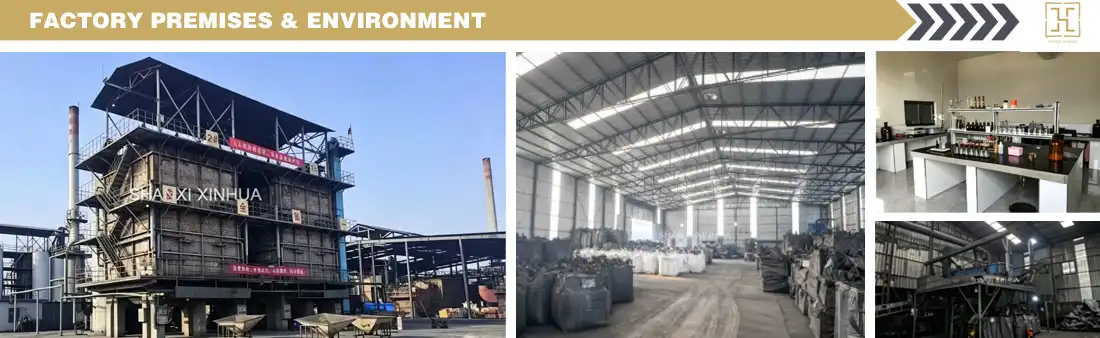
How reliable deliveries are depends on how much can be made. We have several factories in Shanxi, Ningxia, Fujian, and Xinjiang provinces that produce a total of 45,000 tonnes of goods every year. This scale makes sure that all standard Coal-based honeycomb activated carbon products are in stock and can be delivered within 7 to 15 days. It takes 15 to 30 days to ship customised orders that need special activation parameters or dimensional tolerances. When project deadlines are coming up, emergency orders can get important supplies within three days through faster production channels.
The ability to provide technical help is what sets solution partners apart from commodity sellers. Researchers from Tsinghua University, the Chinese Academy of Sciences, and specialised coal chemistry institutes work with us. With this knowledge, the pore structure, catalyst loading, and physical dimensions can all be changed to fit the needs of the customer. Having access to informed engineers makes project completion go more smoothly, whether they are adapting honeycomb carbon for new uses or fixing systems that aren't working right.
Logistics infrastructure has a big effect on the total landed cost. Strategically placing near major transportation hubs speeds up distribution within the country; most Chinese destinations receive shipments within 3–7 days. Multimodal transport coordination (ocean freight, air cargo, and train), real-time shipping tracking, safe packing that keeps goods from getting damaged in transit, and full customs clearance support are all benefits for international customers. When managing turnkey environmental projects that span several countries, knowing how the global supply chain works is especially helpful.
Future Outlook and Innovations in Coal-Based Honeycomb Activated Carbon
Technological Advancements Driving Performance
Material science keeps making progress in activating methods. New patterns for injecting steam make pore growth more even. Using microwaves to help with activation cuts down on working time and makes better use of energy. These new ways of making things make Coal-based honeycomb activated carbons that have higher CTC values and better mechanical strength at the same time, which are usually two different qualities that have to be traded off.
The evolution of regeneration technology lowers operating costs by a large amount. The old ways of using thermal swings need a lot of natural gas or power. New microwave renewal warms only the carbon, which wastes as little energy as possible. Vacuum swing adsorption cycles that work at lower temperatures make carbon last even longer. As these methods get better and cheaper equipment becomes available, regenerative honeycomb systems start to make economic sense for medium-sized tasks that used to use disposable filters.
Market Dynamics and Regulatory Drivers
Environmental laws are favouring high-efficiency technologies more and more. Recent changes to VOC emission standards in the chemical, pharmaceutical, and surface coating industries require removal efficiencies that can only be reached with high-tech materials such as Coal-based honeycomb activated carbon. Compliance deadlines make buying things more urgent, especially for places that might have to limit their operations or get fined. Despite larger industrial cycles, this regulatory pressure keeps demand growth strong.
The integration of smart monitoring is another new area of research. Embedded sensors that measure breakthrough concentrations make it possible to plan maintenance ahead of time. Instead of changing the carbon at set times, which often happens too soon, workers change modules based on how much capacity they still have. This condition-based method keeps compliance margins the same while cutting material use by 15 to 25 percent. When plant control systems are integrated, recovery can start automatically. This makes the best use of energy during off-peak rate times.
Geographic market growth continues as areas that are becoming more industrialised take steps to protect the environment. Southeast Asian manufacturing hubs, petrochemical complexes in the Middle East, and processing plants in Latin America all offer more business opportunities. Local production often falls short of demand, leaving openings for well-known suppliers with quality systems that have been proven to work. Because we have experience exporting and dealing with different regulatory frameworks and logistics issues, we can help international environmental projects in a good way.
Conclusion
To choose the right adsorption materials, you need to know how the structure, the material's properties, and the quality of the making all work together to provide solid industrial performance. Coal-based honeycomb activated carbon is different because it has engineered channel geometry that lowers pressure drop, hierarchical pore structures that capture more VOC, and mechanical robustness that lasts longer. These features directly address the practical problems that environmental engineering managers have to deal with: making sure that regulations are followed, keeping the total cost of ownership as low as possible, and keeping the system reliable in tough situations. Honeycomb carbon is better than regular granular and powdered carbon when it comes to cleaning high-volume waste streams, adding catalytic functionality, or working in tough chemical environments. The material's ability to clean the air, treat industrial waste, and be used in other specific situations, along with its ability to regenerate itself over time, makes it a forward-looking solution that meets both environmental and economic needs.
FAQ
What determines the lifespan of coal-based honeycomb activated carbon?
Service life is affected by several things that are linked to each other. Pollutant concentration and composition change saturation rates. Streams that are less concentrated allow for longer periods of time between regenerations. The frequency and method of regeneration affect how structures break down over time. When done right, steam regeneration can keep its capacity for 50 to 100 rounds, which is about 3 to 5 years in industrial settings. No matter how well it absorbs water, mechanical damage during handling or installation shortens its life. Conditions in the environment are also important; high humidity and poor water protection lead to earlier wear and tear. Longevity is maximised by choosing material specifications that fit your unique operating conditions.
Can honeycomb carbon be customized for specific VOC removal applications?
One of the main benefits is that it can be customised. By changing the activation parameters, you can change the spread of pores of different sizes, which makes it easier to catch molecules of the right size. Changes to the surface chemistry make it easier for polar or nonpolar compounds to stick to the surface. Reactive removal and physical binding can both happen with catalyst impregnation. Thickness, cell density, and block size are just some of the physical dimensions that can change to fit the needs of the system. Through research partnerships with top universities and institutes, our technical team regularly creates custom formulations for difficult applications.
Partner with Shanxi Xinhua Carbon Technology Industry for Superior Honeycomb Activated Carbon Solutions
We can give you the high-performance Coal-based honeycomb activated carbon your environmental projects need, thanks to our 60 years of experience in material science, defense-grade quality systems, and advanced research and development. Shanxi Xinhua Carbon Technology Industry Co., Ltd. keeps a large stock of all standard honeycomb configurations and offers fast delivery options to meet tight compliance deadlines. Our technical team can help you with solutions that meet your operational needs and regulatory obligations, whether you need customised pore structures for specific VOC mixtures, catalyst-loaded variants for oxidative treatment, or long-term supply contracts with guaranteed specifications. We have ISO 9001, ISO 14001, and ISO 45001 certifications, proving our reliability as a Coal-based honeycomb activated carbon supplier and ensuring our products' consistent high quality. Email our engineering experts at greta@carbonxinhua.com to talk about the problems you're having with your application, get detailed data sheets, or set up sample tests. Our global logistics infrastructure helps projects all over the world by coordinating multimodal transport and keeping detailed records. Let us show you how working with a well-known activated carbon manufacturer can turn environmental compliance from a hassle to a competitive advantage.
References
1. Activated Carbon: Surface Chemistry and Adsorption from Solution, Elsevier Science Publishers, 2018.
2. Industrial Gas Cleaning: Advanced Technologies and Applications, Wiley-VCH Publishing, 2020.
3. Honeycomb Monolith Catalyst Design for Emission Control Systems, Journal of Environmental Chemical Engineering, 2021.
4. Coal-Based Activated Carbon Production and Applications in Air Pollution Control, Carbon Materials Science and Technology Series, 2019.
5. VOC Abatement Technologies: Performance Comparison and Economic Analysis, Environmental Protection Agency Technical Report, 2022.
6. Advanced Material Characterization Methods for Porous Carbon Structures, Materials Characterization Quarterly, 2023.

Send Inquiry
You may like
_1781662034490.webp)