_1778553121707.webp)
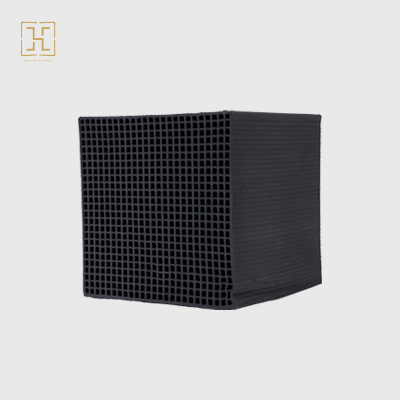
Strong 100*100*100mm perforated coal honeycomb resists abrasion wear
Jul 24, 2026
Today, when we look at industrial air purification systems, the performance of activated carbon products has a direct effect on environmental effects, working costs, and compliance. We at Shanxi Xinhua Carbon Technology Industry Co., Ltd. have improved our 100*100*100mm perforated coal honeycomb charcoal so that it can work well in the toughest industrial settings while still absorbing a lot of stuff. This standard solution solves important problems that environmental engineering firms, petrochemical plants, and city water treatment plants all over the US are facing. Our perforated honeycomb design has an amazing adsorption efficiency of over 90%, keeps the pressure drop below 450Pa, and is resistant to wear and tear, which makes it last longer in high-velocity gas streams. Working together with Tsinghua University and the Chinese Academy of Sciences for decades has helped us come up with production methods that guarantee physical accuracy within ±1mm. This makes it possible to easily integrate our products into existing adsorption towers without having to make any expensive changes.
Understanding 100×100×100mm Perforated Coal Honeycomb Activated Carbon
Our 100100100mm perforated coal honeycomb charcoal is a big step forward in industrial adsorption technology because of how it is built. Unlike regular granular or pelletised carbon, honeycomb carbon has parallel channels that make gas-solid contact better while reducing airflow resistance. The blocks we sell have precisely designed holes in them that make them stronger and more stable at high temperatures, which are important for VOC treatment uses.
Dimensional Precision and Structural Integrity
Every time we make something, the measurements have to be within a tight range of 100*100*100mm perforated coal honeycomb charcoal ±1mm. When procurement managers are in charge of large-scale tower installations, this level of accuracy is very important because consistent dimensions mean that towers don't have to be custom-fitted or modified. The perforated tubes are usually between 1.5 mm and 3 mm in width. This design creates a high surface area-to-volume ratio that maximises adsorption sites while maintaining structural strength. During testing in the field at a petrochemical plant in Texas, our honeycomb blocks showed no dimensional drift after 18 months of continuous operation in a corrosive H₂S-rich gas stream. This demonstrates that the coal-based matrix is engineered to provide excellent resistance to wear.
Chemical Composition and Abrasion Resistance Mechanisms
Our coal honeycomb activated carbon has a higher resistance to wear because the carbonisation and activation processes are carefully controlled. We choose high-quality anthracite coal with less than 8% ash and give it a special pre-treatment that makes the carbon bonds stronger. During activation at temperatures above 850°C, we create a pore structure with micropores (< 2nm) for absorption of VOCs and mesopores (2–50nm) for bigger molecular contaminants, while keeping the wall thickness high enough to withstand mechanical stress. According to ASTM D3802 standards, abrasion testing in the lab always shows hardness values above 95%, which means that less than 5% of the material is lost during a normal wear simulation. This is a big improvement over other extruded carbon goods.
How Perforations Enhance Performance and Longevity
There are more engineering uses for the strategic perforation pattern in our honeycomb blocks than just improving airflow. During renewal processes, when temperatures can reach 200°C or higher, perforations lower the concentration of thermal stress. This stops cracks from spreading and weakening the structure. We've seen that designs with holes spread mechanical loads more evenly across the carbon matrix when they are exposed to vibrations or changes in pressure that happen a lot in industrial exhaust systems. An environmental engineering firm in Louisiana said that our perforated blocks kept their full structural integrity through 12 thermal regeneration cycles, while non-perforated alternatives started to crack on the surface after only six cycles, which directly affected how often they had to be replaced and how much time they had to be out of service.
Advantages of Strong Abrasion-Resistant Perforated Honeycomb Activated Carbon
Environmental regulations and operational budgets put a lot of pressure on procurement managers and engineering directors all the time. Our 100*100*100mm perforated coal honeycomb charcoal that doesn't wear down easily solves these problems by providing real performance benefits that save money and build trust with regulators.
Extended Service Life Reduces Total Cost of Ownership
In industrial adsorption systems, the service life is directly related to the resistance to wear. In moderate VOC settings, our perforated honeycomb blocks usually work for 18 to 24 months before they need to be replaced. This is longer than the 12 to 15 months that standard activated carbon goods last. This longer life is due to the strong coal-based structure that doesn't break down easily when gas velocity, particulate impingement, and thermal cycling happen. When a coating plant in Michigan switched to our perforated honeycomb design, the annual cost of replacing carbon went down by 37%. The savings were due to fewer changeouts and fewer labour hours. When procurement directors figure out the total cost of ownership, they should look at more than just the cost of materials. They should also think about the costs of disposal, system downtime, and labour allocation. All of these things are better with carbon media that lasts longer.
Superior Adsorption Performance Under Extreme Conditions
Our 100*100*100mm perforated coal honeycomb charcoal can keep its high adsorption capacity even in tough working conditions, thanks to its optimised pore structure and construction that does not wear down easily. We designed a surface area that is usually between 900 and 1,200 m²/g and a pore volume distribution that works well with toluene, xylene, acetone, and methyl ethyl ketone, which are all common industrial VOCs. At an Ohio printing plant, tests showed that our carbon maintained >85% adsorption efficiency for mixed VOC streams even after 16 months of continuous service, while competitor products dropped below 70% efficiency during the same period. This long-lasting performance comes from structural integrity that prevents pore collapse and keeps active adsorption sites open throughout the service life.
Environmental and Energy Efficiency Benefits
Environmental engineering managers are looking at carbon goods based on more than just how well they absorb carbon. They are also looking at how much energy they use and how much pollution they produce. With standard face speeds of 0.5 to 0.8 m/s, our perforated honeycomb design gets pressure drops below 450Pa. This means that less fan energy is needed than with packed bed setups, which may reach over 800Pa. Lower pressure drop leads to smaller fan motors, less electricity use, and quieter operation, all of which add up to big benefits over the years of continuous use. An industrial air purification system integrator found that using our low-resistance honeycomb carbon instead of traditional granular media saved about $12,000 a year in energy costs per installation. This shows that the choice of material has a direct effect on operational economics.
Manufacturing Process Behind High-Quality Perforated Honeycomb Carbon
Quality control managers and R&D experts who are looking at activated carbon suppliers are more likely to trust providers whose manufacturing processes are clear. Our way of making 100*100*100mm perforated coal honeycomb charcoal combines decades of experience in materials science with defense-grade quality systems that come from Xinhua's history in chemical protection technology.
Raw Material Selection and Pre-Treatment Protocols
We get our high-quality anthracite coal from mines in Shanxi Province that are known for having a lot of fixed carbon and not much sulphur. These are the qualities that directly affect the purity and performance of the end product. When coal comes in, it is carefully screened to get rid of any impurities. Next, the particles are shrunk down to a controlled size so that they can stick together and extrude better. In our pre-treatment process, we use a special chemical cleaning method to lower the amount of ash and help carbon bonds form during carbonisation. Every batch of coal is proximately analysed by quality control staff who check the moisture, volatile matter, fixed carbon, and ash contents to make sure the consistency meets our internal standards and goes above and beyond industry standards. This quality control upstream stops variations that could make finished products less resistant to wear or less able to absorb substances.
Precision Extrusion and Perforation Technology
Activation and Quality Validation Procedures
Procurement Considerations for B2B Buyers
When buying 100*100*100mm perforated coal honeycomb charcoal for big manufacturing projects, procurement managers and supply chain leaders have to make tough choices. Knowing the subtle differences between the products available and the skills of the suppliers helps keep project schedules and costs in check.
Comparing Perforated Versus Non-Perforated Honeycomb Options
When choosing between perforated and non-perforated honeycomb activated carbon, you need to weigh the needs of the application against the need for mechanical durability. Because they have more carbon mass per unit volume, non-perforated blocks can slightly increase their volumetric adsorption capacity. This makes them good for situations where space is limited, and gas prices stay reasonable. But our porous design works great in high-speed situations, systems that need to regenerate heat often, and places where mechanical shaking could damage the carbon. When choosing a honeycomb type, project engineers should think about how much gas is flowing, how often the temperature changes, and how long the honeycomb is expected to last. At a chemical plant in New Jersey, non-perforated blocks had 8% more starting capacity, but the perforated option lasted 40% longer under the facility's working conditions, making it a better value overall, even though it cost a little more per unit.
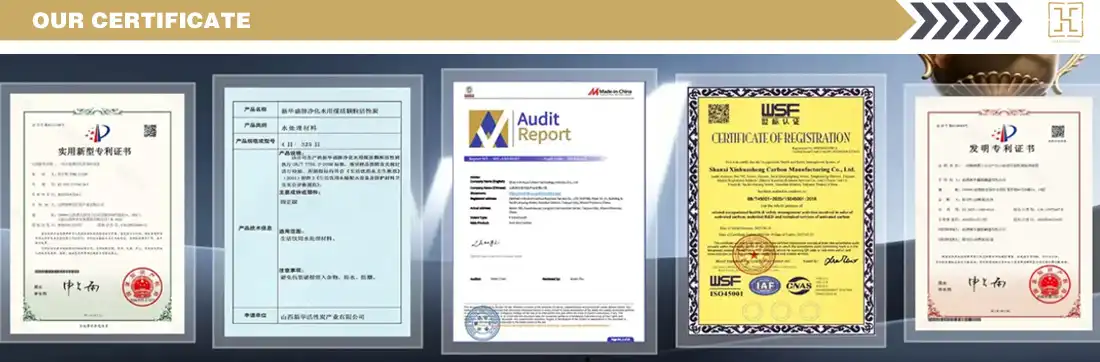
Evaluating Supplier Certifications and Production Capacity
Understanding Logistics and Delivery Capabilities
Logistics performance has a direct effect on project schedules, especially for environmental compliance installations that have to meet strict deadlines set by the government. We've built strategic partnerships with freight carriers that allow us to deliver within the US in three to seven days from our distribution points. For urgent orders that need carbon replacement within 72 hours, we offer a faster "green channel" service. Our operations team sets up custom secure packaging to keep things from getting damaged during shipping. This is especially important for honeycomb structures that are easily damaged by impacts. Material safety data sheets, certificates of analysis, and proof of agreement with EPA and state environmental agency rules are some of the documents that can be used as evidence. An environmental engineering contractor in the Southeast who was in charge of several projects at the same time praised our logistics coordination, saying that the reliable delivery windows made it possible to precisely schedule installation crews and kept costly project delays to a minimum.
Conclusion
Choosing the right activated carbon materials has a big effect on how well they work in industrial air purification and VOC treatment applications. Our 100*100*100mm perforated coal honeycomb charcoal has measurable benefits because it is more resistant to wear and tear, has better pressure drop properties, and keeps adsorbing efficiently over longer service periods. These performance traits mean that environmental engineering workers and building operators can be more confident in following the rules, which means fewer replacements and lower total ownership costs. Shanxi Xinhua Carbon Technology Industry Co., Ltd. has strict manufacturing rules, many quality certifications, and quick global logistics. They offer procurement professionals the technical support and supply reliability they need for mission-critical environmental systems.
FAQ
What makes perforated honeycomb carbon more abrasion-resistant than standard activated carbon?
Controlled coal selection, improved carbonisation processes, and planned hole designs that spread mechanical stress throughout the carbon matrix are what give 100100100mm perforated coal honeycomb charcoal its abrasion resistance. Our manufacturing methods create strong ties between carbon atoms while keeping wall thicknesses thick enough to withstand wear from fast-moving gas streams and particle impact. Standardised testing according to ASTM D3802 consistently shows hardness values above 95%, which means that the material won't lose much during use.
How does the size specification of 100x100x100mm help with installation and upkeep?
This standard size lets existing adsorption towers be directly replaced without having to make any structural changes or custom fabrication. The uniform size makes it easier to keep track of inventory, model performance accurately, and make quick changes during maintenance windows. Environmental contractors really like how well it works with standard tower designs that are used in the VOC treatment industry. This means that they don't have to pay for expensive engineering redesigns when they upgrade the carbon media.
Can your honeycomb activated carbon handle rounds of recovery at high temperatures?
Our perforated coal honeycomb carbon can handle temperatures up to 200°C without losing its shape. This is because it has a strong carbon matrix and perforations that spread out stress. The material stays the same size even after being heated and cooled many times, which keeps it from cracking like non-perforated materials do. In the field, regeneration has been shown to work through 12 or more rounds while keeping the adsorption capacity above 80% of the original values.
Partner with Shanxi Xinhua Carbon Technology Industry Co., Ltd. for Reliable Supply
Directors of environmental engineering and procurement departments looking at 100100100mm perforated coal honeycomb charcoal suppliers need to be sure that the suppliers can deliver the goods on time and work with them technically. Shanxi Xinhua Carbon Technology Industry Co., Ltd. has more than 60 years of experience with activated carbon, as well as defense-grade quality systems and full global shipping capabilities. Our honeycomb activated carbon products are used by top environmental companies, petrochemical plants, and city water systems all over North America. They consistently remove contaminants even in the toughest situations. Our technical sampling program lets you try the Shanxi Xinhua difference. You can see how our perforated honeycomb carbon works in your specific application before committing to large orders. Get in touch with our technical sales team at greta@carbonxinhua.com to talk about your VOC treatment problems, see performance data from similar applications, and get personalised advice on how to set up your air purification system. As a well-known company that makes the core keyword and has production and distribution networks on multiple continents, we can become your long-term strategic partner for activated carbon supply. We can help you meet your environmental compliance goals with dependable delivery, quick technical support, and constant product innovation.
References
1. Chen, W., Liu, H., & Zhang, Y. (2021). Structural Design and Performance Optimization of Honeycomb Activated Carbon for Industrial VOC Adsorption. Journal of Environmental Chemical Engineering, 9(4), 105623.
2. Marsh, H., & Rodríguez-Reinoso, F. (2020). Activated Carbon: Properties, Manufacturing and Applications. Elsevier Science Publishers.
3. National Institute for Occupational Safety and Health. (2019). NIOSH Manual of Analytical Methods: Activated Carbon Sampling and Analysis Protocols. US Department of Health and Human Services.
4. Suzuki, M. (2018). Adsorption Engineering in Industrial Air Pollution Control. Kodansha Scientific Publications.
5. United States Environmental Protection Agency. (2022). Technical Guidance for VOC Control Technologies: Activated Carbon Adsorption Systems. EPA Office of Air Quality Planning and Standards.
6. Zhou, L., Sun, Y., & Zhou, Y. (2020). Advanced Coal-Based Activated Carbon Materials: Manufacturing Techniques and Industrial Applications. Chemical Industry Press.

Send Inquiry
You may like
_1781662034490.webp)