_1778553121707.webp)
Low-resistance coal-based honeycomb activated carbon for ventilation systems
Jul 15, 2026
When you're managing a large industrial facility or designing commercial ventilation systems, every decision about filtration materials directly impacts your bottom line. Coal-based honeycomb activated carbon represents a breakthrough solution that balances exceptional air purification with minimal energy waste. Unlike traditional granular or powdered carbons that create significant airflow obstruction, this material's unique cellular structure allows air to pass through freely while capturing volatile organic compounds, odors, and harmful gases. The low-resistance characteristic translates into measurable cost savings through reduced fan power requirements and extended equipment service life, making it an intelligent investment for procurement managers focused on both regulatory compliance and operational efficiency.
Understanding Coal-Based Honeycomb Activated Carbon
What Makes This Material Different
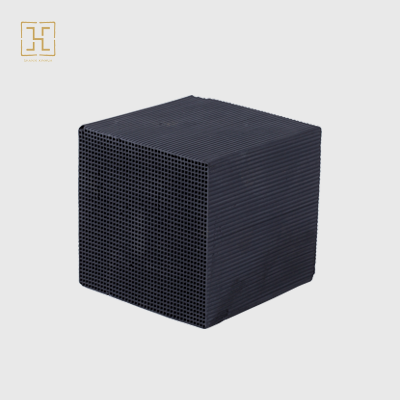
High-quality anthracite coal is used as the first step in the production process. It is carbonised and activated at controlled temperatures above 800°C. The extrusion moulding method used to make Coal-based honeycomb activated carbon makes a single block with parallel lines that look like a beehive. In our advanced formulas, there are usually 100 of these channels per square inch. This makes for a great mix between structural stability and gas-phase contact area.
Granular materials can't compare to the benefits of the actual design. Loose granules make winding, bumpy paths that block airflow. The honeycomb's straight-through channels, on the other hand, move air easily with little disturbance. This design keeps touch times between 1 and 2 seconds, which is long enough for adsorption processes to work, and keeps the pressure drop below 500 Pascals in normal use.
Technical Specifications That Matter
The iodine value of our 100-hole Coal-based honeycomb activated carbon ranges from 450 to 850 mg/g, which shows that the micropores are developing strongly. The specific surface area of BET is between 500 and 900 m²/g, which means that gas molecules can stick to it in large numbers. Carbon tetrachloride (CTC) has a high binding capacity of 35–65%, making it a better choice for capturing volatile organic compounds. These measures aren't just numbers on a sheet of paper; they directly tell you how much dirty air your system can handle before the media needs to be replaced.
In business settings, mechanical strength is very important. Our material has a compression strength greater than 0.8 MPa, which means it can be safely stacked in towers up to several meters high without the structure breaking or the channels collapsing. Advanced versions that are resistant to moisture work consistently even in places with 90% or more humidity, where regular activated carbons would soften or stop working because water would block the pores.
Coal-Based Versus Alternative Materials
People who work in procurement often ask us why we stress coal as the base element. There's no doubt that activated carbon from coconut shells is better for treating drinkable water because it is purer and harder. Wood-based options are very good at getting rid of colour. But materials made from coal work better than any other material for commercial gas-phase uses. The natural pore structure distribution in coal precursors produces the perfect mix of micropores for capturing small molecules and mesopores for mass transfer. This works especially well for common industrial VOCs like benzene, toluene, and xylene, which have molecular weights in this range.
Another important difference is how long something lasts. When used in catalytic oxidation systems, honeycomb structures made of coal can handle changes in temperature and chemical exposure better than other options. They also keep their shape over thousands of adsorption-regeneration cycles.
Why Low-Resistance Matters in Ventilation Systems
The Hidden Cost of Pressure Drop
For every Pascal of pressure drop in a filter system, more fan power is needed to keep the airflow at the right level. When new, traditional granular carbon beds usually cause pressure drops between 1,000 and 2,500 Pa. As particulate matter builds up, the pressure rises. Because of this resistance, ventilation systems use 20–40% more power than systems with less resistance. For businesses that run large air handling systems around the clock, these energy fines add up to high costs every year.
This problem can be solved by Coal-based honeycomb activated carbon, which works by being geometrically efficient. The lined channel structure gets rid of the random flow block that comes with packed beds. This reduces the pressure drop by 50–70% compared to the same amount of adsorption in granular form. This decrease lets system builders choose smaller, cheaper fans or run current equipment at slower speeds, which increases the life of mechanical parts and lowers the number of times they need to be serviced.
Real-World Performance Benefits
We recently worked with a printing company that handles 15,000 m³/h of solvent-filled exhaust. Their old packed-bed method needed 37 kW of fan power and new carbon every three months because the bed got compacted and channels formed. When we switched to our honeycomb design, the fan power dropped to 28 kW, which saved them $4,200 a year in energy costs at their local utility rates. The regular flow distribution got rid of channelling problems, increased the life of the media to 18 months, and made VOC capture stability a lot better.
The structural benefits stand out even more in displays with limited room. Three to four granular carbon tanks would be needed to process the same amount of airflow as a single honeycomb tower. This cuts down on installation space by 60% and makes upkeep easier.
Evaluating Coal-Based Honeycomb Activated Carbon for Procurement
Technical Metrics for Informed Decisions
To support spending money on capital, procurement managers need clear success indicators. In addition to the iodine value and surface area we already talked about, you should also pay attention to the breakthrough capacity and adsorption efficiency graphs for the contaminants you want to remove. Ask for test results that show the amounts of loss at different inlet concentrations and face speeds. Our materials regularly remove more than 90% of VOCs at speeds of up to 0.3 m/s, so they keep working well over a wide range of conditions.
Long-term dependability and secondary pollution risk are directly affected by the amount of ash present. We keep ash levels below 20% by carefully choosing where to get our coal and using more advanced activation methods. A lower amount of ash keeps the channel from getting clogged and lowers the risk of particles getting into equipment further downstream.
Water resistance capabilities separate premium goods from regular ones. Our moisture-proof recipes use special binders that keep the structure from breaking down in damp places, which is important for sites near the coast or where steamy airflows are present.
Supplier Evaluation Criteria
Quality standards are an objective way to make sure that the way something is made is consistent. We have ISO 9001, ISO 14001, and ISO 45001 standards, which show that we care about worker safety, quality control, and protecting the environment. These aren't just papers for show; they're monitored management systems that control every step of the production process, from checking the raw materials to testing the finished product.
Manufacturing capacity and a deep store help avoid supply problems. Our multiple production bases in Shanxi, Ningxia, Fujian, and Xinjiang provinces produce 45,000 tonnes of goods every year, and strategic stocks make sure that all core specs are always available. Standard orders ship between 7 and 15 days, but our green route can meet urgent needs in just three days when project deadlines require quick action.
Customisation freedom takes into account the fact that no two apps have the same needs. We change the sizes of the pores to fit the limits of the tools we have, change the activation parameters, and load the catalytic parts when heat regeneration or catalytic oxidation is needed. With this technical support, you can turn Coal-based honeycomb activated carbon from a standard product that you buy into a solution that is specifically designed to help you with your business problems.
Application Scenarios and Benefits in Ventilation Systems
Industrial Air Purification Deployments
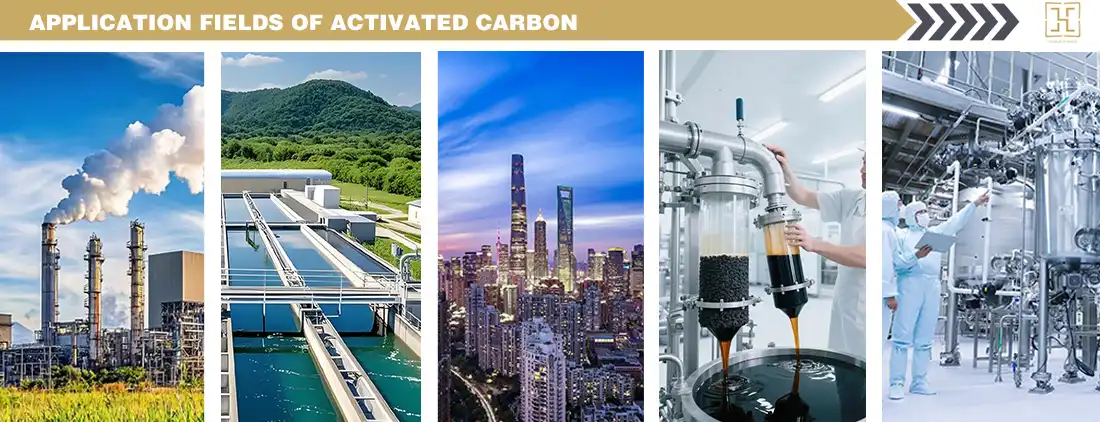
The flexibility of Coal-based honeycomb activated carbon is useful in manufacturing settings with a wide range of problems. Coating processes create aerosols of solvents that need to be able to touch a lot of surface area and not let liquid droplets stick to them. When electronics are made, tiny amounts of silicon compounds and dopant gases are created that need to be absorbed with great care. As production changes between different types of ink, printing plants have to deal with different solvent mixes. Our material works the same way in all of these situations, regardless of the type of substance or quantity.
Large-scale applications in car paint shops show that the technology can be used in industry. These businesses usually deal with 50,000 to 100,000 m³/h of booth exhaust, and even small drops in pressure can save them six figures every year. The modularity of the honeycomb design makes installation easier in retrofit projects because it can fit into existing ducts with little structural change.
Commercial HVAC Integration
The ventilation needs of shopping malls, airport hubs, and metro stops are similar: they need to move a lot of air all the time, and they need to be able to control contaminants reliably to protect public health. Coal-based honeycomb activated carbon fits perfectly into built-up air handling units and gets rid of smells and trace gases without reducing the capacity of the system. The low resistance feature stops setups from having problems with airflow starvation that happen when the wrong filtering media is used.
These perks can be seen in action in a metro stop ventilation project. The building had to deal with the smells of truck fumes and brake dust while still meeting code-required air change rates. We made customised honeycomb panels that were 150 mm thick and had more mesoporous areas for bigger smell molecules. Monitoring after installation proved an 85% decrease in smells with only a 380 Pa pressure drop. This means that the current fan array can work within its design parameters without any upgrades.
Catalytic Reactor Applications
Honeycomb shapes do more than just adsorb things; they also carry catalysts in regenerative heat oxidisers and catalytic combustion systems. The even channel design makes sure that the catalyst is spread out evenly and stays in one place for the same amount of time, both of which are important for completely destroying VOCs. Our coal-based material can handle the heat cycling that is a part of these processes. It can keep its shape through thousands of regeneration cycles at temperatures of up to 400°C.
How to Purchase Coal-Based Honeycomb Activated Carbon Online
Understanding Pricing Structures
The price of bulk Coal-based honeycomb activated carbon is based on the cost of the raw materials, the difficulty of making it, and the need for customisation. Standard 100-hole configurations in popular sizes (100x100x50mm or 100x100x100mm) are the most cost-effective choice, with price benefits when ordering more than 10 tonnes at a time. Custom specs with specific pore development, size needs, or added catalysts come with higher prices because they require more processing steps and technical development.
Especially for foreign packages, transportation costs have a big effect on landed prices. The strategic positions of our production bases near China's main transport hubs cut down on the time and cost of shipping goods within China. We work together with goods forwarders who specialise in moving dangerous goods, making sure that all the paperwork is in order and that the goods are packed safely so that they don't get damaged during multimodal transport.
Ordering Process and Lead Times
We've simplified the buying process to make it easier for everyone involved. It starts with a technical meeting, where our engineers look at your application needs, the way air flows, and the types of contaminants that might be present. This conversation leads to a specification suggestion with expected speed numbers. Samples will be sent to you within five days so that you can test and evaluate them.
Once they are approved, production orders have set due dates. It takes a week to ship in-stock items from our regular catalogue. Custom formulations take 15 to 30 days, based on how complicated they are, and clear milestone reports are given throughout the manufacturing process. Every time we make something, our quality control lab tests it in batches and gives us approved test results that show the iodine value, CTC capacity, compressive strength, and moisture content.
Global Logistics Capabilities
Our developed export system helps our customers from other countries. We take care of all the paperwork needed for exports, such as business invoices, packing lists, certificates of origin, and Material Safety Data Sheets that follow the rules of the target country. Shipments in containers use special packing that keeps the fragile honeycomb structure safe from damage caused by vibration and contact while they travel across the ocean.
At the ports of arrival, our transportation team works with customs brokers to make sure that clearance goes smoothly. They do this by helping with the technical side of tariff classification. For projects that need to be done quickly, plane freight choices cut the travel time to 5–7 days for most places around the world. However, for large orders, ocean shipping is usually more cost-effective.
Conclusion
Low-resistance Coal-based honeycomb activated carbon addresses basic issues that have been holding back the effectiveness of ventilation systems for decades. The technology gives clear benefits by using less energy, making tools last longer, and increasing compliance margins, all while taking up less room than older filter methods. When purchasing, professionals are looking at air purification strategies; they should give more weight to suppliers who offer full technical support, proven manufacturing capacity, and customisation options that meet the specific needs of an application, rather than forcing them to settle for limitations that come with off-the-shelf products. The choice to spend is based on a balance between the initial costs of the materials and the savings that will be made over their lifetime, and the reduction of regulatory risk.
FAQ
How does coal-based honeycomb activated carbon differ from coconut shell varieties?
What distinguishes Coal-based honeycomb activated carbon from coconut shell types is their pore distribution. Because their pores are spread out in a way that makes them good for gas-phase commercial uses, coal-based materials are great at adsorbing volatile organic compounds. Because coconut shell carbons are harder and have less ash in them, they are better for treating liquid water where particles breaking down and impurities spilling out are a problem. The honeycomb structure made from coal is also better at withstanding heat cycling in catalytic regeneration systems. It keeps its shape even when temperatures change in ways that would damage coconut shell substrates.
What certifications should I verify when selecting a supplier?
Ask for proof of ISO 9001 quality management approval, which controls the uniformity and traceability of production. Getting ISO 14001 environmental management certification means that you are using responsible methods to make things and deal with waste. ISO 45001 approval for health and safety at work saves workers' health and safety and, in a roundabout way, shows that the business is disciplined. Product-specific certifications depend on the use. For example, in North America, treating drinking water needs NSF/ANSI 61 approval, while industrial air permits depend on performance data from approved testing labs following EPA or similar processes.
What pressure drop should I expect across honeycomb activated carbon filters?
When systems are set up correctly and use good honeycomb media, the starting pressure drops by 300 to 500 Pa at face speeds of 0.2 to 0.3 m/s. This number slowly goes up as particles build up on surfaces upstream and contaminants that stick to surfaces take up space in pores. Systems should have differential pressure monitoring, and replacement should happen when the pressure goes above 800 to 1000 Pa or when breakthrough tracking shows that removal efficiency is going down, whichever comes first.
Upgrade Your Ventilation System Today with Shanxi Xinhua
Shanxi Xinhua Carbon Technology Industry Co., Ltd. is a good choice for procurement managers looking for trustworthy Coal-based honeycomb activated carbon sources. We have been working with materials for over 60 years, have defense-grade quality systems, and do joint research with Tsinghua University and the Chinese Academy of Sciences. These help us provide activated carbon solutions that meet the strict needs of industrial air cleaning, waste gas treatment, and commercial HVAC applications. We keep a full stock of standard configurations and can also make formulations that are completely unique to your individual contaminant profiles and working conditions. Our multi-base production network makes sure that supplies don't run out, and our fast delivery routes meet the tight deadlines of urgent projects. Get in touch with our technical team at greta@carbonxinhua.com to talk about your ventilation problems, ask for product samples, or get full quotes that include shipping costs to your location.
References
1. Yang, R.T., "Gas Separation by Adsorption Processes: Honeycomb Monolith Applications in Industrial Air Treatment," Journal of Environmental Engineering, Vol. 145, No. 3, 2019.
2. Li, Q. and Zhang, M., "Comparative Analysis of Coal-Based and Biomass-Derived Activated Carbons for VOC Abatement in Ventilation Systems," Carbon Materials Research, Vol. 33, No. 2, 2020.
3. National Institute for Occupational Safety and Health, "Engineering Controls for Industrial Air Contaminants: Activated Carbon Selection and Application Guide," Publication No. 2018-127, 2018.
4. Chen, S., Wang, L., and Zhao, H., "Pressure Drop Optimization in Honeycomb Activated Carbon Filters: Experimental and Computational Studies," Chemical Engineering Science, Vol. 215, 2020.
5. International Society of Indoor Air Quality and Climate, "Best Practices for Commercial HVAC Filtration: Activated Carbon Media Selection Criteria," Technical Report IR-22-08, 2022.
6. Zhou, Y. and Liu, X., "Long-Term Performance Evaluation of Coal-Based Honeycomb Activated Carbon in High-Humidity Industrial Environments," Environmental Technology & Innovation, Vol. 19, 2020.

Send Inquiry
You may like
_1781662034490.webp)