_1778553121707.webp)
How does coal-based honeycomb activated carbon work in air purification?
Jul 06, 2026
Coal-based honeycomb activated carbon works by a complex adsorption process in which its large porous structure traps gaseous pollutants as dirty air passes through its parallel pathways. Industrial facilities can catch over 90% of volatile organic compounds (VOCs), toxic gases, and smells thanks to the honeycomb shape's ability to maximise surface contact while minimising wind resistance. Because of its unique structure, this material is perfect for molecular adsorption, which makes it an essential choice for businesses that have to meet strict emission standards and deal with large amounts of waste gas.
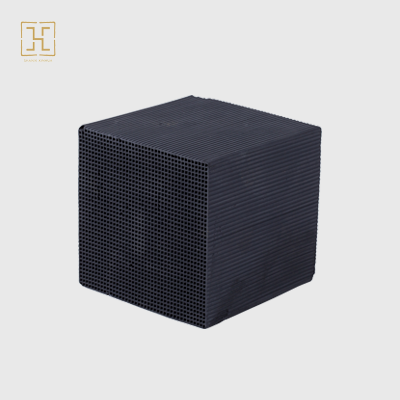
Understanding Coal-Based Honeycomb Activated Carbon
Honeycomb activated carbon is different from other filter materials because of its unique design. This material is made from high-quality coal that has been carbonised and activated in a controlled way. It has carefully designed parallel channels, which are often set up in 100-hole or 150-hole patterns and create a large surface area while keeping the structure strong. At Shanxi Xinhua, we carefully choose our raw materials, treat them with heat in controlled atmospheres, and activate them in multiple steps to create the best pore structure.
Physical and Chemical Properties
The precise specs spell out what the performance can be in a business setting. The iodine value of our 100-hole Coal-based honeycomb activated carbon ranges from 450 to 850 mg/g, which shows that it has a lot of adsorption power. The specific surface area of BET is between 500 and 900 m²/g, which gives it a lot of tiny spaces to catch pollutants. Carbon tetrachloride (CTC) has absorption rates between 35 and 65%, which shows good gas-phase performance. It also has a shear strength of more than 0.8 MPa, which makes it durable for use and installation in large treatment towers.
Advanced versions that are resistant to moisture allow them to be used in places where the humidity level is higher than 90% without clogging pores or breaking down the structure. We keep the ash level below 20% to avoid secondary contamination, which is very important when dealing with emissions from chemical companies and factories. Researchers at Tsinghua University and the Chinese Academy of Sciences have worked together for decades to find these qualities in materials.
Comparison with Alternative Materials
When looking at different types of adsorption media, purchasing managers often compare honeycomb carbon to granular carbon and coconut shell carbon. Granular activated carbon gives you more options for bed design, but it causes big drops in pressure, which means that it costs 20–30% more to run than honeycomb setups. The carbon from coconut shells is great for creating micropores that are good for smaller molecules, but it's not strong enough for big industrial towers.
Because it is geometrically efficient, the honeycomb construction gets around these problems. Each channel works as a mini-reactor, which increases the contact time to 1-2 seconds while keeping the pressure below 500 Pa. This means that buildings that handle airflows of more than 10,000 m³/h will save a lot of energy. These kinds of buildings are often used for spray painting, making electronics, and printing.
How Does Coal-Based Honeycomb Activated Carbon Work in Air Purification?
Understanding how the system works helps tech teams make it work better. Pollutant molecules stick to the carbon surface through van der Waals forces instead of chemically changing. This is how the cleaning process works. This difference from absorption, in which chemicals go deep into a medium, is important for figuring out saturation rates and regeneration potential.
The Adsorption Mechanism
When dirty air goes into the honeycomb pathways, the chaotic flow slows down, and the pollutant molecules move toward the pores. There are micropores (less than 2 nm), mesopores (2–50 nm), and macropores (greater than 50 nm) inside the Coal-based honeycomb activated carbon. Each type of pore can hold molecules of a different size. Most of the space in micropores is taken up by VOCs like benzene, toluene, and xylene. Larger odour compounds settle in mesopores. This layered arrangement of pores maximises total capacity across a wide range of pollution profiles.
The large surface area—about 1000 m²/g for our basic products—makes it possible for a lot of things to stick to it. When a VOC molecule hits the carbon surface, it stays put thanks to weak forces between molecules. The honeycomb shape makes sure that airflow is evenly spread across all pathways, which stops bypass and keeps removal efficiency constant across the depth of the carbon bed.
Factors Influencing Performance
In real-world applications, the success of purification depends on a number of practical factors. The speed of the airflow needs to balance the amount of touch time with the system's output. Speeds between 0.3 and 0.6 m/s usually work best for both. Adsorption rates are affected by temperature. Generally, higher temperatures lower capacity, but our high-temperature versions keep working up to 120°C for uses like treating flue gas.
When it's humid, things can go wrong because water molecules are competing for binding sites. Our formulas that don't get wet have changed surface chemistry that binds organic pollution more strongly, even in places with 90% or more humidity. The breakthrough time is affected by the concentration of the contaminants. Higher input concentrations fill the carbon more quickly, so replacement cycles need to be shorter. We make custom pore size distributions for clients who have specific pollutant mixtures. Based on the goal molecule size, we change the activation conditions to favour micropore or mesopore growth.
Comparing Coal-Based Honeycomb Activated Carbon with Other Types
When making B2B purchasing choices, it's important to know what the comparative benefits are. Granular activated carbon is best for some uses, but the honeycomb shape works better in high-flow industrial settings where pressure drop and limited room are important.
Structural and Performance Differences
Granular beds need to be buried deep (usually 0.5 to 1 metre) to get enough contact time, but honeycomb modules can clean just as well at 0.1 to 0.3 metre depths. This saves room and makes it possible to add air cleaning systems to buildings that already exist, even if the spaces are limited. The one-piece structure gets rid of the risks of fluidisation that come with grainy beds. This stops carbon from breaking down and stops dust from forming, which can affect equipment further down the line.
Because it is pure and has a lot of micropores, coconut shell carbon works great for drinking water uses. However, because it isn't very strong, it can't handle the vibration and temperature changes that happen in industrial exhaust streams. For large-scale emission control, Coal-based honeycomb activated carbons have better cost-performance ratios, and the bulk price becomes more attractive as the number of tonnes needed for big sites grows.
Economic Considerations
Lifecycle costs go beyond the price of the original buy. Honeycomb systems use about 20% less energy for their blowers because the pressure drop is smaller. This saves a lot of money over many years of use. Longer service life—usually 1-2 years compared to 6–12 months for solid carbon in similar situations—lowers the number of times it needs to be replaced and the labour costs that come with it. When our customers in petrochemical plants move from granular to honeycomb designs in VOC treatment towers, the total cost of ownership drops by 30%.
Applications and Benefits of Coal-Based Honeycomb Activated Carbon in Industry
Coal-based honeycomb activated carbon can be used for a wide range of industrial cleaning tasks because it is so flexible. It can be used for everything from constant emission control to sporadic process ventilation. The right system design lets it work with a wide range of operating patterns.
Core Industrial Applications
A main market is made up of manufacturing sites that use spray painting. In these places, there are lots of liquid vapours that need to be efficiently captured before they can be released into the air. Our honeycomb carbon can handle airflows of up to 50,000 m³/h in vehicle paint plants and still remove 90% or more of the contaminants. The organised format works great when added to rotary concentrator systems, where the carbon goes through regular heat regeneration.
Chemical plants use honeycomb carbon as cleaning filters after the first round of treatment. These filters catch leftover VOCs and smelly chemicals that scrubbers or biofilters miss. In refineries, the material is used to treat fugitive emissions from tank farms and filling racks and collect vapour. This stops the emissions that cause fines for not following the rules. Electronics companies use honeycomb towers to control the chemical fumes that come from cleaning and etching processes that need to keep silicon wafers from getting dirty.
Operational Advantages
HVAC has uses outside of standard workplace settings as well. Honeycomb carbon modules are put in air handling units at airports, shopping malls, and metro stops to get rid of organic smells in crowded areas, diesel particulates, and VOCs from building materials. The low pressure drop keeps the HVAC system working well and makes the air quality inside better.
Plant experts say that one of the best things about it is how easy it is to maintain. When compared to changing the whole bed with coarse media, replacing modular honeycomb blocks section by section cuts down on system downtime. Visual inspection makes it easy to find swollen areas because some products change colour, which lets you plan maintenance ahead of time. The hard structure can handle being handled over and over again without getting damaged, which means less cleaning up and less exposure for workers to carbon dust. When used as catalyst carriers in VOC thermal oxidation systems, the honeycomb base makes sure that the precious metal catalysts are spread out evenly. This makes the process more efficient and increases the catalyst's life. Through our work with process engineers at Central North University, we've been able to make loaded formulas that work best for catalytic combustion uses.
Procurement Guide for Coal-Based Honeycomb Activated Carbon
Decisions about where to get things affect both the short-term success of a project and its long-term dependability. Purchasing managers should look at more than just unit price when judging a seller.
Supplier Selection Criteria
Quality security is based on the trustworthiness of the certification. We keep the ISO 9001 quality management, ISO 14001 environmental management, and ISO 45001 workplace health certifications that were given to us by reputable groups. The Shanxi Provincial Health Commission has approved our goods for safe drinking water. This is important because the same production lines are used for both air and water cleaning.
Solution partners are different from basic providers because they can offer more than one product. Working on research projects with groups like the Shanghai National Engineering Center for Urban Water Resources Development lets us make sure that the pores are perfectly shaped for each type of pollution. When our clients have to deal with tough conditions like high temperatures, corrosive gases, or high humidity, they can benefit from modified formulas that were created using defense-grade quality systems that were passed down from programs that make safety equipment. Our Coal-based honeycomb activated carbon manufacturing process follows strict standards.
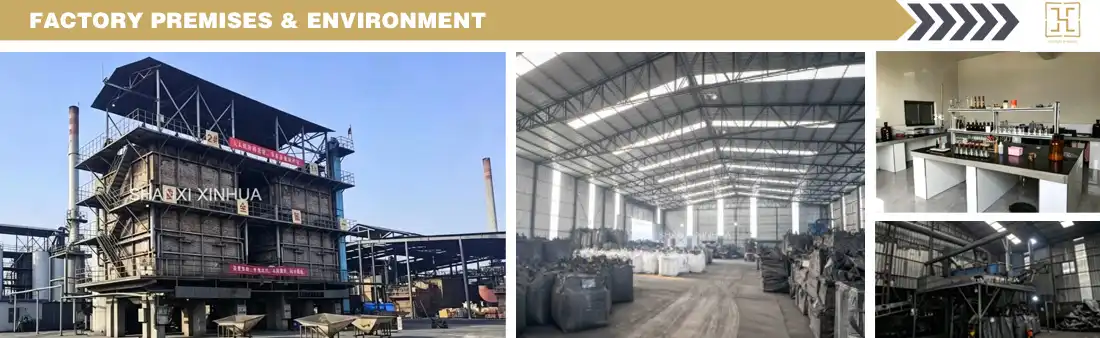
How reliable delivery is depends on how much production capacity and material there is. We have factories in Shanxi, Ningxia, Fujian, and Xinjiang that make a total of 45,000 tonnes of honeycomb goods every year and keep all of them in stock. Standard orders are sent out between 7 and 15 days, but emergency restocking through the "green channel" service is sent out in just three days. This is very important when compliance dates are coming up or unexpected equipment problems happen.
Key Purchasing Considerations
Depending on the product, the minimum order quantity is usually between 1 and 5 tonnes, but we can handle smaller amounts for tests and sample projects. Prices are based on both the cost of materials and the level of customisation needed. Standard 100-hole designs offer better economies of scale than specialised catalyst-loaded versions. When a customer commits to 20 tonnes or more, they get a volume discount, and long-term framework deals keep prices stable for projects that last more than one year.
When organising foreign buying, logistics coordination is important. Because we are strategically located near major transportation hubs, we can send anywhere in the country within 3 to 7 days through partnerships with specialised fleets and logistics companies. We set up multimodal shipping for exports and offer real-time tracking, custom-made protective packing to keep items from getting damaged during handling, and full customs paperwork support. The technical team can help with commissioning big setups on-site, making sure that airflow is distributed correctly and that the system is working as it should.
Conclusion
Coal-based honeycomb activated carbon works well because it has a structure that mixes a lot of surface area with little wind resistance. Industries that deal with large amounts of petrol save money on energy costs, save space, and get rid of petrol more efficiently than with traditional media. When engineering teams and procurement workers understand the adsorption mechanisms, performance factors, and procurement considerations, they can find the best answer for their air purification problems. Working with skilled makers who can offer technical customisation, dependable supply chains, and application support is the best way to make sure that projects are completed successfully and that regulations are always followed.
FAQ
What types of pollutants can honeycomb activated carbon remove effectively?
This material captures volatile organic compounds, including aromatic hydrocarbons (benzene, toluene, xylene), chlorinated solvents, ketones, and esters. It also adsorbs sulfur compounds like hydrogen sulfide and mercaptans, nitrogen compounds such as ammonia, and various odorous organic molecules. Heavy metal vapors and mercury present in flue gases can be captured through specialized loaded formulations of Coal-based honeycomb activated carbon.
How long does coal-based honeycomb carbon last in industrial applications?
Pollutant content, airflow rate, humidity, and working temperature all affect how long something will last. In normal VOC situations with inlet values of 100 to 500 mg/m³, it takes between 12 and 24 months to change the filter. For high-concentration applications, cycles may last between 6 and 12 months, while for low-concentration cleaning applications, cycles can last longer than two years. The most effective replacement sign is breakthrough tracking through outlet concentration measurement.
Can honeycomb activated carbon be customized for specific industrial requirements?
There are a lot of ways to change the pore shape, cell density, substrate measurements, and surface processes. We change the activation factors to help small molecules form micropores or bigger compounds form mesopores. By adding valuable metals or metal oxides to the catalyst, it is possible for adsorption and catalytic destruction to happen at the same time. Coatings that don't get wet and high-temperature formulas are used in tough settings. Specifications for dimensions can be changed to fit the shapes of current equipment.
Partner with Shanxi Xinhua Carbon Technology Industry Co., Ltd. for Superior Air Purification Solutions
Achieving reliable emission control requires more than standard products—it demands a Coal-based honeycomb activated carbon provider who understands your operational challenges and delivers tailored solutions. At Shanxi Xinhua Carbon Technology Industry Co., Ltd., our six decades of materials expertise and defense-grade quality systems ensure every shipment meets rigorous performance standards. We maintain a comprehensive inventory across all honeycomb configurations, enabling rapid deployment when compliance deadlines approach or emergency situations arise.
Our technical team collaborates with your engineers to optimize pore structure, cell density, and loaded components for your specific pollutant profile. Whether you need standard modules for VOC treatment towers or customized catalyst carriers for thermal oxidation systems, we provide responsive support from specification through commissioning. With production bases strategically positioned nationwide and global logistics capabilities, we deliver consistent quality wherever your operations require.
Contact our applications engineers at greta@carbonxinhua.com to discuss your air purification requirements. We offer sample evaluation programs, performance guarantees, and framework supply agreements that provide pricing stability for multi-year projects. Discover why leading environmental engineering contractors, petrochemical facilities, and industrial manufacturers trust Shanxi Xinhua as their coal-based honeycomb activated carbon manufacturer for mission-critical emission control applications.
References
1. Bandosz, T.J. and Ania, C.O. (2006). "Surface Chemistry of Activated Carbons and Its Characterization." Interface Science and Technology, Volume 7: Activated Carbon Surfaces in Environmental Remediation.
2. Marsh, H. and Rodríguez-Reinoso, F. (2006). "Activated Carbon." Elsevier Science, Oxford, United Kingdom.
3. Lillo-Ródenas, M.A., Cazorla-Amorós, D., and Linares-Solano, A. (2003). "Understanding Chemical Reactions Between Carbons and NaOH and KOH: An Insight into the Chemical Activation Mechanism." Carbon, 41(2), 267-275.
4. Rouquerol, J., Rouquerol, F., Llewellyn, P., Maurin, G., and Sing, K.S.W. (2014). "Adsorption by Powders and Porous Solids: Principles, Methodology and Applications." Academic Press, Second Edition.
5. Yang, R.T. (2003). "Adsorbents: Fundamentals and Applications." John Wiley & Sons, Hoboken, New Jersey.
6. Ruthven, D.M. (1984). "Principles of Adsorption and Adsorption Processes." Wiley-Interscience, New York.

Send Inquiry
You may like
_1781662034490.webp)