_1778553121707.webp)
Can coal-based honeycomb activated carbon improve industrial air quality?
Jul 13, 2026
Coal-based honeycomb activated carbon does a great job of cleaning the air in factories by effectively removing volatile organic compounds, harmful gases, and smell molecules from the exhaust. Its unique honeycomb structure allows for great airflow and longer contact time between pollutants and adsorption surfaces, which is why it can remove more than 90% of pollutants in many situations. The organised channel design lowers the pressure drop to below 500 Pa. Compared to regular granular media, this means that about 20% less energy is used. Because of this, honeycomb activated carbon is a better and more cost-effective way for industries with lots of emissions to meet environmental standards.
Introduction
Industrial facilities all over the United States are under more and more pressure to meet strict air quality rules while also keeping their operations running smoothly. Controlling airborne pollutants has never been more important, from coating lines for cars in Michigan to petrochemical refineries along the Gulf Coast. It can be hard for traditional air treatment methods to find a good balance between adsorption performance, energy use, and operational costs.
Activated carbon has been a key part of industrial air purification for a long time, getting rid of dangerous chemicals before they hit the air. There are many types of media, but Coal-based honeycomb activated carbon is becoming more popular because it can meet the needs of large-scale manufacturing processes. This unique substance blends advanced surface chemistry with structure engineering to clean things better than regular granular carbons.
Working with environmental engineering contractors and industrial plant managers in a range of industries has taught us that it's important to understand the technical details and real-world benefits of honeycomb carbon in order to get the most out of air treatment investments. This detailed guide tells procurement professionals, environmental engineers, and project managers everything they need to know to decide if this technology fits with their building's air quality goals and operational limitations.
Understanding Coal-Based Honeycomb Activated Carbon
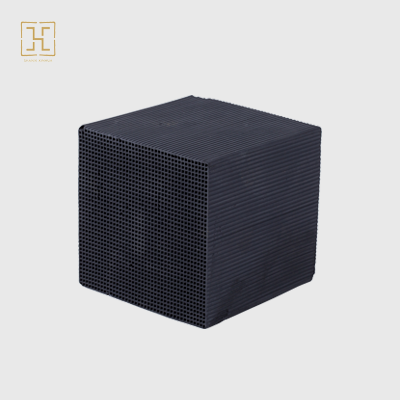
A major advancement in the design of adsorption media is represented by Coal-based honeycomb activated carbon. The material is made from high-quality bituminous or anthracite coal and goes through carbonisation and activation processes that make a large network of pores inside it. Honeycomb carbon is different from other types because it has an engineered macrostructure with parallel channels arranged in a way that looks like a bee's honeycomb.
Physical Structure and Design Principles
There are many parallel channels running through the whole block in a honeycomb configuration. Industrial-grade products usually have 100 to 150 channels per square inch. This design lets dirty air flow easily through the channels while making the most of the surfaces that adsorb things that are on the walls of each channel. The even channel geometry makes sure that the residence time stays the same, which is important for getting consistent removal rates even when operating conditions change.
Adsorption Mechanism and Pore Structure
Honeycomb carbon works well because its pores are organised in a hierarchy. Micropores smaller than 2 nanometres give small gas molecules like benzene and formaldehyde a lot of surface area to stick to. Mesopores with sizes between 2 and 50 nanometres make it easier for bigger organic chemicals to move into the micropore network. Macropores and the honeycomb channels themselves work like roads, letting gases move quickly through the material without causing too much backpressure.
Technical Specifications and Quality Parameters
The iodine value of high-performance 100-hole honeycomb carbon is between 450 and 850 mg/g, which means it has a lot of microporosity. The specific surface area of BET is usually between 500 and 900 m²/g, which means there are lots of places for molecules to stick to it. Quality goods have an adsorption capacity of 35% to 65% for carbon tetrachloride, which is a key sign of how well they work in the gas phase. In crushing tests, the mechanical strength is higher than 0.8 MPa. This means that blocks can be stacked high in adsorption towers without the structure breaking. Advanced versions that are resistant to moisture keep working even in places where the relative humidity is higher than 90%. This keeps the pores from getting clogged and the structure from weakening, which happen with regular carbons when they are wet.
Key Benefits and Industrial Applications
By using Coal-based honeycomb activated carbon, both environmental performance and practical costs get better in a way that can be measured. The structured design gets rid of a few problems that have been holding back the effectiveness of older adsorption systems.
Superior Adsorption Efficiency and Energy Savings
Instead of dense beds of granular carbon, the low-resistance airflow path through honeycomb channels greatly lowers the pressure drop. Normal systems can cause pressure drops of 1,000 Pa or more, but honeycomb installations usually work with less than 500 Pa. This drop directly lowers the amount of power used by the fan, which cuts energy costs by 20% or more in situations where the fan runs all the time. The organised channel structure also increases the time that gas and solid come into touch with each other to 1-2 seconds, which is a lot longer than what can be done with randomly packed granular beds. This makes removal rates for target VOC compounds higher than 90%.
Space Efficiency and System Integration
When adding air treatment devices to current infrastructure, industrial sites often don't have a lot of room. Because honeycomb carbon is very good at absorbing large amounts of volume, one adsorption tower can handle airflows over 10,000 m³/h without the need for multiple parallel vessels. This small footprint lowers the cost of installation and makes it easier to connect to existing ventilation systems. Because honeycomb blocks are modular, they can be used to make systems of different sizes and their capacities can be easily increased as production levels rise.
Diverse Industrial Applications
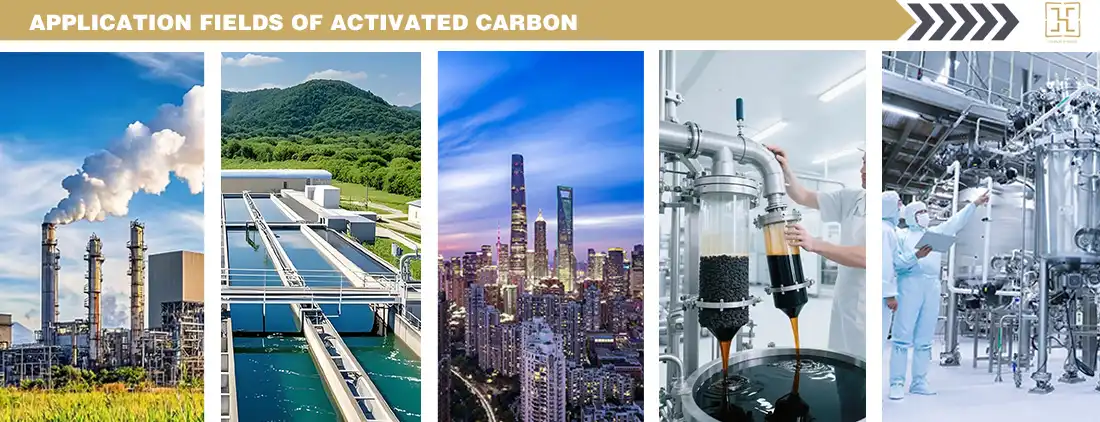
Honeycomb carbon has been used successfully in a wide range of industrial settings. In places like automobile and aircraft coatings, where spray painting creates a lot of VOC pollution, honeycomb adsorbers always meet the National Emission Standards for Hazardous Air Pollutants. These systems are used to control the vapours of solvents that come from cleaning and coating processes in electronics factories. Odour removal and VOC capture are good for printing operations because they protect worker health and community air quality. Honeycomb carbon is used in woodworking shops to deal with both the problem of fine dust and the problem of organic fumes from finishing operations.
Beyond direct emissions control, honeycomb carbon works well as a carrier for catalysts in VOC catalytic combustion reactors. The even channel geometry makes sure that the catalytic materials are spread out evenly, which speeds up the reaction and makes the catalyst last longer. Honeycomb filtration is used to keep the air quality in large public places like shopping malls, transportation hubs and airport concourses high. It gets rid of background pollutants and makes the air cleaner for people to breathe.
Regeneration Capability and Lifecycle Economics
Coal-based honeycomb carbon has strong mechanical qualities that let it be regenerated many times by thermal desorption or steam stripping. Granular carbons lose a lot of their structure when they are regenerated, but honeycomb blocks keep their shape through many heating and cooling cycles. Because it is durable, it lasts longer and doesn't need to be replaced as often, which lowers the total cost of ownership. If you keep your system in good shape, it can work for a few years before the carbon needs to be replaced. Every so often, regeneration brings the adsorption capacity back to almost its original level.
Comparing Coal-Based Honeycomb Activated Carbon with Other Activated Carbon Types
To choose the best form of activated carbon, you need to know how each form works in different industrial settings. Different types of carbon have different pros and cons that affect how well they work in different situations.
Honeycomb vs. Granular Activated Carbon
Granular activated carbon has been the workhorse of the industry for decades because it can be used in many ways and is simple to handle. Random packing, on the other hand, makes flow paths that are very winding, which greatly increases pressure drop, especially in high-velocity situations. Granular beds also show channelling phenomena, which means that gas runs through them more easily, skipping some parts of the carbon bed and making the whole process less effective. These problems can't happen with Coal-based honeycomb activated carbon because it has specially designed flow pathways that make sure gas is spread out evenly and there is little resistance.
Performance Against Phenolic and Wood-Based Carbons
Phenolic resin-based honeycomb carbons are very uniform and don't make a lot of dust, but they usually cost a lot more. They are also not as strong mechanically as coal-based alternatives, which makes them less useful for uses that need to be handled or regenerated often. Wood-based activated carbons are renewable, but their pores tend to be smaller, which makes them less effective against the wide range of molecular weights found in industrial exhaust streams.
Coal-based honeycomb carbon strikes a useful balance by offering strong mechanical qualities, the ability to absorb a wide range of substances, and a low cost that fits the budgets of large-scale industrial setups. The amount of ash in good coal-based products stays below 20%, which stops the secondary waste problems that come with lower-quality materials.
Cost Considerations and Value Analysis
The first costs of getting carbon change depending on the type. Carbons made from coconut shells cost the most per kilogram, followed by carbons made from wood and coal. But figuring out how cost-effective something is means looking at its whole lifecycle, which includes how much it costs to install, how much energy it uses, how much it costs to regenerate, and how often it needs to be replaced. When looking at the whole picture, coal-based honeycomb carbon often has the lowest total cost per tonne of pollution cleared. This is especially true in high-volume industrial settings where energy economy and durability save money by adding up.
Buying in bulk from reputable suppliers can save you even more money. For orders of more than one tonne, you can often get discounts of 15% to 25%. Setting up basic supply deals protects against changes in the market and disruptions in supply by keeping prices stable and making sure there is enough inventory.
Selecting and Procuring Coal-Based Honeycomb Activated Carbon for Industrial Use
The first step to successful procurement is to clearly define application requirements and match them with the right product specifications. This organised method lowers the chance of not meeting performance goals and makes sure that investments give the expected environmental and business benefits.
Defining Technical Requirements
First, describe the main contaminants in your exhaust stream, as well as the concentrations, temperature, humidity, and presence of particulates or condensable compounds. It is very important to know the type of VOC because smaller molecules, like acetone, need different pore arrangements than bigger aromatics, like toluene or xylene. The operating temperature affects both the thermodynamics of adsorption and the stability of the material. For applications above 60°C, special high-temperature formulations are needed.
Evaluating Product Specifications
Ask for technical datasheets with specific information like the iodine number, BET surface area, CTC adsorption capacity, compressive strength, moisture content, and ash content. Reliable providers give test certificates for each batch that list these factors. The iodine number shows the growth of micropores; readings above 800 mg/g usually mean that Coal-based honeycomb activated carbon has a lot of ability to absorb VOCs. The amount of CTC that can be used directly tells you how well it will work with chlorinated liquids and similar chemicals.
The size and density of the cells must match the form of your home. Standard blocks are 100 mm x 100 mm x 100 mm or 100 mm x 100 mm x 50 mm, but blocks can be made to any size needed for specific tasks. Cell density is usually between 100 and 150 channels per square inch. Higher densities give you more surface area, but they also make the pressure drop a little higher.
Certification and Quality Assurance
Make sure that your providers keep their ISO 9001 quality management certification, which shows that they keep quality under control all the way through the manufacturing process. ISO 14001 certifications for environmental management and ISO 45001 certifications for health and safety at work show that a company is producing goods in a responsible way. For products that will come into contact with water or be used in the food industry, they need extra certifications like NSF/ANSI 61 or FDA compliance.
Logistics and Supply Chain Considerations
Getting carbon for industrial use usually means getting several tonnes of it, which needs special handling and shipping. Make sure that your seller keeps enough product on hand to meet your needs within the time frames you set. Standard lead times for stock items are 7 to 15 days, while 15 to 30 days may be needed for custom formulations. Make it clear that the minimum order quantity is usually between one and five tonnes, but this depends on the type of goods.
Establishing Supplier Partnerships
Long-term relationships with suppliers offer stability and help with continuous improvement. Look for partners that offer technical support services like help with system design, speed issues, and advice on how to get the most out of regeneration. With OEM customisation options, you can change the properties of carbon to fit your needs, which could lead to better performance and lower costs.
Future Trends and Enhancements in Coal-Based Honeycomb Activated Carbon
Materials science advances and better production methods keep moving the activated carbon business forward. These new developments look like they will lead to better performance, a wider range of uses, and longer-lasting materials.
Advanced Surface Modifications
New methods for changing chemicals give Coal-based honeycomb activated carbon selective adsorption properties that let it pick up certain types of contaminants while ignoring harmless ones. When you impregnate metal, you add catalytic functionality, which lets some pollution be absorbed and burnt at the same time. The design of these hybrid adsorbent-catalyst materials is made easier because they combine two treatment steps into one unit operation.
Smart Monitoring Integration
By combining sensor technology with adsorption systems, it is possible to track performance in real time and plan maintenance ahead of time. Embedded sensors keep an eye on breakthrough curves, which lets operators find the best time for recovery and stop emission escapes. With wireless connectivity and cloud-based analytics platforms, treatment systems can be monitored from one place, making it easier for businesses with multiple locations to keep an eye on their operations.
Regulatory Drivers and Market Growth
In the United States, regulations are getting tighter about how much VOCs and other dangerous air pollutants can be released. The Clean Air Act's standards are still being tightened by the EPA, especially for ozone precursors and air toxics. These rules and regulations keep up the demand for air cleaning technologies that work well and efficiently.
Sustainability and Circular Economy Approaches
The activated carbon business is looking into more environmentally friendly ways to make their products, such as using waste from coal mining and creating activation methods that use less energy. Better regeneration technologies make carbon last longer, which uses fewer raw materials and makes less waste. Some companies are starting carbon recycling programs that take back used materials, fix them up so they work like new, and put them back to use. This is in line with the ideas of the circular economy.
Conclusion
The challenging needs of industrial air purification are met by Coal-based honeycomb activated carbon, which offers a compelling mix of technical performance, economic efficiency, and operating dependability. Its engineered structure gets around the problems with regular granular media, making it more effective at adsorption while using less energy and taking up less space. The material can be used in many different ways, from treating large amounts of waste gas in petrochemical plants to keeping the air quality in public places safe. This shows how useful it is in modern environmental control systems. As rules get stricter and businesses look for cheaper ways to follow them, honeycomb carbon stands out as a tried-and-true technology that can help with both present and future air quality problems.
FAQ
How long does honeycomb activated carbon last before it needs to be changed?
Service life varies on how many contaminants are present, how the system is used, and how often it is regenerated. Coal-based honeycomb activated carbon keeps working well for two to five years in normal industrial settings where it is regenerated on a regular basis. Since breakthrough times depend on real pollutant exposure rather than calendar time, continuous tracking of outlet amounts is the most accurate way to tell when regeneration or replacement is needed.
Can honeycomb carbon be regenerated, and how?
Yes, honeycomb carbon is made to be recycled more than once. Using hot air or steam at temperatures between 120°C and 150°C for thermal regeneration gets rid of the contaminants that have built up and restores the adsorption capacity to 85% to 95% of its original level. The strong mechanical structure can handle being heated over and over again without breaking down much. The frequency of regeneration can range from once a week to once a month, depending on the loading rates. Monitoring data helps determine the best scheduling.
What certifications should I verify when procuring honeycomb carbon?
Make sure that the makers keep their ISO 9001 quality management certification as proof that they have strict rules in place for the production process. Products meant for certain uses might need extra certifications, like NSF/ANSI 61 for use with drinking water, FDA compliance for use in the food business, or ASTM standard conformance for certain performance qualities. To make sure the specifications are met, ask for batch-specific test certificates that show the iodine value, CTC capacity, and mechanical strength.
Partner with Shanxi Xinhua Carbon Technology Industry Co., Ltd. for Superior Coal-Based Honeycomb Activated Carbon Solutions
When businesses have problems with air quality, they need partners they can trust who have both technical knowledge and proven manufacturing skills. Shanxi Xinhua Carbon Technology Industry Co., Ltd. has been researching and developing activated carbon for more than 60 years and has been making a lot of it for more than 20 years. They serve environmental protection contractors, petrochemical facilities, and manufacturing plants all over the world. Our network of suppliers for Coal-based honeycomb activated carbon includes several production bases that keep a full stock of 100-hole and 150-hole configurations, guaranteeing delivery within 7 to 15 days for standard orders and quick 3-day fulfilment for urgent compliance projects.
We work closely with top research centers to provide honeycomb carbon solutions that are specifically designed for your contaminant profile, operating conditions, and performance goals. Our defense-grade quality systems make sure that all of our products meet the same standards. Our ISO 9001, ISO 14001, and ISO 45001 certifications show that we are dedicated to making greatness, protecting the environment, and keeping our workplaces safe. Whether you need formulations that can withstand high temperatures for catalytic applications or types that can't be damaged by water for damp environments, our expert team can help you with all aspects of your application, from system design to operational optimisation.
Contact our procurement specialists at greta@carbonxinhua.com to discuss your industrial air purification requirements. Request technical datasheets, performance validation reports, or evaluation samples to verify how our Coal-based honeycomb activated carbon can enhance your facility's environmental compliance and operational efficiency.
References
1. Bansal, R.C. and Goyal, M. (2005). Activated Carbon Adsorption. CRC Press, Boca Raton, Florida.
2. Marsh, H. and Rodríguez-Reinoso, F. (2006). Activated Carbon. Elsevier Science, Oxford, United Kingdom.
3. Yang, R.T. (2003). Adsorbents: Fundamentals and Applications. John Wiley & Sons, Hoboken, New Jersey.
4. Derbyshire, F., Jagtoyen, M., Andrews, R., Rao, A., Martin-Gullon, I., and Grulke, E. (2001). "Carbon materials in environmental applications." In Chemistry and Physics of Carbon, Volume 27, Marcel Dekker, New York.
5. Crittenden, J.C., Trussell, R.R., Hand, D.W., Howe, K.J., and Tchobanoglous, G. (2012). MWH's Water Treatment: Principles and Design, Third Edition. John Wiley & Sons, Hoboken, New Jersey.
6. Khan, F.I. and Ghoshal, A.K. (2000). "Removal of volatile organic compounds from polluted air." Journal of Loss Prevention in the Process Industries, Volume 13, Issue 6, pages 527-545.

Send Inquiry
You may like
_1781662034490.webp)