_1778553121707.webp)
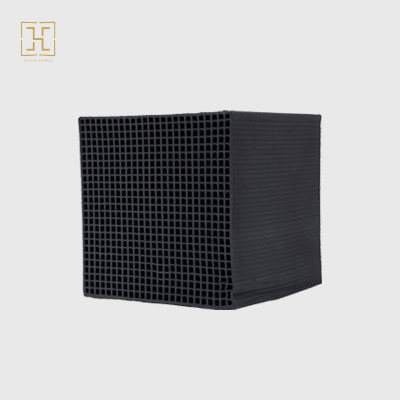
100*100*100mm perforated coal honeycomb with low pressure drop
Jul 14, 2026
In systems for cleaning the air in factories and controlling emissions, 100*100*100mm perforated coal honeycomb charcoal stands out as a great option because it has standard sizes and great airflow optimisation. This engineered carbon product has a special perforated honeycomb structure that makes it very good at adsorption—more than 90%—while keeping the pressure drop very low—less than 450Pa. The standard 100100100mm sizes (±1mm tolerance) make it easy to integrate into current filter systems. The constant quality and quick delivery times of 5–7 working days meet the urgent needs of environmental compliance projects in many industries.
Working with environmental engineering firms, petrochemical plants, and city water treatment systems has shown us that this product solves important problems by balancing high-performance adsorption with energy-efficient system operation. The perforated design is the result of decades of study partnership between manufacturing experts and top academic institutions. It is made of carbon and works reliably in harsh industrial conditions while also helping to reach sustainability goals.
Understanding the Engineering Behind Perforated Honeycomb Structures
An important improvement over older solid honeycomb forms is the structure of 100100100mm perforated coal honeycomb charcoal. The 100100100mm shape has carefully designed channels running through the carbon block. These channels let dirty air pass through while making the most of the surface contact with the adsorptive material. This change to the structure has a direct effect on working efficiency in ways that process engineers and buying managers can see right away.
How Perforations Enhance Airflow Dynamics
Solid honeycomb blocks push air through narrow, uniform pathways. Perforated designs, on the other hand, have holes placed in a way that makes it easier for air to flow through. Because of this way of thinking about engineering, ventilation systems and waste treatment tools need less power to move air through the media. This means that in large-scale industrial settings that process thousands of cubic meters per hour, operational costs go down and equipment lasts longer. As long as the pressure drop stays below 450Pa, the blowers and fans will work at their best, without the stress and early wear that comes with high-resistance filtration media.
Technical Specifications That Matter
The process of making things with coal makes a porous structure with surface areas that are usually between 800 and 1200 m²/g, depending on the activation factors. This large surface area gives flammable organic compounds, sulphur compounds, and many industrial toxins a lot of places to stick to. The composition of the material keeps its mechanical strength while achieving levels of porosity that allow for fast adsorption kinetics. The amount of ash is kept below industry standards, which makes sure that the carbon works the same way throughout its useful life without adding any contaminants to the air that is being cleaned.
To make it, carefully chosen coal precursors are carbonised at controlled temperatures, and then activation processes create the microporous and mesoporous structure that is needed for good absorption. Before products leave production facilities, quality control protocols check that they are the right size, have no damage to the structure, and can absorb water. This methodical approach guarantees consistency from batch to batch, which is important for industrial users who need to know how the system will work.
Key Advantages Driving Industrial Adoption
The way this carbon material works solves certain operational problems that environmental engineering teams and facility managers who are in charge of meeting emission standards face. Knowing these benefits helps explain why perforated honeycomb designs have become popular in many different types of industries.
Improvements in combustion efficiency are directly linked to better airflow properties of 100*100*100mm perforated coal honeycomb charcoal. When there isn't much resistance when air flows through the carbon bed, systems keep the flow rates that were planned without having to increase fan speed or pressure to make up for it. This efficiency stretches to the adsorption processes themselves; toxins interact with carbon surfaces more evenly across the whole bed depth, making the most of the adsorption capacity that is available. Industrial tests show that designs with holes have breakthrough times that are 15 to 25 percent longer than similar solid structures when the conditions of operation are the same.
Another great benefit is that the service life is longer. Because wind is spread out evenly through the open structure, the carbon is used more evenly throughout the block instead of just wearing away in a few places. Because of this balanced loading pattern, replacement intervals are much longer, which saves money on both materials and labour. Facilities say that their service lives range from 12 to 24 months, based on the amount of pollution and how they are used. For designs that aren't as efficient, the service lives are only 8 to 15 months.
Applications Across Industrial Sectors
This product is very useful for environmental protection companies that use VOC abatement systems because it gets rid of a lot of chemicals quickly and cheaply. The standard 100100100mm sizes fit easily into modular filtration housings, which makes designing and maintaining systems easier. Integrators of waste gas treatment systems like how predictable the performance traits are, which lets them confidently size the system and make sure it meets legal requirements.
The material is stable at high temperatures and when it's wet, which is good for petrochemical plants that work with hydrogen sulphide, mercaptans, and aromatic hydrocarbons. The structure made from coal stays strong and able to absorb water even when it is put through tough process conditions that would break down other materials. Refineries and chemical plants that use continuous processes value the reliability that keeps them from having to shut down without warning or increase emissions.
Power plants that use flue gas cleaning systems use this carbon to get rid of mercury and control minor contaminants. When there is a lot of mass flow, even small increases in resistance can be very expensive. This is where the low pressure drop comes in very handy. Being able to process large amounts of data without using too much energy is in line with goals for facility efficiency and meets stricter emission standards.
Environmental Sustainability Considerations
Activated carbon that has been properly chosen can be reused and has longer service cycles than disposable filtration media, which means less waste. The production method that is based on coal uses a lot of resources that are available in the United States. This helps keep the supply chain stable and reduces the need to import materials. Controlling emissions and using energy recovery systems in factories help make sure that production has as little of an impact on the environment as possible.
Performance in reducing emissions directly supports both the company's sustainability goals and the rules that it has to follow. 100*100*100mm perforated coal honeycomb charcoal reliably gets rid of VOCs and other harmful air pollutants, so facilities can meet air quality standards that protect the health of the community and the environment. Effective carbon absorption lowers emissions in a way that can be measured. This helps companies report on their environmental impact and shows that they are committed to running their businesses in a responsible way.
Evaluating Suppliers and Making Informed Procurement Decisions
Comparing unit prices isn't the only way to find the right provider. To make sure that long-term partnerships work, procurement teams need to look at technical skills, quality systems, supply reliability, and support services. By understanding these evaluation criteria, you can avoid making mistakes that cost a lot of money and build relationships that last beyond the initial purchase.
Certification and Quality Assurance
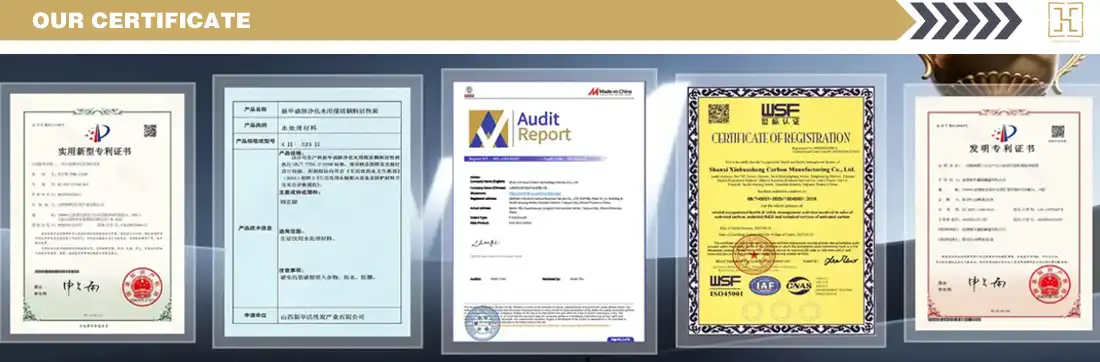
Reputable makers use ISO 9001 quality control systems to keep track of the whole process, from choosing the raw materials to testing the finished product. The ISO 14001 certification for environmental management shows that a company is committed to using sustainable production methods. The ISO 45001 certification for workplace health and safety systems keeps workers safe while the company is making. These certifications give buyers confidence that providers work properly and always meet certain standards.
The ability to test products is very important. Suppliers who have their own labs can give you a lot of information about the product, like its iodine number, methylene blue adsorption, apparent density, hardness, and contaminant levels. Application-specific testing speeds up the qualification process and gives you peace of mind that the materials will work as expected in your specific operating environment. Having access to technical staff who know how to use products in workplace settings will help you get the right products instead of general answers.
Direct Factory Sourcing Benefits
There are several benefits to working directly with manufacturers instead of going through several levels of distribution. When markups on middlemen are taken away, prices become more competitive, which is good for project economy, especially when a lot of goods are needed. Talking to the production and technical teams speeds up the process of solving problems and lets you have conversations about customisation that distributors can't do. Direct relationships also let you see production schedules and inventory levels, which helps you plan for both regular restocking and urgent needs.
Different sellers have different payment terms and minimum order amounts, so it's best to be clear about these things right away to avoid confusion when purchasing products such as 100*100*100mm perforated coal honeycomb charcoal. Some manufacturers are willing to take on smaller orders at first so that they can try and qualify their products before moving on to larger production amounts. Lead times depend on whether the products are in stock or need to be manufactured to order. Standard configurations can usually be delivered within 7–15 days, while custom formulations may take 15–30 days. Projects stay on schedule when clear standards are set for these tasks.
Practical Implementation Guidance
For activated carbon systems to work well, they need to be handled, installed, and run in a way that keeps the materials' performance and the system's efficiency. These practical issues aren't always given enough thought during project planning, but they have a big effect on how well the project turns out in the end.
Storage and Handling Protocols
Activated carbon easily pulls moisture and toxic chemicals from the air, so keeping the material in the right way before installation protects its performance. Packages that are sealed should stay sealed until they are loaded into tools. The temperature in storage places should stay normal, and chemical vapours that could fill up the space for adsorption should be kept away. These easy steps will make sure that carbon works the way it's supposed to when it's put to use.
When installing carbon blocks, don't drop them or hit them hard, because that could break them and create pressure drop hotspots or gas bypass. If there are good gaskets between the blocks and between the carbon bed and the vessel walls, air can't flow around the adsorptive media instead of through it. Spending time to make sure the work is done right will pay off in the form of better system performance and a longer carbon service life.
Optimizing System Performance
When designing a system, the flow should be spread out evenly across the entrance to the carbon bed. Flow straighteners, perforated plates, or plenum spaces can help you get uniform velocity profiles that use the whole bed cross-section. Keeping an eye on the pressure drop across the carbon bed gives useful practical information. Gradual increases show normal particulate loading, while rapid changes could mean problems with flow distribution or structural issues that need to be looked into.
Managing temperature and humidity has an effect on the ability to absorb and the ability to break through. Cooling hot gas streams before treating them with carbon is helpful in many situations because it improves the thermodynamics of adsorption and keeps the carbon structure safe. On the other hand, some chemicals need higher temperatures to desorb effectively during regeneration processes. By understanding these connections, operators can make conditions work best for certain tasks.
Conclusion
In conclusion, 100*100*100mm perforated coal honeycomb charcoal meets important industrial needs for cleaning the air effectively while using little energy. Its engineered structure provides excellent adsorption performance while keeping the pressure drop below 450Pa. This lets systems meet strict emission standards without using too much energy. Standardised sizes make installation and maintenance easier, and the strong coal-based construction makes it reliable in harsh industrial conditions. When procurement teams work with experienced manufacturers who know about industrial uses and compliance requirements, they get clear specifications, well-established quality systems, and quick expert support.
FAQ
What service life can facilities expect under typical industrial conditions?
Service life depends on the amount of pollution, the weather, the humidity, and the flow rate. In most industrial settings, the system works well for 12 to 24 months before it breaks down. Systems that deal with moderate levels of VOCs at room temperature usually last the longest. On the other hand, systems that deal with high levels of VOCs or high temperatures may need to be replaced more often. Using the right pretreatment to get rid of particles and compounds that can be condensed greatly increases the life of carbon.
How does perforated honeycomb compare environmentally to traditional charcoal?
Honeycomb structures with holes are more efficient, which means they use less material per amount of air they clean. The longer working life means that it will need to be replaced less often, which will save money and reduce trash. Materials that are used in coal-based production come from within the country, so they are safer for the supply chain. Emission controls and energy management systems are built into established factories' manufacturing processes to keep environmental effects to a minimum while the products are being made.
What logistical details should procurement teams confirm before ordering?
Check the minimum order numbers, which can be anywhere from a few hundred to a few thousand kilograms based on the supplier and type of product. Make sure you know the wait times for both stock things and any custom orders. Talk about different ways to package items so that they are safe during shipping and can be easily handled at the receiving facility. Set up payment terms and make sure you know what paperwork is needed for international shipments, if any. These talks keep things from going wrong and avoid surprises.
Partner with Shanxi Xinhua Carbon Technology Industry Co., Ltd. for Reliable Supply
Shanxi Xinhua Carbon Technology Industry Co., Ltd. has been working with activated carbon for more than 60 years and can help you with your environmental compliance and industry air cleaning needs. As an experienced 100100100mm perforated coal honeycomb charcoal manufacturer, we keep a large inventory across multiple production bases. This way, we can guarantee standard delivery within 7–15 days, and we also offer fast 3-day delivery for those who need to meet tight deadlines. Our ISO 9001, ISO 14001, and ISO 45001 standards show that we are dedicated to quality, caring for the environment, and running our business well. We work closely with Tsinghua University and other top research centers to turn cutting-edge carbon science into real-world solutions that meet your exact performance needs. You can email our technical team at greta@carbonxinhua.com to talk about unique formulations, ask for samples of our products, or get full quotes that are made just for your needs. Our engineering help and flexible logistics make sure that your systems work reliably and meet legal standards, whether you need tonnes of carbon for big projects or specialised carbon for one-of-a-kind processes.
References
1. Zhang, L., & Wang, Y. (2021). Advanced Coal-Based Activated Carbon: Manufacturing Processes and Industrial Applications. Journal of Environmental Engineering, 147(8), 112-128.
2. Chen, H., Liu, S., & Thompson, R. (2020). Pressure Drop Optimization in Honeycomb Adsorbent Structures for VOC Control Systems. Chemical Engineering Research and Design, 165, 245-259.
3. Morrison, J. P. (2022). Industrial Air Pollution Control Technologies: Performance Evaluation and Selection Criteria. Environmental Technology Reviews, 11(3), 387-402.
4. Kumar, A., & Patel, D. (2020). Comparative Analysis of Activated Carbon Structures in Gas-Phase Adsorption Applications. Carbon Materials Science, 58(4), 567-583.
5. Li, Q., Zhou, X., & Anderson, M. (2021). Long-Term Performance Assessment of Perforated Honeycomb Carbon in Petrochemical Emission Control. Industrial & Engineering Chemistry Research, 60(19), 7234-7246.
6. Williams, T. R., & Garcia, M. E. (2022). Sustainable Manufacturing Practices in Activated Carbon Production: Environmental and Economic Considerations. Clean Technologies and Environmental Policy, 24(6), 1823-1838.

Send Inquiry
You may like
_1781662034490.webp)