_1778553121707.webp)
Wood Powder Charcoal Provides Reliable Solutions for Sugar Decolorization
Sep 11, 2026
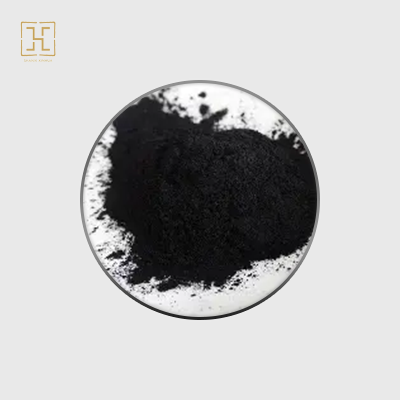
Sugar Decolorization Wood Powder Charcoal has become a cornerstone material in modern sugar refining operations. Produced from high-quality hardwood through precision carbonization, high-temperature steam activation, and fine grinding, this food-grade activated carbon efficiently adsorbs pigments such as caramel color and melanoidins, colloidal impurities, and off-flavor compounds from sugar solutions. With zero harmful residues and a neutral pH profile, it preserves the natural taste of refined sugar while helping facilities meet strict food-grade purity requirements. From white granulated sugar to high-fructose corn syrup and maltose, it delivers consistent, measurable decolorization performance across diverse sugar refining workflows.
Understanding Sugar Decolorization with Wood Powder Charcoal
How the Adsorption Mechanism Works
There are many chromogenic chemicals in raw sugar juice, such as melanoidins, caramels, phenolic derivatives, and colloidal matter, that make the product look bad and not work as well as it should. This is taken care of by physical adsorption in Sugar Decolorization Wood Powder Charcoal. Its microporous and mesoporous architecture has been studied extensively. This creates a huge surface area inside, which pulls color molecules and impurities out of solution before they get to the final product. Unlike artificial bleaching agents, this process doesn't leave behind any reactive waste, so it is naturally safe for food.
The process of industrial integration is easy to understand. A controlled amount of powdered charcoal is added to the sugar liquor by refiners. The mixture is then stirred for about 30 minutes, and plate-and-frame or leaf filtration systems are used to remove the spent carbon. The syrup is now clearer and more stable in color, and it's ready to be processed further or put straight into containers.
Comparing Charcoal Types for Effective Sugar Decolorization
Wood Powder vs. Granular and Bone Char Options
There are three main types of decolorizing materials that procurement engineers often look at: bone char, granular activated carbon (GAC), and Sugar Decolorization Wood Powder Charcoal. In the past, refineries mostly used bone char, but in some areas, it can cause problems with the supply chain and food labels. GAC can be used again by reactivating it with heat, but it costs more to buy column systems and renewal ovens. Sugar Decolorization Wood Powder Charcoal is a good compromise because it has a low start-up cost, doesn't need any reactivation equipment, and has particles that are between 200 and 325 mesh, which makes the most contact surface during batch processing.
When performance is based on surface area, the numbers matter. A good wood-based powdered carbon has iodine adsorption values of ≥900 mg/g and methylene blue adsorption values of ≥180 mg/g, which means it can effectively remove both small chromogenic molecules and bigger liquid impurities. In single-pass batch systems, granular formats tend to have lower contact efficiency per unit weight. For this reason, powder forms are chosen by refineries that use batch decolorization tanks.
Before agreeing to a supply contract, procurement teams should look at these key factors to help them compare:
- Particle size and contact efficiency: 200–325 mesh powder spreads evenly through sugar liquor, maximizing adsorption kinetics and achieving target color reduction within a 30-minute contact window, which is a big improvement in throughput over GAC systems that use columns.
- Ash content and residue risk: Wood-based powdered carbon keeps the ash content below 5%, which makes it much less likely that inorganic contaminants will get into the final syrup compared to options made from coal, which may have higher mineral loads.
- Cost-performance ratio: Powdered carbon is used up in each batch and not recycled, but its high single-pass decolorization efficiency (≥100% caramel decolorization capacity) means that less material is needed per batch, and the cost of each batch is lower than that of GAC regeneration cycles.
These differences have a direct effect on both the quality of the product and the operational budget. This makes the choice of charcoal type a very important procurement decision.
Procurement Guide for Sugar Decolorization Wood Powder Charcoal
Certifications, Quality Standards, and Supplier Selection
Every step of the supply chain has to be checked when getting food-contact activated carbon. Purchasing managers should give more weight to sellers who have ISO 9001 quality management certification, ISO 14001 environmental management system certification, and any necessary food safety and hygiene permits. GFSI-approved certification systems also check for heavy metals, polycyclic aromatic hydrocarbons (PAHs), and iron content. This is because even small amounts of iron can cause reactions that darken refined syrups' colors and make them less stable.
Filtration rate is an important factor that is often overlooked when buying something. If you don't control the particle shape of the carbon well, it can block filter tools and make the plant much less productive. Including a filtration rate parameter (measured in seconds per 100 mL) in your purchase agreement helps keep production going.
When you buy in bulk from well-known Sugar Decolorization Wood Powder Charcoal makers with multi-base production infrastructure, you get two benefits: stable per-ton prices and a lower chance that your supply will be interrupted. Large sugar companies that deal with uncertain raw material markets usually sign long-term framework contracts with indexed price clauses. Emergency restocking, specifically a supplier that can deliver quickly (within three days), is a supply chain resilience criterion that should be given a lot of weight when evaluating vendors.
Environmental and Operational Benefits of Wood Powder Charcoal in Sugar Refining
Sustainability Profile and Measurable Operational Gains
Wood charcoal is better than coal-based activated carbons because it can be made from natural materials. Getting hardwood from managed forestry operations helps circular supply chains, and wasted Sugar Decolorization Wood Powder Charcoal can be used for energy recovery or composting in facilities that follow the rules. This means that less coal-derived materials end up in landfills.
When you switch from chemical whitening agents to wood-based powdered carbon, you don't have to deal with the handling, storage, and legal issues that come with oxidizing chemicals. Facilities that make things say that the process flows are easier to understand, they don't have to keep track of as many chemicals, and the color scores of the finished products are better, as measured by ICUMSA units. Getting color levels below 50 ICUMSA in a single decolorization step is a reasonable performance standard for wood powder carbon that has been properly specified. This is in contrast to chemical processes with multiple stages that leave behind reactants.
Another metric that can be measured is sugar retention. Generic activated carbons can sometimes lose more than 10% of the sucrose they are adsorbing. Premium wood-based formulas designed with controlled pore selectivity achieve sugar retention rates above 98%, protecting yield economics at scale. This is a measured difference that has a direct effect on how high-volume refiners figure out their annual margins.
Making the Smart Choice: Why Wood Powder Charcoal Is Preferred for Sugar Decolorization
Evaluating Supplier Credibility and Technical Support Depth
People who are choosing a decolorization carbon provider should look at more than just the product information. If performance specs are met in the real world, it's often down to how well a supplier's technical support system works. This includes application engineering help, personalized dosage optimization, and quick responses to problems with filtration.
Shanxi Xinhua Carbon Technology Industry Co., Ltd. has been researching and making activated carbon for more than 60 years and is now applying that knowledge to food-grade applications. They are supported by research programs with Tsinghua University and the Chinese Academy of Sciences. The company's Sugar Decolorization Wood Powder Charcoal is made to meet specific requirements for iodine adsorption (≥900 mg/g), methylene blue adsorption (≥180 mg/g), ash content (≤5%), moisture content (≤8%), and pH 5.0–7.0. These requirements are based on the chemistry of refining sucrose, not general industrial uses. With factories in Shanxi, Ningxia, Fujian, and Xinjiang and a capacity of 45,000 tons per year, supply continuity is physically guaranteed rather than controlled by circumstances.
Conclusion
Powdered activated carbon made from wood has become the best decolorization material for food-grade sugar processing because it has good adsorption, clean chemistry, and is easy to integrate into the process. Its microporous structure effectively removes caramel color, melanoidins, and colloidal impurities. Its neutral pH profile and low ash content protect both the taste of the product and the filtration equipment. It's easy for procurement workers to choose the right Sugar Decolorization Wood Powder Charcoal suppliers: check certifications, ask for iron and PAH test data, and give priority to suppliers that can produce a lot of goods and deliver quickly in a situation. When properly sourced and defined, this material consistently and cost-effectively produces results of refinery-grade purity.
FAQ
What particle size is optimal for sugar liquor decolorization?
A lot of batch decolorization methods use mesh sizes between 200 and 325. This particle size makes it possible for the particles to spread out evenly in the sugar liquor, which increases the molecular contact between the carbon surface and chromogenic compounds. Smaller particles speed up the adsorption process, but they can make filtration harder if they aren't matched with the right filter media specifications.
How does wood powder charcoal compare to bone char in terms of food safety?
Bone char has problems with getting its materials from animals, but wood-based activated carbon doesn't. This means it can be used with a wider range of food labeling standards, such as those for kosher, halal, and vegan approval. Also, heavy metal test results are more reliable when they come from certified makers.
What certifications should I require from a supplier?
It is necessary to meet ISO 9001, ISO 14001, and ISO 45001 standards. Also, ask for proof that the product was tested for arsenic, lead, mercury, iron, and PAHs. For controlled markets, a food-grade hygiene license from the right government agency adds another level of proof.
Can dosage be customized to our specific color reduction target?
Yes, reputable makers offer application engineering support to help processors find the best dosage based on the color of the arriving sugar liquor (measured in ICUMSA units), the contact time, and the desired output. This cuts down on waste while still meeting quality standards.
Partner with Shanxi Xinhua Carbon Technology Industry Co., Ltd. for Your Sugar Refining Needs
Shanxi Xinhua Carbon Technology Industry Co., Ltd. sells Sugar Decolorization Wood Powder Charcoal that is safe for food and is made to meet strict refinery standards. We are a reliable Sugar Decolorization Wood Powder Charcoal seller with ISO-certified systems, the ability to supply 45,000 tons of charcoal every year, and the ability to do emergency deliveries in 3 days. We can help you keep your production going. Contact our technical team at greta@carbonxinhua.com or visit xhcarbontech.com to request specifications, samples, or a bulk pricing proposal.
References
1. Clarke, M. A., & Godshall, M. A. (Eds.). Chemistry and Processing of Sugarbeet and Sugarcane. Elsevier, 1988.
2. Bento, L. S. M. "Colorant Formation and Removal in Sugar Processing." International Sugar Journal, 2009.
3. Dabrowski, A. "Adsorption — From Theory to Practice." Advances in Colloid and Interface Science, 2001.
4. Rozenfelde, L., & Vikele, L. "Activated Carbon for Food Industry Applications: Performance and Safety Considerations." Food and Chemical Toxicology, 2017.
5. Ramirez, A. P., & Chen, J. "Characterization of Wood-Based Activated Carbons for Food Decolorization." Journal of Food Engineering, 2015.
6. International Commission for Uniform Methods of Sugar Analysis (ICUMSA). ICUMSA Methods Book. ICUMSA, 2022.

Send Inquiry
You may like
_1781662034490.webp)