_1778553121707.webp)
Wood-Based Powdered Activated Carbon for Fast Color and Impurity Removal
Sep 14, 2026
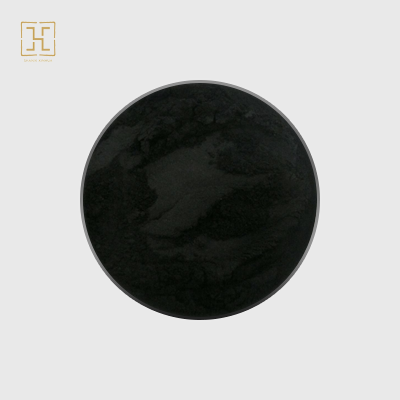
Wood-based powdered activated carbon is a high-performance decolorization and purification material produced from premium hardwood through precise carbonization, high-temperature steam activation, and fine grinding. Its uniquely developed microporous structure delivers faster adsorption kinetics, superior pigment and colloid capture, and significantly lower ash residue compared to coal-based alternatives. Industries with strict purity demands—from pharmaceutical intermediate refinement to beverage clarification and ultra-pure water production—rely on this material to protect final product quality. This guide helps B2B procurement professionals understand the science, selection criteria, and sourcing strategy behind this critical industrial adsorbent.
What Is Wood-Based Powdered Activated Carbon and How Does It Work?
This absorbent material comes from oak that was harvested in a way that doesn't harm the environment. Wood-based powdered activated carbon goes through carbonization and then high-temperature steam activation, which makes a complex network of pores inside it with a specific surface area that is usually between 1,000 and 1,600 m³/g. That huge internal surface is what lets contaminants be taken in quickly.
The Adsorption Mechanism Behind Its Performance
When dissolved pigments, colloidal particles, or compounds that cause smells touch the carbon surface, they are pulled into the pore matrix by Van der Waals forces and stay there. Coal-based carbon doesn't have as many mesopores (2–50 nm) as carbon from wood, so wood-derived carbon can catch bigger organic molecules much more quickly. Its mesopore dominance is shown by methylene blue absorption values of 180–220 mg/g, and its micropore activity for smaller particles is shown by iodine values of 900–1,000 mg/g.
Renewable Origin and Environmental Alignment
Hardwood feedstock, on the other hand, is a resource that can be used over and over again. This is important for businesses that have ESG obligations or sourcing policies that need to see proof of their sustainable credentials. The lower ash content (usually less than 3–5%) also means that fewer inorganic residues enter your process stream, which means that you don't have to clean up as much afterward.
Advantages and Applications Across Key Industries
When procurement engineers work with both coal-based and wood-based powders, they constantly find differences in how fast the powders lose their color and how uniform each batch is. The difference in performance is especially big in situations where touch time is short or where product purity limits are tight.
Here are the core advantages that make Wood-based powdered activated carbon a preferred choice across demanding sectors:
- Superior decolorization efficiency: Methylene blue levels of 180–220 mg/g and a 99.5% particle passing rate at 200 mesh (75 μm) make sure that the color is evenly distributed and that the whole surface is used in liquid-phase treatment. This directly leads to better, more consistently colored finished goods in the processing of drinks, sugar, and food oils.
- Pharmaceutical-grade purity: This material meets USP and food safety standards because it has low levels of heavy metals (less than 2 mg/kg for lead and less than 1 mg/kg for arsenic) and less than 5 percent ash. It is used by drug companies to get rid of chromogenic impurities in API intermediates without adding any new contaminants.
- Low filtration resistance: If the pressure drop is less than 0.1 MPa, your plate-and-frame filters, precision filtration units, and diatomite-assisted systems will work as they are. Even when throughput is high, energy use stays under control.
These advantages collectively address the compliance and quality pressures that procurement managers in water treatment, food processing, and chemical production deal with the daily stresses of quality and compliance. When the difference in color between batches stays below 5%, it's easier to plan production, and there are fewer complaints about quality.
Comparing Wood-Based Powdered Activated Carbon with Other Activated Carbons
To pick the best adsorbent, you need to be honest about how you compare the material's origin, pore structure, and performance costs. The main differences are shown in the table below:
| Parameter | Wood-Based Powder | Coal-Based Powder | Coconut Shell Granule |
|---|---|---|---|
| Specific Surface Area | 1,000–1,600 m²/g | 800–1,200 m²/g | 1,000–1,200 m²/g |
| Methylene Blue Value | 180–220 mg/g | 120–160 mg/g | 100–150 mg/g |
| Ash Content | <3–5% | 8–15% | <3% |
| Dominant Pore Type | Mesopore-rich | Micropore-dominant | Micropore-dominant |
| Primary Application | Decolorization, purification | Gas adsorption, VOC control | Water filtration, gas masks |
Wood-based powdered activated carbon works especially well when it's important to get rid of large molecules of impurities and keep the color clear. Coconut shell carbon works well in gas-phase uses that depend on micropores, but its granular structure makes it less effective at decolorizing liquids. Carbon that comes from coal has more ash in it, which can get into sensitive process streams and make them dirty.
Cost-Effectiveness Over the Full Procurement Cycle
The higher decolorization capacity per gram makes it possible to use less, which cancels out the difference in unit price. Labor and energy costs per production batch are also lower when filtration processes are faster. Over the course of a 12-month contract, these factors make the total cost of ownership clearly favor high-quality materials made from wood.
How to Select and Use Wood-Based Powdered Activated Carbon for Optimal Results
To choose the right grade, you must first list the specific needs of your application, such as the target molecular weight of the contaminant, the level of color reduction needed, the acceptable pressure drop, and the regulatory compliance framework. Wood-based powdered activated carbon selection requires defining these parameters to ensure efficiency.
Key Selection Criteria for B2B Procurement
Fit the size of the screen to the way you filter things. Most industry lines that clean liquids can use a 200-mesh grade. 325- or 500-mesh types are better for uses that need smaller particle distribution, like processing pharmaceuticals for injection. Before placing a large order, you should always ask for certified test results that show the iodine value, the methylene blue value, the ash content, the moisture content, and the pH.
Application Best Practices
Keep the storage temperature below 8% to keep the binding ability while it is being stored. In liquid-phase uses, a normal dosage range of 0.5–2.0 g/L is enough to treat most types of water and drinks. However, pharmaceutical intermediates may need different rates depending on the amount of contaminants present. Before going from small test runs to full production runs, make sure that it will work with the filtration equipment you already have.
Leading Suppliers of Wood-Based Powdered Activated Carbon
The global market includes manufacturers across China, the US, and Europe. Before signing long-term contracts with providers, it is important to look at their qualifications, production size, level of expert support, and ability to keep supplying goods.
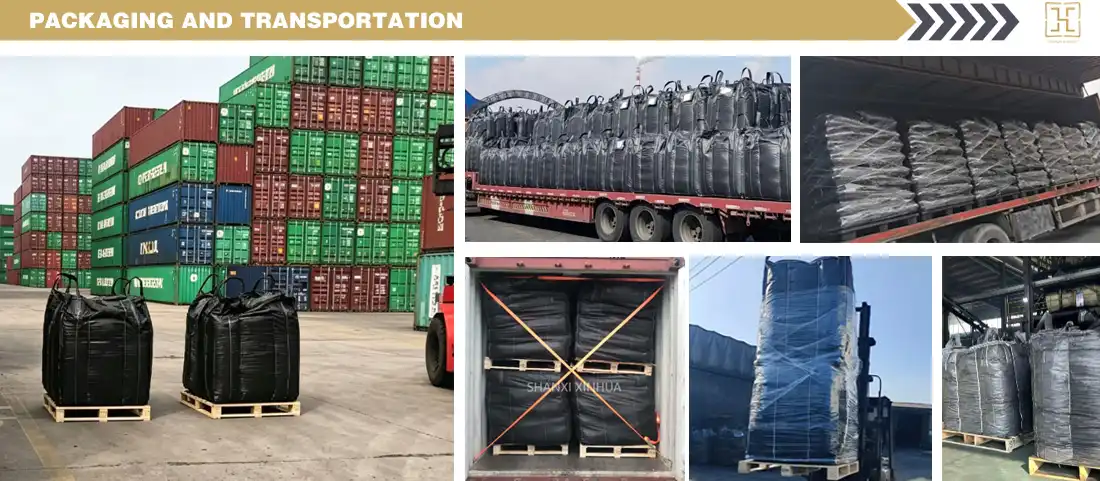
Shanxi Xinhua Carbon Technology Industry Co., Ltd. has factories in Shanxi, Ningxia, Fujian, and Xinjiang that make a total of 45,000 tons of carbon every year. The company has ISO 9001, ISO 14001, and ISO 45001 standards, and has done research and development on activated carbon for more than 60 years. They also work on research projects with Tsinghua University and the Chinese Academy of Sciences. Core product inventory coverage is 100%, normal delivery takes 7–15 days, and emergency dispatch can happen within 3 days through a green route. For foreign business-to-business buyers, Xinhua is a one-stop shop for Wood-based powdered activated carbon. They can choose from different mesh sizes, activation methods (phosphoric acid for food-grade, zinc chloride for industrial uses), and OEM packaging. You can find full product documentation and technical data sheets at xhcarbontech.com.
Conclusion
Wood-based powdered activated carbon offers quantifiable benefits in terms of decolorization speed, purity, and filtration effectiveness that directly aid quality-sensitive industrial processes. Its low ash content, mesopore-rich structure, and ability to work with standard filtration equipment make it a good choice for clarifying drinks, cleaning drugs, making ultra-pure water, and recovering fine chemical solvents. This material is a stable and cost-effective base for long-term production quality for procurement teams that focus on adsorption performance measures and supplier trustworthiness.
FAQ
What factors most influence decolorization performance?
The methylene blue absorption value is the main way to tell if large-molecule colors can be removed from a substance. A number above 180 mg/g usually meets the strict needs of pharmaceuticals and drinks. The end results are also affected by the particle size distribution, the contact time, the dose rate, and the pH of your process liquid.
Can this material be regenerated and reused?
Because the particles are too small, Wood-based powdered activated carbon is usually only used for one pass in liquid-phase decolorization. Technically, thermal reactivation can be used to regenerate powdered grades, but it is only cost-effective to do so at big facilities with special tools for regeneration.
What are typical lead times for bulk orders?
From Shanxi Xinhua's production network, standard mass orders are sent out within 7–15 days. Orders that are driven by emergency compliance can go through a 3-day faster shipping route. It takes 15 to 30 days for customized grades with specific mesh sizes or activation profiles.
What certifications should I verify before purchasing?
Check that the licenses you need are valid for ISO 9001 quality management, ISO 14001 environmental management, and food or drug safety. Check that the water treatment meets the safety standards for drinking water in your area.
Partner With Shanxi Xinhua Carbon Technology Industry Co., Ltd. for Reliable Supply
Wood-based powdered activated carbon that satisfies the strictest industrial standards is produced by Shanxi Xinhua Carbon Technology Industry Co., Ltd. using defense-grade quality systems and more than 60 years of production experience. Whether you need decolorization material that is safe for food or powder that is pure enough for pharmaceutical use, our technical team is ready to help you with your purchase by providing you with approved data, custom formulas, and a guarantee that your supply will not stop. You can email Greta directly at greta@carbonxinhua.com or visit xhcarbontech.com to see all of our products.
References
1. Bansal, R. C., & Goyal, M. (2005). Activated Carbon Adsorption. CRC Press.
2. Marsh, H., & Rodríguez-Reinoso, F. (2006). Activated Carbon. Elsevier Science.
3. American Water Works Association. (2011). Water Quality and Treatment: A Handbook on Drinking Water (6th ed.). McGraw-Hill.
4. Crittenden, J. C., Trussell, R. R., Hand, D. W., Howe, K. J., & Tchobanoglous, G. (2012). MWH's Water Treatment: Principles and Design (3rd ed.). John Wiley & Sons.
5. United States Pharmacopeia (USP). (2023). USP–NF General Chapter <611>: Alcohol-Soluble Substances and Elemental Impurities. USP Convention.
6. ASTM International. (2019). ASTM D3860: Standard Practice for Determination of Adsorptive Capacity of Activated Carbon by Aqueous Phase Isotherm Technique. ASTM International.

Send Inquiry
You may like
_1781662034490.webp)