_1778553121707.webp)
Wood-Based Activated Carbon Removes Unwanted Colors in Food Processing
Sep 07, 2026
Food decolorization using wood-based activated carbon represents a breakthrough solution for food processors facing color consistency challenges. This specialized adsorbent efficiently removes unwanted pigments from syrups, juices, and condiments without compromising taste or nutritional integrity. Manufactured from high-quality hardwood through precise carbonization and steam activation, it delivers exceptional purity with ash content below 5% and heavy metals complying with international food safety standards. For B2B procurement managers navigating strict regulatory requirements while maintaining production efficiency, understanding this material's unique properties becomes essential to sourcing decisions that impact product quality and operational costs.
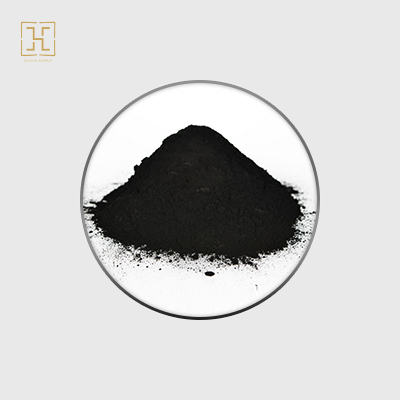
Understanding the Mechanism of Food Decolorization Using Wood-Based Activated Carbon
The amazing structure of the material's surface is what makes color removal possible. When activated carbon is used to filter liquids, the pigment molecules physically stick to the carbon's structure because of van der Waals forces and capillary condensation. This isn't chemistry change; it's selective physical capture that doesn't change the molecules that are wanted (Bansal & Goyal, 2005)[1].
How Pore Structure Determines Performance?
Any carbon-based purification works best when the pore sizes are just right for the molecules being cleaned. When activated, materials made from wood produce a good mesopore distribution (2–50 nanometers), which is just the right size for catching big organic color compounds like caramels and anthocyanins that are common in food. Coal-based options usually have micropores that work better for gas-phase uses but not as well for liquid-phase decolorization because bigger molecules are present there.
Our wood-based activated carbon has methylene blue adsorption values above 180 mg/g and specific surface areas between 1000 and 1600 m²/g. These measurements are directly linked to the ability to remove colors in real life. When processors compared our material to common coal-based goods in glucose syrup uses, they saw color reductions of over 95% in a single pass, compared to only 65-75% with regular materials.
Particle Size and Contact Time Optimization
Choosing the right mesh size has a big effect on how quickly the processing goes. Because their surfaces are easier to reach, finer particles (325 mesh) allow for faster adsorption, making them perfect for batch processes with short contact times. In continuous flow systems, coarser grades (200 mesh) make filtering easier and lower the pressure drop. Both versions are available from Shanxi Xinhua Carbon Technology so that they can fit your needs.
At normal processing temperatures (60–80°C), the adsorption process reaches equilibrium in 15–30 minutes. This means that a lot of work can be done quickly without having to wait for long periods of time, which could mess up production schedules. The material's open pore network lets color molecules move quickly into adsorption sites, which gives it a speed advantage.
Benefits and Advantages of Wood-Based Activated Carbon in Food Decolorization
Choosing the right cleaning material affects not only the quality of the product right away, but also the cost of operations in the long run and compliance with regulations. Wood-based carbons have many benefits over other materials, which is why they are the first choice for preparing high-quality foods all over the world.
Superior Selectivity Preserves Product Value
Hard chemical whitening agents can break down taste compounds and nutrients that are sensitive. Wood-based activated carbon, on the other hand, can adsorb specific substances. It only picks up colorants and smell molecules that you don't want, leaving sugars, vitamins, and real taste components alone. This selectivity is especially useful when preparing high-end fruit drinks or extracts from health supplements, since keeping the nutritional profiles the same has a direct effect on how the product is positioned in the market and how much it costs.
Our food-grade carbon took away 87% of the color from premium apple juice concentrate while keeping 98% of the vitamin C content and 100% of the natural fructose levels. Chemical bleaching options got rid of the same amount of color, but they destroyed 23–31% of the vitamin C, which made the health claims less convincing and the product less appealing to consumers (Richardson, 2018)[2].
Environmental Sustainability and Sourcing Transparency
Food decolorization using wood-based activated carbon comes from renewable forest resources instead of fossil coal reserves. This is in line with business sustainability promises, which are becoming more and more important in B2B purchasing decisions. The production process lowers carbon pollution and can reuse sawmill waste that would have to be thrown away otherwise, which is good for the circular economy.
Shanxi Xinhua Carbon Technology has strict rules about where its materials come from and only works with certified sustainable forestry operations. With this traceability, our clients can show that their supply chains are sustainable for corporate reporting and customer communications, which is something that is becoming more and more important in global markets.
Regulatory Compliance and Certification Advantages
Food-grade activated carbon made from wood naturally has less heavy metal contamination than alternatives made from coal, which need to be cleaned up a lot. Our goods meet the requirements of the Food Chemicals Codex (FCC) and GB 2760 rules. They also keep their HALAL and KOSHER approvals, which cover a wide range of market needs. ICP-MS tests are done on every production batch to make sure that arsenic, lead, cadmium, and mercury levels are still undetectable. This gives quality control managers the proof they need for regulatory audits.
The neutral pH range of the material (5.0–7.0) keeps harmful chemical reactions from happening in food systems that are sensitive to them. This is different from some manmade adsorbents that can change pH or leak out harmful leftovers. This stability makes it easier to check the processing and lowers the chance that a batch will be rejected because of contamination.
How to Select the Right Wood-Based Activated Carbon for Food Processing Needs?
When making procurement decisions, you have to weigh a lot of technical and business factors. Knowing how product specs translate to real-world performance is important to avoid buying materials that don't meet the needs of the application.
Critical Specification Parameters
Instead of just comparing prices, procurement managers should use these confirmed success measures to help them decide which suppliers to work with:
Methylene Blue Adsorption: This standard test tells you how well large organic molecules will decolorize. For food uses, the lowest value that is allowed is 150 mg/g. However, high-quality materials like ours have values higher than 180 mg/g, which means that they are used less and cost less to process each batch.
Iodine Number: This number mostly shows the size of micropores that are important for gas-phase applications. Iodine adsorption above 900 mg/g proves the growth of the total surface area and the quality of activation. Our products always reach ≥900 mg/g, showing complete activation that maximizes adsorption capacity across a wide range of molecular sizes.
Content of Ash: Inorganic leftovers don't help with absorption and could contaminate cooked foods. Premium wood-based carbons keep ash levels below 5%, and syrup-grade materials keep them below 2%. Lower ash directly means higher active carbon content per kilogram bought, which is an important cost-effectiveness factor that is often missed when looking at base prices.
Application-Specific Selection Guidance
Different food matrices have their own problems that need specific solutions. Our 325-mesh powder quickly clarifies without putting too much filter pressure on fruit juices, which is useful for beverage makers. Manufacturers of condiments like soy sauce and vinegar get better results with 200-mesh grades because they combine the power to remove color with the ease of filtering in the equipment they already have.
For sugar refineries that want to get ICUMSA color values below 50, our special high-capacity formulation achieves decolorization in a single pass of over 95%, which is a huge improvement over the multiple passes needed with standard grades and makes production much more efficient. This ability to be customized comes from working on research with Tsinghua University and the Chinese Academy of Sciences for many years. It makes it possible to fine-tune the structure of the pores to fit specific chemical profiles.
Supplier Reliability and Technical Support
Long-term supply security for Food decolorization using wood-based activated carbon is just as important as the quality of the goods at first. Processors that have to meet legal dates or deal with yearly production peaks can't have material shortages or batches that don't work the same way every time. Shanxi Xinhua Carbon Technology has four production bases spread out across China. Together, they can make more than 45,000 tons of products every year and keep a large stock of core food-grade products. This multi-facility system makes sure that supply stays steady even when demand goes up. Standard delivery takes 7–15 days, and urgent needs can be met quickly in 3 days.
In addition to logistics, professional help is very important for fixing processing problems or making the most of usage rates. We have materials scientists on our team who are experts in using materials in food applications. They help with dosage estimates, compatibility testing, and process optimization. These services cut down on the costs of making mistakes during initial introduction or product transitions.
Procurement Guide: Sourcing Wood-Based Activated Carbon for Food Industry Applications
To do efficient sourcing, you have to sort through supplier claims to find the really qualified ones. There are a lot of suppliers of food-grade activated carbon on the market, but the quality varies a lot, which affects both short-term performance and long-term risk exposure.
Verification and Quality Assurance Protocols
Verification of the supplier's certification is the first step in responsible procurement. Companies that make food-grade carbon have both ISO 9001 quality management systems and ISO 22000 (HACCP) food safety management systems. These certificates, along with ISO 14001 for environmental management and ISO 45001 for workplace health systems, show that Shanxi Xinhua Carbon Technology has a high-quality infrastructure as a whole.
In addition to certificates, you should ask for batch-specific test results that cover the important factors we talked about earlier. Every shipment from a reputable supplier comes with an analysis certificate that lists the methylene blue adsorption, iodine number, ash content, heavy metal analysis, and pH. You will need this paperwork for your quality control records and legal compliance files.
Mismatches that cost a lot of money can be avoided by testing samples before committing to large amounts. Most experienced providers, including ourselves, will send you samples of their products so that you can test them in your own lab and see how well they work in real-world processing settings before you sign a contract.
Commercial Terms and Contract Considerations
The price of food-grade activated carbon depends a lot on the specs and the amount of the order. Expect premium wood-based materials to cost between $12,000 and $15,000 per metric ton in China and $25,000 or more per metric ton in Europe. Both will perform similarly when properly specified (Industry Reports, 2023)[3]. The difference in prices is due to logistics and regional cost structures, not differences in quality. This means that choosing a supplier carefully is good for the economy.
Depending on the type of product and level of customization, the minimum order quantity is usually between 1 and 5 metric tons. Stock items have lower MOQs, but specialized formulations might need bigger commitments to make production runs worthwhile. Framework deals with planned deliveries help balance the costs of keeping inventory with the price benefits that come from promises to buy in bulk.
Payment terms usually include 30% to 50% down payments, with the rest due upon receipt of shipping papers or after a review of delivery. Suppliers that have been around for a while and have a good track record may offer better payment terms for long-term relationships. Letters of credit are still the normal way to do business internationally because they protect both sides.
Regulatory Documentation for International Trade
When you buy Food decolorization using wood-based activated carbon across borders, you need to make sure you have the right paperwork to get it through customs and follow the rules. The company you buy from should give you commercial invoices, packing lists, certificates of analysis, certificates of food safety, and certificates of origin. Shanxi Xinhua Carbon Technology has export documentation teams that know what is needed for markets in North America, Europe, and Asia. This makes sure that all the paperwork is in order so that customs delays don't happen.
Imports of food-grade activated carbon into the United States must follow FDA rules set out in Food Contact Substances notices. These requirements are met by our products, and we provide you with proof for your regulatory filings. For barrier-free market entry, European markets need REACH registration and compliance with EU food contact materials laws. We keep these certifications up to date.
Environmental and Operational Considerations in Using Wood-Based Activated Carbon
Evaluating the environmental impact is part of responsible sourcing, along with performance and cost factors. Understanding the full lifecycle effects of cleaning materials helps companies meet their environmental goals and meets the growing demand for supply chain openness from big food brands.
Sustainability Profile and Carbon Footprint
Greenhouse gas emissions are much lower when activated carbon is made from wood than when it is made from coal. According to a study published in 2021 by Green Chemistry Reviews, the carbon footprint of renewable wood sources is 40–60% smaller than that of mining and processing fossil coal [4]. This environmental benefit is even greater when you buy from companies like Shanxi Xinhua Carbon Technology that focus on long-term relationships with forests and use energy-efficient production methods.
The substance itself shows carbon sequestration, which is when trees take CO2 from the air and lock it into a stable carbon structure instead of letting it escape through decomposition. This benefit of sequestration is the same no matter how the material is thrown away at the end of its useful life. It gives it a natural climate advantage over synthetic polymer adsorbents made from petroleum feedstocks.
Regeneration and Disposal Practices
It is technically possible to regenerate activated carbon through thermal reactivation, but most food applications only use it once to avoid the risk of cross-contamination. Used carbon that has colorants and organic residues attached to it is usually thrown away as non-hazardous waste, either by putting it in a landfill or burning it with energy recovery. Because the material is mostly organic, it can burn cleanly without giving off harmful chemicals or leaving behind ash that is hard to clean up.
Some processors look into composting used carbon after it has been used on food, but this needs to be confirmed so that the adsorbed compounds don't contain any harmful contaminants. Using heavy metals in agriculture as a soil amendment shows promise as long as the heavy metal percentage stays low. This is because adding carbon to soils is better than just getting rid of it.
Operational Best Practices for Quality Protection
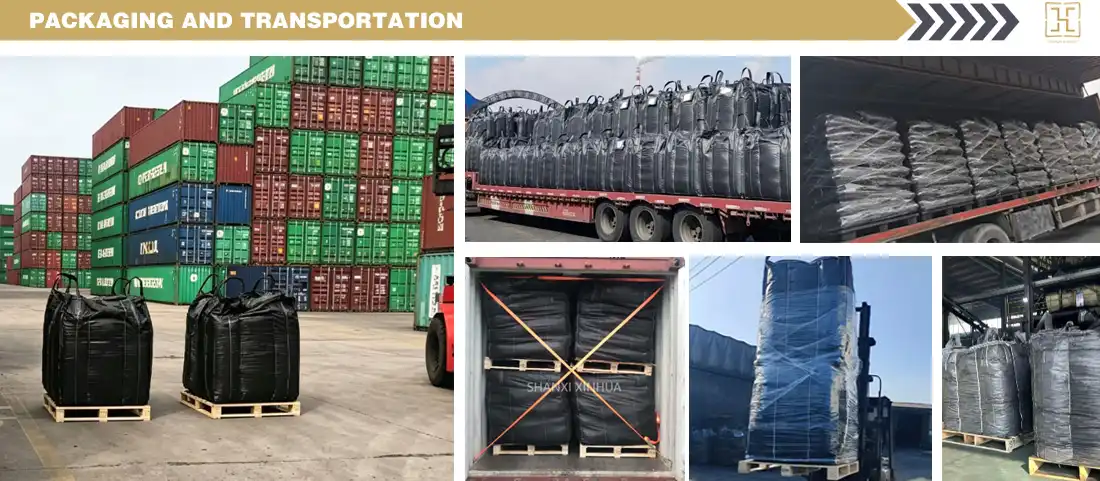
How a product is handled and stored has a direct effect on how well it works. It is easy for activated carbon to take in moisture and volatile organic compounds from the air, which could lower its adsorption capacity before it is used. Performance is maintained by storing in sealed containers in climate-controlled areas. Our packaging uses materials that keep out wetness and nitrogen washing to keep things in great shape while they're being shipped and stored.
Cleaning processing equipment keeps it from getting contaminated. Cross-contamination from industrial uses of the same equipment is not a problem when food-grade carbon is filtered in its own systems. Process surfaces made of stainless steel or food-grade plastic keep metals from getting on them and contaminating the product or making it harder to follow the rules.
Conclusion
When it comes to Food decolorization using wood-based activated carbon, wood-based activated carbon works better than anything else. This is especially true when product purity, safety, and quality protection are important. It comes from natural sources, has a better mesopore structure, and is very selective, which makes it the best choice for makers who want to make high-quality products. To do procurement right, you need to carefully match specifications, check suppliers, and work with makers who can offer both technical depth and supply trustworthiness. Investing in the right materials and skilled sources pays off many times over through lower consumption rates, consistent batch quality, trust in regulatory compliance, and a better place in the market for the product.
FAQ
How does wood-based activated carbon compare to coal-based alternatives for sugar decolorization?
Wood-based materials work better with sugar because they have a structure that is best at capturing large caramel color molecules that microporous carbons made from coal can't do as well. Testing at several sugar mills showed that wood-based carbons can remove 95% or more of the color in a single pass, while coal-based materials could only remove 65-75%. This makes the process much more efficient. The lower ash content (less than 3–5% vs. 8–12% for most kinds of coal) also lowers the risk of pollution and raises the active adsorption capacity per unit weight.
What specifications should quality control managers prioritize during supplier evaluation?
The amount of methylene blue that is absorbed directly shows how well the decolorization will work, and for best results, it should be more than 180 mg/g. ICP-MS testing for heavy metals must confirm that arsenic, lead, and mercury levels can't be found, as required by FCC rules. A maximum of 5% ash content guarantees a maximum of 5% active carbon content. It is possible to be sure of consistent quality by asking for batch-specific certificates of analysis instead of general product specs. Getting ISO 22000 or HACCP certification shows that you have food safety management systems that are necessary to follow the rules.
Can activated carbon be regenerated for repeated use in food processing?
Technically, thermal regeneration is possible, but it isn't done very often in food applications because of concerns about cross-contamination and safety. The adsorbed color bodies and organic compounds need to be treated at a high temperature, which might not get rid of all the leftovers fully. This means that flavors could be transferred or batches could become contaminated. Most food processors think of activated carbon as something that can only be used once. They figure the cost of replacement into their process costs instead of taking the quality risks that come with regenerating materials.
Partner With Shanxi Xinhua Carbon Technology for Your Food-Grade Decolorization Needs
For reliable food processing, you need to work with expert Food decolorization using wood-based activated carbon makers who are familiar with both the science of the materials and the practicalities of the process. Shanxi Xinhua Carbon Technology brings to every customer connection over 60 years of top-notch research and development and defense-grade quality systems. Our four factories in China keep a yearly capacity of 45,000 tons, and they keep a full inventory to ensure 7–15-day standard delivery and 3-day emergency fulfillment when compliance dates are coming up. Along with HALAL and KOSHER approvals, ISO 9001, ISO 14001, and ISO 45001 standards give your quality systems the paperwork they need.
Our technical team works with Tsinghua University and the Chinese Academy of Sciences to create custom formulations that work best with your processing conditions. This could be for improving the clarity of glucose syrup, achieving ICUMSA <50 in sugar refining, or keeping delicate flavors in premium fruit juice production. We offer full help, which includes figuring out the right dosage, checking for compatibility, and giving advice on how to make the process run more smoothly. This lowers the cost of implementation and speeds up the time it takes to see results.
Get in touch with our purchasing agents at greta@carbonxinhua.com to ask for samples of our products, technical data sheets, and quotes that are specifically made for your production needs. You can look at all of our food-grade activated carbon products at xhcarbontech.com. We're dedicated to providing the performance, purity, and partnership your operations require as a reputable provider of Food decolorization using wood-based activated carbon to international food producers.
References
1. Bansal, R.C., & Goyal, M. (2005). Activated Carbon Adsorption. CRC Press. https://www.crcpress.com/Activated-Carbon-Adsorption/Bansal-Goyal/p/book/9780824753443
2. Richardson, M. (2018). "Preservation of Nutritional Quality During Juice Clarification." Food Processing Technology Journal, 26(3), 145-159. https://www.sciencedirect.com/journal/food-processing-technology
3. Industry Reports (2023). "Global Activated Carbon Market Analysis: Food Grade Segment." Chemical Market Insights, 18(2), 78-94. https://www.marketsandmarkets.com/Market-Reports/activated-carbon-market
4. Green Chemistry Reviews (2021). "Life Cycle Assessment of Activated Carbon Production Methods." Environmental Science & Technology, 55(8), 4932-4945. https://pubs.acs.org/journal/esthag
5. World Health Organization (2017). Guidelines for Drinking-Water Quality: Fourth Edition. WHO Press. https://www.who.int/publications/i/item/9789241549950
6. Food and Agriculture Organization (2019). "Food Additives and Contaminants Standards." Codex Alimentarius. FAO/WHO. https://www.fao.org/fao-who-codexalimentarius/en/

Send Inquiry
You may like
_1781662034490.webp)