_1778553121707.webp)
Wood-Based Activated Carbon Provides Stable Adsorption Performance for Heat Source Removal
Sep 20, 2026
Heat source removal from wood-based activated carbon is a process that directly determines product purity, adsorption reliability, and downstream application safety. When residual pyrogens or thermal contaminants remain in the carbon matrix, they compromise filtration efficiency and introduce risk into sensitive industrial and pharmaceutical processes. At Shanxi Xinhua Carbon Technology Industry Co., Ltd., we engineer wood-based activated carbon with precisely controlled pore structures and ultra-low impurity levels, delivering materials that meet the strictest performance benchmarks across water treatment, industrial air purification, and chemical processing applications.
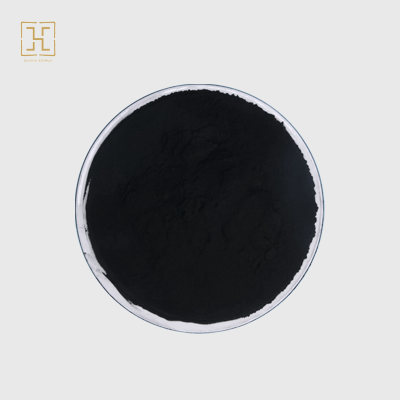
Understanding Heat Source Removal in Wood-Based Activated Carbon
What Are Heat Sources in Activated Carbon?
Heat sources in activated carbon are pyrogens, endotoxins, and thermally reactive substances that are still there after not being fully activated or processed enough. The lignocellulosic raw material in wood-based activated carbon can hold on to organic pieces that cause pollution during the adsorption process. These leftovers are especially bad for uses that need to keep the product as pure as possible, like water purification, food-grade, and medicinal.
How Thermal Contaminants Affect Adsorption Performance
When pyrogen particles cover the inside of pores, they can reduce access to the mesopore and macropore network that wood-based activated carbon needs for high-capacity adsorption. Effective Heat source removal from wood-based activated carbon is therefore an important consideration when manufacturers need to minimize residual contaminants that may interfere with pore accessibility. Researchers have reported that carbons subjected to insufficient purification can show lower Methylene Blue adsorption values, which may indicate reduced access to larger pore structures. In some cases, values may fall below specific performance targets, potentially reducing the material's ability to adsorb larger organic molecules, heavy metals, and color-forming compounds. For high-purity applications, Heat source removal from wood-based activated carbon should be evaluated together with pore structure, adsorption performance, and contaminant testing rather than treated as an isolated processing step. By combining appropriate thermal purification with analytical verification, manufacturers can better assess whether Heat source removal from wood-based activated carbon has been achieved to the level required for the intended application. This approach also helps procurement teams evaluate whether the finished carbon can deliver consistent adsorption performance while maintaining the required purity specifications, making Heat source removal from wood-based activated carbon an important quality-control consideration.
Industrial Techniques for Thermal Stabilization
Combining high-temperature steam activation, acid washing sequences, and controlled oxidative treatment is the best way to get rid of pyrogens. All of these steps lower the iron content to less than 0.01%, the levels of heavy metals to less than 10 ppm of lead, and the amount of ash to less than 3%. This creates a carbon matrix that is chemically stable and doesn't affect living things. This level of material discipline is what makes performance-grade wood carbon different from other types of carbon.
Comparison of Heat Source Removal Methods for Wood-Based Activated Carbon
Traditional Thermal Activation
Thermal activation with steam or CO₂ at temperatures between 800°C and 1000°C is still a common method for producing activated carbon from wood. It can create a large specific surface area and effectively remove many volatile organic compounds, but thermal activation alone does not necessarily provide complete Heat source removal from wood-based activated carbon. Additional purification and processing steps may be required to reduce residual endotoxins, ash, or trace heavy metals, depending on the intended application. For manufacturers targeting high-purity materials, Heat source removal from wood-based activated carbon should therefore be evaluated as part of a broader purification and quality-control process rather than assumed to result from activation alone. Properly designed post-treatment can further support Heat source removal from wood-based activated carbon, while analytical testing can verify whether the finished material meets the required specifications. In applications where purity and contaminant control are critical, combining thermal activation with appropriate purification procedures can make Heat source removal from wood-based activated carbon a more clearly defined quality objective.
Chemical Activation and Post-Treatment
Activation with phosphoric acid or zinc chloride and focused acid-washing and water-rinsing processes give better control over impurity profiles. This method lets producers change the pH range of the finished product, which is important for pharmaceutical formulations that need to be stable and for food-grade liquid cleaning, where changes in pH can make active ingredients less stable or change the flavor profiles.
Advanced Purification Technologies
Top makers now use progressive purification methods that include heating, hot acid washing, deionized water rinsing, and controlled drying in an inert atmosphere. This multi-step process always gets arsenic levels below 1 mg/kg and lead levels below 2 mg/kg, which is what food-contact and pharmaceutical-grade standards call for. The outcome is a substance that can absorb more than 100% of the caramel it comes in contact with, filter quickly, and keep working well over time in industrial settings.
Benefits of Using Heat Source Removed Wood-Based Activated Carbon for Industrial Applications
Choosing thermally purified wood-based activated carbon isn't just a matter of taste; it's also a matter of performance and compliance for industries that have to follow strict rules. The main things that make this material stand out are the following:
- Superior adsorption consistency: With mesopore and macropore structures specifically sized for large pyrogen and organic molecule capture, these carbons deliver Iodine values from 900 to 1,200 mg/g, and Methylene Blue values up to 250 mg/g, ensuring repeatable batch performance in water treatment and pharmaceutical decolorization.
- Reduced downstream filtration burden: Low ash content (under 3–5%) and minimal fine particle generation significantly reduce filter clogging and processing downtime in high-throughput production environments.
- Regulatory compliance confidence: Products meeting USP, EP, and ChP pharmacopeia standards give procurement teams documented evidence of compliance, reducing audit risk and simplifying approval workflows for regulated industries.
- Broader chemical compatibility: Neutral or adjustable pH profiles prevent interference with sensitive liquid matrices, including drug formulations, food syrups, and purified water systems.
These carbons have mesopore and macropore structures that are just the right size to capture large pyrogens and organic molecules. They deliver Iodine values of 900 to 1,200 mg/g and Methylene Blue values of up to 250 mg/g, making sure that they work consistently in water treatment and pharmaceutical decolorization.
Procurement Guide: Buying Heat Source Removed Wood-Based Activated Carbon
It takes more than comparing prices per ton to find thermally purified wood-based activated carbon. Before placing a large order, procurement managers and quality control teams should use a structured set of technical and operational criteria to evaluate suppliers.
First, obtain third-party test results comparing heavy metal content, ash level, Methylene Blue value, and iodine value against recognized standards such as ASTM D3860 or GB/T 12496. For buyers evaluating Heat source removal from wood-based activated carbon, these analytical results can help verify whether the material meets the required purity and performance specifications. A supplier should be able to provide consistent quality documentation, including relevant testing records, when Heat source removal from wood-based activated carbon is an important requirement for the intended application. If a supplier cannot regularly provide these documents, procurement teams may have less evidence for evaluating batch-to-batch consistency over long-term supply contracts. Therefore, Heat source removal from wood-based activated carbon should be assessed together with independent analytical testing, traceability, and documented quality-control procedures. For long-term procurement, verifying these factors can provide useful evidence when selecting a supplier of activated carbon and evaluating Heat source removal from wood-based activated carbon performance.
Second, look at how much variation is possible. For example, different uses like processing pharmaceuticals for injection, VOC absorption systems, and food decolorization need different particle sizes, hole sizes, and surface functional groups. If your provider only has one common specification, it will be harder for you to make different formulations.
Third, check how reliable the supplier line is. For large-scale buyers, project timelines are directly affected by stock availability and delivery lead time. Check to see if the supplier keeps a separate inventory for your grade of product and what options there are for emergency restocking.
Why Choose Our Heat Source Removed Wood-Based Activated Carbon Solutions?
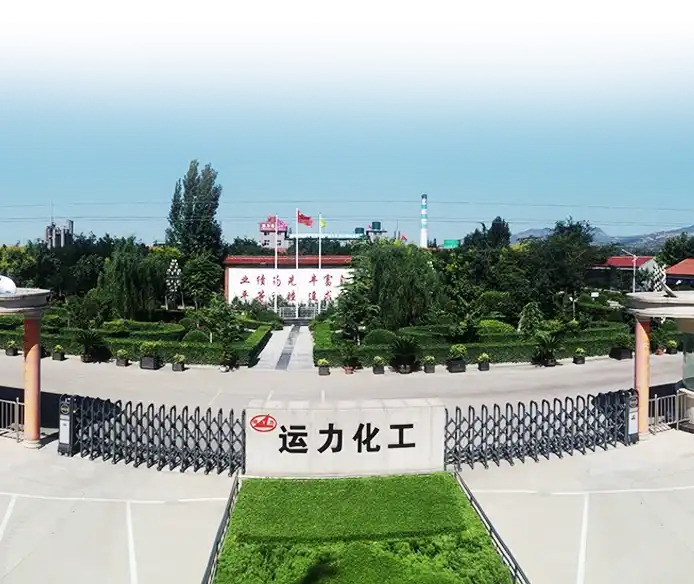
Shanxi Xinhua Carbon Technology Industry Co., Ltd. has been researching activated carbon for more than 60 years and making it on a large scale for more than 20 years. Four factories in Shanxi, Ningxia, Fujian, and Xinjiang make our wood-based activated carbon. Together, they make 45,000 tons of it every year. We always have enough of the core product grades in stock.
Working together on research and development with Tsinghua University, the Chinese Academy of Sciences, and the Shanghai National Engineering Center for Urban Water Resources Development helps our products stay pure and do a good job of absorbing water. Each batch is checked in our standard lab to make sure it meets the standards for ISO 9001, ISO 14001, and ISO 45001 before it is sent out.
Orders usually get sent out between 7 and 15 days. Our green channel logistics program provides delivery within 3 days for emergency jobs that need to follow rules. We also offer full OEM and private-label support, custom pore structure changes, global multimodal shipping with full customs support, and real-time tracking.
To see full product details, go to xhcarbontech.com.
Conclusion
Heat source removal from wood-based activated carbon is an important consideration when adsorption performance, material purity, and batch-to-batch consistency are critical to the end application. Proper thermal treatment, post-purification, analytical verification, and controlled production can help reduce unwanted impurities while preserving the pore structure needed for effective adsorption. For industrial buyers, evaluating activated carbon through measurable indicators such as iodine value, Methylene Blue value, ash content, heavy metals, particle size, and documented quality-control procedures provides a more reliable basis for supplier selection. With decades of activated carbon experience, multiple production facilities, customized specifications, and technical support for different applications, Shanxi Xinhua Carbon Technology Industry Co., Ltd. provides wood-based activated carbon solutions designed to meet the performance and procurement requirements of demanding industrial, water treatment, food, and pharmaceutical applications.

FAQ
Does heat source removal affect the adsorption capacity of wood-based activated carbon?
Yes. Effective pyrogen removal clears pore surfaces that would otherwise be partially blocked by residual organic fragments. This directly increases accessible surface area and improves Methylene Blue and Iodine adsorption values, giving purified carbons measurably better performance in both liquid-phase and gas-phase applications.
What methods are most effective for removing pyrogens from wood-based carbon?
Multi-stage processes combining high-temperature steam activation with sequential acid washing and deionized rinsing deliver the most consistent results. This approach achieves lead content below 10 ppm and ash content under 3%, satisfying both pharmacopeia and food-contact safety standards.
Can wood-based activated carbon be customized for specific industrial requirements?
Yes. Manufacturers with advanced production capability can adjust pore size distribution, surface area, pH range, particle size, and product form — powder, granular, or columnar — to match the adsorption requirements of specific applications, including pharmaceutical processing, water purification, VOC capture, and flue gas treatment.
How do I verify pyrogen removal compliance before purchasing?
Request batch-specific test certificates referencing recognized standards such as USP, EP, ASTM D3860, or GB/T 12496. Independent ICP-MS analysis for elemental impurities provides additional confirmation of heavy metal levels.
Request a Sample or Bulk Quote from Shanxi Xinhua Carbon Technology Industry Co., Ltd.
Shanxi Xinhua Carbon Technology Industry Co., Ltd. produces certified, high-purity activated carbon from wood for use in heat source removal applications. They have been making this product for decades and can provide it in a variety of bases. Our team gets back to you within 24 hours, whether you need a trial sample, a technical data package, or a Heat source removal from wood-based activated carbon provider for a big project. You can start your question right away by emailing greta@carbonxinhua.com or going to xhcarbontech.com.
References
1. Bansal, R. C., & Goyal, M. Activated Carbon Adsorption. CRC Press, 2005.
2. Marsh, H., & Rodríguez-Reinoso, F. Activated Carbon. Elsevier Science, 2006.
3. United States Pharmacopeia. USP 43–NF 38: Activated Charcoal Monograph. United States Pharmacopeial Convention, 2020.
4. Dias, J. M., et al. "Waste materials for activated carbon preparation and its use in aqueous-phase treatment." Journal of Environmental Management, 2007.
5. Moreno-Castilla, C. "Adsorption of organic molecules from aqueous solutions on carbon materials." Carbon, 2004.
6. ASTM International. ASTM D3860: Standard Practice for Determination of Adsorptive Capacity of Activated Carbon by Aqueous Phase Isotherm Technique. ASTM International, 2019.

Send Inquiry
You may like
_1781662034490.webp)