_1778553121707.webp)
Wood Activated Carbon Produced by Physical Methods Offers Stable Adsorption for Multiple Industries
Sep 22, 2026
Physical Method Wood Activated Carbon is produced by carbonizing wood-based raw materials—such as sawdust or wood chips—followed by high-temperature activation using steam or CO₂ at 800–1000°C. No chemical agents are introduced during production, which means the finished material carries no acid residues, no heavy metal contamination, and a consistently neutral pH profile. The result is a high-purity adsorbent with a well-developed pore network, an iodine value of 900–1100 mg/g, and a low ash content below 5%. These properties make it a dependable choice across water treatment, pharmaceutical purification, food processing, and industrial air filtration.
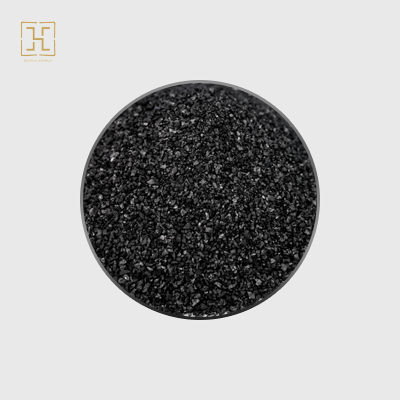
Understanding Physical Method Wood Activated Carbon
How the Physical Activation Process Works
First, wood feedstock is carbonized at 400–700°C in a low-oxygen setting. This gets rid of volatile chemicals and leaves behind a carbon-rich char. After that, the char goes into a high-temperature activation kiln. At 800–1000°C, steam or CO₂ mixes with the carbon atoms. The selective gasification makes billions of tiny holes in the material, which gives it a structured internal surface area that can be more than 1,000 m³/g.
Pore Structure and Its Role in Adsorption
Micropores (less than 2 nm), mesopores (2–50 nm), and macropores (more than 50 nm) are evenly distributed by the physical process. Small molecules like leftover chlorine and trace organics are absorbed by micropores. Mesopores and macropores, on the other hand, take in bigger pigment molecules and high-molecular-weight contaminants. This layered structure is exactly why Physical Method Wood Activated Carbon works the same way in a wide range of situations, such as when the process temperature changes and the liquids have a high viscosity.
Why Physical Activation Stands Apart from Chemical Methods
The final product doesn't have any chemical residues that could mess up sensitive processes because no phosphoric acid, zinc chloride, or other inorganic agents are used. Independent testing confirms that the ash content is less than 3–5% and the pH stability is within ranges that are acceptable for use in pharmaceutical and food-grade products. When comparing Physical Method Wood Activated Carbons to chemical carbons, the physical process makes a product that is stronger, lasts longer, and can be thermally regenerated better, which is important for long-term commercial operations.
Comparing Physical and Chemical Activation Methods for Wood Activated Carbon
Key Process Differences
Thermal energy and reacting gases are the only things that can physically activate something. Before carbonization, reagents are added through chemical activation. These reagents make the carbon matrix bigger and the macropore structure wider. Chemical methods can quickly produce a lot of surface area, but they need to be washed afterward to get rid of the leftover agents. These steps are expensive, create wastewater, and make the end product less consistent.
Performance Metrics That Matter to Procurement Teams
Physical Method Wood Activated Carbon usually has a methylene blue adsorption value of 120–180 mg/g, which means it works well with big color molecules. It can remove the color of caramel at a rate that meets GB/T 12496 and ASTM standards, which means it can be used to treat both food and water. On paper, chemical-method carbons may have similar surface area values, but their higher ash content and acidic residue make them difficult to use in pharmaceutical batch processing and drinking water treatment where strict rules apply.
Real-World Reliability Across Industrial Installations
Municipal water treatment plants say that Physical Method Wood Activated Carbon keeps the same breakthrough time over multiple months of operation, which means that it doesn't need to be replaced as often. When there are no residual activating agents in pharmaceutical API production lines, a whole quality control verification step is skipped, which speeds up the time it takes to release a batch. Because these operational benefits have been proven, procurement managers at big environmental engineering firms are including more and more Physical Method Wood Activated Carbon material in project tender papers.
Procurement Guide for Physical Method Wood Activated Carbon
Selecting a Certified Manufacturer
Check to see if the seller has ISO 9001, ISO 14001, and ISO 45001 certifications. These three show that the supplier really does follow through on quality control, environmental responsibility, and worker safety. For each output batch, a company that has its own authorized testing lab should be able to give you a Certificate of Analysis (CoA) that lists the ash content, moisture, pH, heavy metal screening, and iodine value.
Evaluating Supply Capacity and Lead Times
For big industrial projects, orders in tons are common, and there are often tight deadlines for meeting them. A trustworthy Physical Method Wood Activated Carbon provider should have a range of core grades in stock, promise regular delivery within 7–15 days, and provide a faster delivery option for urgent orders. Multi-base production, which means having plants in different places, lowers the chance that supply problems will happen because of problems with regional transportation or facility downtime.
Before placing a bulk order, procurement professionals should do the following:
- Request a certified sample batch (at least 500 g) and do in-house adsorption tests on your specific target contaminant to make sure it works in your process.
- Confirm batch-level documentation, making sure that the COA, safety data sheets, and any food-grade or pharmaceutical-grade certifications that are needed are correct before completing the purchase order.
- Negotiate a framework supply contract that locks in price tiers for yearly volume commitments but leaves room for emergency restocking orders.
By following these steps, you can lower the risk of procurement and create the technical documentation file that is needed for internal compliance audits.
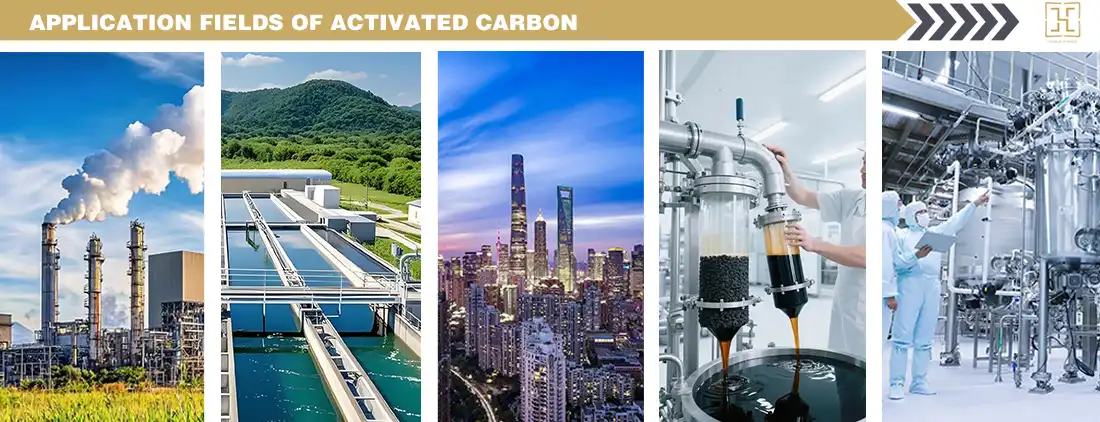
Industries Benefiting from Physically Activated Wood Carbon's Stable Adsorption
Water Treatment and Municipal Applications
Granular Physical Method Wood Activated Carbon is used in water treatment plants all over the United States to get rid of chemicals that give water its taste and smell, leftovers of disinfection, and small amounts of drugs. The Safe Drinking Water Act and the EPA's Surface Water Treatment Rule set high standards for contaminants that Physical Method Wood Activated Carbon always meets. It works well in advanced oxidation pre-treatment steps where organic loading is changeable because it has a lot of pores.
Food, Beverage, and Pharmaceutical Purification
When processing starch, sugar, and xylitol, Physical Method Wood Activated Carbon gets rid of caramel colors without changing the flavors. This is a very important thing that chemical-method carbon can't always do because it leaves behind acidity. It is the standard way to get rid of pyrogens and trace toxins from injection-grade fluids used in pharmaceutical production. Since the carbon doesn't add any new chemicals, the batch paperwork for API stays clean, and regulatory files are easier.
Industrial Air Purification and VOC Control
A lot of VOC is released in coating lines, printing facilities, and electronics factories. Benzene, toluene, xylene, and other common solvents are easily absorbed by Physical Method Wood Activated Carbon that is packed into fixed-bed adsorption towers. It has a high mechanical strength, which means that the bed integrity stays the same through multiple cycles of pressurization. Its thermal stability also lets it regenerate itself in place, which lowers operating costs over the lifecycle of the equipment.
Why Choose Physical Activation Wood Activated Carbon: Benefits and Future Outlook
Environmental and Operational Advantages
Physical activation doesn't produce any organic waste and doesn't leave any reagents in the result. This is in line with stricter environmental laws in the U.S. and other countries, which now look at not only the finished product but also the process of making it. When purchasing managers build environmentally friendly supply chains, buying from a company that makes Physical Method Wood Activated Carbon means better paperwork and fewer questions about compliance later on.
Cost-Effectiveness at Scale
Physical Method Wood Activated Carbon may cost a little more per ton up front than some chemical-based options, but it saves money in the long run because it lasts longer, costs less to regenerate, and causes fewer quality-reject events in sensitive processes. Over a period of 12 to 24 months, these lifetime economics always favor the physical-method product for sites that run nonstop operations.
Future Trends Driving Demand
Tougher VOC emission rules from the EPA, more money being spent by cities on better water treatment systems, and the localization of the pharmaceutical supply chain are all driving up the need for high-purity, trackable Physical Method Wood Activated Carbon materials. The best producers will be able to meet the performance requirements for the next generation if they combine their knowledge of physical activity with active research and development. For example, they could work with national research institutions to improve the shape of the pores.
Conclusion
Physical Method Wood Activated Carbon is a clean, high-purity adsorption material that works well for treating water, cleaning pharmaceuticals, making food, and filtering air in factories. Its steam-based production process gets rid of any chemical leftovers, and its stacked pore structure works well with both small and big molecular targets. As rules about the environment get stricter and people want more information about the supply chain, Physical Method Wood Activated Carbon is a good option for businesses that need to be able to prove and defend the performance they need.
FAQ
What temperature is used in physical activation of wood carbon?
Activation usually takes place at 800–1000°C with CO₂ or steam. In this temperature range, the carbon's mechanical structure is kept while a thick network of pores is opened up. When temperatures are too low, pores don't open up enough, and when temperatures are too high, carbon can be burned off too quickly.
How does wood-based activated carbon compare to coconut shell carbon?
Carbon from coconut shells usually has a lot of tiny pores, which makes it perfect for adsorbing small molecules like chlorine. The mesopore and macropore structures of wood-based carbon are more developed, which makes it better for big molecules like dyes, pyrogens, and high-molecular-weight organics.
Can physically activated wood carbon be thermally regenerated?
Yes. Because it is very strong and doesn't change much at high temperatures, Physical Method Wood Activated Carbon can be used for thermal regeneration in rotary kilns or indirectly heated furnaces. This makes it last longer and cost less per cycle.
Is this carbon approved for food and pharmaceutical applications?
Physically activated wood carbon that meets GB/T 12496 and ASTM standards has been shown to have a neutral pH and a low amount of heavy metals and is commonly used in the medicine and food industries. A buyer should ask for a COA that is specific to the batch and any cleanliness certificates that are needed.
What is the recommended storage condition after opening a package?
If you open the package, keep it in a cool, dry, and odor-free place with a lid for up to six months. After that, you should use it up because the active surface will soak up airborne chemicals and moisture, which lowers its usefulness.
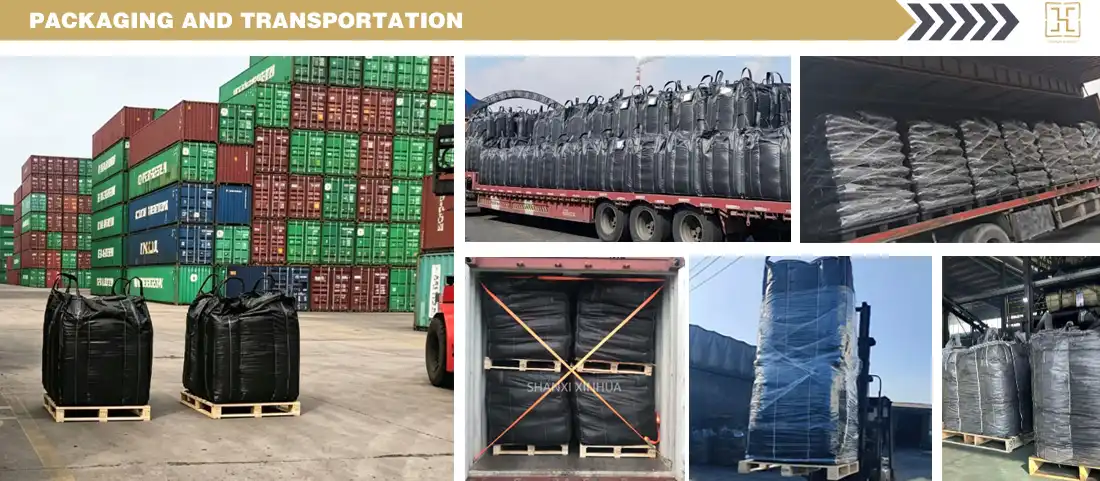
Partner with Shanxi Xinhua Carbon Technology Industry Co., Ltd. for Your Physical Method Wood Activated Carbon Supply
With ISO 9001, ISO 14001, and ISO 45001 standards, Shanxi Xinhua Carbon Technology Industry Co., Ltd. runs four production sites that produce 45,000 tons of carbon every year. As a reputable company that makes Physical Method Wood Activated Carbon, we can deliver normally within 7–15 days or quickly in an emergency within as little as three days. You can email our technical team at greta@carbonxinhua.com or go to xhcarbontech.com to ask for a certified sample or talk about a custom supply solution.
References
1. Bandosz, T. J. (Ed.). Activated Carbon Surfaces in Environmental Remediation. Elsevier, 2006.
2. Marsh, H., & Rodríguez-Reinoso, F. Activated Carbon. Elsevier Science, 2006.
3. Radovic, L. R. (Ed.). Chemistry and Physics of Carbon, Volume 27. Marcel Dekker, 2001.
4. Crittenden, J. C., et al. MWH's Water Treatment: Principles and Design (3rd ed.). Wiley, 2012.
5. ASTM International. Standard Test Methods for Activated Carbon (ASTM D2866, D4607). ASTM International, 2019.
6. U.S. Environmental Protection Agency. Granular Activated Carbon Treatment: Engineering and Cost Study. EPA/600/2-86/054, 1986.

Send Inquiry
You may like
_1781662034490.webp)