_1778553121707.webp)
Why Select Acid-Etched Coal-Based Activated Carbon for Special Applications?
Aug 27, 2026
Acid-etched coal-based activated carbon stands apart because of one decisive advantage: ultra-low ash content achieved through deep acid washing purification. This specialized treatment removes residual metal oxides, heavy metal ions, and water-soluble inorganic salts from high-quality anthracite feedstock, delivering exceptional purity that prevents secondary contamination. Where standard activated carbon might introduce trace metal leaching into sensitive processes, acid-etched variants maintain total metal impurities below 1000 ppm, making them indispensable for ultrapure water systems, pharmaceutical decolorization, and precision chemical applications.
Introduction
When industrial buyers look for high-performance adsorption materials, they often have trouble finding materials that meet both their purity needs and their adsorption needs. Standard carbons made from coal often have mineral ash and metal residues that make them unsuitable for use in sensitive areas. Acid-etched coal-based activated carbon fills this gap by having the strong ability to absorb anthracite-derived carbon with a better surface chemistry that is achieved by carefully washing the carbon with acid.
This piece talks about why purchasing managers, environmental engineers, and research and development workers in the chemical processing, industrial gas purification, and water treatment industries are asking for acid-etched grades more and more. We look at the differences in manufacturing, performance standards, benefits for specific applications, and sourcing factors that help people make smart buying decisions. Knowing these things helps technical buyers match the properties of materials to the needs of projects while making sure they meet regulations and work reliably for a long time.
Understanding Acid-Etched Coal-Based Activated Carbon
What Defines Acid-Etched Activated Carbon
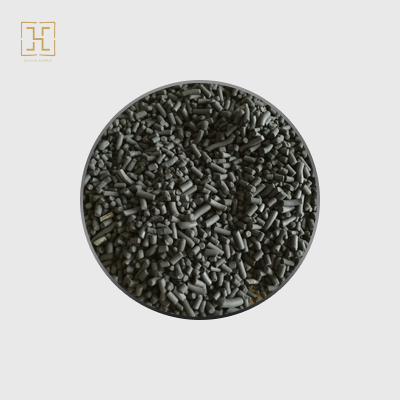
Acid-etched activated carbon starts with high-quality anthracite coal that has been activated and shaped in the usual ways. The important difference happens during secondary treatment, which includes soaking in inorganic acid solutions (usually hydrochloric, nitric, or hydrofluoric acid) and then drying at high temperatures and using deionized water several times. This acid washing step gets rid of metal oxides that are stuck to the surface, calcium carbonates, and silicate impurities that are deep inside the carbon matrix.
The end product has a well-developed porous structure and an ash content below 5%, compared to 8–12% in coal carbons that haven't been treated. The process doesn't lower the ability to absorb contaminants; instead, it improves dynamic performance by clearing mineral layers from micropores that are blocked, making more surface area available for capturing the target contaminants.
Manufacturing Process and Quality Control
The process for producing Acid-etched coal-based activated carbon starts with carefully selecting high-quality anthracite. The raw material is carbonized at temperatures above 800°C to develop the initial pore network. After carbonization, steam or carbon dioxide activation is used to further develop the pore structure and increase the specific surface area, with the target BET surface area typically determined by the intended application. After the material is formed into cylindrical pellets or granules, Acid-etched coal-based activated carbon undergoes an acid-washing stage in which controlled acid concentrations and contact times are used to remove selected impurities while preserving the carbon structure. Properly controlled processing helps maintain the adsorption properties of Acid-etched coal-based activated carbon while improving its suitability for demanding purification applications. Quality control throughout the production of Acid-etched coal-based activated carbon is essential for achieving consistent particle characteristics, purity, and adsorption performance.
As the product is being made, quality control checks are always being done on the iodine adsorption (≥800–1000 mg/g), methylene blue adsorption (≥120 mg/g), and mechanical strength (≥90%). Testing after the treatment makes sure that the pH is normal (6.0–8.0) and that the levels of iron, arsenic, lead, and other heavy metals are still below certain limits. This strict method guarantees stability from batch to batch, which is very important in industrial settings where process variation affects the quality of the end product.
Key Technical Parameters
Acid-etched versions make performance changes that can be measured. In water extraction tests, where normal carbons might show 50–100 µS/cm of ion conductivity, the controlled ash content directly lowers this. Acid-etched grades, on the other hand, stay below 20 µS/cm. Particle hardness testing using ASTM D3802 shows that acid treatment keeps the structure's integrity, which stops carbon fines from fouling equipment further down the line.
Different types of reactors, such as fixed-bed, moving-bed, and fluidized-bed systems, can use particles with sizes that can be changed, from 1.5 to 3.0 mm cylindrical pellets to 8 to 30 mesh granules. Keeping the moisture level below 10% ensures stable storage and predictable adsorption rates during deployment.
Comparing Acid-Etched Coal-Based Activated Carbon With Other Types
Performance Against Standard Coal Carbon
Coal-based activated carbon is a common type of activated carbon that works well for treating air and water and is economical. However, the natural ash content makes things more difficult in uses that are sensitive to ionic contamination. When municipal water treatment plants treat water to meet standards for drinking water, trace metals may leach out and need to be polished again.
Acid-etched options get rid of this problem by getting rid of minerals that can leach out first. In side-by-side tests for making ultrapure water, normal coal carbon had to be replaced after 6 months because its conductivity changed, but acid-etched media stayed in specification for more than 12 months with the same flow conditions. This longer service life makes up for the 15-20% higher unit cost by cutting down on how often the parts need to be replaced and how much it costs to get rid of them.
Distinction From Coconut Shell Activated Carbon
Coconut shell carbon naturally has less ash than coal-based products—about 2 to 4 percent—so it can be used in high-purity situations. Even so, it still costs a lot more to make than products made from coal—often two to three times as much—because fuel is harder to get and the process is more complicated. The pore structure is also different. Carbons from coconut shells make networks that are mostly microporous, which is good for capturing small molecules. Coal-based carbons, on the other hand, have a balanced micro-meso-macroporous structure that is good for bigger organic molecules and faster mass transfer.
Acid-etched coal carbon fills in this gap, giving grades of purity close to those of coconut shells while keeping the cost-effectiveness and structural flexibility of anthracite feedstock. This makes it especially appealing for large-scale industrial installations where the cost of materials has a big effect on the overall cost of the project.
Chemical Activation Versus Acid Etching
Using phosphoric acid or zinc chloride to activate the carbon during primary carbonization forms pores by dehydrating and condensing the carbon. This is very different from acid etching, which is a step that is done after activation to clean the surface. Acid-etched products are neutralized and rinsed to get almost no acidity left over, while chemically activated carbons may still have activating agents left over that need to be washed well.
This difference is important when working with pH-sensitive solutions or catalytic processes where small amounts of phosphates or chlorides could get in the way. Pharmaceutical companies that work with active ingredients, beverage companies that work with syrups to make them clearer, and chip companies that work with ultrapure water can all benefit from acid etching's ability to clean surfaces.
Special Applications Where Acid-Etched Activated Carbon Excels
Before going into specific use cases, it's important to keep in mind that choosing the right material depends on matching the pollutants to the pores and surface chemistry. Because acid-etched coal carbon has controlled ash, a neutral pH, and balanced porosity, it is perfect for uses where chemical cleanliness and adsorption efficiency are important.
Ultrapure Water and Electronic-Grade Applications
For semiconductor and pharmaceutical manufacturing, high-purity water may require resistivity above 18 MΩ·cm and very low total organic carbon (TOC). Conventional activated carbon can release trace inorganic or organic substances that may affect water quality if the media is not properly selected and conditioned. Acid-etched coal-based activated carbon can undergo additional purification to reduce certain soluble impurities before use and may serve as a polishing medium in deionization loops and point-of-use filtration systems. Properly specified Acid-etched coal-based activated carbon can help control organic contaminants while supporting the high-purity requirements of advanced water-treatment processes. In applications where consistent media performance is important, Acid-etched coal-based activated carbon can provide a controlled adsorption medium when its purity, extractables, and adsorption characteristics are verified through appropriate testing. Selecting Acid-etched coal-based activated carbon according to the specific water-quality requirements can help reduce maintenance demands and support stable operation of high-purity water systems.
Food and Beverage Decolorization
To get rid of color from glucose syrups, citric acid solutions, and beverage concentrates, you need carbons that don't add a metallic taste or change the pH of the product. Materials that have been acid-etched meet food-grade purity standards and have methylene blue adsorption values that are high enough to get rid of color bodies. Batch testing methods show that colors are reduced by more than 95% without any iron or aluminum leaching into the finished goods, so they still meet FDA and EU food contact rules.
High-Purity Chemical Processing
Manufacturers of specialty chemicals that make intermediates for medicines, agrochemicals, and electronic materials have to follow strict rules about quality. Metal ions that are still present can damage expensive catalysts or lower the yield of the product. Using acid-etched carbon to clean solvents, remove color from mother liquor, and treat waste streams saves processes that come after. One fine chemical plant in Europe saw a 23% drop in the cost of replacing catalysts after switching from regular carbon to acid-etched carbon for solvent recycling systems.
Industrial Gas Purification and VOC Control
Acid-etched carbon is mostly used in liquid forms, but it can also be used in gas forms when material dust or small chemical interactions need to be avoided. Because these carbons are chemically stable and don't make particles, they are useful for making high-purity nitrogen, drying process gases, and controlling emissions in the electronics industry. The ability to absorb more than 180 mg/g of SO₂ is useful for improving biogas and conditioning flue gas, where sulfur removal comes before burning or fuel cell uses.
Procurement Insights for B2B Buyers
Quality Certification and Testing Standards
When making sourcing decisions, sellers who can show they follow quality management systems that are known around the world should be given priority. Structured factory controls are shown by ISO 9001 certification. Commitment to environmental responsibility and worker safety is shown by ISO 14001 and ISO 45001 certifications. Following the ASTM testing methods (D2866 for ash content, D4607 for iodine number, and D3838 for pH) for activated carbon ensures that the product is accurately described.
Ask for Certificates of Analysis (CoA) for every output lot. These will list important factors like BET surface area, total ash, acid-soluble iron, and the conductivity of water extract. Reputable makers have approved labs that can do ICP-OES research for measuring trace metals. These labs give quality assurance teams the data they need to approve vendors.
Evaluating Supplier Capabilities
Check the supplier's infrastructure to see how well it supports long-term partnerships in addition to reviewing product specifications. For buyers sourcing Acid-etched coal-based activated carbon, multiple production bases can provide capacity redundancy and improve supply chain resilience, which is particularly important for projects that require consistent material availability. Shanxi Xinhua Carbon Technology Co., Ltd. has production facilities in Shanxi, Ningxia, Fujian, and Xinjiang, with combined annual production capacity stated at 45,000 tons across its product portfolio. For procurement teams purchasing Acid-etched coal-based activated carbon, maintaining access to multiple production locations can help reduce supply risks and support more stable delivery schedules. Suppliers that can provide Acid-etched coal-based activated carbon in different forms, such as columnar, granular, and powdered grades, may also offer greater flexibility for different treatment applications. Evaluating production capacity, inventory availability, quality-control systems, and logistics capabilities is therefore important when selecting a long-term Acid-etched coal-based activated carbon supplier.
The ability to provide technical help sets special sellers apart from commodity vendors. Look for agreements with study institutions that show they are always coming up with new ideas. Working together with groups like Tsinghua University, the Chinese Academy of Sciences, and specialized engineering centers shows that money is being spent on research and development, which leads to more customization options and problem-solving that is tailored to specific applications.
Logistics and Sample Testing
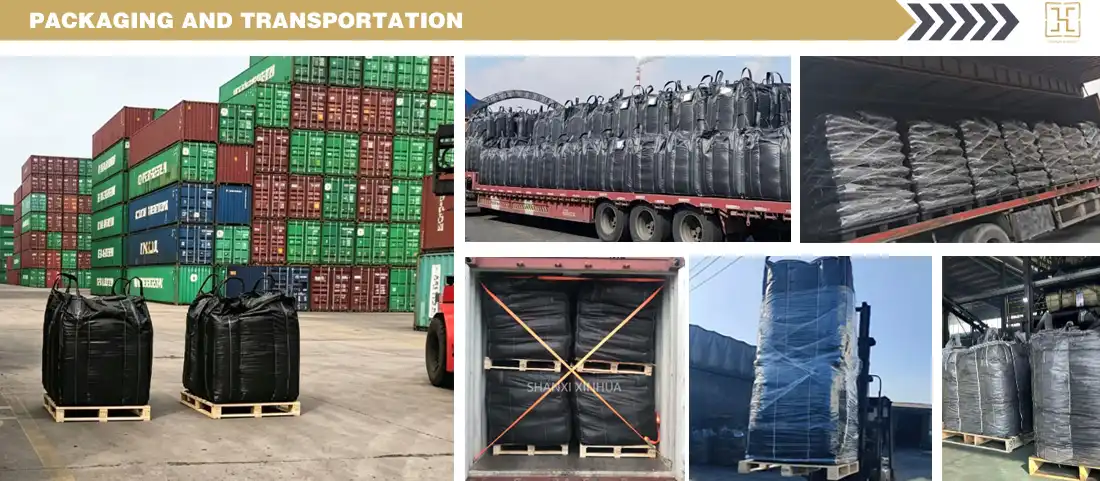
Project plans are directly affected by lead times. Standard acid-etched carbon goods should be shipped within 7 to 15 days. Customized specs can take up to 15 to 30 days, based on how complicated they are. When compliance dates are tight, emergency procurement outlets that offer 3-day expedited service come in handy.
Before committing to large orders, test a sample thoroughly in ways that are similar to how it will be used in real life. For liquid-phase applications, jar tests should be run long enough to see equilibrium adsorption and find any leaching that isn't wanted. Gas-phase tests in bench-scale columns confirm the behavior of breakthrough curves and regrowth. This investment in preliminary testing keeps design errors from happening during full-scale rollout, which can be very expensive.
Why Leading Industries Trust Acid-Etched Coal-Based Activated Carbon
Documented Performance in Demanding Sectors
Water treatment companies that handle both potable water and wastewater reuse have shown that acid-etched carbons are a reliable way to get rid of small amounts of organic matter while still meeting stricter discharge limits. Municipal plants say they can lower total organic carbon levels to below 1 mg/L, which helps improve oxidation processes and membrane filter systems work without any fouling problems caused by carbon fines or minerals that can leach out.
Chemical companies like how acid-etched goods are consistent from batch to batch. Companies that make medicines that follow good manufacturing practices (GMPs) record the traceability of their materials through detailed certificates of authenticity (CoAs). This meets the needs of regulatory audits. Defense-grade quality systems were created by using decades of experience in specialized uses. These systems can be used directly in commercial industry settings.
Environmental Compliance and Sustainability
Environmental management includes more than just how well a treatment works; it also includes the carbon footprint of production. Closed-loop acid recovery systems are used by modern producers to reduce the amount of waste made during the purification steps. Energy recovery from activation off-gases and locating activities near coal mines lower the cost of production and pollution caused by hauling.
Acid-etched carbons have better renewal performance than other types of carbons because they keep more than 80% of their adsorption capacity after being heated again. This makes them last longer and use less material. This circular method fits with companies' goals for sustainability and lowers the total cost of ownership by letting things be used more than once.
Future Technology Developments
Researchers are still looking into how to add catalytic properties to acid-etched carbons by adding metals or changing the surface. Different types with palladium added speed up hydrodechlorination processes, and types with manganese added help break down organics that are hard to break down through oxidation. These mixed materials make it possible to use acid-etched coal carbon in more ways. They make it a platform technology that can be used to solve new treatment problems instead of a fixed product.
Conclusion
Acid-etched coal-based activated carbon combines adsorption performance with controlled chemical purity, making it suitable for applications where both characteristics are important. Acid washing is used as a controlled treatment to reduce ash and selected metal impurities while preserving the carbon's porous structure. Acid-etched coal-based activated carbon can offer practical benefits in applications such as high-purity water treatment, food-processing systems, and sensitive catalytic processes, provided that the material meets the relevant purity and performance specifications. The controlled purification of Acid-etched coal-based activated carbon may also support more consistent regeneration and longer media service life in suitable applications. As environmental regulations and process-purity requirements become more demanding, the performance advantages of Acid-etched coal-based activated carbon can become increasingly valuable. For procurement teams, choosing Acid-etched coal-based activated carbon based on verified purity, adsorption capacity, regeneration performance, and total lifecycle cost can be a worthwhile investment in process stability and product quality.
FAQ
Why Choose Acid-Etched Over Standard Coal Carbon?
Acid-etched carbon lowers the amount of ash from about 12% to less than 3%. This stops mineral leaching that gets in the way of high-purity processes. This is very important when making ultrapure water, medicines, or electronics because tiny contaminants can change the specifications of the finished goods.
Does Acid Treatment Affect Adsorption Capacity?
Not at all. Often, the process improves kinetics by getting mineral salts out of holes that are closed, which makes the useful surface area bigger. Testing shows that the iodine levels stayed between 800 and 1000 mg/g, which means that the pores stayed open and the surface got cleaner.
Is Residual Acid Present in Final Products?
Before being dried, professional grades are rinsed several times with deionized water until the pH is neutral (6.0 to 8.0). As part of quality control testing, conductivity is measured, and pH slurry testing is done to make sure that the acidity is completely neutralized and won't affect uses further down the line.
What On-Site Testing Verifies Purity?
A common method used in the field to check for errors is to test the conductivity of a 5% carbon-to-deionized water slurry. Acid-etched carbons usually show less than 20 µS/cm, while normal grades can go over 50–100 µS/cm, quickly confirming quality at the delivery point.
Partner With Shanxi Xinhua Carbon Technology Industry Co., Ltd. for Superior Acid-Etched Carbon Solutions
The carbon technology company in Shanxi is called Xinhua. produces Acid-etched coal-based activated carbon for tough industrial applications with more than 60 years of material science experience. Our defense-grade quality systems and partnerships with top research institutions make sure that the goods we make meet the exact purity and performance standards your projects need. We keep a lot of stock in various production facilities, so normal delivery takes 7–15 days, and we also offer fast 3-day delivery for urgent needs. To compare our Acid-etched coal-based activated carbon Manufacturer's capabilities to your application requirements, please request technical datasheets and free samples. You can email our technical team at greta@carbonxinhua.com or visit xhcarbontech.com to talk about customization choices and bulk purchasing plans that are made to fit your needs.
References
1. American Society for Testing and Materials. (2020). Standard Test Methods for Determination of Total Ash Content of Activated Carbon. ASTM International, West Conshohocken, PA.
2. Bandosz, T.J. (2006). Activated Carbon Surfaces in Environmental Remediation. Interface Science and Technology, Volume 7, Elsevier Academic Press.
3. Marsh, H. & Rodríguez-Reinoso, F. (2006). Activated Carbon. Elsevier Science, Amsterdam.
4. Mattson, J.S. & Mark, H.B. (1971). Activated Carbon: Surface Chemistry and Adsorption from Solution. Marcel Dekker, New York.
5. Radovic, L.R. (2001). Chemistry and Physics of Carbon, Volume 27. Marcel Dekker, New York.
6. Yang, R.T. (2003). Adsorbents: Fundamentals and Applications. John Wiley & Sons, Hoboken, New Jersey.

Send Inquiry
You may like
_1781662034490.webp)