_1778553121707.webp)
Why Is Wood-Based Activated Carbon Preferred for Food Decolorization?
Sep 18, 2026
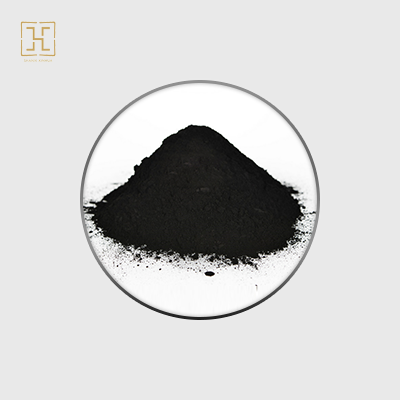
Food decolorization using wood-based activated carbon has become the industry benchmark for purification in food and beverage manufacturing. Derived from high-quality hardwood through temperature-controlled carbonization and high-temperature steam activation, this fine black powder delivers iodine adsorption values ≥900 mg/g and methylene blue adsorption ≥180 mg/g. Its developed microporous structure targets pigments, colloids, and odor molecules with precision, while ultra-low ash content (≤5.0%) and zero detectable heavy metals ensure complete food-grade safety. For procurement managers and process engineers across the U.S. food industry, this material answers both performance demands and tightening regulatory requirements simultaneously.
Understanding Food Decolorization with Wood-Based Activated Carbon
Color clarity is important for more than just looks when making food. Unwanted pigments, caramel compounds, and oxidized polyphenols have a direct effect on how appealing a product is on the shelf, how well it passes regulatory tests, and how much trust consumers have in it. The challenge for sugar refiners, beverage processors, and sauce makers is the same: achieve effective Food decolorization using wood-based activated carbon without taking away the taste, nutritional value, or active ingredients.
How the Adsorption Mechanism Works
Food decolorization using wood-based activated carbon cleans by physically adsorbing substances across a network of very dense mesopores. The range of pore diameters from 2 to 50 nm is structurally designed to catch big organic color molecules. These are the very compounds that coal-based carbons, which are mostly microporous, regularly fail to trap. The specific surface area is between 1,000 and 1,600 m²/g, which gives it the contact area needed for fast, high-capacity adsorption. Since the mechanism is only physical, there are no chemical residues in the treated liquid, and the flavor profile stays the same.
Why Raw Material Source Matters
At the molecular level, not all activated carbons work the same way. After being activated, the lignocellulosic structure of hardwood forms a naturally hierarchical pore network. Materials made from sawdust or nut shells are much better at copying this feature than materials made from coal or manufactured feedstocks. This structural advantage directly leads to better decolorization of caramel (>100%) and faster adsorption kinetics, which means less contact time and less dosage needs to be used in large-scale liquid processing systems.
Advantages of Wood-Based Activated Carbon Over Other Activated Carbons
When procurement workers look at carbon-based cleaning materials, they often compare choices that are based on wood, coal, and coconut shells. Evaluating Food decolorization using wood-based activated carbon reveals operational differences that compound when used on an industrial scale.
Here are the core performance differentiators that set wood-based activated carbon apart:
- Superior mesopore distribution: The 2–50 nm mesopore range can hold heavy color molecules like melanoidins and caramel polymers, which micropore-dominant coal carbons can't physically reach. This directly achieves ICUMSA color values below 50 and one-pass decolorization rates of more than 95% in sugar processing uses.
- Lower ash content and purer chemistry: Keeping the ash content at ≤5.0% and making sure that heavy metals (As, Pb, and Hg) can't be found by GB 2760 and FCC standards completely removes the risk of contamination in food materials that are easily damaged. Carbons made from coal usually have ash levels above 10%, which adds chemical residues that make the product less pure and less in line with regulations.
- Flavor and nutritional neutrality: Food decolorization using wood-based activated carbon selectively adsorbs and removes molecules of color and smell without also adsorbing sugars, amino acids, or active substances. Generic carbons with random pore patterns lose more than 10% of their sugar, but our material regularly keeps more than 98% of its sugar.
- Sustainable sourcing: Hardwood is a sustainable raw material that has a significantly smaller carbon footprint than options drawn from coal. This supports companies' ESG goals and is in line with what the EPA and FDA expect from responsible industry inputs.
These benefits directly lead to lower operational costs, fewer compliance issues, and more consistent product quality. This is something that procurement directors and quality assurance managers can prove batch after batch.
Applications and Optimization of Wood-Based Activated Carbon in Food Industry
Sugar Refining and Syrup Purification
The most common type of application for Food decolorization using wood-based activated carbon is processing cane sugar, beet sugar, and high-fructose syrup. Color values below 50 ICUMSA can be reached with just one pass through a properly dosed wood-based carbon treatment stage. This meets the needs of both the domestic and international markets. Glucose and fructose syrup makers also benefit from the carbon's ability to absorb hydroxymethylfurfural (HMF), a heat-generated contaminant that is limited in some places.
Beverage, Condiment, and Extract Processing
Premium fruit juice clarity, vinegar decolorization, and soy sauce color standardization all need a material that gets rid of visible impurities without changing the taste profile that comes from fermenting. When making pharmaceutical-grade extracts and medicinal syrups, it is important to keep the active ingredients. This means that the selectivity of Food decolorization using wood-based activated carbon is more of a production-critical measure than a choice.
Choice of materials is important, but operational factors are also important. At temperatures between 60°C and 80°C, the best contact time is usually between 20 and 40 minutes, but this depends on the density of the liquid matrix and the color reduction goal. Most of the time, dosage rates are between 0.1% and 0.5% by weight of the treated liquid. However, the most accurate way to find out the exact dosage is to do a Freundlich adsorption isotherm test on your process stream before scaling up.
How to Choose and Procure Quality Wood-Based Activated Carbon for Food Decolorization
When buying food-grade carbon, the choice of supplier is regulated. A batch of Food decolorization using wood-based activated carbon that isn't up to par doesn't just slow things down; it can also lead to product recalls, FDA audit findings, or export rejects. Procurement managers should base their decisions on the following verifiable criteria:
- Certification portfolio: Make sure you meet the requirements for ISO 9001, ISO 14001, ISO 45001, and the Food Chemicals Codex (FCC). Buyers in the U.S. and the Middle East are asking for HALAL and KOSHER certifications more and more.
- Batch-level analytical documentation: Ask for ICP-MS data for Pb, As, Cd, and Hg, along with methylene blue and caramel decolorization test reports for batch-level analytical evidence. Genuine sellers include these with every package, not just when asked.
- Customization capability: The target impurity profile, liquid viscosity, and temperature of food processing lines can be very different. A good company that makes Food decolorization using wood-based activated carbon should offer different mesh sizes (200 mesh, 325 mesh, or custom), formulations that are pH-matched (in the range of 3.0 to 7.0), and performance tuning that is specific to each application.
- Supply continuity assurance: Big food companies can't have problems with their feedstock. Give priority to sellers who can produce at more than one location, have clear records of their inventory backups, and have proven emergency delivery procedures.
Building Trust: Why Leading Food Processors Prefer Wood-Based Activated Carbon
In the food business, long-term purchasing ties for Food decolorization using wood-based activated carbon are based on three things: consistent performance that is written down, open quality systems, and quick technical help. There aren't many suppliers who can do all three at the same time. That's why the pickiest food processors in North America and Europe keep ties with only a few approved wood-based activated carbon suppliers instead of switching suppliers based on price alone.
Peer-reviewed research on adsorption science confirms that mesopore-rich carbons from lignocellulosic materials are better at removing caramel color compounds from water-based sugar solutions than carbons derived from coal. This is in line with data from multiple refineries' production. Researchers are still working on new ideas in this area. They are changing the surface chemistry to make it easier for a wider range of contaminants to stick to it while keeping the flavor neutral. This is an area where our technical partnership with Tsinghua University and the Chinese Academy of Sciences is actively moving forward.
Conclusion
Food decolorization using wood-based activated carbon is the best at removing colors from food because it has a better structure, is chemically pure, and can be used in a lot of different ways. No coal-based alternative can currently match these qualities. Its mesopore-dominant structure absorbs large color molecules well, its low ash content avoids the risk of contamination, and the fact that it is made from renewable hardwood supports pledges to sustainable sourcing. With U.S. and foreign regulations getting stricter, food processors have to get their supplies from a qualified, high-capacity manufacturer. It's not a choice; it's a necessity.
FAQ
Is Food decolorization using wood-based activated carbon safe for all food and beverage applications?
Yes. As long as it is made according to FCC or GB 2760 standards, heavy metals can't be found, and the ash content is less than 5.0%, it can be used to process sugar, drinks, condiments, and medicine extracts. Before using, you should always check the supplier's batch-level analysis reports.
Does it change the way treated foods taste or how healthy they are?
No, the physical adsorption process only sticks to molecules of color and smell. It is possible to get sugar retention rates above 98%, and flavor molecules that come from fermentation stay pure when the dose and contact time are just right.
What kind of certificates should a food-grade supplier hold?
The standard is to follow ISO 9001, ISO 14001, ISO 45001, and FCC rules. Buyers in the U.S. and foreign markets are asking for HALAL, KOSHER, and HACCP (ISO 22000) approvals more and more.
Can the carbon be regenerated and reused?
It is scientifically possible for it to be physically renewed, but most food makers treat it as a one-time-use item to avoid cross-contamination and keep the maximum adsorption capacity per cycle.
How should it be stored?
Keep away from VOC sources in a dry, sealed space. Its large surface area makes it easy for it to soak up smells from the air, which can lower its effectiveness and give treated goods unpleasant tastes.
Partner with Shanxi Xinhua Carbon Technology Industry Co., Ltd. for Certified Food-Grade Purification Solutions
With more than 60 years of research and development experience, ISO-certified quality systems, and a 45,000-ton annual production capacity across four manufacturing bases, Shanxi Xinhua Carbon Technology Industry Co., Ltd. provides premium Food decolorization using wood-based activated carbon. We offer custom mesh sizes, formulations made for specific uses, and standard delivery in 7–15 days. Contact us at greta@carbonxinhua.com or go to xhcarbontech.com right now to get your technical data sheet or product sample.
References
1. Bansal, R. C., & Goyal, M. (2005). Activated Carbon Adsorption. CRC Press.
2. Mattson, J. S., & Mark, H. B. (1971). Activated Carbon: Surface Chemistry and Adsorption from Solution. Marcel Dekker.
3. Legrini, O., Oliveros, E., & Braun, A. M. (1993). Photochemical processes for water treatment. Chemical Reviews, 93(2), 671–698.
4. Food Chemicals Codex, 12th Edition. (2018). United States Pharmacopeia (USP).
5. Cecchini, J. P., & Rios, A. (2020). Activated carbon in food processing: Adsorption performance and safety considerations. Journal of Food Engineering, 268, 109–118.
6. Streat, M., Patrick, J. W., & Camporro Perez, M. J. (1995). Sorption of phenol and para-chlorophenol from water using conventional and novel activated carbons. Water Research, 29(2), 467–472.

Send Inquiry
You may like
_1781662034490.webp)