_1778553121707.webp)
Why Is CTC80 Coal Columnar Charcoal Preferred for High-Efficiency Filtration?
Aug 20, 2026
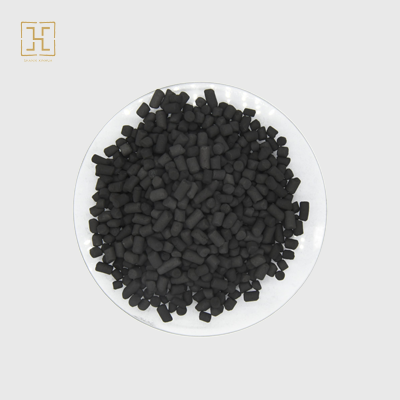
When industrial filtration systems face stringent emission standards and demanding operational conditions, choosing the right activated carbon becomes mission-critical. CTC80 Coal Columnar Charcoal has emerged as the preferred solution for high-efficiency filtration because it delivers superior adsorption performance, exceptional mechanical durability, and consistent quality under extreme industrial environments. Manufactured from premium anthracite through precise activation and shaping processes, this cylindrical activated carbon features a richly developed microporous structure with a CTC adsorption value exceeding 80%, enabling efficient capture of VOCs, organic solvents, and toxic gases even in high-velocity gas streams and low-concentration pollutant scenarios.
Understanding CTC80 Coal Columnar Charcoal and Its Filtration Role
Working with environmental engineering firms and petrochemical plants has taught us that the way a material works affects how well it filters. CTC80 Coal Columnar Charcoal is designed to fix common problems in the industrial world, like VOC recovery systems breaking down too soon, deep-bed filtration losing too much pressure, and adsorption rates that aren't always reliable.
What Makes CTC80 Unique in Structure and Composition
The product is made from carefully chosen, high-quality anthracite coal that goes through controlled carbonization and then steam activation at exact temperatures. This way of making things makes a network of micropores and mesopores that are spread out evenly in the columnar structure. The cylinder form, which comes in different sizes like 1.5mm, 3.0mm, and 4.0mm, makes it easier for contaminated gas streams to touch adsorption sites. In contrast to carbons with uneven shapes, the uniform design reduces channeling and pressure resistance, which lets treatment systems work well for longer periods of time.
Key Technical Parameters That Drive Performance
When industrial buyers look at activated carbons, they pay close attention to a number of important specifications. If the CTC adsorption number is at least 80%, it means that the material can directly bind and capture volatile organic compounds in normal test settings. An iodine adsorption value greater than 900 mg/g shows that there are a lot of micropores that can hold small molecules that are harmful. With a mechanical strength rating of above 96%, the carbon can handle physical stress during handling, regeneration processes, and high-pressure activities without breaking up. Keeping the ash content below 7% stops catalytic interference in chemical processes that are sensitive, and keeping the moisture content below 10% keeps the adsorption capacity and stops the growth of microbes during storage.
How It Compares to Other Activated Carbon Forms
When it comes to packed-bed adsorption towers, columnar carbons are much better than grainy or powdered carbons. The even spread of particle sizes lowers the pressure drop across the filter bed. This lets systems keep up higher flow rates without lowering the efficiency of removal. When compared to activated carbon from coconut shells, coal-based columnar types are better at catching bigger organic molecules and are more stable at high temperatures for regeneration. This makes them perfect for solvent recovery tasks where they need to be heated and cooled many times to keep costs down.
Comparing CTC80 Coal Columnar Charcoal with Other Charcoal Types for Filtration
When choosing filtration media, procurement managers often have to make tough decisions because they have to balance performance needs with budget limits and supply reliability. To understand why CTC80 Coal Columnar Charcoal has become so popular, it helps to know how different types of carbon work in real-world commercial settings.
Performance Differences Across Carbon Grades
Standard activated carbons with CTC values around 60% can get rid of basic smells and treat low-concentration VOCs. The performance gap becomes big, though, when facilities have to meet tighter emission limits or get back expensive solvents. Compared to CTC60 grades, CTC80 grades have about 33% more adsorption capacity per unit volume. This directly leads to longer periods of time between replacing the carbon, less downtime, and a lower total cost of ownership. Environmental engineering managers like this benefit when they are designing systems for places like printing shops, coating factories, and chemical factories where the amount of organic vapor changes during production cycles.
Durability and Reusability Considerations
In large-scale filtering systems, thermal recovery is a big cost of doing business. This columnar carbon can go through many regrowth processes without losing much of its structure because it is very strong mechanically and doesn't break easily. Industrial installations that have been tested show that systems that are handled properly can go through 8 to 12 regeneration rounds before they need to be replaced. This longevity factor is very helpful for petrochemical plants and solvent recovery operations, where the cost of replacing carbon and the logistics of getting rid of it have a big effect on the project's bottom line.
Cost-Effectiveness in Large-Scale Procurement
When you buy in bulk, you have to weigh the cost per unit against performance, lifespan, and logistics. Coconut shell carbons may have a slightly bigger surface area, but they are very expensive and hard to find in some places, which can make it hard to stick to budgets when buying them. Columnar carbons made from coal offer a good mix of value, offering industrial-grade performance at a reasonable price with a dependable supply chain. Multiple production bases spread out manufacturing capacity ensures consistent availability even for large orders, lowering supply chain risks that can disrupt important environmental compliance operations.
Core Advantages of Using CTC80 Coal Columnar Charcoal for Filtration
Working with purchasing teams and research and development engineers from different fields has helped us figure out the exact performance traits of CTC80 Coal Columnar Charcoal that make it so great for tough filtration tasks.
Exceptional Adsorption Capacity and Efficiency
The pores are very well developed, giving the material a large internal surface area of more than 1000 m²/g. This gives the material a lot of places for contaminants to stick to. Because it has a lot of surface area, the carbon can easily take in a wide range of chemical molecules, such as benzene, toluene, xylene, acetone, methyl ethyl ketone, and chlorinated solvents. Field data from industrial sites show that properly designed systems can remove more than 95% of target VOCs, even when working with gas streams that have different amounts of contaminants.
According to ASTM D3467 guidelines, testing in the lab shows that the material's adsorption rates stay fixed over a wide range of temperatures and levels of relative humidity. Even when conditions are tough, like 70% relative humidity, the carbon is still able to catch organic vapors well because its mostly microporous structure has a strong preference for organic molecules over water vapor.
Superior Mechanical Strength and Operational Stability
Activated carbon is put through a lot of physical stress when it is filled, used, and regenerated in industrial filter systems. Ball-pan hardness testing according to ASTM D3802 confirms values that are consistently above 96%. This means that the material is very resistant to breaking and wearing away. This mechanical integrity stops the formation of carbon fines that can lower pressure, contaminate equipment further downstream, or release fugitive dust when the material is handled. Because the abrasion rate is less than 2.5%, packed beds keep their designed void fraction and flow characteristics for the whole time they are in use.
It is important for systems that use hot gas streams or thermal regeneration to be thermally stable. Its structure stays the same at temperatures up to 400°C, which means that the carbon can effectively remove contaminants without breaking down. Because it can handle a wide range of temperatures, it can be used to treat waste gas, support catalysts, and clean high-temperature process gas.
Environmental Compliance and Sustainability Benefits
Environmentally friendly methods used in manufacturing are in line with ISO 14001 environmental management standards. The way the carbon is made releases fewer climate gases than some other carbon sources, which helps end-user sites have smaller carbon footprints. If the material is properly handled by regenerating itself with heat or steam, it helps the circular economy by allowing multiple uses that reduce waste.
The managed ash content below 7% and neutral pH range between 7.0 and 10.0 make sure that it works with waste treatment methods and doesn't hurt the environment when it's thrown away. These features are especially important for places that treat municipal wastewater and for food-grade uses, where the purity of the material directly affects following the rules and keeping the public healthy.
Procurement Insights for CTC80 Coal Columnar Charcoal in Global B2B Markets
Directors of the supply chain and procurement managers need partners they can trust who understand the technical needs and practical challenges of supplying industrial CTC80 Coal Columnar Charcoal. After decades of working with global markets, we've learned some important things that make the difference between good and bad procurement relationships.
Evaluating Supplier Credentials and Quality Assurance
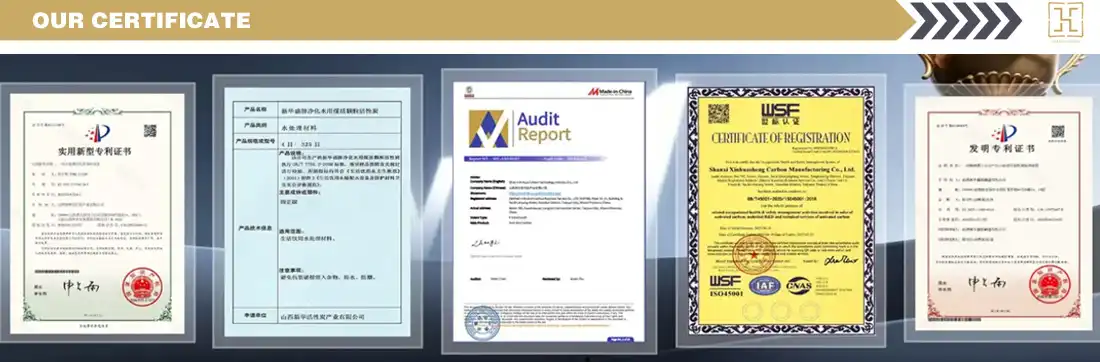
Manufacturers you can trust have complete quality management systems that are approved to ISO 9001 standards. They also include thorough certificates of analysis with every shipment. Standardized test methods should be used to record the CTC adsorption values, iodine numbers, mechanical strength, ash content, moisture levels, and particle size distributions in these COAs. Suppliers who have their own testing labs with trained scientists and engineers can answer questions quickly about quality and offer technical help for application improvement.
Manufacturing partnerships with well-known research institutions show that a supplier is dedicated to always getting better and coming up with new technologies. Working with groups like Tsinghua University, the Chinese Academy of Sciences, and specialized coal chemistry schools shows that you have access to advanced material science knowledge that helps you make better products and make sure the quality of those products is always the same.
Logistics and Supply Chain Considerations
Industrial users on a large scale need providers who can keep a lot of stock on hand and stick to shipping schedules. Redundancy guards against supply disruptions when production capacity is spread across various industrial bases. Standard wait times of 7–15 days for stock items and 15–30 days for custom orders help project managers plan system setups and turnarounds well.
Being close to major logistics hubs makes domestic distribution more efficient, and multimodal transport partnerships make international shipping easier. Using the right secure wrapping keeps materials working well from the factory to the installation site by stopping moisture from getting in and damage from happening during transport. Suppliers who offer dedicated logistics coordinators and real-time shipment tracking make buying less stressful and improve inventory management.
Technical Support and After-Sales Service
When using complex filtration systems, it's important to get advice on choosing the right carbon, designing the bed, following the right regeneration protocols, and fixing problems. When it comes to designing and starting up a system, suppliers with technical service engineers who know how to treat industrial gases can be very helpful. This help is especially important when putting together unique solutions with changed surface chemistries, added catalysts, or particles of a certain size.
Customer service teams that answer questions within 24 hours and keep lines of communication open build trust and make it easier to work together for a long time. Green-channel protocols allow for faster delivery, which means that urgent orders can be filled in three days. This gives businesses important flexibility when maintenance problems or regulatory deadlines come up out of the blue.
Best Practices for Storage and Maintenance to Preserve Filtration Efficiency
Even the best CTC80 Coal Columnar Charcoal can not work as well if it is not treated or kept properly. Following the right procedures for managing materials will make sure that bought carbon works at its best for as long as it is used.
Optimal Storage Conditions and Handling Procedures
When activated carbon is exposed to room temperature and humidity, it quickly absorbs water and airborne pollutants. To keep absorption sites from becoming too saturated too soon, storage places should keep the relative humidity below 65% and the temperature between 15°C and 30°C. To keep contact to a minimum, sealed packages should stay sealed until right before it is loaded. If you need to store opened containers for a short time, use airtight containers with desiccant packs to keep the material active.
The way things are handled physically should make as little dust and fines as possible. To keep particles from breaking apart, loading systems should slowly add carbon to adsorption vessels. Pre-washing or air-blowing during the initial loading process helps get rid of any production dust that is still there and makes sure that the system runs cleanly from the start. People who work with carbon should wear the right breathing protection and follow safety rules that are in line with material safety data sheets.
Maintenance Strategies for Extended System Performance
Monitoring breakthrough characteristics on a regular basis helps find the best time to replace carbon and stop compliance excursions. Monitoring gases further downstream with portable VOC analyzers or continuous emission monitoring systems lets you know quickly when the adsorption capacity is getting low. Setting replacement plans based on real breakthrough data instead of random time intervals reduces waste and maximizes carbon use.
To get good desorption without hurting the carbon structure, thermal regeneration systems need to carefully control their parameters. For steam regeneration, the temperature should stay between 120°C and 180°C, and for thermal regeneration, it should stay between 350°C and 400°C in a neutral atmosphere. Too high of temperatures or warmth at a fast rate can break down structures, which lowers the ability to absorb substances.
Disposal and Sustainability Considerations
Activated carbon that has been used up and can't be effectively recycled needs to be thrown away by licensed waste management contractors. Whether trash is considered dangerous or not depends on the types of contaminants it contains and the rules in the area. Working with disposal partners who can show proof of proper handling and provide waste tracking information helps companies stay in line with environmental laws and supports their sustainability reporting.
Specialized centers that offer carbon reclamation services can recover base material through high-temperature treatment, putting it back to use and lowering the amount of trash that ends up in landfills. These closed-loop methods are in line with the ideas of the cycle economy and might be cheaper than buying new carbon for some uses.
Conclusion
People choose this high-performance CTC80 Coal Columnar Charcoal for industrial filtering because it has a unique mix of excellent adsorption capacity, long-lasting mechanical sturdiness, and consistent performance. With CTC adsorption values above 80%, iodine numbers above 900 mg/g, and mechanical strength rates above 96%, it meets the tough needs of recovering VOCs, getting rid of toxic gases, and cleaning solvents in the industrial, petrochemical, and environmental protection industries. For implementation to go smoothly, you need to work with suppliers who can show they have the right technical knowledge, keep strict quality standards, and offer reliable logistics support along with full after-sales service.
FAQ
What does the '80' designation specifically indicate?
The number stands for the lowest amount of carbon tetrachloride vapor that the CTC80 Coal Columnar Charcoal can take in compared to its own weight when tested in a standard way. This test shows the material's micropore volume and is directly related to how well it can capture volatile organic chemicals in industrial settings.
Can this carbon be regenerated multiple times?
One of its main economic benefits is that it can regenerate itself through thermal regrowth. When the right steps are taken, the high mechanical strength and thermal stability allow for 8–12 regeneration cycles. This makes the total cost of ownership much lower than with single-use adsorbents. Using steam or controlled heat renewal to get rid of contaminants while keeping the structure of the pores works well.
How does humidity affect adsorption performance?
Even though moisture is competing for binding sites, the mostly microporous structure is still very good at capturing organic matter even when the relative humidity reaches 70%. Micropores have a strong attraction for organic molecules over water vapor, which means they can keep removing VOCs from humid industrial gas streams.
What specifications should procurement teams verify?
Important checks include the CTC adsorption value from ASTM D3467 tests, the ball-pan hardness from ASTM D3802, the iodine number, the perceived density, the particle size distribution, the ash content, and the moisture content. Reliable suppliers give certificates of analysis that list these parameters for each batch of production. This lets you be sure of the quality and track it back to the supplier.
Ready to Optimize Your Filtration System with High-Performance CTC80 Coal Columnar Charcoal?
Shanxi Xinhua Carbon Technology Industry Co., Ltd. has been working with activated carbon for more than 60 years and uses defense-grade quality systems to make filter solutions that meet the strictest industrial standards. As a certified producer of CTC80 Coal Columnar Charcoal with ISO 9001, ISO 14001, and ISO 45001 certifications, we run various production bases to ensure a steady supply. Standard shipping takes 7–15 days, and we offer fast three-day service for urgent needs. Working together with Tsinghua University and the Chinese Academy of Sciences, our technical team can make solutions for changing the surface, particle size, and pore structure that are perfect for your needs. Email our filter experts at greta@carbonxinhua.com to talk about your project needs and get full technical specs that show how our advanced columnar carbons can improve the performance of your system while still meeting regulatory requirements.
References
1.American Society for Testing and Materials. "Standard Test Method for Carbon Tetrachloride Activity of Activated Carbon." ASTM International Standards D3467-19.
2.Bansal, Roop Chand and Meenakshi Goyal. "Activated Carbon Adsorption for Water Treatment." CRC Press Environmental Science and Engineering Series, 2018.
3.Marsh, Harry and Francisco Rodríguez-Reinoso. "Activated Carbon: Properties and Industrial Applications." Elsevier Science Publishing, 2020.
4.United States Environmental Protection Agency. "Air Pollution Control Technology Fact Sheet: Activated Carbon Adsorption Systems." EPA Technical Bulletin Series, 2019.
5.Yang, Ralph T. "Adsorbents: Fundamentals and Applications for Gas Separation and Purification." John Wiley & Sons Chemical Engineering Monographs, 2021.
6.Zhou, Lijuan et al. "Industrial Applications of Activated Carbon in VOC Control and Solvent Recovery Systems." Journal of Environmental Chemical Engineering, Volume 9, 2021.

Send Inquiry
You may like
_1781662034490.webp)