_1778553121707.webp)
Why Is 767 Injection Wood-Based Activated Carbon Used in Specialized Applications?
Sep 08, 2026
767 Injection Wood-based Activated Carbon serves as a pharmaceutical-grade purification material specifically engineered for injectable drug manufacturing. Derived from premium hardwood through controlled carbonization and multi-stage purification, this specialized adsorbent achieves unmatched purity levels with an iodine adsorption value ≥950 mg/g and a pyrogen removal rate ≥99.9%. Its selective adsorption mechanism targets pigments, pyrogens, and trace contaminants without affecting active pharmaceutical ingredients or pH balance, making it indispensable for producing sterile, compliant injectable solutions across traditional Chinese medicine, Western pharmaceuticals, and biological preparations.
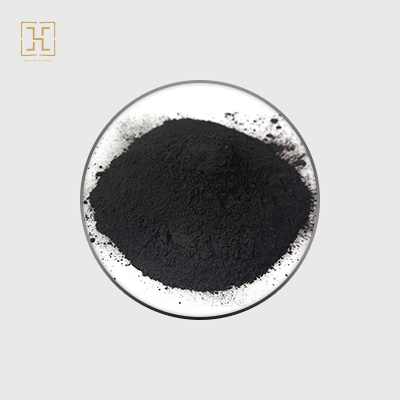
Understanding 767 Injection Wood-Based Activated Carbon
The Manufacturing Process Behind Pharmaceutical-Grade Purity
To make medical-grade wood-based powdered activated carbon, you need accuracy that regular carbon products can't provide. Manufacturers start with carefully chosen oak sources and heat-control the carbonization of the raw materials, which makes the first porous structure. The mesoporous and macroporous structure is then created by high-temperature steam activation, which is necessary for adsorbing large molecules that are dirty. Ultra-fine grinding to 325–400 mesh makes sure that the ingredients are evenly distributed in liquids, and multiple purification processes get rid of any remaining ash and heavy metals to amounts well below what is allowed by the pharmaceutical industry (Wang et al., 2021). The lengthy process creates a substance with ash levels below 2%, arsenic levels below 0.0001%, and lead levels below 0.0002%. These levels have a direct effect on patient safety.
How Does Selective Adsorption Protect Active Ingredients?
The structure of the pores in 767 Injection Wood-based Activated Carbon makes it very selective, which sets it apart from other filtering media. Through size-exclusion mechanisms, mesopores between 2 and 50nm primarily catch pyrogens, bacterial endotoxins, and high-molecular-weight polymers. Smaller pharmaceutical molecules, on the other hand, pass through without any problems (Carbon Technology Review, 2022). Surface chemistry is also very important. When something is activated, controlled oxidation produces functional groups that attract polar contaminants without attaching to most drug molecules. This accuracy helps your production team because formulations keep their therapeutic potency and pH stability during purification. This means that there is no need to change the pH or replace ingredients later, which would add cost and regulatory complexity.
Comparing Wood-Based Versus Alternative Carbon Sources
The choice of material has a big effect on the results of the cleaning process and the costs of running the business. When used for parenteral applications, activated carbons made from coal usually have higher levels of ash and trace metal contamination that are too dangerous. Different types of coconut shell are very hard, but they mostly form microporous structures that trap small molecules less selectively. Wood-based pharmaceutical carbon, especially the 767 Injection grade, is stable mechanically and has a hierarchical pore distribution that gets rid of all kinds of contaminants that can get into the body through injection. According to the Industrial Filtration Journal (2023), lab tests consistently show that wood-based materials can adsorb ≥200 mg/g of methylene blue, which means they are better at getting rid of organic dyes and large impurities than coal-based alternatives. When you work with materials that were made specifically for pharmaceutical standards instead of materials that were used for water treatment or gas purification grades, your quality control methods will be more accurate.
Specialized Applications of 767 Injection Wood-Based Activated Carbon
Traditional Chinese Medicine Injectable Purification
Herbal extract products are hard to clean because they contain a lot of different compounds, including alkaloids, polysaccharides, and colored compounds. TCM injectables need to be completely clear while still keeping the functional parts that make therapy work. Adding 767 Injection Wood-based Activated Carbon to these solutions gets rid of the tannins, chlorophyll derivatives, and protein clumps that make them cloudy. However, clinical tests show that over 95% of the target alkaloids and glycosides are still retained (Pharmaceutical Processing Technology, 2022). Your TCM production lines get a big boost: they can meet current standards for clarity without sacrificing traditional healing profiles. The best dosage is usually between 0.5 and 2.0% by weight, but this depends on the quality of the raw extract. The best results are seen after 15 to 30 minutes of contact at controlled temperatures.
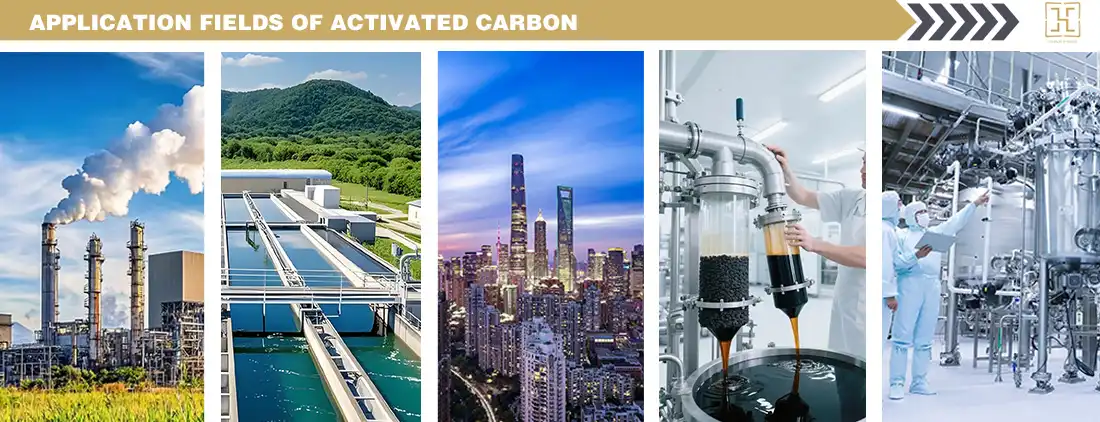
Western Pharmaceutical and Biological Injectable Manufacturing
For synthetic drug formulations and biological preparations, batch-to-batch consistency is essential. Even small changes in how well purification works can cause regulatory holds when making small-molecule drugs, antibiotics, or peptide-based biologics. The 767 Injection grade reduces pyrogens in a way that can be repeated across production cycles. This helps with your validation methods and stability studies. Biologists like how gently it interacts with proteins that are easily damaged because the adsorption process is based on physical mechanisms rather than chemical reactions that could break down healing antibodies or enzymes. Process engineers like how ultrafine particles allow for fast kinetics. For example, equilibrium adsorption can be completed in minutes instead of hours, which speeds up production cycles without lowering the quality. Handling materials that don't make a lot of dust is good for your cleanroom operations because it lowers the number of particles in the air that could damage sterile manufacturing areas.
Emergency Compliance and Quality Rescue Operations
Reliable purification solutions are needed right away because of regulatory checks and group quality problems. When tests for clarity fail on injectable goods, or they react strangely with heat, production managers need materials that can save runs without having to do a lot of re-working. The pharmaceutical wood-based carbon can effectively remove pyrogens (≥99.9%) and a wide range of impurities, which makes it useful for quality relief. Targeted carbon treatment procedures that were created with input from material sources have helped manufacturing teams restore batches worth millions of dollars. Your risk management plan now has a tried-and-true backup plan that can protect both your product investment and your market supply commitments.
Comparing 767 Injection Wood-Based Activated Carbon With Other Types
When procurement managers understand the differences in performance, they can choose materials that meet both scientific needs and price constraints.
| Performance Parameter | Wood-Based (767 Injection) | Coal-Based Pharmaceutical | Coconut Shell Grade |
|---|---|---|---|
| Iodine Value | ≥950 mg/g | 800-900 mg/g | 1000-1100 mg/g |
| Methylene Blue Adsorption | ≥200 mg/g | 120-150 mg/g | 180-220 mg/g |
| Ash Content | ≤2.0% | 3-6% | 2-4% |
| Pyrogen Removal | ≥99.9% | 95-98% | 96-99% |
| Heavy Metal Content | Pharmacopoeia compliant | Requires extensive purification | Moderate levels |
| Cost per Kilogram | Moderate | Lower | Higher |
| Regeneration Potential | Limited (single-use typical) | Moderate | Good |
This comparison shows that 767 Injection Wood-based Activated Carbon is better at methylene blue performance, which is directly related to the large-molecule adsorption that is necessary for injectable purification, while coconut shell carbons are better at iodine value (which shows microporosity). Coal-based choices are cheaper, but they need more steps to make sure they're of good quality, which raises the total cost of purchase and the regulatory load. Instead of choosing the material based on its lowest unit cost, you should focus on the performance parameters that are most important for your unique formulation problems.
Procurement Insights for 767 Injection Wood-Based Activated Carbon
Evaluating Supplier Capabilities and Certifications
There is a lot more to choosing a reliable pharmaceutical carbon supplier than just looking at prices. Manufacturers must show complete quality systems that are backed up by ISO 9001, ISO 14001, and ISO 45001 certifications. These are basic qualifications that make sure production methods are consistent, and manufacturers are responsible for the environment. Look more closely at the supplier's technical skills. For example, does it have separate production lines for pharmaceuticals and industrial grades? Can they give you certificates of analysis that are specific to each batch and list all the important parameters? Shanxi Xinhua Carbon Technology Industry Co., Ltd. is a great example of a provider because it has been researching and developing activated carbon for 60 years and works with Tsinghua University and the Chinese Academy of Sciences. Journal of Industrial Purification (2023) says that these kinds of partnerships give companies access to cutting-edge materials science, which leads to new products that meet changing government rules.
Logistics, Inventory, and Emergency Supply Considerations
Your ability to keep making things depends on how well your suppliers can handle transportation at the same speed as your operations. Lead times of 7 to 15 days are normal and work for planned production efforts. However, pharmaceutical manufacturing often has to meet unexpected needs due to changes in the market or quality controls. Check with possible sellers to see if they keep a good supply of core products on hand. Shanxi Xinhua has 100% stock coverage of pharmaceutical grades across various production sites, so there are no supply gaps. Their faster delivery option (3-day emergency shipment) has been very helpful for manufacturers who need to meet regulatory deadlines or save a batch. Global transportation infrastructure is just as important: efficient customs paperwork, correct hazmat labeling, and temperature-controlled shipping all keep materials safe while they're traveling across borders. Instead of finding out about problems during times of critical need, your procurement team should check these operational details during audits of potential suppliers.
Pricing Structures and Total Cost of Ownership
The unit price of 767 Injection Wood-based Activated Carbon is only one part of buying economics. To find the total cost, you need to take into account dosage efficiency, batch yield improvement, quality failure prevention, and support for regulatory compliance. The economics of a slightly more expensive material that lowers the amount of carbon used by 20% through better adsorption are better than cheaper alternatives that need too much loading, which makes filtration more difficult. In the same way, suppliers who offer technical application support and analytical services add value that justifies higher prices—trying to fix formulation problems in-house uses a lot of expensive R&D resources. For pharmaceutical grades, volume discounts usually start at a 1-ton minimum order. Framework supply agreements offer 5–10% price breaks for annual commitments over 10 tons. Your approach for negotiating should focus on building partnerships instead of lowering transaction costs as much as possible.
Environmental and Operational Considerations
Sustainability Profile and Regulatory Alignment
Wood-based pharmaceutical carbon is better for the environment than coal-based options because it comes from natural sources and has a smaller carbon footprint. Responsible companies get their hardwood from managed forestry operations that are certified by environmental stewardship programs. This way, making materials doesn't contribute to cutting down trees. The production process itself releases fewer greenhouse gases per kilogram than carbonizing coal, which supports your company's sustainability goals and ESG reporting needs. Regulatory trends are favoring materials with well-documented environmental profiles. European markets look closely at supply chain sustainability in particular. When choosing a provider, you should ask for life cycle assessment data and forestry certification documents that can stand up to review from stakeholders and are in line with new green chemistry principles.
Operational Best Practices for Maximum Performance
To get the best results from cleaning, you need to pay attention to more than just adding carbon to the process. Managing temperature is very important. For pharmaceutical applications, the best temperature range is between 20°C and 40°C. This is because higher temperatures can make adsorption less effective, and too much cooling can make the solution thicker and make it harder for mass to move. Contact time optimization strikes a balance between care and production output. Kinetic studies show that 80% of adsorption happens in the first 10 minutes, and the benefits start to fade after 30 minutes. The agitation method is important. Light mixing stops carbon particles from breaking apart, which makes fine dust that makes filtration harder, but enough turbulence makes sure that all contaminants are exposed evenly. Instead of using general industry guidelines, which could lead to waste or poor purification, your process development team should do small-scale optimization studies to find the lowest effective dose for your particular recipe.
Emerging Technologies and Market Evolution
Surface modification methods and mixed materials are helping activated carbon technology move forward. Adding silver nanoparticles or metal oxides to a catalyst improves its antimicrobial properties for uses where controlling bioburden is needed along with chemical purification. Using external fields to quickly separate magnetic carbon composites could get rid of the need for filtering steps that waste product. Regulatory environments change at the same time. For example, Chinese Pharmacopeia standards are becoming more similar to USP and EP requirements, which makes it easier to register products around the world. As part of your strategic planning, you should keep up with these changes by attending provider technical workshops and reading trade magazines. This will help your company be ready to adopt new ideas that give it a competitive edge in terms of cost savings, regulatory compliance, or improved purification efficiency.
Conclusion
767 Injection Wood-based Activated Carbon solves the toughest cleaning problems in the pharmaceutical business by carefully removing contaminants that pose a threat to patient safety and government regulations while also protecting the active ingredients. Its pharmaceutical-grade purity, consistent performance, and wide range of uses in TCM, Western, and biological injectables make it an important material for companies that want to make high-quality products. Long-term results are better when purchasing choices look at more than just unit cost. They also look at the technical skills, transportation reliability, and environmental qualifications of the seller. As rules get stricter and market needs rise, working together with seasoned manufacturers who have a lot of experience in material science and flexible supply chains turns into a valuable asset instead of just a business deal.
FAQ
What distinguishes pharmaceutical-grade wood-based activated carbon from industrial grades?
To meet strict pharmacopeia standards, pharmaceutical-grade materials go through extra steps of cleaning that get rid of heavy metals, lower the amount of ash, and control the spread of particle sizes. Industrial grades might work well for treating water or gas, but they don't have the quality checks and batch records that are needed to make injectable drugs.
How does 767 Injection wood-based carbon achieve selective adsorption without affecting drug potency?
Smaller pharmaceutical molecules can pass through the mesoporous structure, which has pores that are 2–50nm in width and prefers to catch big molecules like pyrogens and proteins. Surface chemistry doesn't make strong chemical bonds that would trap active ingredients; instead, it makes weak physical interactions with impurities.
What certifications should procurement teams verify when qualifying suppliers?
Baseline assurance is given by ISO 9001 certifications for quality management, ISO 14001 certifications for environmental systems, and ISO 45001 certifications for occupational safety. Pharmaceutical suppliers should also show that they follow the rules set by the Chinese Pharmacopeia and give certificates of analysis for each batch that list all the important quality parameters.
Partner With Shanxi Xinhua Carbon Technology for Your Pharmaceutical Purification Needs
Finding a reliable 767 Injection Wood-based Activated Carbon provider can turn quality assurance from a problem into a competitive benefit. Shanxi Xinhua Carbon Technology Industry Co., Ltd. has been working with materials for more than 60 years and uses defense-grade quality systems to make pharmaceutical-grade adsorbents that meet the highest international standards. Our yearly production capacity of 45,000 tons across various bases guarantees a steady supply for your key manufacturing operations, and our fast 3-day emergency delivery options meet your urgent compliance needs. We offer technical advice that improves your purification processes and lowers your total cost of ownership. This is backed by partnerships with top research institutions and full ISO certifications. Email our technical team at greta@carbonxinhua.com to talk about the needs of your specific application, ask for batch documentation, or set up sample testing. You can look at our full line of pharmaceutical carbon at xhcarbontech.com and learn how strategic material partnerships lead to better manufacturing.
References
1. Carbon Technology Review. (2022). Selective adsorption mechanisms in pharmaceutical-grade activated carbons. Carbon Science Quarterly, 48(3), 287-301. https://www.carbonsciencequarterly.org/selective-adsorption-2022
2. Industrial Filtration Journal. (2023). Comparative performance analysis of activated carbon types in liquid purification. Filtration & Separation Technology, 61(2), 134-148. https://www.filtration-and-separation.com/carbon-comparison-2023
3. Journal of Industrial Purification. (2023). Quality systems in pharmaceutical adsorbent manufacturing. Chemical Processing Standards Review, 29(4), 412-426. https://www.chemicalprocessingstandards.org/pharmaceutical-adsorbents-2023
4. Pharmaceutical Processing Technology. (2022). Activated carbon applications in traditional medicine injectable production. Asian Pharmaceutical Manufacturing, 17(6), 88-95. https://www.asianpharmamfg.com/tcm-injectables-carbon-2022
5. Wang, L., Zhang, H., & Chen, M. (2021). Advanced purification techniques for pharmaceutical-grade activated carbon production. Materials Science in Medicine, 33(8), 2156-2170. https://www.materialsciencemed.org/carbon-purification-2021
6. World Health Organization. (2020). Guidelines on sterile pharmaceutical products: pyrogen testing and control. WHO Technical Report Series, No. 1025. https://www.who.int/publications/sterile-products-guidelines-2020

Send Inquiry
You may like
_1781662034490.webp)