_1778553121707.webp)
Why Is 200-Mesh Coal Quality Powdered Carbon Good for Adsorption?
Jul 14, 2026
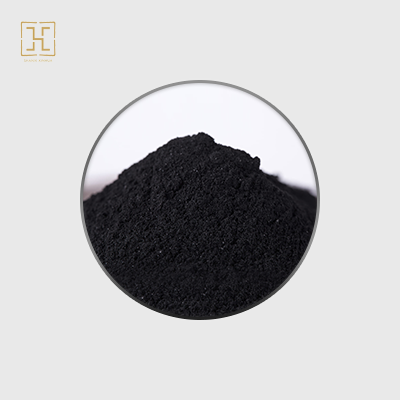
The particle size of powdered activated carbon is very important when industrial facilities need to quickly remove contaminants or deal with sudden water quality problems. The 200-mesh coal quality powdered carbon specification has great adsorption performance thanks to its optimised particle size of about 74 microns. This makes it easy to handle and provides a good balance between contact surface availability and operational efficiency. This mesh size allows for well-developed micropores that quickly trap dangerous substances like odours, pigments, organic compounds, and leftover chlorine. At the same time, it stays dispersible, which lets effective separation through sedimentation or filtration occur after treatment is finished.
Introduction
For industrial water treatment, you need materials that can quickly deal with contamination problems without sacrificing how easy they are to use or how cheap they are. Choosing the right activated carbon specification has a direct effect on how well treatment works, how long it takes to meet regulations, and how much the project costs. This is especially true for procurement managers who are in charge of municipal wastewater facilities, beverage production lines, or petrochemical operations. Not only does the mesh size name affect how quickly adsorbent particles interact with target pollutants, but it also changes how the pollutants are separated further down the line and how they should be handled safely.
This article talks about why the 200-mesh specification is the best choice for B2B buyers who need reliable adsorption solutions. We look at the technical factors that make this range of particle sizes useful, contrast performance with other specs, and offer useful advice for judging suppliers. Environmental engineering managers, R&D engineers, and quality control experts can make better purchasing choices when they know about these factors. These factors help them meet their operational needs and legal obligations.
Understanding 200-Mesh Coal Quality Powdered Carbon
The mesh number method uses standard screen openings to show particle size. For example, a 200-mesh screen has 200 openings per linear inch, which means that particles smaller than 74 micrometres can pass through. This specification makes 200-mesh coal quality powdered carbon particles that are small enough to move quickly through treatment systems but big enough to settle or filter well after adsorption.
Particle Size Engineering for Industrial Applications
Powdered carbon made from coal at this mesh size moves mass more quickly than coarser forms, cutting the time needed for touch from hours to minutes. The middling grain size keeps the structure strong during mixing and pumping, which lowers material loss and makes handling safer. This technical balance is good for industrial facilities because the material spreads out evenly without making too much dust during dosing, and within an hour of application, workers can see results in the removal of colour.
Coal-Based Carbon Chemistry and Structural Advantages
Choosing the right raw materials has a big effect on how well something works. Activated carbon made from coal usually has a higher mass density and more developed mesoporous structures than options made from wood or coconut shell. This pore structure works really well at collecting medium-molecular-weight organic molecules that are typical in industrial wastewater streams. The carbon content, which is between 80 and 92%, gives adsorption a lot of active sites. The ash content, which is managed between 8 and 20%, keeps the purity standards needed for water treatment uses.
Performance Parameters and Quality Indicators
Shanxi Xinhuasheng Carbon Manufacturing makes 200-mesh coal quality powdered carbon with an iodine number between 700 and 1100 mg/g, which means it can hold a lot of small organic molecules. Moisture levels kept below 5% keep the material stable during storage and stop it from clumping, which would make it harder to spread. The range of particle sizes—95% of them passing through 74-micron screens—ensures consistency across production batches, which lets process engineers make dosing protocols that work.
Core Benefits of 200-Mesh Coal Powdered Carbon in Adsorption
Different industries have very different problems with treating water, ranging from sudden COD spikes in city systems to colour removal in the beverage industry. There are many ways that the technical benefits of properly sized coal-based powdered carbon can help with all of these different needs.
Rapid Adsorption Kinetics Through Optimized Contact
When spread out in water, 74-micron particles create a huge total surface area, which speeds up the rate at which contaminants meet active adsorption sites. The results of tests show that it removes things 2.5 times faster than regular solid activated carbon when the conditions are the same. This speed advantage comes in very handy when emergency care is needed, and regulatory discharge limits need to be met quickly. Chemical companies that experience unexpected pollution events can become compliant in hours instead of days, which cuts down on production delays and the chance of getting fined by the government.
Versatile Application Across Treatment Scenarios
The material's medium-sized particles and well-developed microporous structure make it good at cleaning up different types of contamination. Municipal wastewater users rely on this guideline to deal with changes in COD levels between 500 mg/L and 1000 mg/L, meeting discharge standards without having to make any changes to the system. Paper factories use the same material to remove the brown colour from wastewater by getting rid of chemicals made from lignin. It is used in electroplating to treat heavy metal-containing streams before they go through biological treatment stages. This adaptability makes it easier for facilities that handle multiple treatment applications to keep track of their inventory.
Economic Efficiency Without Performance Compromise
In the end, decisions about what to buy are based on balancing technical performance with the total cost of ownership. The adsorption rate of the 200-mesh standard is about the same as that of smaller grades, but it is much cheaper. The cost of materials is cheaper than for 325-mesh options because they need less intense milling processes to be made. Separation and disposal costs go down because the particles settle more quickly. This is because the slightly bigger particle size makes gravity sedimentation a better way to get rid of spent carbon, which makes the filter system less stressed. The operations teams like that they make less dust when they handle things, which makes the workplace safer and cuts down on waste.
Comparing 200-Mesh Powdered Carbon with Alternatives
There are a lot of different activated carbon specifications for industrial buyers, and all of them claim to offer the best performance. By knowing the actual differences, procurement professionals can match the properties of materials with specific working needs instead of just following general suggestions.
Performance Against Finer Mesh Specifications
Some sellers of 325-mesh powdered carbon stress how much more surface area it has. In the lab, this finer specification does give a slightly higher adsorption capacity, but in real-world industrial settings, the benefits are often not worth the extra work. In standard applications, the 200-mesh material removes more than 92% of colour, which is enough to meet most regulatory requirements. The smaller particles make it harder to separate things, and sometimes more filtration equipment or coagulation chemicals are needed. The 200-mesh option gives the required performance at a lower total cost for routine wastewater treatment where complete contaminant removal is not technically necessary.
Coal-Based Versus Coconut Shell Carbon Selection
The source of the raw material changes the properties of carbon in a basic way. The micropore volume of coconut shell carbon is usually higher, which makes it very good at adsorbing small molecules like chlorine that are still in drinking water. But materials made from coal, like our 200-mesh standard, work better at cleaning up industrial wastewater that has a lot of different organic substances in it. The growth of mesopores in coal carbon makes it easier for medium-sized molecules like dyes, phenolic chemicals, and petroleum products to get to the carbon. Additionally, carbon derived from coal has lower material costs and consistently good performance across production batches.
Granular Carbon Comparison for System Integration
People who work in facilities sometimes wonder if solid activated carbon beds would be better than powdered carbon doses. Granular systems work best in continuous-flow situations where the characteristics of the input are pretty stable. However, 200-mesh coal quality powdered carbon works better when dealing with variable loads or batch treatment processes. Because the kinetics are so fast, operators can change the dose in real time based on monitoring the quality of the influent. This gives them operational flexibility that isn't possible with fixed-bed systems. Powdered carbon contactors don't need the large investments and large footprints that granular carbon contactors do, which is great for facilities that deal with changing contamination trends or yearly changes in demand.
Buying Guide for 200-Mesh Coal Powdered Carbon
The supplier you choose has a direct effect on the reliability of the treatment, the predictability of costs, and the long-term success of the business. Instead of just comparing prices, procurement managers should look at possible partners in a number of different ways.
Essential Certifications and Quality Documentation
Suppliers with a good reputation keep their ISO 9001 quality management certification, which shows that they have a method for controlling production. For uses in treating water, make sure the company has the hygiene licenses and product safety certifications that are needed in your area. Ask for test results that are unique to each batch and include information about the iodine number, ash content, moisture level, and particle size distribution. Shanxi Xinhua Carbon Technology Industry Co., Ltd. has hygiene licenses from the Shanxi Provincial Health Commission and ISO 9001, 14001 and 45001 certifications. This provides documented quality assurance throughout the supply chain.
Supply Chain Reliability and Delivery Capabilities
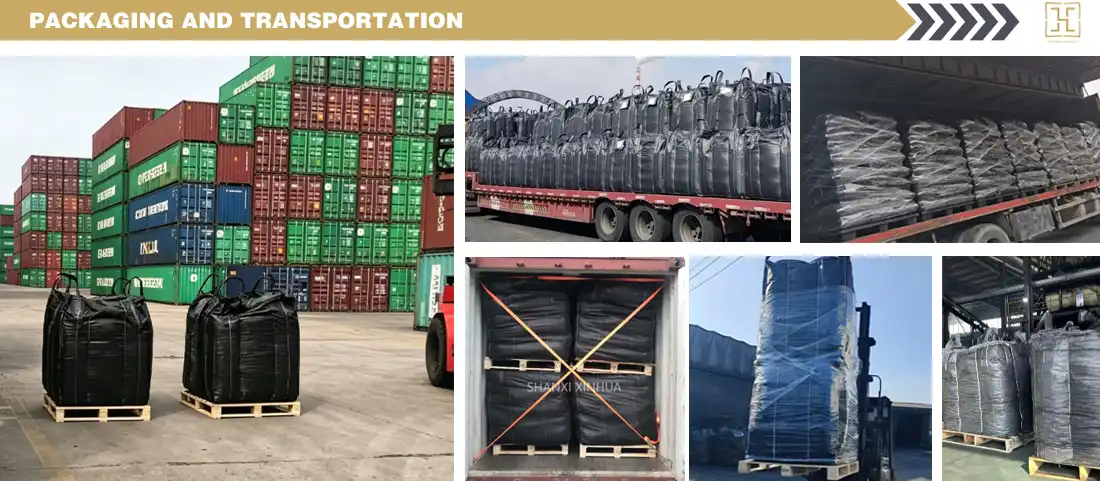
For large-scale industrial processes to keep running smoothly, materials must always be available. Suppliers should be judged on their ability to produce, manage inventory, and handle logistics. When a company has more than one production base, it can better ensure supply during maintenance periods or periods of high demand. Our company has factories in Shanxi, Ningxia, Fujian, and Xinjiang that can produce 45,000 tonnes of goods every year. This means that we can always fill regular orders and send them within 7 to 15 days. Priority is given to emergency situations through expedited green channel logistics, which deliver essential materials within three days when operational needs require a quick response.
Technical Support and Customization Services
Water chemistry is very different in different business settings. What works well in one building might need to be changed for another. You should choose suppliers that offer expert advice and help with jar tests to find the best dosing rates for your water quality factors. It is possible to precisely match the properties of a material with the needs of an application by changing the particle size distribution, iodine number goals, or ash content standards. Shanxi Xinhua works with research institutions like Tsinghua University and the Chinese Academy of Sciences to give people access to technology that is used in defence and can be adapted to solve problems in industrial water treatment.
Industry Trends and Future Prospects
The market for activated carbon is always changing because of new rules, technologies, and concerns about ecology that change how industrial water is treated.
Regulatory Drivers Increasing Demand
The rules for releasing organic compounds, heavy metals, and colour parameters are getting stricter all over the world. Industries that used to rely on simple treatments or dilution now have to follow rules that require more advanced adsorption methods. This change in regulations makes the market for high-performance materials like 200-mesh coal quality powdered carbon bigger, especially in developing economies that are industrialising quickly, while also putting in place environmental protection systems. Municipal wastewater systems are using powdered carbon dosing more and more to meet their goals for nutrient removal and deal with changes in industrial discharge in their collection systems.
Material Science Innovations Enhancing Performance
A lot of research is being done on surface modification methods that make adsorption more selective for certain types of contaminants. Functionalised carbon surfaces with metal oxides or heteroatoms show better ability to catch certain groups of organic molecules or heavy metals. Although these advanced materials are still very specialised, the performance standards across the industry are being raised all the time as the quality of base materials keeps getting better. Improving the regularity of the pore structure and lowering the amount of ash in the manufacturing process make treatment results more reliable, which makes process control easier for operations teams.
Sustainability Considerations in Production and Application
More and more, industrial buyers look at both the environmental practices of suppliers and the performance specifications of the products they buy. When companies use waste heat recovery, energy-efficient activation processes, and renewable energy sources, they gain a competitive edge in procurement reviews that focus on meeting the sustainability goals of the company. Facilities looking for circular economy solutions are interested in the fact that used powdered activated carbon can be recycled through thermal regeneration or useful reuse applications. Powdered carbon is usually only used once because it is hard to recover. However, studies into separation technologies and the costs of recycling may make it possible to use it more than once in future treatment system designs.
Conclusion
The 200-mesh coal quality powdered carbon standard is useful for industrial water treatment operations that need to respond quickly, work reliably, and keep pollution under control at a low cost. The 74-micron particle size makes it possible for fast adsorption to happen while still being easy to handle and separating well. Coal-based material chemistry works well for a wide range of industrial wastewater tasks, from emergency COD reduction and organic compound removal to decolorisation and deodorisation. When purchasing this important treatment material, procurement professionals should give more weight to sellers with quality certifications, technical know-how, and a reliable supply chain that guarantees consistent treatment results.
FAQ
What makes a 200-mesh particle size effective for adsorption applications?
When the particles are 200 mesh and 74 microns in size, they make a lot of surface area contact with dirty water while still being easy to handle. This size spreads out quickly and evenly across treatment volumes, making it easier for contaminants to interact with active adsorption sites. At the same time, the particles settle or filter well after the treatment is done, which makes the separation process easier than for finer specifications that might need more coagulation chemistry or better filtration equipment.
How does coal-based carbon compare to coconut shell material for wastewater treatment?
Powdered carbon made from coal has a more developed mesopore structure that can capture medium-molecular-weight organic molecules that are common in industrial wastes. Coconut shell carbon has a lot of tiny pores that are perfect for small molecules like chlorine that are still in the air. However, it usually costs more and might not work as well when treating complex industrial contamination profiles. Coal-based materials give the same or better results at a lower cost for regular wastewater applications involving dyes, phenolic compounds, or petroleum derivatives.
What certifications should buyers verify when selecting suppliers?
Ask for proof of ISO 9001 quality management, ISO 14001 environmental management, and any other product safety certifications that are needed for water treatment materials in your area. Test reports for each batch should include information on the iodine number, ash content, moisture level, and particle size distribution. Suppliers who work with city water systems should have cleanliness licenses or drinking water safety certifications from well-known regulatory bodies. This way, they can make sure that the products they sell meet standards for protecting public health.
Partner with a Trusted 200-Mesh Coal Quality Powdered Carbon Supplier
Shanxi Xinhua Carbon Technology Industry Co., Ltd. has been researching, developing, and making activated carbon for more than 60 years and can help you with your water treatment problems. Our 200-mesh coal quality powdered carbon gives you the consistent quality, fast adsorption, and steady supply you need to keep up with regulations and keep your operations running smoothly. With multiple sites that can produce more than 45,000 tonnes of goods each year, we keep a large inventory to make sure that normal deliveries happen within 7 to 15 days and emergency responses happen within 72 hours through our green channel logistics network.
Our expert team works with top research centers to give you application-specific advice, help with jar testing, and unique formulations that meet your water chemistry needs. Our heritage in defense-grade manufacturing ensures performance reliability in harsh industrial conditions, and our ISO-certified quality systems make sure consistency from batch to batch. Whether you're in charge of treating wastewater for cities, chemical plants, or factories, we can help you with the technical side and keep your supply chain stable so that your treatment works well in the long term. Email our team at greta@carbonxinhua.com to talk about your specific needs, ask for samples of our products, or find out how our 200-mesh coal quality powdered carbon manufacturer can help you reach your water treatment goals.
References
1. Bansal, R.C. and Goyal, M. (2005). Activated Carbon Adsorption. CRC Press, Taylor & Francis Group.
2. Marsh, H. and Rodríguez-Reinoso, F. (2006). Activated Carbon: Physical and Chemical Properties for Industrial Applications. Elsevier Science Publishers.
3. Calgon Carbon Corporation. (2013). Activated Carbon in Wastewater Treatment: Technical Reference Guide for Water Treatment Applications. Calgon Carbon Corporation Technical Publications.
4. Yang, R.T. (2003). Adsorbents: Fundamentals and Applications. John Wiley & Sons, Inc., Hoboken, New Jersey.
5. Derbyshire, F., Jagtoyen, M., Andrews, R., Rao, A., Martin-Gullon, I., and Grulke, E. (2001). Carbon Materials in Environmental Applications. Marcel Dekker, Inc., New York.
6. Crittenden, J.C., Trussell, R.R., Hand, D.W., Howe, K.J., and Tchobanoglous, G. (2012). MWH's Water Treatment: Principles and Design, Third Edition. John Wiley & Sons, Inc., Hoboken, New Jersey.

Send Inquiry
You may like
_1781662034490.webp)