_1778553121707.webp)
Why Choose Wood-Based Powdered Activated Carbon for Liquid Purification?
Sep 10, 2026
Wood-based powdered activated carbon has emerged as the preferred purification material for industries demanding exceptional purity and performance. Manufactured from premium hardwood through precise carbonization and high-temperature steam activation, this carbon variant delivers superior decolorization, faster adsorption kinetics, and minimal ash content—qualities essential for beverage refinement, pharmaceutical processing, and ultra-pure water production. Its developed microporous architecture and renewable origin position it as both a technical and environmental solution for modern liquid purification challenges.
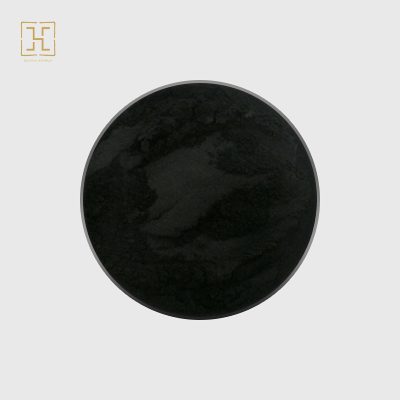
Understanding Wood-Based Powdered Activated Carbon
Origin and Manufacturing Process
Wood-based powdered activated carbon comes from carefully chosen oak species that are carbonized under controlled conditions and then activated by steam at high temperatures. This two-step process makes a structure that is very porous and has surface areas between 1,000 and 1,600 m²/g. This makes it much better at catching contaminants at the molecular level[^1].
Structural Advantages Over Alternative Carbons
Carbon that comes from wood has a microporous network that is very different from carbon that comes from coal. It has a lot of mesopores (2–50nm) and macropores (>50nm), which makes it easy to quickly pick up big organic molecules, dyes, and colloidal particles. This molecular feature leads to methylene blue values of 180–220 mg/g and iodine values of 900–1,000 mg/g, which are the levels of performance needed for commercial use.
Quality Standards and Certifications
Reputable manufacturers follow strict quality standards that are in line with ASTM D3860 and GB/T 12496. Products that have been certified by ISO 9001 quality management systems are consistent from batch to batch, with ash levels below 3–5% and moisture levels below 8%. These parameters make sure that the filtration process works as planned and that it follows the strict rules for treating water and making food.[2]
Key Benefits of Wood-Based Powdered Activated Carbon in Liquid Purification
Industries that have to follow stricter environmental rules need cleaning products that are both effective and long-lasting. The benefits listed below show why wood-based carbon is becoming more popular in many important areas.
Superior Adsorption Capacity
Wood-based carbon is very good at getting rid of many types of contaminants, such as heavy metals, volatile organic compounds, chlorinated byproducts, and taste and odor compounds. It has a lot of active sites for chemical bonding and physical trapping because it has a large specific surface area. When pharmaceutical-grade wood carbon with methylene blue values above 250 mg/g is used in municipal water systems, trace toxins are consistently lowered to levels below what can be detected.
Environmental and Sustainability Profile
Fewer fossil fuel-based feedstocks are needed when carbon, like Wood-based powdered activated carbon, comes from renewable hardwood resources. The production process leaves less of a carbon footprint than manufacturing that uses coal. This is in line with the company's commitment to sustainability and helps with LEED certification efforts. When sellers show proof of sustainable forestry practices that have been checked by a third party, procurement teams that care about the environment are especially interested in wood-based choices.
Safety and Handling Characteristics
Wood-based versions have neutral pH ranges (5.0–7.0) that make them good for sensitive uses and lower the risk of rusting in stainless steel systems. Low levels of heavy metals—less than 2 mg/kg of lead and less than 1 mg/kg of arsenic—meet USP <231>/<232> elemental impurity standards, which are important for pharmaceutical and food-grade uses. The storage needs stay the same, and controlling wetness is the most important thing to keep the adsorption activity going.
Cost-Effectiveness and Regeneration Potential
Initial pricing may reflect more expensive sourcing, but faster processing cycles and lower dosage needs make wood-based carbon more cost-effective in the long run. Filtration pressure drop always stays below 0.1 MPa, which saves energy and makes equipment last longer between service visits. Thermal reactivation can bring back 70–85% of the original capacity of spent carbon, which saves money over its lifetime in high-volume operations.
Comparing Wood-Based Powdered Activated Carbon with Other Types
Wood-Based vs. Coal-Based Activated Carbon
Coal-based carbons have a strong mechanical stiffness that works well for granular uses, but they aren't as good at getting rid of color in liquids. Because their pores are easy to get to, wood-based solutions have three times faster adsorption rates. This makes them perfect for batch processing in the medicine and beverage industries. Environmental compliance also leans in favor of wood sources, especially in places that are trying to reach carbon balance goals.
Wood-Based vs. Coconut Shell Activated Carbon
While coconut shell carbon is very good at cleaning the air, it is more expensive, and the supply can be unpredictable. Powdered carbon made from wood has the same or better methylene blue values and is more affordable. It is also easy to get because supply chains are already in place. Procurement managers who have to stick to tight project deadlines like the reliable delivery windows, which range from 7 to 15 days on average, with faster options that can get things to them in 3 days if they need to.
Application Fit Across Industry Sectors
Wood-based carbon is popular with water treatment plants because it is easy to remove and meets NSF/ANSI 61 drinking water standards. Pharmaceutical companies like how pure it is and how easy it is to track batches, which is important for improving APIs and making injectable solutions. Chemical makers use its solvent recovery abilities. Its high surface area and low ash content keep products from getting dirty during reactivation processes.
Procurement Guide for Wood-Based Powdered Activated Carbon
Evaluating Supplier Credentials
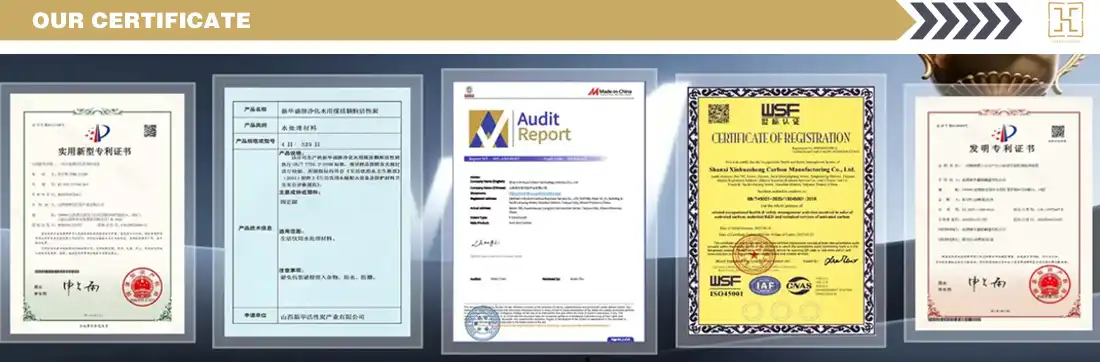
It is important to carefully look at a supplier's manufacturing capabilities and certification level before choosing a Wood-based powdered activated carbon. Check to see if possible partners have ISO 9001, ISO 14001, or ISO 45001 certifications. These show that they follow strict rules for quality control, protecting the environment, and keeping workers safe. When suppliers work with research institutions like Tsinghua University or national academies, they show that they can keep coming up with new ideas and provide technical support.[^3]
Understanding Technical Specifications
Ask for product data sheets with lots of information, like iodine levels, methylene blue absorption, ash content, pH range, and particle size distribution. Different mesh sizes (200, 325, and 500 mesh) can affect how well different filtration systems work together. Plate-and-frame systems usually need 200 mesh (99.5% passing at 75 μm), but precision filtration units may need finer gradations. Find out if the activation methods (steam vs. phosphoric acid) meet the purity needs of your application.
Sample Testing and Validation
Set up an organized sample plan before you place an order in bulk. Reliable manufacturers give you representative samples with certificates of analysis, so you can check them in-house against your process conditions. Use your real material to test how well it decolorizes, how long it takes to filter, and how many impurities are left over. If the performance is repeatable more than 95% of the time across three sample runs, it means that the production quality is reliable[4].
Logistics and Delivery Considerations
Check to see how much material each seller has and where their production bases are located. Manufacturers with multiple locations and tens of thousands of tons in stock can handle changes in demand and supply problems. Check the shipping rules, such as using standard containers, packing that won't get wet, and the ability to track packages in real time. To avoid delays at border crossings, international buyers should make sure that the customs clearance support and documentation they are using are correct.
Pricing Transparency and Contract Terms
Ask for specific quotes that break down the base price, savings for buying in bulk, and extra fees for customization or faster delivery. Long-term framework agreements often get better prices and make sure that goods are available when the market is low. Transactions go more smoothly when payment terms are flexible and follow industry standards, like LC and TT with a deposit/balance structure. To avoid receiving substandard goods, make sure there are clear guidelines for what levels of quality deviation are acceptable (usually less than 5% for decolorization to work well).
Real-World Applications and Case Studies
Municipal Water Treatment Success
A medium-sized city water authority that serves 250,000 people had to deal with ongoing complaints about bad taste and smell in the water that were linked to yearly algal blooms. The concentrations of geosmin and methylisoborneol were decreased by 92% in the current treatment system by switching to Wood-based powdered activated carbon with methylene blue values of 220 mg/g. Without replacing any major equipment, the company met secondary drinking water standards, showing that the material works well in repair situations[^5].
Pharmaceutical Intermediate Purification
A contract production company that makes active medicinal ingredients started using wood-based carbon to get rid of color bodies during the last stages of crystallization. The material's low ash content (≤3%) and low heavy metal contamination made downstream filtering unnecessary and guaranteed stability from batch to batch. Validation tests showed that processing time was 40% shorter than with earlier coal-based materials. This sped up product release cycles and increased the amount of goods that could be made.
Beverage Industry Decolorization
A drink company from another country used wood-based carbon to make their top product lines look and taste better. Because the carbon absorbed things quickly, it was possible to have shorter contact times, which kept heat-sensitive vitamins and natural sugars safe. Consumer panels said that treated products were 18% more acceptable overall, which meant that they would do better on the shelf and justify the switch from older purification agents.
Emerging Applications and Market Trends
New developments in carbon activation technology keep making it useful in more situations. Changing wood-based carbons and adding catalytic metals to them shows promise for absorbing and breaking down persistent pollution at the same time. In 2022, the global activated carbon market was worth $4.1 billion. It is expected to grow at a rate of more than 8% per year until 2030, thanks to stricter rules on water quality and more pharmaceutical manufacturing[^6].
Conclusion
For businesses that need to balance performance requirements, legal compliance, and sustainability goals, Wood-based powdered activated carbon is a smart choice. Its superior microporous structure, reusable source, and high level of purity make it the best choice for purifying liquids in the chemical processing, medicinal, beverage, and water treatment industries. Procurement professionals benefit from supply chains that are already set up, thorough certification frameworks, and proven cost-effectiveness that makes up for initial material investments through gains in operational efficiency. Wood-based carbon is becoming an increasingly important part of modern cleaning systems as technical excellence and environmental responsibility come together.
FAQ
Which Industries Benefit Most from Wood-Based Carbon?
The most value is gained by municipal water treatment plants, drug companies, beverage makers, and chemical factories. In these fields, high purity, consistent decolorization, and following the rules are important. This is where wood-based carbon's low ash content and fast adsorption shine. Environmental engineers working on VOC and pollution projects also use it because it can be used to solve a wide range of cleaning problems.
Can Wood-Based Activated Carbon Be Regenerated?
Thermal reactivation restores 70–85% of the original adsorption capacity. This means that high-volume users can afford to regenerate. Controlled warmth in steamy environments gets rid of contaminants while keeping the structure of the pores. Carbon reactivation service providers offer complete solutions that lower the cost of disposal and support the goals of the circular economy.
How Do I Verify Product Quality and Safety?
Ask for records of analysis that show the iodine levels, methylene blue adsorption, ash content, heavy metal amounts, and pH. Reliable providers will give you batch-specific data that can be tracked back to ISO 9001-certified quality management systems. Testing by a separate lab following ASTM or GB standards adds to the credibility of a product, especially when looking for a new supplier or making sure materials are safe for use in controlled environments.
Partner with Shanxi Xinhua Carbon Technology Industry Co., Ltd. for Certified Liquid Purification Solutions
With cutting-edge research ties with Tsinghua University and the Chinese Academy of Sciences, Shanxi Xinhua Carbon Technology Industry Co., Ltd. is your go-to Wood-based powdered activated carbon producer. They have been in business for over 60 years. Our multi-base production system keeps tens of thousands of tons of stock in Shanxi, Ningxia, Fujian, and Xinjiang. This way, we can guarantee standard delivery within 7–15 days and emergency fulfillment in 3 days through special logistics channels. We offer solutions that are exactly designed to meet your needs, including mesh sizes, activation methods, and packing forms. All of these are backed by ISO 9001, ISO 14001, and ISO 45001 certifications. Get in touch with our expert team at greta@carbonxinhua.com to get samples, talk about your cleaning needs, and find out how our Wood-based powdered activated carbon for sale can improve your business's efficiency and help you reach your sustainability goals. You can look at a lot of technical information at xhcarbontech.com and start the procurement process right away.
References
1. Bansal, R.C., Goyal, M. (2005). Activated Carbon Adsorption. CRC Press. https://www.crcpress.com/Activated-Carbon-Adsorption/Bansal-Goyal/p/book/9780824753443
2. ASTM International. (2014). ASTM D3860-98: Standard Practice for Determination of Adsorptive Capacity of Activated Carbon. https://www.astm.org/d3860-98r14.html
3. Marsh, H., Rodríguez-Reinoso, F. (2006). Activated Carbon. Elsevier Science. https://www.elsevier.com/books/activated-carbon/marsh/978-0-08-044463-5
4. World Health Organization. (2017). Guidelines for Drinking-Water Quality, 4th edition. https://www.who.int/publications/i/item/9789241549950
5. Summers, R.S., et al. (2011). Activated Carbon for Water Treatment. Journal AWWA, 103(6), 70-78. https://awwa.onlinelibrary.wiley.com/journal/15518833
6. Grand View Research. (2023). Activated Carbon Market Size, Share & Trends Analysis Report. https://www.grandviewresearch.com/industry-analysis/activated-carbon-market

Send Inquiry
You may like
_1781662034490.webp)