_1778553121707.webp)
Why Choose Refined Wood Charcoal for Edible Oil Refining?
Sep 11, 2026
Refined wood charcoal for edible oil is a precision-engineered adsorbent material produced through high-temperature carbonization, steam activation, and fine grinding of select hardwoods. Unlike generic filtration media, it delivers targeted removal of pigments, off-flavor compounds, and trace contaminants without compromising the oil's nutritional integrity or natural flavor. For edible oil producers operating under tightening food-safety regulations, it represents a technically sound, cost-effective, and compliant purification solution—one that consistently supports food-grade purity standards across soybean, rapeseed, peanut, and olive oil refining operations.
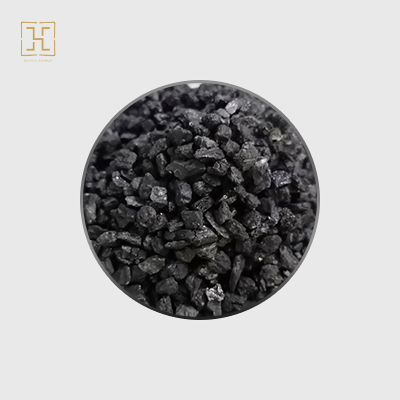
Understanding Refined Wood Charcoal in Edible Oil Refining
What It Is and How It Works
A controlled pyrolysis process creates a highly developed microporous and mesoporous architecture that is used to make Refined wood charcoal for edible oil. The material has a lot of specific surface area because of its structure. This lets it specifically absorb color pigments like chlorophyll and carotenoids, off-flavor molecules like aldehydes and ketones, and trace contaminants like heavy metals and leftover pesticides. The substance doesn't smell bad and doesn't leave behind any dangerous substances, so it can be used in food-contact uses that follow international safety rules.
Sustainability Credentials That Matter
In addition to its performance benefits, Refined wood charcoal for edible oil also has important environmental benefits. It has a much smaller carbon footprint than coal-based alternatives because it comes from renewable hardwood biomass. For companies that make edible oil and have to report on environmental, social, and governance issues (ESGs) or want to get GFSI approval, this buying profile meets all the standards for sustainable purchasing without losing the adsorption selectivity that industrial refining needs.
Comparing Refined Wood Charcoal with Other Filtration Media
Structural and Chemical Differences
Coconut shell activated carbon has a lot of tiny pores and works well for cleaning gaseous phases. However, because its pores are closer together, they can't pick out the big pigment molecules that are common in crude vegetable oils as well. Higher amounts of ash and heavier metal residues are found in coal-based activated carbon, which makes it unsafe for use in food-grade applications. Refined wood charcoal for edible oil, on the other hand, has a balanced macro-mesoporous structure, a low ash content (≤3.0%), and no heavy metal levels that can be detected. This makes it the best medium for cleaning liquid-phase edible oils.
Here are the core structural comparisons procurement teams rely on when evaluating filtration media for oil refining:
- Refined wood charcoal for edible oil can remove up to 95% of the color from oil and has a methylene blue adsorption value of up to 200 mg/g. It is especially designed to remove big molecules of color from liquids with high viscosity.
- Coconut shell carbon is possible for coconut shell carbon to absorb a lot of iodine, but its mesopore volume is small, which makes it less useful for getting chlorophyll products out of crude oils.
- Coal-based activated carbon has high levels of iron, sulfur, and PAH leftovers in coal-based activated carbon make it a pollution risk. Because of these issues, it can't be used to refine food-grade oils.
These differences have real effects on how things work. If you choose the wrong filter medium, the finished product may have a turbidity above 1 NTU, secondary sediment may be introduced, and solid waste may be more than 0.1 g/L. All of these things increase the risk of rejection during quality inspection.
Procurement Considerations for Refined Wood Charcoal in Edible Oil Industry
Certifications and Compliance Requirements
Adsorbents that are safe for food must meet strict government standards. Shanxi Xinhua Carbon Technology Industry Co., Ltd. is certified by ISO 9001, ISO 14001, and ISO 45001, and it also has a cleanliness license for drinking water safety goods from the Shanxi Provincial Health Commission. Before it is released, every production batch goes through standard physicochemical tests, such as iodine adsorption, methylene blue value, pH, moisture, and heavy metal screening. For procurement teams that work with regulated markets like the US, where FDA-aligned food additive compliance is a must, this traceability architecture is a must.
Total Cost of Ownership
When processing edible oil, choices about what to buy are rarely based on unit price alone. At 12,000 to 18,000 CNY per ton, Refined wood charcoal for edible oil made in China is up to 40% cheaper than alternatives from other countries that cost more than 30,000 CNY per ton. In addition to saving money on the purchase price, low ash content reduces filter press fouling, lowers the cost of waste disposal, and raises the oil yield per batch. When you buy in bulk and for a long time, you can save a lot of money on operations costs. This makes Refined wood charcoal for edible oil an excellent choice for purchasing.
Integrating Refined Wood Charcoal into Edible Oil Purification Processes
Step-by-Step Process Compatibility
Refined wood charcoal for edible oil can be used in current filter processes without having to change any equipment. During the pre-treatment stage, it is added to crude oil that has been degummed and neutralized while the temperature and motion are managed. The particle size of 200–325 mesh ensures that there is a lot of contact surface and fast adsorption, which gets rid of all the pigments before the oil moves on to bleaching earth filtration or final polishing. This works with diatomaceous earth filter systems, leaf filters, and cross-flow membrane configurations that are popular in medium to big vegetable oil refineries.
Lifecycle Management and Regeneration
For high-throughput mills, making charcoal last longer is a real issue. For food-grade uses, single-use batch processing is normal. To keep the adsorption capacity between production runs, it's best to store the material in covered containers with a moisture level below 8.0%. Shanxi Xinhua's technical team gives advice on the right amount of material to use for each job and helps to make sure that the process is optimized so that no extra material is wasted and the quality of the final oil is the same from shift to shift.
Why Refined Wood Charcoal Is the Preferred Choice for Edible Oil Refining
Pressures are building up in the edible oil processing industry at the same time: stricter rules for food safety, higher quality standards from customers, and more attention paid to sustainability. All three are addressed at the same time by Refined wood charcoal for edible oil. Its selective adsorption profile gets rid of specific contaminants without taking away healthy tocopherols or changing the fatty acid makeup of the oil. Its base of reusable raw materials backs up environmental claims. When used on a large scale, its price is comparable to that of manufactured adsorbents.
New developments in activated carbon processing, such as precise pore engineering and catalytic surface modification, are making wood-derived materials even better at what they do. When purchasing managers ask for Refined wood charcoal for edible oil now, they are setting up their supply chains for when rules get stricter and customers demand higher quality, which doesn't look like it will change any time soon.
Conclusion
For edible oil refining, Refined wood charcoal for edible oil produces a technically superior, compliant, and cost-effective purification result that other filtration media cannot match in terms of performance to cost. It is an important material for making food-grade oil because it can remove up to 95% of the color, has no visible heavy metal levels, and works well with industrial filter equipment. Shanxi Xinhua Carbon Technology Industry Co., Ltd. is a certified supplier that has been researching and making carbon materials for over 60 years and can make 45,000 tons of them every year. This makes them a reliable choice for global edible oil producers who want to be sure of their long-term purchases.
FAQ
Does refined wood charcoal affect the nutritional value of edible oil?
Not at all. The material selectively adsorbs color molecules, off-flavor compounds, and small amounts of contaminants. Under normal processing conditions, it doesn't soak up tocopherols, important fatty acids, or other chemicals that are good for you. When the oil is finished, it keeps its original taste and nutritional value.
What certifications should I verify before procurement?
Give more weight to providers who have ISO 9001 quality management approval, a food-contact safety license, and proof that they follow the rules for heavy metal and PAH limits. Shanxi Xinhua Carbon Technology Industry Co., Ltd. has a local hygiene license that covers food and water safety uses as well as ISO 9001, ISO 14001, and ISO 45001 certifications.
How does this material affect shelf stability?
Refined wood charcoal for edible oil makes refined oils more stable against oxidation by getting rid of prooxidant pigments and off-flavor precursors. Lower chlorophyll levels, in particular, slow down the oxidation of lipids caused by light. This directly extends the shelf life and lowers the risk of rancidity during distribution and retail.
What is the standard lead time for bulk orders?
Orders from Shanxi Xinhua usually get shipped between 7 and 15 days. For jobs that need to be done quickly or in strict compliance, an expedited green route can complete urgent orders within 3 days.
Partner with Shanxi Xinhua Carbon Technology Industry Co., Ltd. for Certified Refined Wood Charcoal Supply
With a 45,000-ton annual production capacity across four manufacturing bases, Shanxi Xinhua Carbon Technology Industry Co., Ltd. is a reliable supplier of Refined wood charcoal for edible oil. Our food-grade decolorizing carbon is ISO-certified and removes up to 95% of pigments while leaving no heavy metals behind. It's also up to 40% cheaper than foreign options. Get in touch with our expert procurement team right away to get personalized quotes, ask for samples, or talk about your application. You can email us at greta@carbonxinhua.com or visit xhcarbontech.com.
References
1. Boki, K., Kubo, M., Wada, T., & Tamura, T. (1994). Decolorization of vegetable oils with wood-based activated carbons. Journal of the American Oil Chemists' Society, 71(6), 595–600.
2. Codex Alimentarius Commission. (2019). Codex Standard for Named Vegetable Oils (CXS 210-1999, Revised 2019). Food and Agriculture Organization of the United Nations.
3. Dabrowski, A. (2001). Adsorption — from theory to practice. Advances in Colloid and Interface Science, 93(1–3), 135–224.
4. Hui, Y. H. (Ed.). (1996). Bailey's Industrial Oil and Fat Products (5th ed.). John Wiley & Sons.
5. Kühnen, S., & Löwis, S. von. (2017). Activated carbon in edible oil processing: Performance evaluation and food safety considerations. European Journal of Lipid Science and Technology, 119(3), 1600247.
6. Patterson, H. B. W. (1992). Bleaching and Purifying Fats and Oils: Theory and Practice. AOCS Press.

Send Inquiry
You may like
_1781662034490.webp)