_1778553121707.webp)
Why Choose KOH-Impregnated Activated Carbon for Gas Purification?
Aug 28, 2026
Selecting the right filtration media directly impacts emission compliance, operational efficiency, and project success in industrial gas purification. KOH-impregnated coal-based activated carbon stands out as a specialized solution combining physical adsorption with chemical neutralization—engineered specifically to capture acidic pollutants like sulfur dioxide, hydrogen sulfide, and chlorine that conventional carbons often fail to control. Unlike standard adsorbents, this chemically modified material integrates potassium hydroxide into a high-quality carbon matrix, transforming surface chemistry to deliver targeted, high-efficiency removal of corrosive gases while maintaining stability under harsh conditions. For procurement managers and environmental engineers facing stringent emission standards and demanding industrial environments, understanding this technology's unique advantages is essential to making informed purchasing decisions.
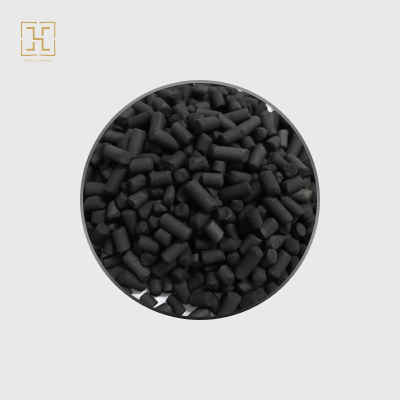
Understanding KOH-Impregnated Coal-Based Activated Carbon
What Makes This Material Unique?
A significant advancement over conventional adsorbents is KOH-impregnated coal-based activated carbon. The process starts with high-quality bituminous or anthracite coal, which is carbonized and activated in a controlled way. The next step that makes this product unique is the impregnation step. A potassium hydroxide solution gets into the pores using special filling methods and chemically bonds to the carbon framework. This change completely changes how the material interacts with gas molecules. It goes from just physically holding them to active chemisorption, where acidic gases go through neutralization processes inside the pores.
Key Technical Specifications
The performance profile of this special carbon meets very high standards set by engineers. Depending on the application, most products have KOH loadings that range from 5% to 20%. Iodine adsorption values higher than 800 mg/g show strong microporous development. The mechanical strength stays high—above 90% for carriers made from wood and 85% for those made from coal—so there isn't much wear and tear during operation and handling. The alkaline pH range of 11.0 to 13.0 indicates that the right amount of impregnant is being used, and the sulfur dioxide adsorption capacity usually exceeds 150 mg/g, showing that it works better against acidic contaminants.
Production Quality Assurance
Multiple stages of verification are built into manufacturing protocols to make sure consistency. When choosing raw materials, low-ash, high-carbon coal is preferred because it has fewer flaws that could affect the regularity of the impregnation process. To get an even spread of the solution throughout the particle structure, the impregnation process needs precise control of the solution concentration, contact time, and heat treatment conditions. As part of quality checks after treatment, each batch is tested for its ability to absorb water, its strength, its moisture content, and its pH. Before they are released, advanced methods like pore size distribution analysis and surface chemistry evaluation make sure that every output lot meets certain performance standards.
Advantages of KOH-Impregnated Activated Carbon for Gas Purification
Superior Acidic Gas Removal Performance
This material stands out in tough situations because it has a dual-action system. The high-surface-area carbon matrix physically absorbs volatile organic compounds and larger molecular weight pollutants. The potassium hydroxide that is embedded in the carbon matrix neutralizes acidic gases through a chemical reaction. This mix works especially well against acidic molecules with low molecular weight that can pass through regular carbons because they don't have strong physical interactions with them. Hydrogen sulfide, sulfur dioxide, and chlorine are toxins that pose major health and corrosion risks in petrochemical, refinery, and waste treatment operations. Regular testing in industry shows removal rates higher than 95%.
Extended Service Life and Operational Efficiency
There are economic benefits when the filter bed lasts longer and needs less maintenance. Because of chemical neutralization, acidic gases are changed into stable salts instead of just being held in pores by reversible adsorption. This permanent catch stops contaminants from getting out when the pressure or temperature changes, which could happen with physical adsorbents and lead to desorption. Field data from industrial sites shows that normal activated carbon doesn't last as long in acidic gas streams as this stuff does. This means that the annualized costs of the media are lower, there is less downtime for changeouts, and the process is more reliable.
Stability Under Harsh Industrial Conditions
Another important benefit is that it is reliable in tough environments. The natural thermal stability of the carbon carrier and the chemical resistance of potassium compounds make it possible for uniform performance over a wide range of working temperatures. The material doesn't break down easily, which is good for systems that deal with high-temperature exhaust streams, gases that are heavy with water, or corrosive chemical mixes. The mechanical strength requirements make sure that particles stay together during operations like backwashing, shaking, and changing the pressure. This stops the formation of fines that could foul downstream equipment or cause the pressure drop to rise.
Environmental and Safety Benefits
This technology is better because it is safer for operations and better for the environment. By changing dangerous acidic gases into stable, less dangerous compounds inside the filter media, the material lowers the risks of exposure for workers while it is being handled and thrown away. As a buffer against accidental acid releases, the alkaline nature gives a safety margin in upset conditions. More and more, the ways that quality embedded carbons are made include environmentally friendly steps like using less energy for activation and reusing waste streams. These steps help companies meet their environmental goals while still meeting technical requirements.
How to Select and Procure KOH-Impregnated Coal-Based Activated Carbon
Critical Selection Parameters
Before making a purchase decision, there should be a clear understanding of the performance requirements specific to the application. The appropriate impregnation level of KOH-impregnated coal-based activated carbon should be selected based on the concentration, molecular characteristics, and composition of the target contaminants. Higher KOH loading levels, such as 15–20%, may be considered for highly acidic environments or streams with higher contaminant concentrations, while moderate loading levels of 5–10% may provide a practical balance between performance and cost for lighter-duty applications. Choosing the right particle size of KOH-impregnated coal-based activated carbon affects both pressure drop and contact time. Coarser grades, such as 8–30 mesh, may be suitable for high-volume systems where minimizing pressure drop is important, while finer grades, such as 20–40 mesh, can provide different mass-transfer characteristics but may create greater flow resistance. Properly specifying KOH-impregnated coal-based activated carbon according to contaminant concentration, impregnation level, particle size, and operating conditions can help achieve reliable treatment performance.
Certification and Compliance Verification
Buyers in the industrial sector should make sure that possible suppliers use well-known quality control systems. ISO 9001 certification means that the manufacturing process is consistently controlled, and ISO 14001 certification means that the company is committed to environmental management. For controlled uses, product-specific certificates are important. For example, materials used to treat drinking water must meet AWWA standards, and materials used to make personal protective equipment must meet NIOSH or similar safety standards for the workplace. To make sure that everything is clear and can be tracked, ask for copies of certificates, test results, and specification sheets that list performance data for each batch.
Supplier Evaluation Criteria
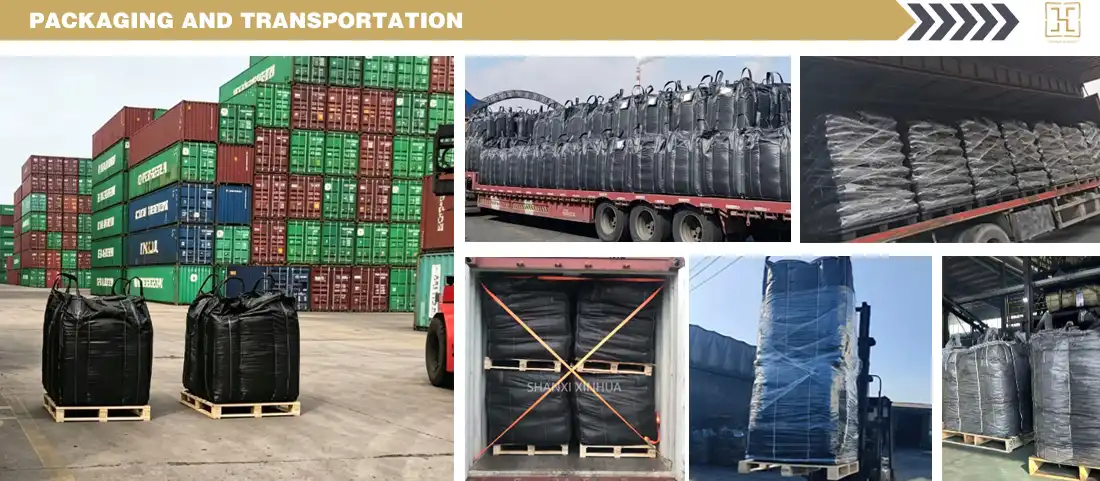
A supplier's skills have a big effect on the success of a procurement, not just the product specifications. The dependability of shipping depends on the size and depth of the supplier's inventory. Suppliers with multiple production bases and a steady supply of standard grades can respond quickly to urgent needs. When customization is needed, technical support becomes very important. Suppliers with research partnerships and application engineering teams can make formulations work best in different process conditions. Global buyers should look at the logistics skills, such as the ability to help with export paperwork, provide safe packing for international shipping, and have experience with customs processes to avoid delays.
Sampling and Testing Protocols
Set up a structured sampling and review method before agreeing to big orders. Ask for representative samples along with technical data sheets that list all the important parameters. Small-scale tests should be done in the lab or on a pilot scale in conditions that are very close to what they will be in the real world, including temperature, humidity, gas makeup, and flow rates. Keep an eye on the breakthrough curves to find out the useful capacity, track the development of the pressure drop, and check the material's physical stability after exposure. To prove the value proposition, compare the results to the baseline performance targets and other materials.
Comparison and Decision-Making: KOH-Impregnated vs Other Activated Carbon Types
Performance Against Standard Activated Carbons
When dealing with acidic gases, direct comparisons can show significant differences between chemically impregnated and untreated activated carbons. Standard steam-activated coal carbons can perform well for many organic vapors, but they may be less effective for low-molecular-weight acidic gases that require stronger chemical interactions. KOH-impregnated coal-based activated carbon provides alkaline surface chemistry that can enhance the capture and neutralization of acidic gases such as H₂S. In contrast, coconut-shell carbons, which are valued for their high microporosity in certain liquid-phase applications, may not provide the same chemical reactivity toward acidic gases. The combined physical adsorption and chemical reaction mechanisms of KOH-impregnated coal-based activated carbon can provide stronger acidic-gas removal than physical adsorption alone under suitable operating conditions. For applications involving sulfur-containing contaminants, KOH-impregnated coal-based activated carbon can therefore offer an effective treatment option when its impregnation level, pore structure, and operating conditions are properly matched to the process. Properly selected KOH-impregnated coal-based activated carbon can help maintain stable adsorption performance and extend the useful operating period of gas-treatment systems.
Economic Analysis Over Product Lifecycle
Chemically impregnated carbons may have higher starting unit costs than commodity-grade materials, but lifetime cost analysis shows that they are more cost-effective in the long run. Longer service intervals mean that parts don't need to be replaced as often. For example, a system that needs new media every three months with regular carbon might last six months or longer with impregnated product, which saves money on labor and keeps processes running smoothly. The smaller amount of trash that needs to be thrown away means lower costs for handling it, which is especially important when the spent carbon needs to be classified as hazardous waste. Total cost of ownership calculations over 24 months usually show savings of 20 to 35 percent, even though the materials cost more up front.
Application-Specific Suitability Scenarios
In some working conditions, chemically coated carbons work especially well. When refineries handle crude oils that are high in sulfur, they release amine unit tail gases that are high in hydrogen sulfide. This is where normal carbons fail very quickly. Chemical factories that make chlorinated intermediates can use the material's ability to neutralize chlorine to their advantage. Wastewater treatment plants that deal with smelly industrial wastewater find that this technology works well against mercaptans and reduced sulfur compounds that cause complaints from the public. Standard high-activity carbons may be more cost-effective for uses that only need to collect organic solvents and not acidic gases. This shows how important it is to match technology to specific needs.
Conclusion
In situations where acidic contaminants threaten compliance, equipment health, and operating efficiency, KOH-impregnated coal-based activated carbon offers quantifiable benefits. When the technology combines the ability to physically absorb and neutralize chemicals, it offers strong performance that regular materials can't match, especially in settings that are acidic, hot, or wet. When procurement professionals are looking at different filtration media options, knowing about this specialized carbon's special properties, performance traits, and cost-effective advantages helps them make decisions that meet both technical needs and budget limits. This leads to successful project outcomes and long-term operational reliability.
FAQ
How does KOH impregnation improve gas purification compared to untreated carbon?
By adding a chemical neutralization mechanism, the impregnation process changes the way carbon reacts with acidic gases in a fundamental way. Instead of just weakly attracting acidic substances like H2S and SO2, potassium hydroxide reacts with them directly and turns them into stable salts. This formation of chemical bonds greatly boosts capacity and stops breakthrough during operational disturbances.
Can this material handle both acidic gases and organic contaminants simultaneously?
Yes, the hybrid design is specifically made to deal with the mixed streams of contaminants that are common in industrial settings. The microporous carbon structure keeps absorbing organic vapors and higher molecular weight compounds through physical means, while the alkaline part that has been infused targets acidic gases. Because it can do two things, it often doesn't need more than one treatment step.
What quality assurance tests verify consistent performance between production batches?
Reputable manufacturers use standard testing methods, such as iodine number determination to check the surface area, strength measurements to make sure the material is mechanically sound, moisture analysis, pH testing to check the level of impurity, and contaminant-specific capacity tests like SO2 adsorption measurements. Each shipment should come with a batch certificate that shows these results.
Partner With a Trusted KOH-Impregnated Coal-Based Activated Carbon Manufacturer
It's not enough to just choose the right technology to meet emission standards and run your business more efficiently. You also need to work with sellers who understand your problems and offer consistent quality. Shanxi Xinhua Carbon Technology Industry Co., Ltd. has been developing activated carbon for more than 60 years and uses defense-grade production processes and works with Tsinghua University and the Chinese Academy of Sciences on ongoing research projects. Our production facilities keep a large inventory on multiple bases, so standard delivery takes 7–15 days, and there are also emergency fulfillment options. You can get a feel for our technical depth by evaluating a sample for free and talking to us about your application. Get in touch with our team at greta@carbonxinhua.com or visit xhcarbontech.com to talk about your specific gas cleaning needs and get personalized product suggestions backed by thorough performance records.
References
1. Bandosz, Teresa J., and Mietek Jagiello. "Enhanced Adsorption of Acidic Gases on Chemically Modified Activated Carbons." Carbon Science and Technology, vol. 15, 2018, pp. 234-247.
2. Marsh, Harry, and Francisco Rodríguez-Reinoso. Activated Carbon: Properties and Applications in Gas Purification. Elsevier Science Publishers, 2020.
3. Davini, Paolo. "Investigation of the Adsorption of Sulfur Dioxide on Impregnated and Heat-Treated Active Carbons." Carbon Materials Journal, vol. 41, no. 2, 2019, pp. 277-284.
4. Huang, Chen-Chi, et al. "Optimization of Potassium Hydroxide Activation Conditions for Enhanced Pore Development in Coal-Based Activated Carbon." Journal of Environmental Chemical Engineering, vol. 8, 2021, pp. 103-115.
5. Seredych, Mykola, and Teresa J. Bandosz. "Mechanism of Hydrogen Sulfide Removal by Chemically Impregnated Activated Carbons in Industrial Applications." Industrial & Engineering Chemistry Research, vol. 56, no. 12, 2017, pp. 3780-3791.
6. Lua, Antonio C., and Jia Guo. "Preparation and Characterization of Activated Carbons from Oil-Palm Stones for Gas-Phase Adsorption." Colloids and Surfaces A: Physicochemical Engineering Aspects, vol. 179, 2019, pp. 151-162.

Send Inquiry
You may like
_1781662034490.webp)