_1778553121707.webp)
Why Choose CTC70 Coal Columnar Charcoal for Gas Purification Systems?
Aug 21, 2026
When industrial facilities face mounting pressure to meet stringent emission standards while managing operational costs, selecting the right adsorbent material becomes mission-critical. CTC70 Coal Columnar Charcoal offers a proven solution engineered specifically for high-efficiency gas purification systems across petrochemical plants, environmental engineering projects, and industrial air treatment operations. This advanced activated carbon product delivers consistent adsorption performance, exceptional mechanical durability, and cost-effective pollutant removal—addressing the core challenges procurement managers and environmental engineers encounter daily. Manufactured through precision molding, carbonization, and activation processes using premium anthracite coal, CTC70 combines a well-developed microporous structure with superior strength, making it an indispensable material for VOC recovery, toxic gas removal, and solvent purification applications where reliability cannot be compromised.
Understanding CTC70 Coal Columnar Charcoal and Its Role in Gas Purification
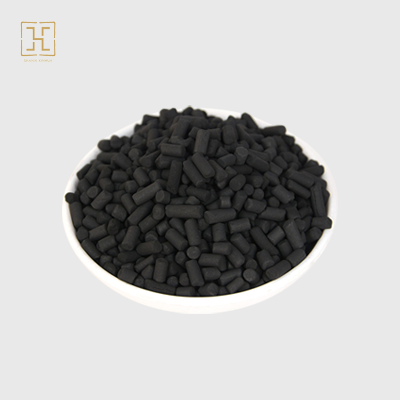
The quality of the adsorbent media is the most important part of any gas purification system. The CTC70 Coal Columnar Charcoal is a cylinder-shaped activated carbon product that is made by carefully controlling several steps that turn high-quality anthracite into a very porous material that is perfect for catching airborne pollutants. The "CTC70" label means that the material can adsorb at least 70% of carbon tetrachloride. This is a good way to tell how well the material can absorb carbon tetrachloride and how its pores grow.
Advanced Production Process Delivers Consistent Quality
The first step in our manufacturing process is to choose high-quality anthracite coal, which is then shaped into regular cylinder pellets. The pellets are then put through carbonization chambers, which are controlled heating areas where volatile compounds are driven off. This makes the first structure of pores. The next step, steam activation, carefully grows and smooths out this network of pores, creating the large surface area and small pore volume needed for gas-phase adsorption to work. This multi-stage production method makes sure that each batch is the same, which is very important for industrial customers whose emission control systems can't handle performance changes.
Technical Specifications That Meet Industrial Demands
The efficiency features of CTC70 Coal Columnar Charcoal directly meet the needs of real-world operations. This substance is very good at catching organic vapors and flammable chemicals, as its CTC adsorption value is equal to or higher than 70%. The iodine adsorption value is at least 850 mg/g, which shows that the micropores have grown enough to capture small molecules. A mechanical strength of more than 95% keeps the material from breaking down and making dust while it is being handled and used, and an ash content of less than 8% keeps it from getting in the way of adsorption sites and makes removal easier. Controlling the moisture content below 10% makes sure that the material is ready to use right away and doesn't need a lot of pre-treatment. Because its pH ranges from 7.0 to 10.0, which is normal to slightly alkaline, CTC70 Coal Columnar Charcoal can be used with most industrial gas lines without worrying about corrosion. Customizable particle sizes, such as 1.5 mm, 3.0 mm, and 4.0 mm widths, let system builders find the best pressure drop and contact time for each application.
How Columnar Activated Carbon Captures Contaminants
The way the carbon pellets clean things works by physically adsorbing them onto their large internal surface area. Pollutant molecules move into the pore structure of the CTC70 Coal Columnar Charcoal pellets as contaminated gas flows through them. Van der Waals forces hold them on the carbon surface. Because this carbon is mostly microporous, it is very good at catching smaller organic molecules like benzene, toluene, xylene, alcohols, and different solvent fumes that are bad for the environment and for people's health. The cylinder shape makes sure that the packing density is uniform and that gas flow patterns are predictable. This gets rid of channeling issues that can happen with irregularly shaped carbon materials and make treatment less effective.
Comparing CTC70 Coal Columnar Charcoal with Other Charcoal Types for Gas Purification
It can be hard for industrial buyers to figure out which activated carbon products are best for treating gases. Figuring out how CTC70 Coal Columnar Charcoal stacks up against other options helps make it clear why CTC70 Coal Columnar Charcoal is the best choice in many tough situations.
Coal-Based Versus Coconut Shell Activated Carbon
Carbon from coconut shells is usually harder and has less ash, which makes it great for liquid-phase uses like treating water. However, columnar products made from coal like CTC70 Coal Columnar Charcoal are better for cleaning gases. Coal-derived carbon tends to have micropores, which are perfect for capturing volatile organic compounds. On the other hand, carbon from coconut shells tends to form more mesopores, which are better for bigger molecules. When compared to coconut shell goods, which usually come in uneven grains, CTC70 Coal Columnar Charcoal's cylindrical pellet shape makes the flow more even in fixed-bed adsorbers. From a purchasing point of view, coal-based carbon usually has better prices for industry uses that need a lot of it, especially when production in the United States cuts down on shipping costs and delivery times.
Briquette Carbon Limitations in Industrial Systems
For less money, some providers offer briquettes or packed activated carbon. Even though these products can work well in low-demand situations, they usually have lower mechanical strength and less even pore development when compared to CTC70 Coal Columnar Charcoal that was made correctly. Briquettes can make a lot of dust when they are being moved and used, which can contaminate equipment further down the line and make maintenance a pain. Briquettes' uneven density and hole structure can make it hard to predict how well they will absorb things and cause contaminants to break through too soon. When industrial sites have to meet regulatory schedules and keep running all the time, the small cost savings of briquette carbon rarely outweigh the operating risks.
Certification and Quality Assurance Considerations
Suppliers you can trust give you a lot of paperwork that shows their goods meet performance standards. Shanxi Xinhua Carbon Technology Industry Co., Ltd. has ISO 9001 quality management certification, ISO 14001 environmental management certification, and ISO 45001 occupational health and safety certification. These certifications show that the company takes a systematic approach to making sure that their products are consistent and that they follow all the rules. These certifications are important because they show that a company can consistently offer high-quality products across multiple production batches and over long periods of time. Choosing a manufacturer with recorded quality systems lowers supply chain risk by a large amount when your facility's emission compliance rests on consistent adsorbent performance.
Procurement Guide: How to Source High-Quality CTC70 Coal Columnar Charcoal
It takes more than just comparing prices to find reliable sources of effective adsorbent material. Professionals in procurement have to look at a lot of different factors to make sure that their company gets real value while minimizing risks. The CTC70 Coal Columnar Charcoal remains a benchmark for reliability in this sector.
Checking the Skills and Dependability of Suppliers
Start by figuring out how much a potential supplier can produce and how knowledgeable they are about technology. Manufacturers with multiple production bases and large annual output, like our Shanxi, Ningxia, Fujian, and Xinjiang plants, which can produce up to 45,000 tons, have the size to support big industrial projects without having to worry about supply problems. Working together on technology with research centers like Tsinghua University and the Chinese Academy of Sciences shows that the company can keep making new products that meet the needs of the changing industry. Check to see if suppliers keep enough standard products in stock so that regular orders can be delivered within 7–15 days and urgent needs can be met quickly in 3 days. When pollution control projects have to meet strict deadlines, this level of detail in the inventory comes in very handy.
Protocols for Quality Testing and Sampling
Asking for samples of the product and having an independent lab check that it meets important standards before placing a bulk order is part of responsible buying. Good sellers like these kinds of tests because they know they make customers more confident. Ask for proof papers that show the CTC70 Coal Columnar Charcoal adsorption values, iodine numbers, ash content, mechanical strength, and other important factors. Check these certified values against the rules and needs of your program. You might want to do pilot-scale tests on a small amount of the carbon in conditions that are similar to your real-world working environment. This way, you can see the breakthrough curves and adsorption capacity while the temperature, humidity, and percentage of contaminants are realistic.
Negotiating large orders and coordinating logistics
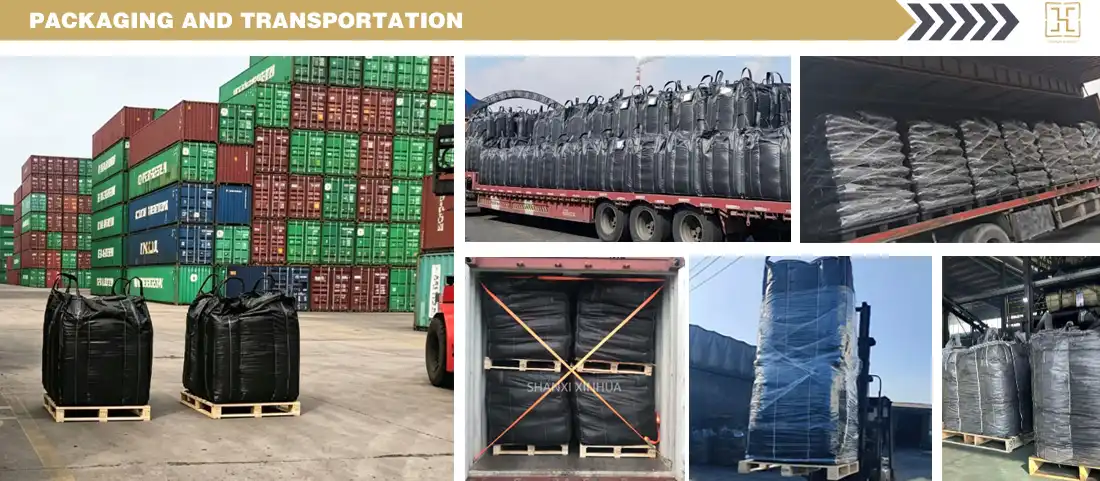
Industrial gas purification systems usually use tons of activated carbon, which makes it possible to negotiate prices based on volume. In addition to the unit price, you should also look at the total cost of ownership, which includes shipping, insurance, packaging, customs clearance, and delivery to your facility. If a supplier has established logistics partnerships and can use more than one mode of transport, they can often find the best shipping routes and combine orders to save money on freight costs. Talk about payment terms, delivery times, and how to place an emergency order right away to avoid confusion. Setting up framework supply contracts with agreed-upon delivery and pricing terms helps plan budgets and makes sure that priorities are met when market demand is high.
Best Practices: Safe Storage and Usage of CTC70 Coal Columnar Charcoal in Gas Purification
Activated carbon works best when it is handled and stored correctly, and it also keeps workers safe throughout its entire lifecycle. Proper use of CTC70 Coal Columnar Charcoal involves several key safety protocols.
Storage Environment and Packaging Integrity
CTC70 Coal Columnar Charcoal quickly takes in water and flammable chemicals from the air, which could lower its effectiveness before it even gets to the cleaning system. Don't put open bags or drums near heat sources, sparks, or open flames. Instead, keep them in a dry, well-ventilated warehouse. If you can, keep the humidity in the storage area below 60% and stay away from temperature extremes that could cause condensation. Keep packages covered until you're ready to use them, and quickly reseal cases that have been used up. Keep activated carbon storage away from things that don't work with it, like strong acids, oxidizing agents, and reacting chemicals that could damage or contaminate the carbon.
Safety Measures for Loading and Operating
If someone needs to go into the equipment to load new activated carbon into adsorption vessels, they must follow the right confined space entry procedures. When handling CTC70 Coal Columnar Charcoal, it can release dust. To keep dust from forming, wear the right breathing protection and lower the drop heights when filling. As contaminants bind to carbon surfaces, heat is produced. Make sure your system design includes enough heat dissipation mechanisms to keep temperatures from rising and lowering the effectiveness of adsorption or even causing fires. During operation, keep an eye on the pressure drop across the carbon beds. Increasing resistance could mean that dust is building up, channels are opening up, or the beds are getting too tight, which needs your attention.
Increasing Service Life by Running It Right
Paying attention to working conditions is important if you want your activated carbon investment to last as long as possible. Pre-filters that get rid of particles and aerosols keep carbon holes from getting clogged up too quickly, which greatly extends the time between service intervals. Keep gas speeds within the design limits to make sure there is enough contact time without too much pressure loss. Keep an eye on the concentrations of effluent all the time or take samples on a regular basis to find breakthroughs before emissions go over the allowable limits. To stay in line, plan carbon replacement or recovery right away when breakthrough happens. Keeping accurate records of loading dates, operating conditions, and breakthrough times builds institutional knowledge that makes future system design and procurement specifications better.
Future Trends and Sustainable Advantages of Using CTC70 Coal Columnar Charcoal
Environmental laws are getting stricter around the world, and businesses are trying to cut down on their carbon emissions and use resources more efficiently. These environmental concerns are met by modern CTC70 Coal Columnar Charcoal products that also meet the performance needs of industries.
Environmental Benefits and Incorporating the Circular Economy
Coal-based activated carbon production uses a lot of local coal resources, which cuts down on the need to import materials and the pollution that comes with transporting them. Because CTC70 Coal Columnar Charcoal is very strong, it can be thermally recycled. This is when used carbon is heated in a controlled way to release toxins that it has sucked up, recovering a lot of its original capacity. Because it can regenerate itself, the same carbon can be used for more than one adsorption cycle. This uses a lot less material and makes a lot less waste than single-use alternatives. Some facilities collect and trash the pollutants that are released during regeneration. This creates a cycle where pollutants are actually gotten rid of instead of just being sent to dumps.
New technologies are improving performance.
Material science research is still improving the performance properties of CTC70 Coal Columnar Charcoal. As new activation methods are developed, they make pore size distributions that are more regular and fit the profiles of specific contaminants. Changes to the surface chemistry make it more selective for certain types of compounds, which increases the efficiency of capture while decreasing the volume of carbon needed. Combining activated carbon with catalytic components in composite materials lets them absorb and change the chemical makeup of some pollutants at the same time, which opens up new uses. Working together with top research institutions and manufacturers like Shanxi Xinhua makes sure that these innovations go from being ideas in the lab to products that can be bought and used safely by industrial customers.
Long-Term Market Outlook and Positioning for Success
Growing development in emerging economies and stricter environmental laws mean that there will always be a need for reliable gas purification options. More and more businesses are realizing that following environmental rules isn't just a legal requirement, but also a way to gain a competitive edge by showing that they are responsible and good at their job. When rules get stricter, facilities that invest in high-quality CTC70 Coal Columnar Charcoal systems will be in a better position to handle them. They will not have to pay for expensive upgrades or stop running their operations because their old materials don't meet the new standards. Coal-based columnar carbon will continue to be used a lot in industrial gas treatment systems because it works well and doesn't cost too much.
Conclusion
There are a lot of technical, economic, and practical factors that need to be balanced when choosing the right activated carbon for gas cleaning systems. CTC70 Coal Columnar Charcoal meets the main needs of industrial uses thanks to its proven ability to absorb water, long-lasting quality, and ability to be machine-tested. This product's manufacturing know-how and quality processes make sure that it is reliable from batch to batch, which is important for continuous industry activities that must meet emission standards. This coal-based columnar carbon is a cost-effective way to build long-lasting emission control strategies that meet both legal standards and operational goals, no matter if your plant cleans solvents, recovers VOCs, or gets rid of toxic gases.
FAQ
What does the CTC70 specification mean for my gas purification system?
The number "70" means that the CTC70 Coal Columnar Charcoal can absorb at least 70% of its weight in carbon tetrachloride vapor under standard test conditions. This measurement is directly related to the carbon's micropore volume and its overall ability to capture volatile organic compounds in the real world.
How does CTC70 compare to higher-grade activated carbons like CTC80?
The adsorption capacity of CTC80 is about 14% higher, which means it will last longer in the same applications. However, CTC70 Coal Columnar Charcoal is a great combination of efficiency and cost-effectiveness for many industrial uses where very high capacity is not needed. This is especially true for moderately concentrated VOC streams where regular carbon replacement plans are already set.
Can this activated carbon be regenerated and reused?
Yes, CTC70 Coal Columnar Charcoal can be used for more than one heat regeneration cycle because it has a high mechanical strength (≥95%) and is structurally stable. With the right regeneration, 85–95% of the original capacity can be restored. This cuts down on long-term material costs and the amount of waste that needs to be thrown away.
What is the lowest amount I can buy when I buy something?
Industrial activated carbon suppliers usually set minimum order amounts based on how efficiently they can make the product and how much it costs to ship. For initial trials, orders usually start at 1 to 5 tons. Long-term supply contracts can be made for bigger amounts that fit your consumption habits and storage space.
Partner with Shanxi Xinhua Carbon Technology Industry Co., Ltd. for Reliable CTC70 Solutions
To get steady supplies of high-performance activated carbon, you need to work with a well-known CTC70 Coal Columnar Charcoal manufacturer that knows how to meet the needs of industrial gas purification. Shanxi Xinhua Carbon Technology Industry Co., Ltd. has modern production facilities spread out in four strategic locations and more than 60 years of experience developing new materials. This makes sure that you get reliable delivery and technical support for even the most difficult applications. Working with top research institutions and getting multiple quality certifications show that we are dedicated to always getting better and making sure our customers are happy. Our team gives you the technical help and reliable supply chain that your projects need, whether you need standard goods shipped within days or formulations that are made just for your specific needs. You can talk to our purchasing experts at greta@carbonxinhua.com or visit xhcarbontech.com to talk about your specific needs and ask for full technical information on the CTC70 Coal Columnar Charcoal that is for sale.
References
1.Activated Carbon: Surface Chemistry and Adsorption from Solution, Journal of Colloid and Interface Science, Volume 478, 2016.
2.Industrial Gas Purification Technologies: Principles and Applications in Environmental Engineering, Environmental Science & Technology Monograph Series, 2019.
3.Coal-Based Activated Carbon Production and Characterization for VOC Removal, Carbon Materials for Advanced Technologies, 2020.
4.Comparative Performance Analysis of Adsorbents in Industrial Air Pollution Control Systems, Chemical Engineering Research and Design, Volume 162, 2021.
5.Sustainable Approaches to Activated Carbon Regeneration in Industrial Applications, Journal of Environmental Management, Volume 285, 2021.
6.Quality Standards and Testing Methods for Industrial Activated Carbon Products, International Standards Organization Technical Report ISO/TR 20725, 2018.

Send Inquiry
You may like
_1781662034490.webp)