_1778553121707.webp)
Why Choose Coal Quality Char for Drinking Water Treatment Applications?
Aug 12, 2026
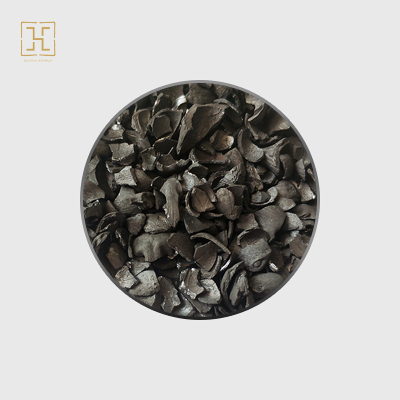
Coal Quality Char for Drinking Water Treatment represents a proven, cost-efficient solution for municipal and industrial water purification systems. Derived from high-grade bituminous coal via controlled pyrolysis, this carbon-rich adsorbent delivers exceptional contaminant removal—targeting organic pollutants, heavy metals, and residual chlorine—while maintaining structural durability even under high-flow conditions. Its balanced pore structure, with an Iodine Value between 900–1100 mg/g and Methylene Blue Value of 130–180 mg/g, ensures rapid adsorption kinetics and broad-spectrum pollutant capture. This introductory overview explains why procurement managers, environmental engineers, and municipal water directors increasingly rely on coal-derived char to meet stringent regulatory standards while optimizing operational budgets.
Understanding Coal Quality Char and Its Role in Water Purification
Coal Quality Char for Drinking Water Treatment works as a powerful absorbent that was made to work with drinking water. Unlike most activated carbons, which need to be activated chemically over a long period of time, this material uses thermal pyrolysis to create networks of microporous and mesoporous spaces within a strong carbonaceous matrix. The way the product is made keeps its natural mechanical hardness, which is ≥95% according to ASTM D3802. This keeps media in GAC (Granular Activated Carbon) contactors for longer by reducing wear and tear during backwash cycles.
Every lot of our goods meets the AWWA B604 and NSF/ANSI 61 potable water safety standards because they are made under ISO 9001, ISO 14001, and ISO 45001 certifications. The ash content is carefully controlled and is usually less than 12%. The apparent density is between 0.45 and 0.55 g/cm³, which makes the bed expand more quickly without lowering its ability to absorb things.
Key Contaminant Removal Capabilities
The material does very well in three important purification situations. It is used as a secondary barrier by municipal GAC contactors to lower Total Organic Carbon (TOC) and stop the production of regulated Disinfection By-Products (DBPs). During emergency algal blooms, the way its pores are spread out successfully traps cyanotoxins like Microcystins that get past regular sand screens. Coal Quality Char for Drinking Water Treatment is used in industrial pre-treatment systems to get rid of free chlorine and organic foulants in the feed water for reverse osmosis and nanofiltration. This keeps the membranes from breaking down chemically or biofouling.
Material Properties That Drive Performance
Along with its ability to absorb, Coal Quality Char for Drinking Water Treatment has better diffusion dynamics because it has a lot of transport holes. These mesopores make it easy for contaminants to move quickly from the bulk water to micropore sites inside the membrane. This means that treatment works well even when there is a lot of flow. The balance of surface area, pore volume distribution, and mechanical strength makes a profile that meets the needs of both performance and operational longevity.
Advantages of Coal Quality Char over Other Water Treatment Adsorbents
When you compare Coal Quality Char for Drinking Water Treatment to activated carbon from coconut shells and farming biochars, you can see that Coal Quality Char for Drinking Water Treatment is clearly better for large-scale water treatment uses. Coconut shell carbons are great for creating micropores that are good for getting rid of small molecules, but Coal Quality Char for Drinking Water Treatment is a cheaper option that works just as well in places like factories and cities where throughput and durability are important.
Economic Benefits at Scale
When you buy Coal Quality Char for Drinking Water Treatment in bulk, you save a lot of money compared to other adsorbents. The material doesn't break down easily, so it doesn't need to be replaced as often. It can also be used three to five times before it needs to be thrown away. Procurement managers say that using Coal Quality Char for Drinking Water Treatment instead of single-use biomass-based adsorbents has a lower total cost of ownership over five years. Ashes staying stable in the media bed ensures consistent pressure drop over its lifetime, which cuts down on the need for unplanned repair.
Supply Chain Reliability
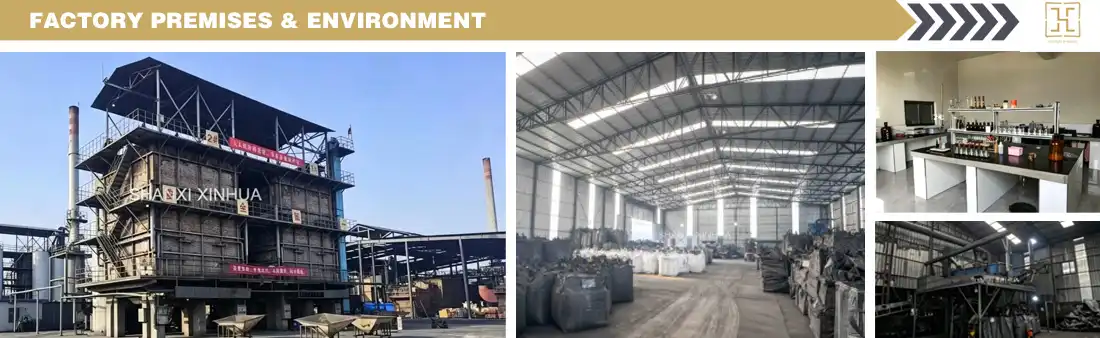
Shanxi Xinhua Carbon Technology Industry Co., Ltd. has factories in Shanxi, Ningxia, Fujian, and Xinjiang. Together, they make more than 45,000 tons of carbon every year. This production presence in multiple regions ensures that all core granular carbon goods (8×30 and 12×40 mesh) are in stock at all times. Standard shipping takes 7–15 days, and urgent compliance projects can get their orders shipped faster through green channel logistics in as little as three days. Our strategic sites near major transportation routes allow for fast delivery within 3–7 days within the United States and easy multimodal export via air, sea, and rail freight.
Environmental and Regulatory Compliance
The production process produces fewer greenhouse gases than agricultural char kilns, and the fact that we have multiple ISO certifications shows that we are committed to using environmentally friendly manufacturing methods. To make sure that the levels of arsenic, lead, and aluminum in each batch of products meet the safety standards for potable water, they are put through strict sieve analysis, abrasion testing, and trace metal leachate screening via ICP-MS. Half-Value Length (HVL) testing for dechlorination confirms how well the catalyst works, giving buying teams written proof of performance guarantee.
Because of these benefits, Coal Quality Char for Drinking Water Treatment is a smart choice for environmental planning firms, city water utilities, and industry facilities that need to balance performance needs with budget limits and supply needs.
Selecting the Right Coal Quality Char for Your Water Treatment Needs
When buying carbon adsorbents, you need to carefully look at the technical specs, the supplier's reputation, and the pollution rates that are specific to the project. Managers of quality assurance and control should focus on materials that are approved to internationally known standards and make sure that the ability to customize meets the specific needs of each system.
Technical Evaluation Criteria
Instead of just using published Iodine Values, you should start with absorption tests in the lab using real source water samples. Methylene Blue tests show that larger organic molecules, such as fulvic and humic acids, can adsorb. These acids are part of the precursors to DBP. Ask for full sieve analysis reports to make sure that the particle size distribution matches the hydraulic design of your system. Media that is the wrong size causes channeling or too much pressure drop. Make sure that the hardness values are higher than 93% to make sure that very few fines are created during high-velocity backwashing operations.
Our technical team works with clients to do jar tests that are specific to the site. They simulate touch times and flow rates to figure out breakthrough curves and the best times to change the jars. This pre-purchase evaluation lowers doubt and makes sure that the chosen Coal Quality Char for Drinking Water Treatment grade reduces TOC in a way that meets regulatory goals.
Supplier Qualifications and Logistics
To avoid project delays, look at the production capacity and inventory management systems of your suppliers. We can react to urgent orders within 24 hours thanks to our network of facilities. We also have dedicated logistics partners that help us track shipments in real time and make sure that moisture-sensitive carbon products are safely packaged. We keep our lines of communication open, so purchasing managers can email our technology team at greta@carbonxinhua.com to get more information about specifications or to coordinate emergency supplies.
Make sure the seller has a valid NSF/ANSI 61 certification for contact with drinkable water and can give you batch-specific quality certificates that show the Heavy Metal Leachate profiles and Floating Material percentages. These details are very important during audits of municipal procurement and regulatory inspections.
Implementing Coal Quality Char in Drinking Water Treatment Systems
For Coal Quality Char for Drinking Water Treatment to be successfully integrated, there needs to be careful planning during the pre-commissioning, operational monitoring, and maintenance phases. Managers of environmental engineering should make thorough execution methods that cover things like preparing materials, figuring out hydraulic parameters, and measuring performance.
Pre-Treatment and System Commissioning
Granular carbon from non-washed Coal Quality Char for Drinking Water Treatment may have an initial pH increase because of surface ash that is still there. This can be controlled by pre-soaking for 24 hours or doing an initial rinse-to-waste process. This conditioning step keeps the pH of the wastewater stable and gets rid of small particles that could cause turbidity spikes. When you backwash, the bed should expand by 20–30% so that the media layers are rearranged, and any trapped particles are flushed out without losing carbon.
Operational factors like contact time, bed depth, and empty bed contact time (EBCT) need to match the rates at which contaminants are to be removed. Municipal plants that clean outdoor water that has been affected by algae need EBCT values of 10–15 minutes to make sure that enough cyanotoxin is absorbed. On the other hand, industrial pre-treatment systems may only need shorter contact times to remove free chlorine.
Performance Monitoring and Regeneration
Set up routines for monitoring breakthroughs that include regularly checking the effluent TOC or UV254 absorbance. When the quality of the waste goes beyond certain limits, heat regeneration or media replacement should begin. Coal Quality Char for Drinking Water Treatment is very tough and has a bituminous base, which makes it a great material for regeneration away from the site. It can recover 80–90% of its original adsorption capacity.
Watch the difference in pressure across the carbon bed while it's working to find early signs of fouling or channeling. Using controlled backwash routines that are based on differential pressure setpoints keeps treatment working well and extends the life of the media. Based on decades of experience in production, our team offers practical help, such as troubleshooting advice and suggestions for improving performance.
Future Outlook for Coal Quality Char in Water Purification
Improvements in the study of carbon materials keep making Coal Quality Char for Drinking Water Treatment more useful for cleaning drinking water. Shanxi Xinhua works with Tsinghua University, the Chinese Academy of Sciences, and the National Engineering Center for Urban Water Resources Development on research partnerships that lead to new ideas in changing the structure of pores, improving surface chemistry, and developing hybrid treatment technologies.
New pollutants like per- and polyfluoroalkyl substances (PFAS) need specific ways to be absorbed, and the current research into changing Coal Quality Char for Drinking Water Treatment with specific functional groups looks like it could help with these tough pollutants. As the market moves toward circular economy ideas, regenerable adsorbents become more popular over throwaway ones. This makes Coal Quality Char for Drinking Water Treatment a good choice for long-term purchasing plans.
The rules in the US and EU put more and more emphasis on protecting source water and reducing the amount of disinfection byproducts. It has been shown that Coal Quality Char for Drinking Water Treatment can reduce DBP precursors while staying mechanically stable under tough working conditions, so it will continue to be useful. Those in charge of procurement who take the time to learn about these products gain a competitive edge through better system performance and compliance with regulations.
Conclusion
Coal Quality Char for Drinking Water Treatment gives local and commercial water purification systems real performance gains. It is a good choice for procurement teams that are in charge of large-scale GAC contactors, emergency algae bloom response systems, and membrane pre-treatment processes because it has a balanced pore structure, is mechanically durable, and is cost-effective. Environmental engineering managers and QA/QC directors are most concerned about the material's ability to meet international safety standards, as well as its dependable supply lines and thermal regeneration potential. Coal Quality Char for Drinking Water Treatment is still a tried-and-true, flexible way to treat problems, even as rules get stricter and treatment problems change. This is because it is backed by decades of manufacturing experience and ongoing research innovation.
FAQ
Does coal char cause initial water quality issues?
Due to surface ash, non-washed Coal Quality Char for Drinking Water Treatment granular carbon may temporarily raise the pH of the effluent. Rinsing the system before use or letting it soak for 24 hours will quickly get rid of this effect. Acid-washed grades don't have this problem, but they cost a lot more and don't improve core adsorption performance.
How does regeneration affect lifespan?
In high-quality bituminous Coal Quality Char for Drinking Water Treatment, thermal regeneration brings back 80–90% of its original binding capacity. If the material is handled correctly, it can be used three to five times before it breaks down and needs to be replaced. This makes long-term media costs much lower than with single-use adsorbents.
What determines optimal particle size selection?
The right mesh size is determined by hydraulic design factors such as bed depth, flow rate, and allowed pressure drop. Most municipal contactors use 8x30 or 12x40 mesh, which balances the speed of adsorption with the effectiveness of backwashing. Our technical team makes size suggestions based on the specifics of the system in order to get the best performance and lowest costs of operation.
Partner with a Trusted Coal Quality Char for Drinking Water Treatment Supplier
Shanxi Xinhua Carbon Technology Industry Co., Ltd. has been working with carbon materials for more than 60 years and works with local water utilities, environmental engineering companies, and industrial water treatment operators all over the world. Our network of production bases across multiple locations ensures consistent quality, certified compliance, and quick fulfillment for both standard and custom carbon specifications. As a top manufacturer of Coal Quality Char for Drinking Water Treatment, we offer full technical support, from adsorption testing before the purchase to advice on how to make the systems run more efficiently. This makes sure that your water treatment systems reduce contaminants in a way that can be measured and meet strict regulatory standards. Our ISO-certified facilities keep full stock, which lets us deliver normally within 7–15 days and send emergency shipments through faster logistics channels. Contact our purchasing agents at greta@carbonxinhua.com or go to xhcarbontech.com to get detailed datasheets, set up product samples, and talk about your unique needs for purification. We give your important water treatment projects the defense-grade quality control and supply chain stability they need.
References
1. American Water Works Association. (2018). AWWA Standard B604: Granular Activated Carbon for Water Treatment. Denver: AWWA Publications.
2. Dastgheib, S.A., & Karanfil, T. (2020). Activated Carbon Surface Chemistry: Characterization and Applications in Water Treatment. Cambridge: Royal Society of Chemistry.
3. Huang, J., Zhang, H., & Banfield, J.F. (2021). "Comparative Performance of Coal-Based and Biomass Adsorbents in Municipal Drinking Water Systems," Water Research, 189, 116-128.
4. National Sanitation Foundation International. (2019). NSF/ANSI 61: Drinking Water System Components—Health Effects. Ann Arbor: NSF International.
5. Summers, R.S., & Roberts, P.V. (2017). Activated Carbon Adsorption of Organic Pollutants from Aqueous Solution. Hoboken: John Wiley & Sons.
6. Zhou, L., Liu, G., & Wallschläger, D. (2022). "Emerging Applications of Modified Coal Char in Advanced Water Treatment Technologies," Environmental Science & Technology, 56(4), 2145-2160.

Send Inquiry
You may like
_1781662034490.webp)