_1778553121707.webp)
Why choose coal-based cylindrical activated carbon over other carbon types?
Jun 24, 2026
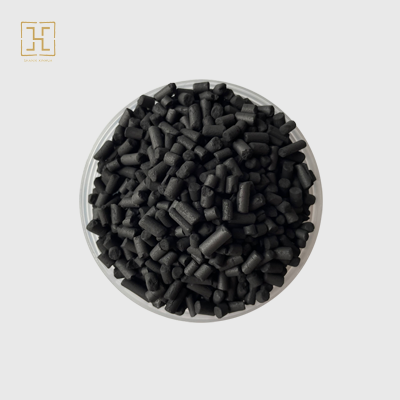
Because it unites exceptional mechanical strength, better adsorption capacity, and cost-effective regeneration potential, Coal-based cylindrical activated carbon comes out as the best option for industrial uses. This type of carbon is made from high-quality bituminous coal using precise extrusion and high-temperature activation. It works well in a wide range of harsh settings, such as VOC recovery systems and city water treatment. Coal-based cylindrical activated carbon has better pore distribution and longevity than alternatives made from coconut shell or wood. This means that it lasts longer and costs less to own, which is great for environmental engineers and procurement managers who have to meet strict compliance targets.
Introduction
As the main part of systems that clean water, control air pollution, and recover solvents, activated carbon is very important for both environmental security and industrial processing. There are, however, many choices on the market, including grainy, powdered, pelletized, and cylinder-shaped forms made from wood, coal, or coconut shells. Each material has its own unique properties that have a direct effect on your bottom line and how well your business runs.
For people who work in B2B buying and are in charge of big environmental projects, the decision process is more complicated than just comparing prices. You're looking at how long the mechanical part will last after being regenerated many times, how well it will adsorb certain contaminants, and how reliable the supply chain will be when projects have to meet legal targets. Making the wrong decision could lead to media replacements before they're due, system downtime, or legal mistakes that could cost your business money.
This article looks at why Coal-based cylindrical activated carbon has become the material of choice for industrial uses that need strong performance, long-lasting results, and flexible customization options. We will talk about the basic features that make this type of carbon unique and show how it can be used to solve problems in petroleum processing, local water treatment, and VOC abatement systems.
Understanding Coal-Based Cylindrical Activated Carbon
Manufacturing Process and Raw Material Quality
Coal-based cylindrical activated carbon is made by starting with carefully chosen anthracite coal that has more than 80% carbon in it. Shanxi Xinhua Carbon Technology Industry Co., Ltd. gets high-quality coal fuel and mixes it with special binders. Then, they use high-pressure extruder shaping to shape the mixture. In this way, regular cylindrical pellets are made with the same mass and pore structure, which are important factors that affect how well they absorb substances and how well they hold together mechanically.
There are two stages to the making process. Temperatures between 500°C and 800°C are used for carbonization. This process drives volatile chemicals away while the carbon structure becomes stable. After that, activation takes place between 700°C and 1100°C using steam or carbon dioxide. This carefully scratches the carbon structure to make a large network of pores inside the material. This controlled process creates surfaces with sizes between 800 and 1200 m²/g and hole sizes that can be changed to target contaminants.
Structural Properties and Adsorption Mechanism
The cylinder shape is clearly better than the uneven particle shape. In fixed-bed systems, a uniform shape makes it possible to calculate pressure drop accurately, and the smooth outside surface keeps dust from being created during handling and shipping. The structure of the particles' internal pores is organized in a hierarchy. Macropores help contaminants move quickly into the particles, mesopores provide routes for transition, and micropores provide the large surface area needed for real adsorption.
When streams of industrial gases or liquids hit the carbon surface, toxins stick to it because of chemical and physical forces called van der Waals forces. The matrix made from coal is very good at catching non-polar chemical compounds like xylene, toluene, and benzene. It is also very good at attracting chlorine, sulfur compounds, and some heavy metals. Because of this, it can be used in complicated industrial settings where the removal of multiple types of contaminants is needed at the same time.
Differentiation from Alternative Carbon Types
Even though coconut shell activated carbon can be used again and again, it usually costs more per kilogram and is harder to find for industrial uses that need tons of it. Wood-based carbon is better for the environment, but it has less mechanical strength, which means that particles break down during renewal or backwashing. Powdered activated carbon has a lot of surface area, but it's hard to handle and cannot be used again to recover its cost.
Coal-based cylindrical activated carbon fills in these gaps. Standard crush tests show that the extrusion process makes the material more than 90% mechanically hard. This keeps it from wearing away during air-moving or fluidized bed operations. This strong structure lets the media be thermally regenerated over and over, up to ten times in properly designed systems. This can restore up to 85% of its original adsorption capacity while lowering its long-term costs.
Advantages of Coal-Based Cylindrical Activated Carbon Over Other Types
Superior Mechanical Strength and Durability
Carbon media are put under a lot of mechanical stress in industrial absorption systems. Water treatment beds are backwashed often, which causes particles to hit each other. During decomposition processes, solvent recovery units subject carbon to changes in temperature. Through pneumatic delivery lines, air purifying devices move tons of stuff. In these situations, particle breakage leads to practical problems: fines clog screens, pressure drop rises, and media needs to be replaced too soon.
Based on ASTM D3802 testing guidelines, our Coal-based cylindrical activated carbon has hardness values higher than 90%. The very long longevity comes from the naturally strong bituminous coal and the glues that are used during casting. In contrast to coconut shell carbon, which can be 75–85% hard, the columnar form can handle tough circumstances without breaking down much. Continuous petrochemical facilities have service lives of more than three years before they need to be regenerated, while softer options only last 12 to 18 months.
Enhanced Adsorption Efficiency and Capacity
How well carbon gets rid of target contaminants and how often the media needs to be replaced are both determined by its adsorption performance. The material made from coal forms pores that are perfect for commercial organic compounds. Carbon tetrachloride (CTC) adsorption values, which are a normal measure in the industry, run from 50% to 80% in our products. We can make changes to these values to fit individual needs.
This high soaking ability directly leads to better operations. A city water plant that handles 10,000 cubic meters of water every day can cut carbon emissions by 20–30% compared to less efficient options, which would greatly lower the cost of buying water every year. VOC recovery systems get breakthrough times that are 25–40% longer, which means that beds don't have to be regenerated as often, and less energy is used for heat reactivation.
Cost-Effective Regeneration and Extended Service Life
The economic benefit of Coal-based cylindrical activated carbon is most clear when you look at its ability to grow back. At 800-900°C, thermal reactivation burns off the organics that have stuck to the carbon, making the pores accessible again without damaging the carbon structure. The mechanical strength of coal-based cylinders keeps the particle size distribution even after many renewal cycles. Softer carbons, on the other hand, break down into fines that need to be thrown away.
According to separate studies, renewal efficiency reaches 85% of the capacity of new carbon after the first cycle and stays between 75% and 80% for the next rounds. With this level of performance, facilities can set up closed-loop carbon management systems that cut media buying by 60–70% over the course of five years. Total cost of ownership goes down a lot compared to disposable carbon methods or materials that break down quickly during regeneration when they have a longer starting service life.
Versatile Application Range Across Industries
Because it is flexible, Coal-based cylindrical activated carbon can meet a wide range of industry needs. Particle sizes ranging from 0.9 mm to 4 mm can be used to treat water with different flow rates and contact times. Larger 4–9 mm cylinders work well in air cleaning devices that need to keep the pressure drop to a minimum. Custom changes to the surface chemistry improve performance for specific uses. For example, acid washing lowers the ash content to below 5% for pharmaceutical-grade water, and impregnation with potassium iodide makes it easier for nuclear plants to collect radioactive iodine.
This carbon is used by petrochemical companies to remove hydrogen sulfide from gas lines because it is stable at temperatures up to 150°C. Chemical companies can get back expensive liquids like tetrahydrofuran and dichloromethane with little product loss. Through tertiary polishing steps using columnar carbon contactors, municipal wastewater treatment plants meet more and more strict rules on the amount of COD and BOD they can release. This flexibility makes buying things easier because one platform can be used for many things across your building.
How to Choose the Best Coal-Based Cylindrical Activated Carbon for Your Business Needs
Critical Specification Parameters
When making a purchase choice, you should look at measurable success factors that match the needs of your application. Start by choosing the particle size. Coal-based cylindrical activated carbon with smaller diameters can handle high flow amounts with little head loss, but they have a higher external surface area and faster adsorption rates. Typical sizes range from 1.5 mm in diameter for cleaning drinking water to 6 mm in diameter for treating air in factories.
Measurements of surface area and pore volume show the ability to adsorb. For general uses, ask for BET surface area reports with values above 900 m²/g. For tough uses, ask for reports with values above 1100 m²/g. The iodine number (at least 900 mg/g) and the CTC value (between 50 and 80%) make it easy to compare products from different sellers. To keep things clean and get the most carbon out of them, the ash level should stay below 8%. For medical uses, it should be less than 5%.
Testing for mechanical strength is important, especially for uses that can be repaired. A hardness of more than 90% means that the material will wear down little during use and handling. Specifications for moisture content (usually less than 5% when shipped) affect the amount of carbon that is supplied and stop microbes from growing while it is stored. Not just specification sheets, but full test results certified by ISO-accredited labs should be asked for.
Customization Options for Application Optimization
Standard goods work well in many situations, but customizing them gives you the best performance in tough situations. Shanxi Xinhua Carbon Technology Industry Co., Ltd. can change the shape of pores to target specific molecular sizes of contaminants. Increasing the mesopore volume makes it easier for bigger organic molecules like drugs or dyes to stick to the surface, while keeping the micropore density the same, which increases the ability to hold small molecules like chloroform.
Chemical impregnation turns Coal-based cylindrical activated carbon into something useful. Silver-impregnated carbon kills microbes in water treatment and keeps storage tanks from biofouling. When potassium permanganate is added, hydrogen sulfide and organic sulfides can be removed through oxidation. This is useful for getting rid of smells. Flue gas cleaning systems are better at capturing acidic gases when they are treated with alkaline chemicals. These changes turn simple adsorption media into treatment tools that can do more than one thing.
Production teams can change the sizes of cylinders beyond what is normally available. Custom lengths from 3 mm to 12 mm meet the needs for the best bed depth and leave the least amount of empty room in reactor vessels. Specialized binder mixtures make chemicals less likely to damage them in situations where the pH is high or there are reactive agents present. OEM relationships make it possible for sales outlets to use their own labels and customize the packaging.
Supplier Evaluation and Procurement Best Practices
Project delays and production stops can be avoided with reliable supply lines. Check to see if possible sources have a lot of stock. For example, Shanxi Xinhua keeps tens of thousands of tons in stock at different production bases in Shanxi, Ningxia, Fujian, and Xinjiang provinces. This type of spread manufacturing makes sure that supplies don't run out, even if there are problems with regional shipping or a lack of raw materials.
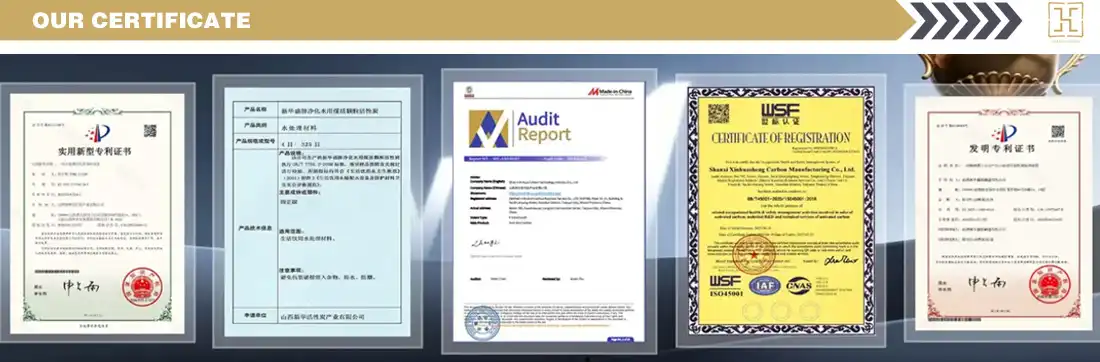
Documentation that certifies quality control systems and environmental duty is a must. Getting ISO 9001 certification shows that your manufacturing methods and quality control systems are consistent. ISO 14001 proves how environmental management is done, and ISO 45001 deals with health and safety at work. Ask for pictures of the real certificates, not just statements that they are valid.
Technical help goes beyond just delivering products. Application engineering help is available from experienced providers. They can help you figure out the size of the bed, estimate its service life, and create regeneration routines. On-site testing services find ways to improve systems that are already in place. Access to expert help 24 hours a day, seven days a week quickly fixes operational problems, reducing downtime. Sample programs let you test on a small scale or a pilot project before committing to the whole project. This lowers the risk of buying something new.
Common Market Comparisons and Pricing Insights
Price-Performance Analysis Across Carbon Types
Coal-based cylindrical activated carbon usually costs less than alternatives made from coconut shells—often 30 to 50 percent more per kilogram. Supporters say that it comes from green sources and has a high micropore density, which makes it perfect for use in drinkable water to get rid of tastes and smells. But for large-scale VOC removal or wastewater treatment, the difference in cost rarely supports the performance benefits, especially when coal-based carbon has enough adsorption capacity for a lot less money.
Wood-based activated carbon is in the middle of the price range, but it is hard to find, and the quality can vary depending on the type of wood used and how it is made. Petroleum-based carbons have unique qualities that make them useful in certain situations, but they are still expensive and hard to come by. Granular activated carbon made from coal is cheaper, but it doesn't have the same shape and strength as cylinders, which makes cylinders better for fixed-bed and regenerative uses.
Total Cost of Ownership Calculations
The purchase price is only one part of the total costs over the life of the product. Think about how often the carbon needs to be replaced. If coconut shell carbon needs to be replaced every 18 months and Coal-based cylindrical activated carbon can work for 36 months before it needs to be replaced, the higher price of coal carbon turns into a big savings when you look at it over a year. This benefit is multiplied by the ability to regenerate; ten regeneration rounds successfully lower the cost of media to 15–20% of the price of new material.
When comparing economies, operational costs play a big role. When compared to uneven granular forms, a uniform cylindrical shape lowers the pressure drop, which cuts the amount of energy needed for pumping or blowing by 10 to 25 percent. Because less dust is made, less cleaning work and breathing protection are needed. Fines that clog downstream filters or contaminate product lines can't form when the mechanical strength is higher. This keeps expensive unplanned repairs from having to be done.
As environmental rules get stricter, disposal prices keep going up. Depending on the contaminants it has absorbed, used activated carbon is often considered toxic trash and costs $200 to $800 per ton to get rid of. Regenerable carbon greatly lowers the amount of trash that needs to be thrown away or burned, which lowers environmental damage and shows stakeholders and regulators that you care about sustainability.
Strategic Procurement Approaches for Cost Optimization
Making promises to buy in bulk can give you big price breaks. When compared to spot market deals, annual framework agreements with fixed minimum purchases usually lead to discounts of 12 to 20 percent. Suppliers get more information about how to plan production, and buyers get stable prices that make budgeting easier. Instead of just doing business with a seller, form ties with them. Working with them over a long period of time can help you get access to production capacity when the market is short, and spot buyers are being held back.
By making transportation more efficient, buying in bulk lowers the cost per unit. For foreign shipments, container loads of 18 to 20 tons get the best transportation prices. For local shipments, truckloads of 20 to 25 tons get the best logistics. If you can store it, buying what you need every three or six months in a single box can save you 15 to 30 percent on freight costs compared to ordering every month.
Talk about technical skills as part of agreements to offer Coal-based cylindrical activated carbon. As part of a comprehensive contract, the carbon system's performance might be checked on-site once a year, suggestions for improvement made, and application engineering help given without the need for separate consultant fees. This bundled method makes sure you get the most out of your suppliers' knowledge while also making the buying process easier.
Case Studies and Success Stories
Municipal Water Treatment Facility Optimization
The amount of pesticides and organic substances in farm runoff was getting into the raw water supply of a medium-sized city with 200,000 people. Their old coconut shell carbon system had to be replaced every 14 months. This made 45 tons of used media every year, and the cost of removal was more than $28,000 per cycle, which put a strain on their budget.
The plant switched to Coal-based cylindrical activated carbon with tailored pore distribution to target the particular pesticide molecules found in their source water after speaking with our engineering team. The success times for the new method were 32% longer, which meant that the time between changes was increased to 21 months. More importantly, the facility used thermal recovery after the initial saturation. This restored 82% of the adsorption capacity and increased the useful service life to 48 months before new carbon had to be replaced.
As a result, the yearly cost of buying carbon dropped by $67,000, the cost of dumping dropped by $19,000, and regulations were better followed when it came to pesticide concentration limits. The utility's head of operations stated: "The combination of longer service life and regeneration capability transformed our carbon system from a recurring cost burden into a sustainable, manageable operational component."
Petrochemical Solvent Recovery System Enhancement
About 180 tons of organic solvents, mostly toluene and methyl ethyl ketone, are used every year by a chemical production plant that makes specialty polymers. The first granular activated carbon recovery method they used had high attrition rates, which meant that fines were made all the time, which meant that they had to add more makeup carbon often, and the separators further downstream got clogged. The amount of carbon dioxide used each year was 28 tons, and solvent recovery was only 89% effective.
The granular system was changed with a Coal-based cylindrical activated carbon. This was done to improve the carbon's mechanical strength and make the macropore structure better for big organic molecules. The pressure drop went down by 18%, which meant that the blower used less energy. Carbon loss dropped to almost nothing, so there was no need for replacement. Recovery rate went up to 94%, which means that an extra 9 tons of useful solvent worth about $31,000 per year were captured.
The project engineering manager stated: "Beyond the direct cost savings from reduced carbon replacement and improved solvent recovery, we've seen dramatic improvements in system reliability. Unplanned maintenance shutdowns related to carbon bed issues have essentially disappeared, and our operators appreciate the cleaner working environment with minimal dust exposure."
Industrial VOC Emission Control Compliance
A car coating plant was having a hard time meeting the stricter VOC pollution rules, which meant they could have been fined or had to cut back on production. Their old carbon adsorption system used wood-based media that broke down quickly during heat regeneration processes. This meant that the media had to be replaced every eight months, which cost $42,000 each time. The method was only slightly useful because the regeneration rate had dropped to 55%.
The plant consistently achieved regeneration efficiency above 78% over the course of six recorded cycles covering three years after installing Coal-based cylindrical activated carbon that met the requirements for high-temperature stability. The effectiveness of capturing VOCs went up from 92% to 97%, giving regulators a safety window. The amount of time between media replacements dropped to every 30 months, and every 4 months, the media is regenerated using improved thermal methods that our technical team made just for their coating solvent mixture.
The director of environmental compliance said, "This wasn't just about cost savings, though those certainly mattered. We gained regulatory confidence knowing our emission control system would perform consistently, and we eliminated the uncertainty that had threatened our production schedule during previous non-compliance periods."
Conclusion
In terms of performance, cost, and operating dependability, choosing Coal-based cylindrical activated carbon for industrial adsorption uses has clear benefits. When you combine better mechanical strength, improved pore structure, and the ability to regenerate, you get value that goes far beyond the initial purchase price. Environmental engineers get reliable system performance that makes sure they follow the rules. Cost optimization is what procurement managers do by making things last longer and replacing them less often. Less upkeep is needed, and the system is more stable, which helps operations teams.
The business world is changing all the time to meet tougher environmental standards and higher demands for sustainability. If your company uses carbon products that are both high-performing and have the ability to grow back, you can meet these challenges cost-effectively while also showing stakeholders that you care about the environment. Coal-based cylindrical activated carbon is more of a strategic asset than a product when it comes from makers with proven technical know-how and dependable supply lines.
FAQ
What industries benefit most from coal-based cylindrical activated carbon?
Coal-based cylindrical activated carbon is used by environmental protection agencies to manage VOC treatment systems, local water utilities to get rid of contaminants reliably, petrochemical plants to recover solvents, and power plants to deal with flue gas emissions. The mechanical resilience makes it good for uses where it needs to be regenerated often or where it needs to be handled roughly, which would damage softer carbon forms. It is used as a catalyst support material in the chemical process industry, and it is also used by industrial makers in air purification systems to meet emission standards.
How does service life compare with other activated carbon types?
Coal-based cylindrical activated carbon usually lasts 50–100% longer than options made from coconut shells or wood before it needs to be replaced or regenerated. Physical stress doesn't break down the material too quickly because it has more mechanical strength, and the stable pore structure keeps its adsorption ability for longer in real-world situations. When thermal renewal is done right, operators have recorded ten successful cycles with capacity retention above 75%. This means that the service life is ten times longer than with disposable carbon plans.
What environmental considerations apply to coal-derived carbon products?
Manufacturers with a good reputation, like Shanxi Xinhua Carbon Technology Industry Co., Ltd., have ISO 14001 environmental management certification, which makes sure they use responsible production methods and deal with trash properly. Because Coal-based cylindrical activated carbon can be reused, it requires a lot less waste volume than single-use options, which is better for the earth. Even though mining coal is bad for the environment, useful carbon production per ton of base material is much higher than with other feedstocks because it has a long service life and can be grown back. When contaminated carbon is properly disposed of by approved garbage producers at the end of its useful life, it is treated properly.
Partner with Shanxi Xinhua Carbon Technology for Superior Adsorption Solutions
Shanxi Xinhua Carbon Technology Industry Co., Ltd. can help you with your toughest adsorption problems because they have been researching and making products for over 60 years. For mission-critical uses, procurement managers and environmental engineers need our Coal-based cylindrical activated carbon because it has the mechanical strength, adsorption efficiency, and renewal potential. With multiple factory bases that can produce 45,000 tons of goods each year and inventory systems that guarantee regular delivery in 7 to 15 days, we can give your projects the supply reliability they need.
Through agreements with Tsinghua University and the Chinese Academy of Sciences, we are able to fully customize the pore structure, particle size, and surface chemistry of our Coal-based cylindrical activated carbon to meet your exact requirements. Our ISO 9001, ISO 14001, and ISO 45001 standards show that we are responsible for quality management and the environment. Our expert support team offers application engineering, system optimization, and help 24 hours a day, seven days a week. All of this comes with a 12-month warranty on the products we sell.
Get in touch with us right away at greta@carbonxinhua.com to talk about your unique needs. We'll give you full technical specs, performance data, and personalized quotes that show how our industrial-grade activated carbon solutions can lower your costs while also protecting the environment and making sure your system works reliably.
References
1. Chen, W., & Zhang, L. (2021). Comparative Analysis of Activated Carbon Performance in Industrial VOC Recovery Systems. Journal of Environmental Engineering, 147(8), 04021032.
2. Industrial Water Treatment Association. (2020). Best Practices for Activated Carbon Selection in Municipal Water Purification. Technical Report Series, Volume 12.
3. Petrochemical Processing Institute. (2022). Mechanical Durability Assessment of Activated Carbon Media in Cyclic Adsorption-Desorption Applications. Process Safety and Environmental Protection, 158, 445-457.
4. Sharma, R.K., & Patel, M. (2019). Coal-Based Activated Carbon: Manufacturing Technologies and Industrial Applications. Carbon Materials Science Quarterly, 34(3), 178-195.
5. United States Environmental Protection Agency. (2021). Activated Carbon Systems for Air Emission Control: Technology Assessment and Performance Evaluation. EPA Technical Document EPA-456/R-21-003.
6. Wang, J., Liu, H., & Zhou, Y. (2023). Economic Analysis of Activated Carbon Lifecycle Costs in Large-Scale Industrial Applications. Journal of Cleaner Production, 385, 135647.

Send Inquiry
You may like
_1781662034490.webp)