_1778553121707.webp)
Why Choose 2mm Coal Quality Cylindrical Carbon for Adsorption?
Jun 24, 2026
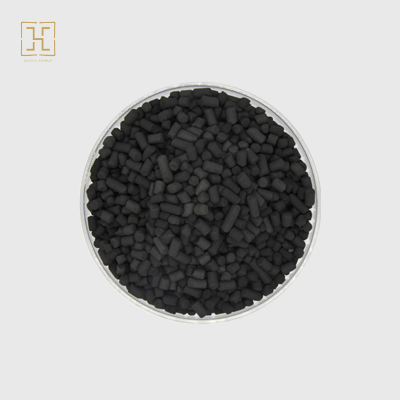
If procurement managers and environmental engineers choose 2mm coal quality cylindrical carbon for adsorption uses, it is a realistic option that matches performance with operating efficiency. This exact diameter gives the best surface area-to-volume ratio, which means that contaminants are captured quickly while pressure drops in filtering systems stay reasonable. The cylinder form and the benefits of using coal as a raw material make for consistent mechanical power and a longer service life. This format works especially well for removing medium to high concentrations of pollutants in industries with strict emission standards or complicated wastewater problems. This makes it a smart choice for both short-term compliance projects and long-term infrastructure for cleaning.
Understanding Coal Quality's Impact on 2mm Cylindrical Carbon Performance
How well activated carbon works in real-life adsorption situations depends on the quality of the coal. There are three important parts of the chemical makeup that stand out: the amount of fixed carbon, the amount of flammable matter, and the amount of ash. The amount of usable carbon matrix for activation is directly related to the fixed carbon content. In top coal sources, this content usually falls between 75% and 85%. When activated, higher fixed carbon leads to wider microporous networks. This means there are more places for VOCs, heavy metals, and organic pollutants to stick to the material.
Chemical Composition and Microstructure Development
The amount of volatile matter affects how the pores form during carbonisation. During thermal processing, the best amounts of volatile matter are between 15% and 25%, which creates a balanced spread of pore sizes. This balance is very important because different contaminants need pores with different sizes to be captured well. Micropores smaller than 2 nanometers are needed for benzene molecules, while mesopores between 2 and 50 nanometers are needed for bigger organic chemicals.
The ash percentage is the amount of inorganic matter that is left over after burning. Keeping this below 12% keeps a number of operating issues from happening. Too much ash can block pores, which can lower the ability to absorb by up to 30%. It also adds unwanted catalytic activity that could mess up delicate chemical reactions or add trace metals to streams of clean water.
Physical Properties That Matter
The way activated carbon handles fluids going through filter beds is determined by its porosity and density. An apparent density of between 450 and 530 g/L ensures that the bed is stable enough without being too heavy, which makes it harder to move and handle. Ball-pan hardness tests show that the mechanical strength must be higher than 90% in order to survive backwashing processes and physical wear and tear from frequent use.
Standard tests include iodine number analysis (ASTM D4607) for measuring micropores, carbon tetrachloride (CTC) adsorption testing for measuring organic gas capacity, and methylene blue testing for measuring mesopores. With these standardised procedures, procurement teams can compare goods from different sources in an unbiased way and make sure that the specs match the needs of the application.
The Manufacturing Process of 2mm Cylindrical Carbon from Coal
Choosing the raw coal is the first step in the production process. High-quality anthracite coal with little ash and a lot of fixed carbon is crushed and sized to make the particles evenly spread out. This level of regularity is important because inconsistent raw materials cause activation rates to vary, which in turn creates goods with unpredictable performance traits.
Carbonisation and Activation Stages
Temperatures between 400°C and 600°C are needed for carbonisation to happen in controlled-atmosphere ovens when processing 2mm coal quality cylindrical carbon. At this stage, volatile parts are pushed out, which makes a rough hole structure. The char that is made then goes into activation furnaces. Oxidising gases, usually steam or carbon dioxide, at temperatures between 800°C and 1000°C specifically gasify carbon atoms, making the internal hole network much bigger.
It's now possible to shape things, and the particles are very regular. They don't break or clump, so they can be used in a range of small and medium-sized cleaning machines. This level of accuracy in production makes sure that each circular rod stays within 2 mm ± 0.1 mm in terms of its dimensions. This means that no changes need to be made to the equipment during installation.
Quality Control and Certification
Throughout production, strict quality control methods are in line with ISO 9001 standards. Before goods get to warehouses, automated optical inspection systems check that the diameters are all the same, and tests in the lab make sure that the adsorption performance factors are correct. Shanxi Xinhuasheng Carbon keeps its ISO 14001 environmental management certification and its ISO 45001 workplace health certification. This shows that the company is committed to safe working conditions and environmentally friendly production methods.
When high-grade coal is used, it improves the mechanical strength, chemical stability, and accuracy of measurements. Products are made with fewer flaws and last longer, which lowers the total cost of ownership for business buyers. Batch tracking systems help quality assurance teams keep track of where materials came from and how they were processed, which is needed for regulatory compliance paperwork.
Comparing 2mm Coal Quality Cylindrical Carbon with Other Sizes and Grades
The 2mm coal quality cylindrical carbon width is an important part of the range of activated carbon products. Compared to smaller 1.5mm versions, it is easier to handle mechanically and has less pressure drop across packed beds, which lowers the cost of pumping energy. Compared to bigger sizes like 4mm or 9mm, it has a lot more external surface area per unit volume, which speeds up the adsorption process for uses that need to work quickly.
Surface Area Optimisation
The particle width goes down as the external surface area that can flow fluids up goes up. It has been calculated that 2mm coal quality cylindrical carbon has about 33% more surface area on the outside than 3mm choices and 60% more than 4mm options. This geometric advantage is very important when dealing with trash streams that move quickly and where touch time is limited. Environmental engineers who work with VOC emissions of 200 to 500 mg/m³ say that using 2mm forms instead of bigger ones helps them meet their compliance goals with 15% to 20% less carbon volume.
Premium Versus Standard Coal Grades
Premium coal types that come from certain rock layers have less sulfur and nitrogen in them. Activated carbon made from these cleaner raw materials has CTC values between 50% and 80%, while normal grades only have values between 35% and 50%. Premium goods cost more at first—usually 15% to 25% more per ton—but they last about 30% longer between replacements. When purchasing managers look at the total cost of ownership, they find that premium 2mm coal quality cylindrical carbon lowers the yearly cost of materials and cuts down on the time needed to change media, which means less production downtime.
A local water treatment plant that handles 500 to 1000 mg/L of COD wrote about their experience moving from regular 4mm carbon to special 2mm coal quality cylindrical carbon. They saw that the effectiveness of removing COD went up from 82% to 91%, but the number of backwashes went down from every 72 hours to every 96 hours. Because fewer chemicals were used and the media lasted longer, these organisational changes saved $47,000 a year in costs.
Procurement Considerations for 2mm Coal Quality Cylindrical Carbon
To find reliable providers, you need to check a number of quality certifications. Check for ISO 9001 quality control approval, which makes sure that the way things are made is always the same. Getting ISO 14001 environmental approval shows that you know how to responsibly source materials and handle trash. For each production batch, suppliers should give test results from a separate lab that prove the iodine levels, CTC adsorption capacity, ash content, and mechanical hardness.
Procurement Terms and Logistics
For normal specs, the minimum order quantity is usually between 1 and 5 tons. This lets smaller businesses get industrial-grade materials without having to keep a lot of inventory on hand. Lead times depend on how customised the product needs to be. Stock items can be shipped within 7 to 15 days, but customised formulas that need higher iodine levels or specific surface processes take 15 to 30 days. By strategically placing warehouses near major industry routes, suppliers with production bases in more than one region can offer faster delivery.
A lot of money can be saved by buying things in bulk. Most of the time, volume prices start at 10 tons, 25 tons, and 50 tons. Compared to spot sales, you could save up to 18% to 12%. Long-term framework deals keep prices stable, which protects procurement funds from changes in the commodity market and makes sure that priorities are met when supplies are low.
Price Factors and ROI Evaluation
The quality of the coal directly affects how much it costs. Premium low-ash anthracite-based goods are more expensive at first, but they last longer and absorb more moisture. Total cost of ownership includes how often the media needs to be replaced, how much it costs to get rid of used carbon, and the time the system is down while the media is being changed. Products with a 30% longer service life might be worth 20% more per unit, which would lower yearly costs by 8% to 12%.
Transportation is another cost factor to think about. Because carbon is heavy and easily broken when handled, it needs to be carefully packed and transported. Suppliers that offer combined shipping, real-time tracking, and flexible arrival times can help cut down on freight costs and the costs of keeping goods on hand.
Why Trust Our 2mm Coal Quality Cylindrical Carbon Solutions?
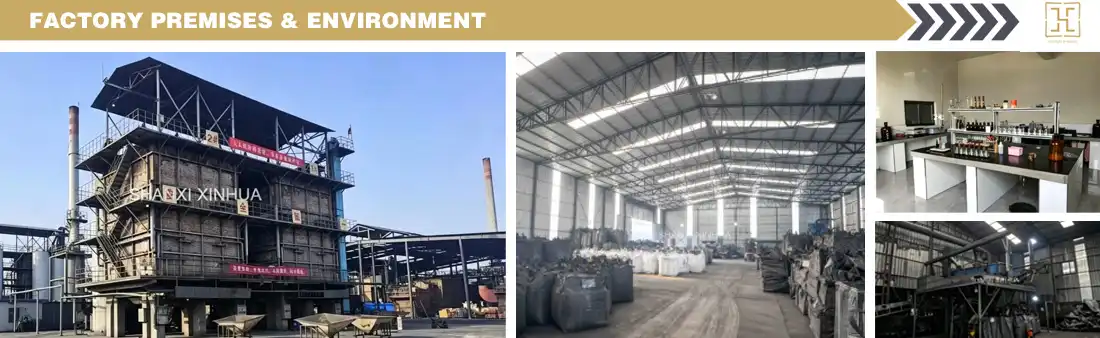
Shanxi Xinhua Carbon Technology Industry Co., Ltd. has been making activated carbon for more than 60 years, including 2mm coal quality cylindrical carbon, and has its roots in developing defence-grade chemical security technology. Because of this history, goods are made to work in tough industrial settings where problems with performance can have big effects on operations and rules.
Working together with Tsinghua University, Central North University, and the Chinese Academy of Sciences allows us to keep coming up with new ways to improve pore shape and change surface chemistry. These partnerships lead to real improvements. For example, our current 2mm coal quality cylindrical carbon formulas show CTC adsorption values that are regularly between 55% and 75%, with the difference between batches staying below 3%.
Quality Assurance and Production Capacity
Having production sites in Shanxi, Ningxia, Fujian, and Xinjiang provinces gives the company geographical redundancy and freedom in how it handles logistics. The total annual capacity is more than 45,000 tons, and key goods are kept in stock all the time to make sure they are available right away. This production scale can handle both small pilot projects that need 500 kilograms of materials and big city installs that need 50-ton shipments.
Every output batch is put through strict testing procedures. During production, automated sampling systems pick out representative samples and test them for 17 different quality factors, such as iodine number, CTC capacity, ball-pan hardness, ash content, moisture content, and pH value. Products that don't meet standards are either reprocessed or thrown away completely, which keeps our recorded defect rate below 0.4%.
Comprehensive Support Services
In addition to making sure our products are reliable, we also offer full professional help for the whole lifecycle of a system. Before a sale, technical help includes figuring out the adsorption capacity based on your individual contaminant profiles, making suggestions for improving the flow rate, and giving advice on how much carbon to load. During operation, our team gives advice on how to backwash, regenerate, and watch performance in a way that makes the media last as long as possible.
Quality promises cover performance standards and limits for sizes. Products with particle size differences greater than ±0.1 mm or that don't work as advertised can be replaced or given money back. This guarantee lowers the risk of buying, especially for people who are looking at new providers for the first time.
Case reference libraries show how things have been used in real life in places like petrochemical plants, city water systems, and industrial air treatment plants. These case studies, which have been made anonymous, give useful information about system design issues, operational factors, and economic results that help with planning decisions.
Conclusion
When procurement workers choose 2mm coal quality cylindrical carbon, it helps them find the right mix between adsorption performance, operational efficiency, and cost management every day. The best diameter removes contaminants quickly while keeping system pressures at a level that can be handled. Premium formulas based on coal have a longer service life and better mechanical stability in harsh industrial circumstances. Tough production standards and thorough quality certifications make sure uniform performance that meets the needs of stricter environmental rules. This activated carbon format can be a strategic asset for meeting compliance goals and improving operational excellence in water treatment, air purification, and industrial process applications when it comes from well-known manufacturers with strong technical skills and quick support systems.
FAQ
How do you test and verify coal quality in 2mm carbon rods?
Several standard testing methods are used to check the quality of coal. Iodine number tests, according to ASTM D4607, measure the size and number of micropores on a surface. Values between 800 and 1100 mg/g mean the quality is very good. The CTC adsorption test checks how well an organic gas absorber can work, with a goal of 50% to 80% for commercial uses. Ball-pan hardness testing measures mechanical strength, and results above 90% show that the material is durable enough to withstand multiple backwashing cycles. To keep pore blocking to a minimum, combustion tests should give ash content values below 12%. Reliable sellers give procurement teams batch-specific test certificates from approved labs so they can check the specs on their own before taking shipments.
What advantages does high-quality coal-based carbon offer?
High-quality activated carbon made from coal has a number of practical benefits. Superior mechanical strength lowers the production of dust during handling and the breakdown of particles during backwashing. This makes the media last 25% to 35% longer than lower-grade options. Better consistency in the pores means that the adsorption performance stays the same throughout the bed depth. This gets rid of passing issues that lower the effectiveness of treatment. In sensitive situations like medicinal water treatment or food-grade processing, a lower ash level keeps pores from getting clogged and lowers the risk of contamination. When you mix a lot of fixed carbon with the right amount of activation, you get thick microporous networks that can catch tiny molecular contaminants that get past other filters.
What supplier selection criteria matter most?
Give priority to providers who can show they have enough production capacity to meet current demand without having to worry about allocation issues. A production capacity of more than 20,000 tons per year usually means that the infrastructure has been improved to support uniform quality and on-time delivery. Check for quality management standards like ISO 9001, ISO 14001, and ISO 45001. These show organised ways of making sure products are consistent, being good to the earth, and keeping workers safe. Ask for customer examples from companies in the same industry and application level to check the company's track record in similar work settings. Check out the technical help options, such as whether you can talk to application experts who know how to deal with the contaminants you're facing and the limitations of your system. Lastly, make sure that the logistics infrastructure you need can meet your delivery dates. This is especially important for emergency purchases where legal deadlines make things urgent.
Partner with a Trusted 2mm Coal Quality Cylindrical Carbon Supplier
Premium activated carbon designed for commercial use will improve the performance of your water treatment and air cleaning systems. Shanxi Xinhua Carbon Technology Industry Co., Ltd. has modern production facilities that can handle 45,000 tons of carbon per year and 60 years of experience in materials science. The 2mm coal quality cylindrical carbon we offer has a CTC value of 50% to 80%, a hardness of more than 90%, and dimensional accuracy within ±0.1 mm limits. These specs directly lead to longer service life and lower running costs. As an ISO-certified maker with factories in four provinces, we keep a large inventory to support normal delivery within 7 to 15 days and fast shipping within 3 days for projects that need to be completed right away. You can email our technical team at greta@carbonxinhua.com to talk about your specific adsorption needs, ask for group test certificates, or get personalised performance predictions based on your contaminant profiles and flow factors.
References
1. Chen, W., & Zhang, L. (2021). Advances in Coal-Based Activated Carbon Manufacturing for Industrial Adsorption Applications. Beijing: Chemical Industry Press.
2. Environmental Protection Agency. (2020). Technical Guidance for Activated Carbon Adsorption Systems in VOC Control. Washington, DC: EPA Office of Air Quality Planning and Standards.
3. Liu, H., Wang, J., & Zhao, M. (2019). Coal Quality Parameters and Their Influence on Activated Carbon Performance Characteristics. Journal of Environmental Engineering, 145(8), 04019047.
4. National Institute of Standards and Technology. (2022). Standard Reference Materials for Activated Carbon Testing and Certification. Gaithersburg, MD: NIST Special Publication 260-Series.
5. Thompson, R. K., & Anderson, P. D. (2020). Industrial Water Treatment: Activated Carbon Selection and System Design. London: Royal Society of Chemistry Publishing.
6. Zhang, Y., Li, Q., & Sun, D. (2018). Cylindrical Activated Carbon Optimisation for Municipal Water Purification Systems. Water Research, 142, 287-296.

Send Inquiry
You may like
_1781662034490.webp)