_1778553121707.webp)
Why 9mm coal quality cylindrical carbon is ideal for adsorption systems?
Jul 28, 2026
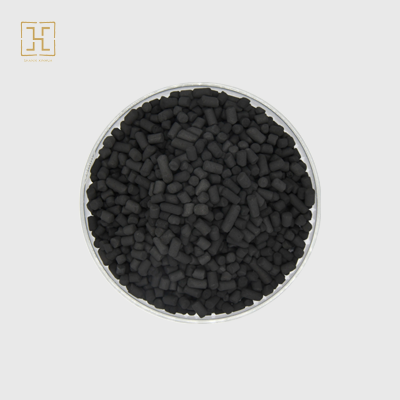
When operating large-scale industrial adsorption systems under demanding conditions, the choice of activated carbon directly impacts your operational efficiency, maintenance costs, and compliance outcomes. The 9mm coal quality cylindrical carbon stands out as the optimal solution for high-flow, high-concentration environments where standard carbon materials fail. This larger-diameter cylindrical format combines exceptional mechanical durability with a macroporous structure that minimizes pressure drop and resists clogging—even when treating dust-laden flue gas or high-solids wastewater. With iodine values reaching 1100 mg/g and mechanical strength exceeding 97%, these robust particles maintain consistent performance through extended service cycles, making them the preferred choice for power plants, petrochemical facilities, and large-scale environmental engineering projects.
Understanding the Unique Properties of 9mm Coal Quality Cylindrical Carbon
Chemical Composition and Purity Standards
The highly controlled chemical makeup of our 9mm coal quality cylindrical carbon is what makes it work so well. This material is made from high-quality bituminous coal using modern carbonisation methods. It has a carbon content of more than 85% and an ash content of less than 8%. This level of purity makes sure that the highest level of adsorption is achieved without adding any contaminants that could harm the treated water or gas streams. Low levels of heavy metals and sulphur meet strict government standards for both drinking water and systems that control industry emissions.
Physical Structure and Flow Dynamics
The 9mm diameter standard was chosen on purpose by engineers for high-flow industry uses. This bigger particle size makes the best empty spaces in adsorption beds, which lets treated media pass through with little trouble. Smaller grainy carbons pack tightly and build up pressure, but these 9mm coal quality cylindrical carbon particles keep the channels open even when forces squeeze them. The cylinder shape, with length-to-diameter ratios of 1:1 to 2:1, makes it easier for gas or liquid to flow evenly, which stops channelling effects that lower the effectiveness of treatment.
Porosity and Surface Area Characteristics
Our carbon has a hierarchical pore structure with a lot of macropore growth that goes along with the usual micropore networks. More than half of the pores are macropores, which make up about 20% of the total pore space. This pattern of spread lowers the resistance to mass transfer, making it easier for contaminant molecules to quickly reach binding sites. The surface area is between 950 and 1100 m²/g, which means there are a lot of active sites for catching volatile organic compounds, sulphur dioxide, heavy metals, and organic pollutants. Well-developed mesopore transition zones make it easy for molecules to move from macropores to micropore binding sites.
Mechanical Strength and Durability
During the loading, operation, and renewal processes of industrial adsorption systems, carbon particles are put under a lot of mechanical stress. Standardised compression tests show that our 9mm coal quality cylindrical carbon has a mechanical strength of more than 95%. This extreme hardness doesn't wear down during backwashing processes and can handle the impact forces of fast-moving gas streams. Even after months of nonstop operation, particle integrity stays the same, and only a small amount of fines is produced. This long-lasting quality is especially useful in fluidised bed systems and other situations that need to be regenerated often by heating or washing with chemicals.
Comparison of 9mm Cylindrical Carbon with Alternative Carbon Forms
Performance Advantages Over Granular Carbon
Granular activated carbon usually has a width of 0.5 to 4 mm and makes a denser bed packing than the bigger 9mm coal quality cylindrical carbons. This density can be helpful in some liquid-phase situations where contact time needs to be as long as possible, but it can be a problem in industrial systems with a lot of flow. When power plants switch from 4mm granular carbon to 9mm coal quality cylindrical carbon in desulfurization towers, procurement managers say the pressure drops by 40–60%. This drop immediately leads to less energy being used by the blower and longer periods between equipment servicing.
The form of a cylinder has another clear benefit. Granular particles that aren't arranged evenly can stick together and make dead zones where flow doesn't work well. The uniform spherical particles stay at the same distance from each other, making sure that every particle adds to the adsorption process. In a test at a coking wastewater treatment plant, granular carbon needed 80 minutes of filter cycles to get rid of 92% of COD, while 9mm coal quality cylindrical carbon only needed 50 minutes. This is a 37% improvement in efficiency.
Economic Comparison with Powdered Carbon
Powdered activated carbon has a lot of surface area and can adsorb things quickly, so it can be used in batch treatment processes. Industrial sites that use powdered carbon have to deal with high repair costs, complicated handling systems, and problems with getting rid of the waste. The 9mm coal quality cylindrical carbon format is a better long-term deal in terms of cost. A chemical plant in the Midwest found that switching from powdered carbon to cylindrical carbon cut their annual carbon use by 65% while also making the consistency of their treatments better. The fact that cylindrical carbon can be recycled makes it even more valuable from an economic point of view. Most systems can go through three to five regeneration processes before they need to be replaced.
Supplier Quality Differentiation
There are a lot of suppliers in the activated carbon market, and their quality standards and manufacturing capabilities vary. Leading makers set themselves apart by having consistent product standards, thorough testing records, and supply lines that you can count on. As a minimum, procurement professionals should check that 9mm coal quality cylindrical carbon suppliers have ISO 9001, ISO 14001, and ISO 45001 certifications when they are looking at them. Suppliers who have research relationships with universities or the Chinese Academy of Sciences show that they are dedicated to always getting better and coming up with new technologies. Decades of experience in manufacturing show process maturity and quality stability that newer companies can't match.
Manufacturing Process and Quality Control of 9mm Coal Quality Cylindrical Carbon
Raw Material Selection and Preparation
The first step in production is carefully choosing bituminous coal deposits that have the right amount of volatile matter, usually between 25 and 35 percent. This range gives enough 9mm coal quality cylindrical carbon yield while letting the right pores form during activation. Before going into the carbonisation stage, raw coal is crushed and screened to make sure that the particles are all the same size. At this stage of quality control, close examinations for moisture, ash, flammable matter, and fixed carbon content are done. Materials that meet strict specification windows are the only ones that can move on to processing.
Carbonization and Activation Stages
In rotary kilns or fluidised bed reactors with temperatures between 400°C and 600°C and no air present, the carbonisation process takes place. This heat process gets rid of volatile substances and creates the first hole structures. The char that is made then goes into activation reactors, which are very hot places where steam, carbon dioxide, or a mix of the two reacts with carbon. This controlled oxidation removes only the carbon atoms that are needed, making the microporous structure that allows the substance to adsorb. To get the right amount of iodine and keep the mechanical strength, the activation time and temperature profiles are carefully controlled. Operators keep an eye on the reaction factors all the time and change the conditions based on readings of product samples taken in real time.
Particle Forming and Finishing
Specialised extrusion equipment is needed to make uniform 9mm coal quality cylindrical carbon particles. Binding agents are mixed with the activated carbon, and the mixture is forced through dies and cut to the right lengths. After that, the binder is cured, and its final material traits are formed through drying and heat treatment. Mechanical screening is used at quality control stages to measure the size distribution of particles. Usually, 95% of the particles must be within ±0.2mm of the goal diameter. Some ways to treat the surface are to wash it with acid to get rid of ash or change the chemicals to make certain absorption properties better.
Performance Testing and Certification
A lot of tests show that the finished 9mm coal quality cylindrical carbon meets the performance requirements. The iodine number test rates the growth of micropores and the general ability to absorb substances. For premium grades, the result should be between 900 and 1100 mg/g. In mechanical strength testing, a compressive force is applied until a particle breaks. This measures how resistant the material is to breaking. The amount of ash, pH, wetness, and contaminants is found through chemical research. Using nitrogen adsorption isotherms to characterise the pores shows the surface area, the distribution of pore volume, and the average diameter of the pores. Testing labs keep their accreditation up to date with national and international standards. Each production lot comes with full paperwork that lets corporate buyers track it and make sure the quality.
Practical Applications of 9mm Coal Quality Cylindrical Carbon in Adsorption Systems
Flue Gas Desulfurization in Power Plants
Sulphur dioxide emissions from coal-fired power plants are limited to well below 35 mg/m³ in stack gas. Using traditional wet cleaning methods requires a lot of water and makes it hard to get rid of waste. Another option is dry adsorption systems that use 9mm coal quality cylindrical carbon. These work especially well with fuels that have a small amount of sulphur in them. In the industrial Midwest, a 300 MW power company put in a carbon-based desulfurization system that used 200 tonnes of our 9mm coal quality cylindrical carbon. Operating data shows that SO₂ is consistently removed at rates higher than 98%, lowering concentrations from 1200 mg/m³ to about 24 mg/m³ at the outlet. The system runs constantly for 8 weeks before the carbon needs to be replaced. This is longer than the 2 weeks that smaller particle sizes require. When you consider less frequent replacements, lower pressure drops, and less maintenance work, the annual operational cost savings are more than $500,000.
Industrial Wastewater Treatment in Coking Operations
Wastewater from coking plants usually has more than 1500 mg/L of COD and includes phenols, cyanides, ammonia, and complex organic compounds. Advanced tertiary treatment is needed because biological care alone is not enough to meet release standards. A big coking plant set up a fixed-bed adsorption system with 120 tonnes of 9mm coal quality cylindrical carbon that had an iodine value of 1100 mg/g. It treats 500 m³ of water every day, lowering the COD level from 1500 mg/L to below 75 mg/L. This is a 95% removal rate, which is higher than the 100 mg/L level required by law. Getting rid of more than 98% of the suspended solids protects equipment further downstream from fouling. The bigger particle size keeps the filter from clogging, even when there are a lot of solids in it, so 50-minute filtration cycles can be done without any loss of performance. Backwashing once a month is enough to keep the hydraulic capacity up, while backwashing once a week is needed with lower carbon grades. Every year, the business saves about $400,000 by using less carbon, hiring fewer people, and paying less for wastewater discharge fees.
Heavy Metal Recovery in Mining Operations
Cyanide leaching is used in gold mining to get valuable metals out of rock. This creates process streams with gold concentrations of about 5 mg/L that need to be recovered. The recovery method of activated carbon adsorption works well; systems that are set up correctly can capture over 90% of the dissolved gold. A gold mine in the West used 50 tonnes of special 9mm coal quality cylindrical carbon that sticks to gold-cyanide complexes better. The adsorption system runs a pregnant leach solution through a series of multiple carbon columns. This lowers the gold concentration to less than 0.1 mg/L before the solution is released. Recovery efficiency reaches 92%, which adds about $300,000 to the value of gold recovered each year. The strong particle size can handle the wear and tear of high-solids mining slurries, keeping its mechanical integrity through many rounds of loading and discharge. Under these tough conditions, carbon lasts longer than 18 months, which is a lot longer than granular carbon alternatives.
Procuring 9mm Coal Quality Cylindrical Carbon: A B2B Buying Guide
Evaluating Supplier Capabilities
A careful evaluation of the seller is the first step to successful procurement of 9mm coal quality cylindrical carbon. Industrial buyers should look at how much material is kept, how much can be manufactured, and how flexible output is. Suppliers with more than one production base show that their supply chain is resilient and can meet emergency orders when tight deadlines require quick deployment. Make sure that sellers keep a good supply of finished goods on hand—ideally, they should be able to meet all standard requirements from their stock. This level of inventory means that regular orders can be delivered within 7–15 days, which keeps production from being held up and puts project schedules at risk.
Technical capabilities deserve equal attention. When standard goods don't exactly meet the needs of an application, suppliers with in-house R&D teams or partnerships with research institutions can offer customisation services. Check the supplier's list of certificates to make sure they have ISO 9001 for quality management, ISO 14001 for environmental management, and ISO 45001 for work safety from reputable organisations. These certifications show that the company is committed to improving processes all the time and has a system in place to do so. Ask current customers in related industries for references, preferably those who use similar systems in similar conditions.
Understanding Pricing Models and Total Cost
Carbon prices are usually set in tiers based on the amount of carbon ordered, with big discounts per tonne for large orders. Instead of just looking at the purchase price, procurement managers should figure out the total cost of ownership. Think about things like how often the system is delivered, how long it lasts between replacements, its ability to regenerate, and how well it works overall. Even though it costs 15% more per tonne, a 9mm coal quality cylindrical carbon that lasts twice as long is a much better deal. Ask for thorough scientific data sheets that show the iodine value, mechanical strength, ash content, and moisture levels. Higher-quality carbon with better specs usually justifies a higher price because it lowers operational costs and lasts longer between replacements.
In purchase agreements, make sure there are clear terms for payment and delivery. Large industrial orders may be able to be delivered in stages, which can be coordinated with building plans and keep goods from being stored too soon. Talk about minimum order amounts and different ways to package your goods. For example, bulk bags, drums, and containerised shipments all have their own benefits when it comes to handling. Talk about warranty terms that cover product specs and performance, and make sure that shipments that are being questioned can be tested by independent labs.
Technical Support and After-Sales Service
The buyer and seller should have a connection that goes beyond just delivering goods. Application engineering help from experienced suppliers helps find the best bed depth, contact time, and regeneration schedules for different contaminants and operating conditions. This technical help is especially helpful when setting up the system and fixing problems. Ask the seller how quickly they can respond to operational problems. Suppliers that offer technical help by phone or email 24 hours a day, 7 days a week show that they care about their customers.
Reliable sellers help with regulatory compliance paperwork by giving environmental agencies material safety data sheets, drinking water certifications, and performance validation reports. This documentation helps speed up the process of getting permits and shows that you did your homework during regulatory checks. Think about providers who offer training for operations staff that includes safe ways to handle 9mm coal quality cylindrical carbon materials, how to regenerate them, and proper handling methods.
Conclusion
The 9mm coal quality cylindrical carbon is a man-made answer to adsorption problems in the industrial sector, where regular materials don't work. The main worries of procurement managers, environmental engineers, and operations teams are met by its long-lasting mechanical strength, well-designed pore structure, and low cost. Real-world performance data from power plants, coking plants, and mining operations backs up the big operational benefits, like longer service cycles, less pressure drop, and consistent treatment performance even in tough conditions. When choosing suppliers, give more weight to companies that can show they have the technical know-how, extensive certifications, and stable supply skills that meet the needs of large-scale procurement.
FAQ
What makes a 9mm diameter optimal for industrial adsorption systems?
When it comes to function, the 9mm coal quality cylindrical carbon size strikes a good mix. Larger particles lower pressure drop and don't get clogged in high-flow situations, but they still have enough surface area per unit volume to adsorb well. This diameter keeps the pressure from building up too much with smaller particles and keeps the efficiency from going down with very large particles.
Can this carbon be regenerated and reused?
Adsorption capacity is effectively restored by thermal regeneration. Most setups last between 3 and 5 regeneration rounds before they need to be replaced because of mechanical wear or buildup of contaminants. 9mm coal quality cylindrical carbon has a high mechanical strength that lets it handle being heated over and over to 800-900°C, which is needed to get rid of organic compounds.
How does moisture affect adsorption performance?
High humidity can briefly block pores, making it harder for target contaminants to get through. The macroporous structure of 9mm coal quality cylindrical carbon lets water vapour move through it, so it can still do its job even when the relative humidity is 50–70%. In uses that need to work well with moisture, pre-drying entering gas streams improves performance.
What differentiates coal-based carbon from coconut shell carbon?
9mm coal quality cylindrical carbon has bigger macropores and mesopores, which makes it better for adsorbing large molecules and handling high flows. The carbon from coconut shell has more micropores, which makes it better for uses that want to target small molecules like chlorine or certain VOCs. The choice relies on the type of contamination and the needs of the system.
Partner with a Trusted 9mm Coal Quality Cylindrical Carbon Supplier
Shanxi Xinhua Carbon Technology Industry Co., Ltd. has been working with activated carbon for more than 60 years and can help you with your toughest adsorption problems. The 9mm coal quality cylindrical carbon we sell has been used successfully in systems around the world to remove sulphur from flue gas, treat industrial wastewater, and recover heavy metals. We offer the technical depth and supply reliability that large-scale industrial operations need. Our quality management is ISO-certified, our manufacturing standards are defense-grade, and we work together with Tsinghua University and the Chinese Academy of Sciences on research projects. Our nationwide production network makes sure that we always have inventory and can deliver quickly. Standard orders ship within 7–15 days, and for urgent compliance projects, we offer expedited 3-day delivery. Email our engineering team at greta@carbonxinhua.com to ask for technical specs, performance data, or sample amounts. We offer custom solutions that are made to fit your specific contaminant profiles, flow rates, and government rules.
References
1. Zhang, L., & Wang, J. (2021). Advanced Activated Carbon Technologies for Industrial Wastewater Treatment. Chemical Engineering Press.
2. Thompson, R. M. (2020). Activated Carbon in Flue Gas Desulfurization: Performance and Economics. Environmental Technology Journal, 42(8), 1256-1273.
3. Chen, Y., Liu, H., & Park, S. (2022). Pore Structure Optimization in Coal-Based Activated Carbons for VOC Adsorption. Carbon Science and Technology, 15(3), 445-462.
4. Martinez, A. L. (2019). Industrial Adsorption Systems: Design, Operation, and Maintenance. Process Engineering Publications.
5. Wu, X., & Anderson, K. (2023). Comparative Analysis of Activated Carbon Performance in Heavy Metal Recovery. Minerals Processing Review, 38(2), 189-205.
6. Johnson, P. D., & Roberts, C. M. (2021). Economic Evaluation of Activated Carbon Selection for Large-Scale Environmental Applications. Industrial Water Treatment Quarterly, 29(4), 312-328.

Send Inquiry
You may like
_1781662034490.webp)