_1778553121707.webp)
Which Applications Require 5mm Cylindrical Activated Carbon?
Jun 23, 2026
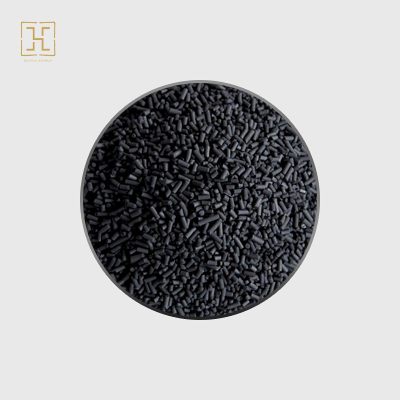
5mm coal quality cylindrical carbon is used in industries that have to follow strict environmental rules and run all the time. It is used for things like treating wastewater, getting rid of VOCs, cleaning flue gas, and handling chemicals. This type of activated carbon has great mechanical strength and well-distributed pores, so it works reliably as an adsorbent in high-pressure, high-flow industry settings where replacing materials often is expensive and causes problems.
Understanding 5mm Coal Quality Cylindrical Carbon: Properties and Performance
When looking at adsorption materials for use in industry, it's important to know about their chemical and physical qualities. Shanxi Xinhuasheng Carbon Manufacturing Co., Ltd. makes 5mm coal quality cylindrical carbon with an iodine number higher than 350 mg/g, which means it can strongly absorb substances. This material is very durable, with a toughness level of at least 97%, an ash content of less than 8%, and a moisture content of less than 5%. It can be used in harsh settings.
The process used to make this product is based on more than 60 years of research and development in chemical safety technology for the military. The material gets a well-balanced pore structure through improved carbonization and activation methods. Because it has a slightly higher percentage of big pores, it allows for faster mass transfer rates. This lowers the running resistance of equipment and makes it last longer than other carbon forms.
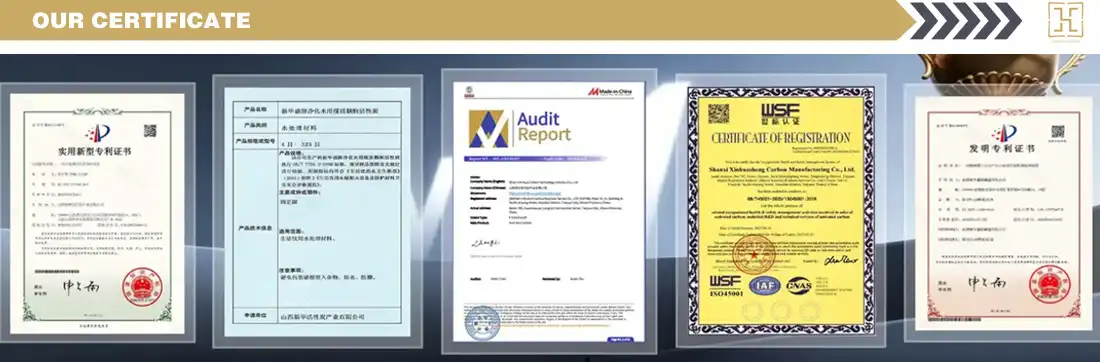
Environmental concerns stay the most important during production. Shanxi Xinhua has ISO 9001, ISO 14001, and ISO 45001 certifications, which make sure that their standards for quality management, environmental duty, and worker safety are in line with what is expected around the world. In Shanxi, Ningxia, Fujian, and Xinjiang, production bases make a total of 45,000 tons of goods every year, which helps keep supply lines going for industry clients around the world.
Performance Comparison with Alternative Carbon Forms
When you look at this information next to other versions, you can see clear benefits. Even though granular activated carbon works well for some types of water cleaning, it is not strong enough for high-pressure systems. The 10mm cylinder version is more durable, but it might make flow resistance higher in small equipment designs. Lump coal and anthracite are cheaper, but they need more preparation steps to be as effective at adsorption as other types of coal.
The 5mm width is just the right size. It fits perfectly into fixed-bed devices that treat waste gases and large-scale water filters, so the systems don't need to be changed. The uniform particle size stops diffusion effects that lower the effectiveness of filters. Tests show that desulfurization values higher than 22 mg/g and denitrification rates higher than 42% are met, which means that the emissions meet strict standards in the power production and industrial industries.
Primary Industrial Applications of 5mm Cylindrical Activated Carbon
This adsorption material can be used in a lot of different business areas, and each one has its own operational difficulties and legal requirements.
Water and Wastewater Treatment Systems
Reliable removal of contaminants is important for both municipal water plants and business wastewater treatment plants. The 5mm coal quality cylindrical carbon does a good job of filtering large amounts of wastewater, collecting heavy metals, organic substances, and chlorine residues. Even at high flow rates, the improved pore distribution ensures that all pollutants are captured.
Chemical companies that make wastewater with high amounts of COD can gain from the material's longer service times. Electroplating plants that clean cyanide-containing wastewater meet discharge rules while lowering the number of times they need to be replaced. The high purity and low ash level of the material make it very useful for pharmaceutical operations that need to get rid of endotoxins.
Air Purification and VOC Removal
More and more rules are being put on industries that release volatile chemical compounds. This 5mm coal quality cylindrical carbon is used in air cleaning systems at paint spraying facilities, printing operations, and electronics manufacturing plants to catch VOCs before they are released into the air. The material's efficiency stays the same even when the weather and humidity change.
The strong granule structure doesn't break down when high-speed wind hits it, so fines don't form that could damage equipment further down the line. Medium-sized exhaust gas systems that work all the time, like how durable they are, which means they don't need to be serviced as often, and there is less downtime for operations.
Flue Gas Treatment in Power Generation
Flue gas desulfurization and denitrification must be done effectively in coal-fired power plants and other energy buildings. The 5mm coal quality cylindrical carbon can handle high temperatures and corrosive gas conditions that are corrosive, so it can be used in these tough situations. The material's pores and specific surface area work together to catch sulfur compounds, nitrogen oxides, and mercury pollution.
The material's resistance to mechanical degradation makes it useful for long-term, ongoing use. Unlike carbon forms that break down when heated and cooled, this product keeps its structure. This helps it meet ever-tougher emission standards while keeping repair costs low.
Chemical Catalyst Support and Solvent Recovery
5mm coal quality cylindrical carbon is used by chemical process companies as a support medium for catalysts and for solvent recovery. The regular 5mm particle size makes the bed depth and pressure drop properties that are needed for catalytic reactions consistent. The mechanical strength of the material stops wear and tear that could contaminate product lines.
Pharmaceutical companies that need to get rid of chemical solvents, such as how well the material can absorb and regenerate. Being able to heat-revive the carbon more than once before replacing it lowers costs and helps with environmental efforts.
Comparison and Selection Guide: Why Choose 5mm Cylindrical Activated Carbon?
When making choices about what to buy in the activated carbon market, buyers have to weigh performance needs against budget limits and supply stability.
Performance Advantages Over Alternative Materials
The 5mm coal quality cylindrical carbon version has a number of practical advantages that make it worth specifying over other options. When compared to powdered carbon, it has higher mechanical strength and less pressure drop. It gives better contact efficiency in medium-capacity systems than 10mm cylindrical goods without lowering longevity.
The material can handle more pollution than many other goods on the market, and it can be used in places where COD and VOC levels are high. More binding capacity means that the product will last longer before it needs to be replaced, which saves money on work and keeps production going. These qualities are especially useful in fields with strict compliance dates, where technology downtime can cause financial and legal problems.
Supplier Selection Criteria
Picking a dependable maker has a big effect on the success of the job. Shanxi Xinhua's multi-base production method makes sure that they always have columnar, granular, and powdered activated carbon in stock. Standard orders are sent out within 7 to 15 days, while tailored recipes needing specific pore structures or filled catalysts take 15 to 30 days to deliver.
Working with Tsinghua University, Central North University, and the Chinese Academy of Sciences shows that the company has a lot of expert knowledge. Core invention patents in carbon-based catalysts and modified activated carbon set technology limits that keep products from being too similar. Defense-grade quality control methods that have been built over many years ensure that each batch performs the same way.
International buying teams need to be able to handle processes on a global scale. Because it is strategically located near major transportation hubs, it is possible to send across the country within 3–7 days through specialized fleet and logistics partnerships. Using methods for shipping by sea, air, and train, along with real-time tracking and help with customs clearance, makes buying things across borders easier.
Bulk Procurement Considerations
When businesses buy things in large quantities, they usually place orders by the ton and sign long-term framework supply contracts. Shanxi Xinhua keeps all of its core goods in stock at all times. In case of an emergency, it can restock quickly by responding 24 hours a day, seven days a week, and it can speed up courier shipping to three days for important compliance projects.
Pricing structures are based on promises to buy a certain amount. Environmental engineering companies and local procurement units can get discounts for buying in bulk. Technical paperwork packages with performance validation reports, certification copies, and application advice help with the thorough testing and sampling that comes before big purchases.
Optimizing Application Performance with 5mm Cylindrical Carbon
To get the best return on investment, you need to make sure that the material specs fit the operational needs and that best practices are used throughout the whole lifecycle of the product.
Technical Specification Alignment
For different uses, different efficiency qualities are needed. High-temperature flue gas treatment benefits from 5mm coal quality cylindrical carbon that is more thermally stable, while large-pore dominance is important for effective organic chemical adsorption in wastewater uses. The people who work in procurement should give iodine numbers, hardness scores, and ash content levels that are in line with how their systems are designed.
The 5mm particle size works well with fixed-bed arrangements that are common in industrial processes that go on all the time. To get the desired residence times, bed depth estimates should take into account the material's mass and how it packs. To avoid channeling and make sure the whole adsorption zone is used, the flow rate factors must stay within the suggested ranges.
Installation and Maintenance Best Practices
When something is installed correctly, it lasts longer and keeps working well. To keep tools from getting dirty, clean them well before adding carbon. Spread the material out evenly on the bed to stop flow routes from favoring certain areas. Keep an eye on the drop in pressure across the bed to find out early signs of fouling or saturation.
Set up sampling rules to keep track of how the adsorption capacity changes over time. Breakthrough models help figure out how long it should be between replacements before the quality of the waste starts to drop. When regeneration is needed, it should be done according to the manufacturer's instructions so that the structure doesn't lose its strength.
Emerging Trends and Future-Proofing Strategies
The number of uses for carbon activation technologies keeps growing as they get better. Changes to activated carbons that include metal oxides or functional groups with nitrogen make them better at breaking down certain toxins. When purchasing managers are thinking about long-term plans, they should look at providers that have research and development (R&D) skills that allow for material customization as rules change.
Moving toward the ideas of a circular economy promotes heat reactivation and material recycling. Selecting carbons built for multiple regeneration processes fits with sustainability goals while lowering lifetime costs. Partnerships with makers that offer expert advice make sure that the materials chosen can be changed to meet changing operating needs and legal requirements.
Conclusion
When you choose 5mm coal quality cylindrical carbon, you meet important performance standards for treating wastewater, getting rid of VOCs, cleaning flue gas, and handling chemicals. The material works well in high-pressure, continuous-operation settings because it is strong, has a well-designed hole structure, and has been shown to be able to absorb substances. Shanxi Xinhua has been making activated carbon for 60 years and has defense-grade quality systems and a strong supply chain infrastructure. This makes the company a reliable partner for industrial procurement teams that have to deal with complicated compliance environments and tough operational conditions.
FAQ
What is the typical service life of 5mm cylindrical activated carbon in industrial applications?
Service life depends on the amount of pollution, the weather, the humidity, and the flow rate. Most water treatment systems that deal with city sewage last between 12 and 18 months. However, systems that deal with chemical wastewater with high COD may need to be replaced every 6 to 12 months. Continuously running VOC cleanup devices can usually go 18 to 24 months before they break down. Regular tracking through testing of effluent and measuring of pressure drop gives the exact replacement time, which stops compliance failures and makes the best use of materials.
How does 5mm cylindrical carbon compare to granular activated carbon in water treatment efficiency?
5mm coal quality cylindrical carbon has higher mechanical strength and makes it less likely that fines will form, which can make backwashing and filtering more difficult. When compared to irregular granular forms, the 5mm size makes the bed features more stable, and the pressure drop smaller. Granular carbon may have a slightly higher surface area per unit weight, but cylindrical versions last longer and need less upkeep, especially in high-flow situations where mechanical durability is important for continued operation.
What environmental compliance considerations affect bulk activated carbon procurement?
Transportation rules say that 5mm coal quality cylindrical carbon is not a dangerous material. This makes handling easier, but foreign transfers need the right paperwork. To keep their adsorption ability, storage spaces must keep the air dry. Depending on the contaminants collected, local hazardous waste rules say how to get rid of or regenerate wasted carbon. Teams in charge of buying things should make sure that sellers keep their ISO 14001 environmental management certification and can give them material safety data sheets to back up their regulatory compliance paperwork.
Partner with a Trusted 5mm Coal Quality Cylindrical Carbon Manufacturer
Shanxi Xinhua Carbon Technology Industry Co., Ltd. can make it easier for you to get activated carbon by combining its proven manufacturing skills with full technical support. Our yearly production capacity of 45,000 tons guarantees a steady supply for large-scale projects, and our customization options meet the specific needs for pore structure, surface area, and filled catalyst. We give 5mm coal quality cylindrical carbon that meets strict quality standards because we have ISO certifications and work with top research institutions. Email our expert team at greta@carbonxinhua.com to talk about the needs of your unique application, get performance validation data, or get a personalized price. Our worldwide sales network offers regional support, fast shipping choices, and full paperwork packages that make it easier for 5mm coal quality cylindrical carbon suppliers to prove compliance and get approval for purchases.
References
1. Bansal, R.C., & Goyal, M. (2005). Activated Carbon Adsorption. CRC Press, Taylor & Francis Group.
2. Marsh, H., & Rodríguez-Reinoso, F. (2006). Activated Carbon. Elsevier Science Ltd.
3. Crittenden, J.C., et al. (2012). MWH's Water Treatment: Principles and Design (3rd ed.). John Wiley & Sons, Inc.
4. Yang, R.T. (2003). Adsorbents: Fundamentals and Applications. John Wiley & Sons, Inc.
5. Derbyshire, F., et al. (2001). Activated Carbons: Production, Characterization and Applications. Energy & Fuels, American Chemical Society.
6. US Environmental Protection Agency. (2018). Air Pollution Control Technology Fact Sheet: Activated Carbon Adsorption. EPA Technical Report Series.

Send Inquiry
You may like
_1781662034490.webp)