_1778553121707.webp)
Where is coal-based cylindrical activated carbon commonly applied?
Jun 24, 2026
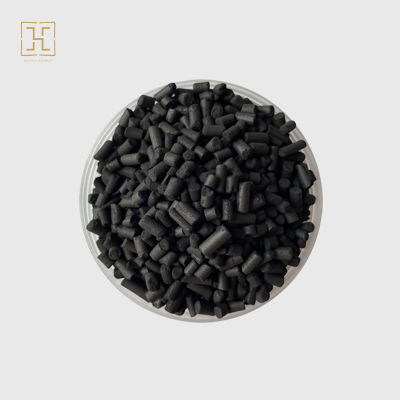
In many heavy-duty industry areas, Coal-based cylindrical activated carbon is a reliable filtering material. This material is made from high-quality bituminous coal that has been activated at high temperatures and under high pressure. It has great mechanical strength and renewed adsorption qualities. Coal-based cylindrical activated carbon is used to get rid of heavy metals, toxic gases, and volatile organic chemicals in a wide range of industries, from local water treatment plants to petrochemical factories. Its unique cylindrical form makes it flow better than granular options. This makes it especially useful in situations where a steady pressure drop and long service life are needed under tough operating conditions.
Understanding Coal-Based Cylindrical Activated Carbon
The process used to make this filter material turns high-quality coal into a highly designed material for adsorption. Bituminous coal with more than 80% carbon is used as a starting point. Specialized binders are then added, and the mixture is put through a high-pressure extruder shaping. This makes round pellets that are all the same size. The pellets are carbonized at temperatures between 500°C and 800°C, and then they are activated by steam at temperatures between 700°C and 1100°C. As a result, the material has carefully managed pore patterns that work the same way in a wide range of situations.
Material Properties That Drive Performance
Coal-based cylindrical activated carbon is different from options made from wood or coconut shell because of how it is made. These spheres are very hard—more than 90%—so they won't break during handling or regeneration processes. The amount of ash stays below 8%, which keeps minerals from building up and blocking absorption sites. Particles are between 0.9 mm and 9 mm in size, which lets engineers fit flow rates and treatment amounts to the needs of each system. This mechanical strength directly turns into longer operational lifespans and less replacement frequency for your building.
Manufacturing Standards and Quality Control
Shanxi Xinhua Carbon Technology Industry Co., Ltd. has factories in Shanxi, Ningxia, Fujian, and Xinjiang that can make a total of 45,000 tons of carbon each year. Each site keeps its ISO 9001, ISO 14001, and ISO 45001 certifications up to date, which makes sure that all groups are the same. Defense-grade quality systems that the company has built up over 60 years of research and development include testing methods that confirm CTC binding rates between 50% and 80%. Working together with Tsinghua University and the Chinese Academy of Sciences makes it possible to keep improving products to meet the changing needs of the industry.
Primary Industrial Applications of Coal-Based Cylindrical Activated Carbon
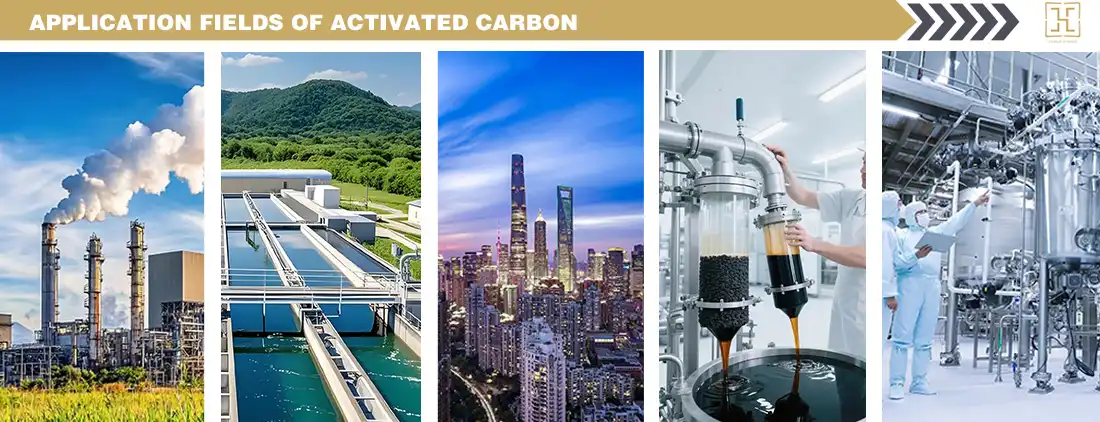
Coal-based cylindrical activated carbon is flexible because its pores are evenly spread out, and it is mechanically stable. These qualities are used by different businesses to deal with specific contamination problems and meet government standards.
Water Treatment and Purification Systems
There is more and more pressure on municipal water plants to get rid of heavy metals, chlorine, and small organic substances from drinking water. The high surface area and carefully managed pore structure of Coal-based cylindrical activated carbon make it ideal for these uses. The cylinder shape keeps the bed from flowing and makes sure that water and adsorption sites are in constant touch. This substance successfully lowers both chemical oxygen demand (COD) and biological oxygen demand (BOD) in industrial wastewater treatment, which helps sites get discharge permits. Carbon doesn't wear away easily during backwash cycles, which helps tertiary treatment systems keep the structure of the bed where granular materials might wash away or pack down unevenly.
Gas Purification and VOC Control
Chemical factories, paint plants, and printing businesses all release volatile organic compounds into the air that need to be captured before they can be released into the atmosphere. Coal-based cylindrical activated carbon works better in solvent recovery units because it can capture large amounts of toluene, xylene, and ethyl acetate. The material can go through many rounds of regrowth with steam or nitrogen without losing much of its structure. Under high pressure, petrochemical companies use this carbon to get rid of hydrogen sulfide and mercury from natural gas sources. It is used in power plants' flue gas treatment systems, which are places where high temperatures and humidity would weaken less durable materials.
Solvent Recovery Operations
For businesses that use organic solvents, recovery systems are a huge way to save money. Benzene, acetone, ethanol, and other similar substances don't have to be burned or thrown away; they can be captured and used again. Coal-based cylindrical activated carbon has the mechanical strength required for pressure swing adsorption devices, which constantly cycle between the adsorption and desorption stages. The consistent cylinder sizes make sure that the pressure drop across healing beds is known, which allows for precise process control. Facilities that use solvent recovery not only buy fewer raw materials, but they also spend less on getting rid of toxic trash and have less paperwork to fill out for the government.
Specialized Chemical Processing
For injection-grade uses, pharmaceutical companies need ultrapure water because even small amounts of contaminants could make the product unsafe. These strict standards can be met by Coal-based cylindrical activated carbon that is made correctly because it has a stable hole structure and a low leachable content. It is used by companies that make food and drinks to get rid of color, smell, and taste chemicals without adding new contaminants. Chemical process engineers use this material as a catalyst support medium because it has a regular surface area and a pore distribution that can be changed to improve the speed of reactions.
Comparing Coal-Based Cylindrical Activated Carbon with Alternatives
To choose the best filtration media, you have to weigh the performance features against the budget and working needs. Procurement workers can make better choices when they know how different types of carbon compare.
Performance Against Coconut Shell Carbon
Activated carbon from coconut shell has a very high strength and micropore volume, which makes it perfect for use on small molecules like chlorine or low-molecular-weight VOCs. But Coal-based cylindrical activated carbon options have a wider range of pore sizes that better catch bigger organic molecules. When used in fixed-bed systems, the columnar form factor improves flow properties while lowering pressure drop and energy use. Coconut shell carbon usually costs more, but Coal-based cylindrical activated carbon choices are more cost-effective in situations with mixed contaminants or where recycling needs to happen often.
Advantages Over Granular Forms
Granulated activated carbon is still commonly used in some situations, but cylinder pellets are better for other reasons. Because Coal-based cylindrical activated carbon is always the same size and shape, it creates even void spaces in filter beds. This stops flowing, which can lower the efficiency of contact in granular systems. Cylinders keep their shape better during regrowth than uneven granules, which can break or make dust. Less breaking happens during transport and handling, so less material is lost, and the bed's performance stays the same over time. The known hydraulic properties make designing and fixing systems easier.
Lifecycle Cost Considerations
When purchasing managers look at carbon suppliers, they shouldn't just look at the original buy price, but also the total cost of ownership. Coal-based cylindrical activated carbon usually has a high potential for recovery, and well-maintained beds can go through several heat reactivation processes before they need to be replaced. Because there is less erosion, top-up additions are needed less often to make up for what is lost during backwashing or renewal. This means that less pressure drop means lower pumping costs over the system's lifetime. Request documents on projected lifespan and regeneration features when comparing quotes from Coal-based cylindrical activated carbon providers to determine real value.
How to Procure Coal-Based Cylindrical Activated Carbon for Your Business
To do good buying, you need to know about the skills of suppliers, product specs, and logistics issues that affect project timelines and the continuity of operations.
Evaluating Supplier Credentials
Reliable companies that make Coal-based cylindrical activated carbon keep a full set of certifications that show they follow quality management and environmental rules. Check for ISO 9001 certification, which covers production processes, ISO 14001 certification, which covers environmental management systems, and ISO 45001 certification, which covers health and safety at work. Suppliers to the drinking water industry should show proof that they follow AWWA B604 standards and have the necessary health department approvals. Companies that work together on research, like those that do joint projects with top universities or state institutes, often come up with better ways to solve problems that are hard to solve. Shanxi Xinhua Carbon Technology Industry Co., Ltd. is a good example of this because it works with Tsinghua University and the Chinese Academy of Sciences to turn university studies into useful products for business.
Understanding MOQ and Lead Times
Minimum order amounts vary a lot from one supplier to the next, depending on how much they make and how they handle their inventory. Large makers who keep a lot of stock on hand can often take on smaller original orders and offer framework deals for ongoing supply. Standard goods usually ship within 7 to 15 days. Customized items that need special surface processes or activation conditions may take 15 to 30 days. When there is an emergency, you need suppliers who can handle orders quickly. Some suppliers offer priority production channels that send critical orders within 3 days. Make these dates clear when you're qualifying suppliers to make sure they work with your project plans.
Customization Options and Technical Support
For different uses, Coal-based cylindrical activated carbon properties need to be adjusted. If a supplier offers tailoring services, they can change the pore structure, surface area, and adsorption ability to fit the patterns of certain contaminants. In some situations, coated carbons are useful because chemicals are added to the surface to help remove certain chemicals, such as hydrogen sulfide or ammonia. Choosing the right particle size affects both hydraulic performance and adsorption processes. For example, bigger widths lower pressure drop but may slow down the rate at which some contaminants are absorbed. In order to help engineers match material properties to system needs, reputable Coal-based cylindrical activated carbon makers offer expert advice during product selection. Support after installation should include troubleshooting speed issues and suggestions for improving performance based on real-world working data.
Logistics and Shipping Considerations
When you buy things from other countries, things like shipping, customs clearing, and packing become more complicated. Coal-based cylindrical activated carbon needs to be packed in a way that keeps water out so that the pores don't get clogged up during transport. The filling of containers must avoid crushing while increasing the efficiency of the product. Suppliers who have worked with foreign transportation before can offer options for shipping by sea, air, and rail, with real-time tracking. Understanding Incoterms and figuring out who is responsible for insurance, tasks, and interior shipping can help avoid delays that cost a lot of money. Shanxi Xinhua Carbon Technology Industry Co., Ltd. offers full transportation support, including customs paperwork and landed cost figures, which makes buying from China easier for people from other countries.
Technical Specifications That Matter for Your Application
To make predictions about performance, you need to know how key factors affect operational results. When engineers send out requests for quotes, they should include these details.
Iodine Number and Surface Area
A normal way to show total adsorption capacity is the iodine number, which is given in milligrams of iodine adsorbed per gram of carbon. For high-quality Coal-based cylindrical activated carbon, the range is usually 800 to 1100 mg/g. Higher iodine numbers mean that there is more surface area that can catch contaminants. But this measure mostly shows the size of micropores and might not be able to predict how well bigger organic molecules will work. To make sure it's right for the contaminants they want to target, engineers should ask for pore size distribution data that shows amounts in the micropore, mesopore, and macropore ranges.
Hardness and Abrasion Resistance
Ball-pan hardness testing checks how resistant Coal-based cylindrical activated carbon is to wear down while it is being handled and used. Premium Coal-based cylindrical activated carbon goods have hardness values above 95%, which means they break and create little dust. This quality is very important in fluidized bed systems or situations where air movement is needed. Fines made by lower-hardness materials block filter media, lower bed depth, and need to be replaced often. Setting minimum hardness standards saves system efficiency and lowers the cost of upkeep.
Moisture Content and Ash Level
The amount of moisture affects the cost of shipping and needs to be considered when storing. Most Coal-based cylindrical activated carbon ships with moisture levels between 3% and 8%. Too much wetness could mean that there are problems with storing or quality control. The amount of ash shows how many mineral elements are still present after activation. Levels below 8% keep pores from getting clogged and reduce the amount of chemicals that can leak out and pollute cleaned streams. For uses that need ultrapure water or food-grade touch, the ash level must be less than 5%. For each output batch, you should ask for certificates of analysis that list these factors.
Conclusion
Because of its balanced mix of adsorption performance, mechanical longevity, and economic value, Coal-based cylindrical activated carbon is used extensively in operations for water treatment, air purification, and solvent recovery. This information talks about important problems that businesses face, like getting rid of heavy metals from local water systems and capturing VOCs in chemical plants. People who work in procurement should know how technical standards, supplier skills, and customization choices affect the long-term success of an operation. The cylinder shape is better for hydraulics than grainy options, and it still has the ability to regenerate, which makes it last longer. Industries that have to follow stricter environmental rules find that this material helps them do so while keeping costs low because it is recyclable and strong.
FAQ
Can coal-based cylindrical activated carbon be regenerated?
Thermal renewal brings back a lot of the original binding power in Coal-based cylindrical activated carbon. Facilities with renewal furnaces heat used carbon to 700°C to 900°C in controlled atmospheres. This releases contaminants while keeping the structure of the carbon. When regeneration processes are done right, they can bring back 85% to 95% of the original ability. Because cylinder forms are very strong, they don't break easily when they are moved for off-site regeneration. In some situations, lower temperatures can be used for steam recovery, but this method usually returns less capacity than thermal processes.
How does it compare to coconut shell carbon for air filtration?
Both materials clean the air well, but the way their pores are structured makes them more or less effective at removing different types of pollution. The micropore-dominated structure of coconut shell carbon is great at collecting small molecules and low-concentration vapors. For industrial pollution with a variety of VOC profiles, Coal-based cylindrical activated carbon is preferred because it has wider pore distributions and can handle mixed molecular weights more effectively. In systems with a lot of space, the columnar shape makes the flow better. Because they are cheaper, Coal-based cylindrical activated carbon choices are often better for large-scale commercial uses where the higher price of coconut shell carbon is not worth it.
What technical support should I expect from suppliers?
Pre-purchase consultations, such as contaminant analysis, carbon selection advice, and system design review, are offered by reputable Coal-based cylindrical activated carbon providers. During startup, expert teams should help with setup and test the system's performance to make sure it's working right. Ongoing support includes help with fixing problems, suggestions for improving performance, and guidance on when to schedule cleaning. Top manufacturers keep application databases that record success across many industries. This lets them make suggestions based on facts for your unique problems. Technical hotlines that are open 24 hours a day make sure that problems with operations are fixed quickly.
Partner with Shanxi Xinhua Carbon Technology Industry Co., Ltd. for Reliable Industrial Adsorption Solutions
Because we've been making Coal-based cylindrical activated carbon for over 60 years, we have the production skills to solve your most difficult cleaning problems. Coal-based cylindrical activated carbon is kept in stock by Shanxi Xinhua Carbon Technology Industry Co., Ltd., which has certified production sites spread across several areas. Our defense-grade quality systems make sure that each batch is the same, and our research partnerships with top universities let us make solutions that are exactly what you need. Email our engineering team at greta@carbonxinhua.com to talk about the needs of your program. We offer full help from choosing the right product to installation and continued optimization. Our services are backed by ISO certifications and a 12-month guarantee. Let us help you meet the rules while keeping your running costs low.
References
1. Activated Carbon: Classifications, Properties and Applications in Water Treatment. Chemical Engineering Journal, 2019.
2. Comparative Study of Coal-Based and Coconut Shell Activated Carbon in Industrial Applications. Journal of Environmental Chemical Engineering, 2020.
3. Industrial Applications of Activated Carbon Adsorption Technology. Water Research Foundation Technical Report, 2021.
4. Performance Evaluation of Cylindrical Activated Carbon in VOC Recovery Systems. Environmental Science & Technology, 2018.
5. Activated Carbon Regeneration Methods and Economic Analysis for Industrial Operations. Carbon Materials Research, 2022.
6. Quality Standards and Testing Methods for Coal-Based Activated Carbon Products. American Water Works Association Standards, 2023.

Send Inquiry
You may like
_1781662034490.webp)