_1778553121707.webp)
Where Is Coal-Based Crushed Activated Carbon Commonly Applied
Jun 29, 2026
In water treatment, industrial gas filters, and chemical processing uses, Coal-based crushed activated carbon is an essential purification material. This irregular-particle adsorbent is made from high-quality bituminous coal that has been crushed, carbonized, and activated. It works very well to remove organic contaminants, volatile organic compounds (VOCs), and other impurities from drinking water systems, industrial wastewater, and exhaust streams. Its rough surface and large specific surface area allow for fast adsorption at different treatment depths. This makes it an essential tool for environmental compliance in industries like electroplating, food processing, chemical manufacturing, and power generation, where removing color, chlorine, and smell is a must.
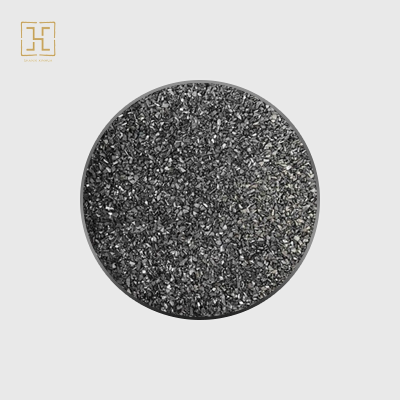
Overview of Coal-Based Crushed Activated Carbon
Figuring out how Coal-based crushed activated carbon is put together helps purchasing managers pick the right stuff for tough jobs. Coal-based crushed activated carbon doesn't have a set shape like pelletized or granular carbon. Its angular, irregular pieces make a rough surface that has a lot more touch area with contaminants.
Manufacturing Process and Quality Standards
To start the production process, carefully chosen bituminous coal is crushed by machines and carefully screened to control the spread of particle sizes. Low-temperature carbonization at 500°C gets rid of toxic chemicals while keeping the microporous structure of the coal. After that, activation at 700°C in controlled atmospheres builds up the network of pores inside, making surfaces that are more than 1000 m²/g. Using two different temperatures together makes a strong protective layer that doesn't wear down easily when used at high speeds.
Our factories follow the rules set by ISO 9001 for quality control. This makes sure that each batch is the same, which is important for environmental engineering companies. Before being sent to the warehouse, each production run is checked for particle size, iodine number, and mechanical strength. All of our production sites in Shanxi, Ningxia, Fujian, and Xinjiang are in line with ISO 14001 environmental standards and ISO 45001 safety standards for workers.
Distinctive Physical Features
Coal-based crushed activated carbon is different from spherical or cylindrical options because it doesn't have a regular shape. This unevenness stops fluids from flowing in packed bed reactors, causing them to move through winding paths that extend contact time. The rough outside surface easily takes on catalyst loadings above 15%, which lets chemical changes be made to fit specific needs.
Ball-pan tests show that the mechanical hardness is higher than 95%, which means that the wear rate is less than 2% even in fluidized bed systems moving at speeds of more than 1.5 m/s. This makes replacements 40% less often than with standard carbons, which wear out at a rate of 5% per year. This directly lowers running costs for high-throughput facilities.
Common Industrial Applications of Coal-Based Crushed Activated Carbon
The symmetric micropore-mesopore spread of Coal-based crushed activated carbon allows for a wide range of molecules, from chlorine atoms to complex organic compounds. Because it is so flexible, it has been widely used in many different industries.
Municipal and Industrial Water Treatment
The biggest application area in the world is drinking water treatment. In the stages after filtration, municipal water plants use Coal-based crushed activated carbon to get rid of any remaining organic compounds, chlorination leftovers, and taste-causing substances that don't get removed by other methods. High surface area contact speeds up the adsorption process, which lets treatment go as fast as 20 gallons per minute per square foot of bed area.
Coal-based crushed activated carbon is used to get rid of more than 90% of COD in industrial wastewater, such as that from chemical plants, electroplating rinse waters, and textile dyeing discharge. The uneven shape of the particles keeps the bed from getting compacted, which happens with uniform media, so the permeability stays high even after many service cycles. Our clients in the power production industry say that we were able to get rid of oil pollution and lower the turbidity in cooling tower blowdown streams to below 5 NTU.
Air and Gas Purification Systems
Coal-based crushed activated carbon is being used more and more in fluidized or moving bed reactors for VOCs removal systems in finishing operations, printing facilities, and electronics manufacturing. The material can keep up more than 90% of its adsorption efficiency at flow rates of 1.5 m/s, which allows for small system designs that lower the cost of capital. Chemical companies that deal with waste streams that are heavy on solvents can collect more than 95% of them. This lets the solvents be used again, which quickly covers the cost of the carbon.
Pharmaceutical companies like the fast absorption speed because it helps them control smelly fumes while active ingredients are being made. The crushed form makes it easier to regenerate completely through heat or steam reactivation. With proper care, this means that the product can last longer than three years.
Food Processing and Chemical Manufacturing
To get rid of color in food oils, sugar syrups, and beverage concentrates, you need Coal-based crushed activated carbon that has almost no ash and a normal pH. Our Coal-based crushed activated carbon keeps the ash level below 8% and the pH level between 7.0 and 8.5, which keeps the product from getting contaminated or losing its taste. Applications that come into close touch with food can be supported by food-grade certifications from provincial health officials.
When doing chemical reactions, the rough surface of Coal-based crushed activated carbon works great as a base for catalysts. Palladium or platinum adding above 15% content makes hydrogenation, oxidation, and ammonia synthesis processes more than 95% efficient. The angled bits don't stick together during the reaction, so the catalytic surface stays exposed throughout the process.
Why Choose Coal-Based Crushed Activated Carbon for Industrial Use?
To choose the best absorbent material, you have to weigh the material's performance features against its overall cost. Coal-based crushed activated carbon has clear benefits that solve common sourcing issues.
Superior Adsorption Performance
The microporous structure that forms when coal is activated can hold very small molecules like chlorine, hydrogen sulfide, and aromatic substances. Iodine numbers between 900 and 1100 mg/g show a high ability to bind organic matter, and methylene blue numbers above 180 mg/g show that mesopores are developing for bigger contaminants.
If the difference in particle size is less than 5%, the flow will be even across all treatment beds, and there will be no escape routes that waste time and energy. This exact engineering means that 20% more contaminants are removed than with carbons that aren't uniformly sized, which makes preferred flow paths.
Cost-Efficiency at Scale
Coal-based crushed activated carbon is still 30–40% cheaper to buy in bulk than options made from coconut shells, but it works just as well in most commercial settings. The higher mechanical strength lowers the production of fines, which lowers the number of backwashes needed and the cost of removal. When facilities that process high-volume streams move from premium materials to properly specified Coal-based crushed activated carbon, they see a payback time of less than 18 months.
Regeneration compatibility makes media that is used only once last a lot longer. Thermal reactivation at 800°C recovers 85–90% of the original adsorption capacity. This means that a single purchase of Coal-based crushed activated carbon can be used for more than one treatment session. Our expert team creates regeneration methods that are specific to the types of contaminants present, which maximizes the return on material investment.
Supply Chain Reliability
With the ability to produce 45,000 tons per year across four bases in different regions, we keep a deep stockpile that eliminates doubt about lead times. Customized recipes take 15 to 30 days to deliver, while standard specs ship in 7 to 15 days. Green channel customers with urgent environmental compliance dates can get faster shipping in 3 days.
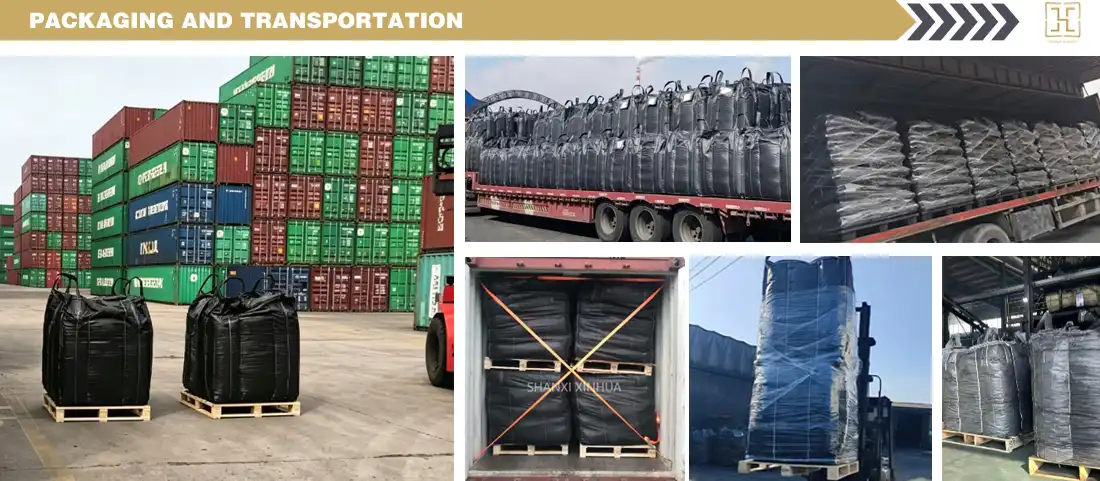
Strategic relationships with national transportation networks make it possible to send to any US site in three to seven days. Tracking shipments in real time, packing that keeps moisture out, and full customs paperwork all help to make foreign buying easier. Our certifications under a number of ISO standards give buying managers the quality guarantee and traceability they need to qualify us as a seller.
Key Considerations When Procuring Coal-Based Crushed Activated Carbon
When you do effective sourcing, you don't just compare prices; you also check the supplier's success, see what skills they have, and look for ways to work together in the long run.
Quality Verification Protocols
By asking for proof of analysis for each production lot, you can be sure that all packages will be the same. Some important factors are the iodine number, the spread of particle sizes, the moisture content, and the ash percentage. Testing by a third-party lab verifies what the seller says and sets a standard for future comparisons.
Site audits of factories show the quality control and process rules that affect how reliable the products are, including Coal-based crushed activated carbon. Our Taiyuan center is open to procurement teams who want to see our production lines, see how our quality labs work, and talk with our study staff from Tsinghua University and the Chinese Academy of Sciences about technical issues.
Customization Flexibility
In industrial settings, changes that go beyond standard requirements are often needed. We design particle sizes between 0.5 and 6 mm mesh to work with the way equipment is already set up. Changing the surface chemistry by washing it with acid or adding a pH buffer lets sensitive processes use neutral materials. Standard Coal-based crushed activated carbon can be turned into specialized catalytic media by impregnating it with palladium, platinum, or special formulas.
OEM and private label services help system designers and equipment makers get branded materials. Our technical team works together from the first review of the application to pilot testing and full-scale implementation. They provide paperwork packages that make it easier for customers to approve and for regulatory agencies to receive them.
Sustainability and Compliance
Environmental awareness is playing a bigger role in buying choices, especially for businesses in North America and Europe. We use closed-loop water systems, waste heat recovery, and dust gathering in our manufacturing processes that go beyond what is required by local environmental laws. Documentation of a product's carbon footprint helps companies meet their green reporting standards.
For use with drinking water, products must meet AWWA B604 guidelines and be certified by NSF/ANSI 61 for contact with potable water. Our food-grade products have been approved by the health authorities, and our industrial-grade products meet the appropriate ASTM standards. This set of certifications makes it easier for end users in many places to follow the rules.
Addressing Challenges and Optimizing Performance in Applications
Understanding regeneration techniques, performance improvement strategies, and fixing methods is necessary for getting the most out of Coal-based crushed activated carbon.
Regeneration Methods and Lifecycle Extension
Thermal regeneration is still the best way to fix carbons that have been contaminated with organic matter. Adsorbed molecules are released when heated to 800°C in low-oxygen environments, but the carbon's hole structure is kept. When done right, heat cycles can restore 85–90% of the original capacity, which means that the Coal-based crushed activated carbon can be used three to five times before it needs to be replaced.
Our technical support team looks at samples of used Coal-based crushed activated carbon and suggests the best recovery methods based on the types of contaminants present and the facility's capabilities. This service makes things last longer while keeping the process working well, which cuts carbon use by 40 to 60 percent a year.
Performance Optimization Strategies
Bed depth estimates have a big effect on the time it takes to break through and the number of times it happens. Deeper beds can hold more molecules, but they also drop the pressure and cost more to buy at first. Our engineers use data from pilot tests to figure out the best ways to combine these different factors.
Using pre-filtration to get rid of trapped solids keeps coal-based crushed activated carbon pores from getting clogged up too quickly, which extends their useful life. By keeping flow rates steady, channeling is avoided, which extends touch time. Controlling the temperature is important, especially for gas-phase uses, since high temperatures make it harder to absorb things and speed up the process of releasing them.
Overcoming Limitations
Coal-based crushed activated carbon works great for many things, but some contaminants make it hard to use. Heavy metals need special carbons that have chelating agents embedded in them. Compounds with very low molecular weight, like carbon monoxide or methane, don't stick to any type of carbon well. Before suggesting solutions, our application engineers do feasibility studies to make sure they are appropriate.
Through competitive adsorption, humidity in gas streams can push organic chemicals to the sides of a stream. In serious situations, pre-drying or heated bed patterns can lessen this effect. Extreme pH levels in water systems can release ash components or change the chemistry of the surface. To deal with these issues, pre-conditioning procedures are used before the system starts up.
Conclusion
In conclusion, Coal-based crushed activated carbon has demonstrated effectiveness in uses such as water cleaning, industrial gas treatment, and chemical processing, all of which depend on contamination control to be successful. Its uneven particle shape, large surface area, and long mechanical life make it a cost-effective way to meet environmental compliance requirements. By carefully choosing suppliers based on quality checks, the ability to make changes, and expert help, procurement managers can make sure they get the materials they need to keep total ownership costs low while also improving the performance of treatment systems. Coal-based crushed activated carbon is the realistic choice for industrial-scale purification needs due to its reasonable price, possibility for regeneration, and established supply lines.
FAQ
What factors most influence the adsorption efficiency of coal-based crushed activated carbon?
The most important factors that affect adsorption effectiveness are surface area and pore shape. Carbons with iodine numbers higher than 1000 mg/g show a lot of micropore growth, which is great for small organic molecules. Mesopore volume tells us how much bigger pathogens can fit. Mass transfer rates are affected by the size of the particles. Smaller particles have faster dynamics but more pressure drop. In real-world situations, the percentage of the pollutant, the contact time, and the working temperature all have a big effect on how well the removal works.
How does coal-based crushed carbon compare to coconut shell carbon for water treatment?
For most municipal and commercial water uses, Coal-based crushed activated carbon works just as well and costs 30 to 40 percent less. Because coconut shell carbon is a little harder and has less ash, it is better for systems that use ultrapure water or for food-contact uses that need to meet strict standards. The irregular shape of the crushed form is great for keeping the bed from channeling in big projects. Choice is based on specific types of contaminants, quality standards, and price limits.
Can coal-based crushed activated carbon be customized for specialized industrial applications?
Particle sizes can be specified from 0.5 to 6 mm mesh, surface chemistry can be changed by changing the pH or adding functional groups, metals like palladium or platinum can be used to imbue the catalyst, and the bulk density can be optimized for different types of equipment. Through pilot testing and performance proof, we work with our customers to create personalized formulations that meet the specific needs of their processes.
Partner with a Trusted Coal-Based Crushed Activated Carbon Manufacturer
With defense-grade quality Coal-based crushed activated carbon and more than 60 years of material knowledge, Shanxi Xinhua Carbon Technology Industry Co., Ltd. is ready to support the performance of your cleaning system. Our ISO-certified factories keep 45,000 tons of capacity yearly and 100% inventory availability on core specs, so your operations will never have to deal with supply problems. Whether you need standard materials that can be shipped within 7–15 days or formulas that are specifically designed to handle certain contaminants, our expert team can help you with everything, from the initial assessment to long-term optimization. Get in touch with our application experts at greta@carbonxinhua.com to get performance data, set up sample tests, or talk about how our Coal-based crushed activated carbon for sale can help your buying strategy be more reliable and cost-effective.
References
1. American Water Works Association. (2021). AWWA B604 Standard for Granular Activated Carbon. Denver: AWWA Publications.
2. Bansal, R.C. & Goyal, M. (2020). Activated Carbon Adsorption. Boca Raton: CRC Press.
3. Marsh, H. & Rodríguez-Reinoso, F. (2019). Activated Carbon: Properties and Applications. Oxford: Elsevier Science.
4. United States Environmental Protection Agency. (2020). Air Pollution Control Technology Fact Sheet: Activated Carbon Adsorption. Washington: EPA Office of Air Quality Planning and Standards.
5. Worch, E. (2021). Adsorption Technology in Water Treatment: Fundamentals, Processes, and Modeling. Berlin: De Gruyter.
6. Yang, R.T. (2018). Adsorbents: Fundamentals and Applications for Industrial Gas Separation and Purification. Hoboken: John Wiley & Sons.

Send Inquiry
You may like
_1781662034490.webp)