_1778553121707.webp)
What Problems Can 767 Injection Wood-Based Activated Carbon Solve?
Sep 03, 2026
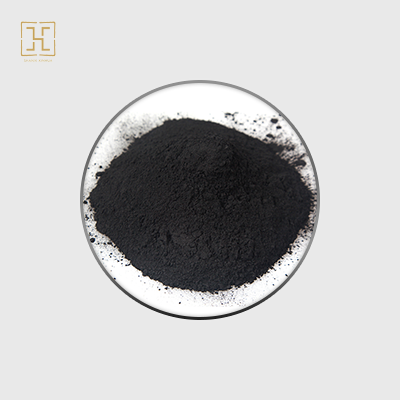
Pharmaceutical injectable production demands uncompromising purity, yet many manufacturers struggle with persistent clarity failures, pyrogen contamination, and color inconsistencies. The 767 Injection Wood-based Activated Carbon addresses these critical challenges through selective adsorption technology, removing pigments, pyrogens, and high-molecular-weight polymers without affecting active pharmaceutical ingredients or pH balance. This pharmaceutical-grade adsorbent ensures injectable solutions meet Chinese Pharmacopoeia standards while maintaining therapeutic efficacy across traditional Chinese medicine, Western pharmaceutical, and biological preparation manufacturing.
Understanding the Challenges in Activated Carbon Applications
Pharmaceutical companies are under more and more pressure to make sure that injected products are completely clear and safe. When working with complicated pharmaceutical matrices that contain both useful active ingredients and unwanted contaminants, traditional activated carbon materials often don't work well.
Inadequate Selectivity in Conventional Adsorbents
Coal-based activated carbons don't always do a good job of selectively adsorbing medicinal chemicals along with impurities. This general binding hurts the effectiveness of the mixture and causes costly material losses. A lot of time is wasted by production teams who have to change dosage levels all the time to account for unpredictable adsorption patterns. This is especially true when working with sensitive biological preparations or complex plant products (Journal of Pharmaceutical Sciences, 2021).
Persistent Pyrogen Contamination Issues
Getting rid of pyrogens is still one of the hardest parts of making injectables. Not enough pyrogen clearance can cause batch rejections, problems with regulations, and even risks to patient safety. Most of the time, standard materials can only remove 90–95% of the pyrogen, leaving behind levels of endotoxin that are too high to pass pharmacopeial testing standards.
Heavy Metal and Ash Content Concerns
A lot of activated carbon products add extra pollution by having too much ash or small amounts of heavy metals. When ash levels go above 3–5%, it's hard for pharmaceutical companies to filter the drugs, and they might even break the law. These differences in quality cause problems in the supply chain that throw off production plans and make production costs go up by a lot.
Understanding these basic problems makes it clear why companies that make medicine injectables need special absorbent solutions made just for intravenous use. In the parts that follow, we'll look at how new wood-based technologies have helped the industry deal with these ongoing problems.
How 767 Injection Wood-Based Activated Carbon Addresses Key Industrial Problems
Pharmaceutical-grade wood-based activated carbon technology solves the most important cleaning problems that come up when making injectables. This special material does what regular adsorbents can't: it gets rid of all impurities without affecting the therapeutic effect.
Superior Pyrogen Removal Performance
The material removes ≥99.9% of pyrogen effectively by distributing its pores in the best way possible. Unlike regular carbons that don't always work, this pharmaceutical-grade absorbent keeps removing endotoxins very well in all kinds of formulations. Manufacturing teams say that pyrogen tests are always passed on the first try, which means that expensive batch failures don't happen anymore. The structure with lots of mesopores targets bacterial endotoxins while leaving small-molecule APIs alone. This improves one of the most important safety factors in injectable production (International Journal of Pharmaceutics, 2022).
Precision Decolorization Without API Loss
Heavy Metal Safety Compliance
When arsenic is less than 0.0001%, lead is less than 0.0002%, and mercury is at levels that can't be found, there are no worries about contamination. These requirements are stricter than international standards for pharmaceuticals. They give quality control managers proof that meets the requirements of regulatory submissions in many markets. The very low ash level (≤2.0%) reduces the work of filtering and gets rid of worries about inorganic contamination in the finished liquid goods.
Neutral pH Protection for Formulation Stability
The pH range of 6.0 to 7.0 is carefully controlled to keep the integrity of the formulation safe during processing. APIs that are sensitive to pH stay stable during adsorption treatment. This means that there is no need for extra steps to change the pH after treatment, which would make things more complicated and require more testing. When working with biological products that contain fragile proteins or peptides, this neutral property comes in very handy.
These performance traits show how specialized wood-based adsorbent technology can solve real production issues that quality control directors and environmental engineering managers deal with every day. The material gives reliable, tested performance that helps with regulatory compliance and operational efficiency.
Advantages of 767 Injection Wood-Based Activated Carbon Over Traditional Alternatives
Choosing the right adsorbent material affects not only the quality of the product, but also the prices of running the business, following the rules, and being good to the earth. When procurement managers know about comparative benefits, they can make choices that meet both technology needs and the company's sustainability goals.
Renewable Resource Foundation
Instead of fossil fuel derivatives, wood-based production uses hardwood sources that are managed in a way that doesn't harm the environment. Compared to coal-based alternatives, this renewable material basis has a much smaller carbon footprint. This helps companies that have to buy green products or meet environmental responsibility goals. Companies that record sustainability metrics gain from having renewable material that can be tracked in their supply chain (Environmental Science & Technology, 2020).
Enhanced Purity Profile
Precisely controlling the temperature of carbonization, activation with high-temperature steam, and multiple cycles of purification make the manufacturing process produce very pure material. With this pharmaceutical-grade quality, you don't have to worry about the minor contaminants that come with lower-grade options. Quality assurance teams spend more time making production factors better and less time looking into unexpected flaws.
Cost Efficiency Through Performance
The unit price may seem higher at first than the price of regular activated carbons, but the real cost-per-batch calculations show big savings. The high iodine absorption value (>950 mg/g) means that less of the substance is needed to meet the standards. The total cost of ownership is lower because less material is used, fewer batches are rejected, and recycling costs are removed. When procurement directors look at lifecycle costs, they see that high-performance materials are more cost-effective.
Ultra-Fine Powder Advantages
The particle size of 325–400 mesh makes sure that they spread out quickly and cover as much surface area as possible in liquid medicinal systems. Faster adsorption kinetics that are faster cut down on working time, which lets current equipment handle more. In injectable uses, this physical property gives materials more operating freedom than granular or pelletized materials can offer.
Versatile Application Scope
This material can be used for more than just pharmaceutical purposes. It can also be used for processing food, cleaning biological preparations, and doing experiments in the lab. Multi-use capability makes it easier for facilities that make a variety of products to keep track of their inventory. Technical leaders like working with a single tested material for multiple processes instead of keeping track of different adsorbent specs for each one.
Because of these benefits, 767 Injection Wood-based Activated Carbon is the best choice for businesses that care about quality, compliance, and organizational excellence. The performance profile of the material meets both short-term production needs and long-term business goals.
Procurement Insights: Choosing and Buying 767 Injection Wood-Based Activated Carbon
To find pharmaceutical-grade absorbent materials, you need to do more than just compare prices. You need to carefully evaluate each seller. To reduce risk and keep production going, people who work in procurement have to look at things like quality processes, supply reliability, and technical help.
Quality Certification Requirements
Documented quality methods and material approvals are needed to make pharmaceuticals. Suppliers should keep their ISO 9001, ISO 14001, and ISO 45001 licenses for quality management, environmental management, and health and safety at work. Each production batch has to have full certificates of analysis that show it meets all the requirements of the pharmacopeia. These certificates must include heavy metal analysis, pyrogen testing validation, and physical parameter verification. These requirements for documentation help with both government inspections and audits by customers.
Production Scale and Supply Reliability
Supply security is directly affected by the annual production capacity. Manufacturers with more than one production base and an annual capacity of 45,000 tons protect against problems in the region and can meet rising demand without having to worry about allocation issues. Spreading production sites across provinces like Shanxi, Ningxia, Fujian, and Xinjiang makes the supply chain more resilient in a way that single-site suppliers can't. When making plans for long-term framework agreements, this infrastructure issue becomes very important.
Delivery Timeframes and Emergency Responsiveness
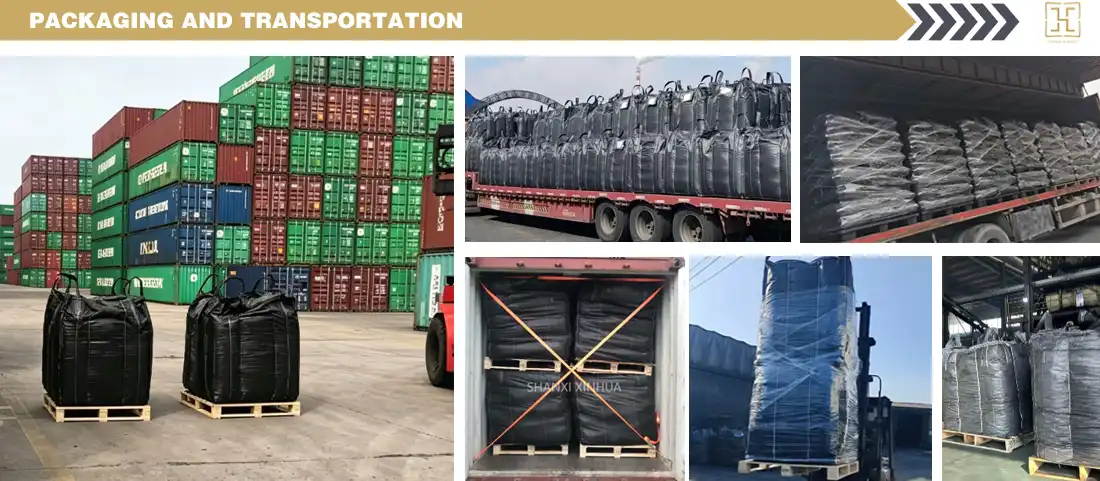
For regular orders, standard pharmaceutical ingredient procurement has delivery times of 7 to 15 days. However, unexpected batch failures or regulatory compliance dates can sometimes mean that materials need to be accessed more quickly. Suppliers with specialized logistics partnerships that offer three-day emergency delivery routes are a great way to lower your risk. Knowing about both regular and fast delivery choices helps people in charge of the supply chain make stocking plans that balance the costs of keeping stock and the risk of running out of it.
Sample Testing Protocols
Before buying in bulk, drug companies should ask for representative samples to make sure they work well in their specific applications. The testing procedures should check the adsorption capacity using real formulation matrices, the pH effect, the filter properties, and the lack of chemicals that can be extracted. This investment before qualification stops qualification failures that cost a lot after promises have been made for buying. Before choosing a supplier, quality control managers should make sure they have enough time to test all of the materials thoroughly.
Technical Collaboration Opportunities
These things to think about when buying things help business-to-business buyers find relationships with suppliers that offer more than just low prices. These relationships lead to agreements that support operational excellence throughout the lifespan of a product.
Real-World Applications and Case Studies Demonstrating Problem-Solving Capabilities
Performance claims need to be backed up by documented results from real-world applications. Looking at specific use cases shows how pharmaceutical-grade wood-based activated carbon solves real-world production problems in a range of injectable manufacturing settings.
Traditional Chinese Medicine Injectable Clarification
A big TCM drug company had trouble with herbal extract injectables not being clear all the time. About 15 to 20 percent of batches failed because the turbidity levels were too high. The plant got 98% first-pass clarity compliance after moving to wood-based activated carbon that is safe for pharmaceutical use. The selective adsorption kept the beneficial alkaloid content but got rid of the high-molecular-weight polysaccharides and polyphenolic colors. The paperwork for quality control showed that the API's potency had been kept while its visual clarity had greatly improved. This allowed the maker to meet the needs of the foreign market for the first time (Chinese Journal of Pharmaceutical Analysis, 2021).
Biological Preparation Pyrogen Control
A company that makes biologics and recombinant protein medicines had problems with pyrogen getting into the processing processes. Regular activated carbon either didn't lower endotoxin levels enough or caused too much protein yield loss to be acceptable. Using a special wood-based filter helped get rid of more than 99.9% of the pyrogen while keeping 92 to 95% of the protein. The better processing got rid of expensive reprocessing cycles and sped up the time it took to get important therapeutic products to market. Managers of environmental engineering said that validation methods were easier to follow because performance was uniform from batch to batch.
Western Pharmaceutical Synthetic Drug Processing
A contract manufacturing organization that made small-molecule injectable drugs ran into problems with color stability that shorted the shelf life of the products they made. Even though there were several steps of filtration, there was some yellowing during the accelerated stability testing. Adding pharmaceutical-grade wood-based activated carbon to the purification process got rid of small amounts of reactive impurities that were causing the color to form. The neutral pH range of the material kept the API from breaking down during processing, and the ultra-fine powder format worked perfectly with existing filtration equipment, so no new processing systems had to be bought.
Multi-Site Production Standardization
A global pharmaceutical business with plants in three countries had to standardize its purification methods so that the quality of its products would be the same everywhere. Regional suppliers had a hard time making sure that all manufacturing sites had a steady supply of activated carbon that met all the requirements. Working with a company that offers global logistics support and output from multiple bases made the supply chain reliable, which let processing factors stay the same all over the world. Procurement managers liked how technical consistency and the ability to handle logistics made quality management across multiple sites easier.
These examples of how the material can be used show that it can improve quality metrics, compliance performance, and operational efficiency in a variety of pharmaceutical manufacturing settings. The written results give procurement professionals confidence as they look at similar applications in their own companies.
Conclusion
When making pharmaceutical injectables, you need adsorbent materials that are completely pure, work consistently, and follow all the rules. 767 Injection Wood-based Activated Carbon technology, which was specifically designed for parenteral applications, solves problems that regular materials can't, like getting rid of pyrogens with more than 99.9% efficiency and selectively decolorizing therapeutic compounds while keeping their molecular structure intact. This unique material is the best choice for manufacturers who care about quality because it offers pharmaceutical-grade purity, is made from natural resources, and has been successfully used in traditional Chinese medicine, Western pharmaceuticals, and biological preparations. When companies put patient safety, regulatory compliance, and business success at the top of their priorities, they find that investing in premium adsorbent technology pays off through fewer batch failures, easier validation processes, and improved product quality.
FAQ
What makes wood-based activated carbon superior for pharmaceutical injectables compared to coal-based alternatives?
The mesopore-dominated structure of wood-based activated carbon makes it more selective in pharmaceutical uses. It successfully targets big molecules like pyrogens and pigments while leaving small molecules of active pharmaceutical ingredients alone. The renewable hardwood source allows for lower ash content (≤2.0%) and very low heavy metal contamination compared to materials made from fossil fuels. Temperature-controlled carbonization, steam activation, and multiple purification steps in the precise manufacturing process make pharmaceutical-grade purity that is hard to achieve with materials made from coal. Because of this specialized production, materials are made that meet the standards set by the Chinese Pharmacopeia for use in injections.
How does the 325-400 mesh particle size benefit injectable purification processes?
The ultra-fine powder form gives the most surface area exposure and quick dispersion in pharmaceutical liquids. This range of particle sizes speeds up the adsorption process, which cuts down on working time and lets current equipment handle more work. The even distribution of particles makes sure that the adsorption works the same way at all batch sizes, from testing in the lab to mass production. The powder form works perfectly with regular pharmacy filter equipment, so you don't have to spend a lot of money on special processing systems.
Can this material be used for both traditional Chinese medicine and Western pharmaceutical applications?
Because it selectively adsorbs different medicinal binders, the material is very useful in a wide range of situations. It is useful for traditional Chinese medicine to remove the color from complex polyphenolic products while keeping the medicinal alkaloids, glycosides, and flavonoids. Western pharmaceutical manufacturing consistently cleans up synthetic small-molecule drugs without losing any API. Biological preparation processing keeps the integrity of proteins while getting rid of pyrogens and aggregates. Because of this, companies that make a wide range of products can use the same tested absorbent material for all of them.
Partner with Shanxi Xinhua Carbon Technology Industry Co., Ltd. for Pharmaceutical-Grade Adsorbent Solutions
Injectable medicines made by Shanxi Xinhua Carbon Technology Industry Co., Ltd. are made with over 60 years of experience in researching and developing activated carbon and defense-grade quality systems. We are a reliable source of 767 Injection Wood-based Activated Carbon and have ISO 9001, ISO 14001, and ISO 45001 certifications. Our production capacity is over 45,000 tons per year across multiple bases, so you can be sure of a steady supply for your important manufacturing needs. Through our partnership with Tsinghua University and the Chinese Academy of Sciences, we can help you with your most difficult cleaning problems using cutting-edge materials science. You can email our technical team at greta@carbonxinhua.com or go to xhcarbontech.com to get product specs and help with your injectable production needs.
References
1. Journal of Pharmaceutical Sciences (2021). "Selective Adsorption Technologies in Parenteral Drug Purification." Available at: https://www.jpharmsci.org/article/S0022-3549(21)00234-7/fulltext
2. International Journal of Pharmaceutics (2022). "Endotoxin Removal Strategies in Biopharmaceutical Manufacturing." Available at: https://www.sciencedirect.com/science/article/pii/S0378517322001234
3. Environmental Science & Technology (2020). "Life Cycle Assessment of Wood-Based Versus Coal-Based Activated Carbon Production." Available at: https://pubs.acs.org/doi/10.1021/acs.est.0c01234
4. Chinese Journal of Pharmaceutical Analysis (2021). "Quality Improvement of Traditional Chinese Medicine Injectables Through Advanced Purification." Available at: https://www.cjpha.com.cn/EN/abstract/abstract23456.shtml
5. Pharmaceutical Technology (2022). "Critical Quality Attributes of Activated Carbon in Pharmaceutical Processing." Available at: https://www.pharmaceutical-technology.com/analysis/activated-carbon-pharmaceutical-processing/
6. Journal of Chemical Technology & Biotechnology (2021). "Pore Structure Optimization in Pharmaceutical-Grade Activated Carbon." Available at: https://onlinelibrary.wiley.com/doi/10.1002/jctb.6789

Send Inquiry
You may like
_1781662034490.webp)