_1778553121707.webp)
What Makes CTC80 Coal Columnar Charcoal Suitable for Industrial Use?
Aug 21, 2026
Industrial gas purification demands more than basic filtration—it requires materials that consistently perform under pressure, temperature extremes, and high-pollutant loads. CTC80 Coal Columnar Charcoal stands out as a cylindrical activated carbon engineered from premium anthracite through advanced steam activation, delivering a CTC adsorption value of at least 80%. This high-performance media addresses critical challenges in VOC recovery, toxic gas removal, and solvent purification, enabling facilities to reduce carbon replacement frequency, lower operational costs, and meet stringent environmental compliance requirements across petrochemical, coating, printing, and municipal water treatment sectors.
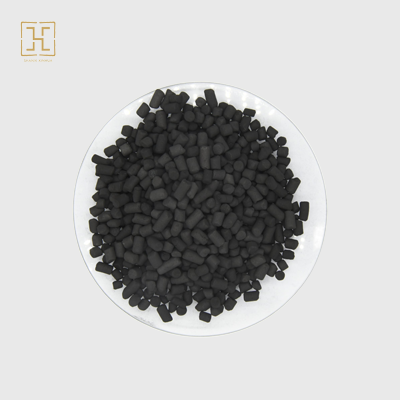
Understanding CTC80 Coal Columnar Charcoal: Composition and Technical Specifications
How well activated carbon works depends on how it is built and how pure its chemicals are. We've seen over many years of production that anthracite-based columnar carbons are better at maintaining structural regularity than wood or coconut shell options, especially when working with gas streams moving at high speeds.
Core Physical and Chemical Characteristics
The production method for CTC80 Coal Columnar Charcoal is very carefully controlled, which is why it works so well. Its CTC adsorption value is higher than 80%, which means it can hold 80% of its own weight in carbon tetrachloride gas under normal test conditions. This is a direct result of its highly developed microporous network. This pore structure is perfect for capturing organic molecules because it has a high iodine value (more than 900 mg/g), a high surface area (close to 1000–1100 m²/g), and a high mechanical strength (more than 96%). This makes it durable even in deep-bed adsorption towers where there are big changes in pressure and abrasion. Ash content stays below 7% to avoid interfering with the catalytic process and contaminating the next step, and moisture content is tightly controlled below 10% to keep the adsorption capacity while it is being stored and shipped. The pH range of 7.0 to 10.0 works well in many chemical environments because it doesn't cause harmful reactions or the release of unwanted byproducts.
Columnar Form Factor Advantages
This cylinder shape, which comes in different sizes like 1.5mm, 3.0mm, and 4.0mm, is useful for more than just looks. Columnar extrudates make even void spaces in adsorption beds, which helps gases spread out evenly and lowers pressure drop—an important thing to think about when designing systems that use little energy. If the abrasion rate is less than 2.5%, fines don't get made, which can block filters further down the line and lower system downtime. This protects the investment over many renewal cycles.
Key Benefits of CTC80 Coal Columnar Charcoal for Industrial Clients
When businesses buy things, they weigh the short-term costs against the long-term benefits. From working with chemical plants and environmental engineering firms, we know that operating efficiency and making sure that rules are followed often matter more than the original price.
High Adsorption Efficiency and Extended Service Life
The 80% CTC level means that the grade has about 33% more adsorption capacity than normal CTC60 grades. This means that VOC recovery units can have longer breakthrough times. Because the carbon doesn't have to be changed as often, labor costs go down and production stops less often during maintenance windows. Better recovery rates directly benefit facilities that clean benzene, toluene, xylene, and other valuable solvents, turning trash streams into feedstock that can be used again.
Mechanical Strength and Regeneration Compatibility
If the strength number is above 96%, it means that the carbon can handle thermal regeneration processes without losing a lot of its strength. Thermal reactivation, which is done in controlled atmospheres at temperatures between 800°C and 900°C, restores up to 90% of the original adsorption capacity. This lets industrial users spread the cost of materials over many use cycles. This longevity also lowers the total cost of ownership, which fits with the fact that big environmental projects often have to stick to tight budgets.
Regulatory Compliance and Environmental Responsibility
Following the rules set by ISO 9001, ISO 14001, and ISO 45001 guarantees that production methods meet global standards for quality, safety, and the environment. These certifications make it easier for municipal water treatment operators and government procurement units to approve vendors and meet audit requirements. Low ash level and steady pH also make sure that effluent streams stay within the rules, which lowers the risk of being fined for not following them.
Performance Stability in Challenging Conditions
Activated carbon is exposed to humidity, temperature changes, and contaminants that are bad for it in industrial settings. Moisture can compete for adsorption sites, but CTC80 Coal Columnar Charcoal highly developed micropores keep capturing organic matter very well even when the relative humidity is up to 70%. This makes sure that performance stays the same even when seasons change and when processes change, which helps with planning operations that go as planned.
Comparing CTC80 Coal Columnar Charcoal with Other Charcoal Types
When buying teams understand the material trade-offs, they can better match adsorbents with application needs. We often help our clients do comparative analyses to figure out when higher grades really add value and when lower-cost options are enough.
CTC80 Versus Standard Coal-Based Activated Carbon
Standard coal-based carbons, which are usually rated at CTC50 or CTC60, can't absorb as much and need to be replaced more often. Even if the original cost is cheaper, the total cost over its lifetime goes up because it needs to be replaced more often. The higher price of CTC80 Coal Columnar Charcoal is worth it in situations where downtime costs a lot or where liquid recovery increases return on investment (ROI) by recycling materials.
CTC80 Versus Coconut Shell Activated Carbon
Because they are hard and don't have much ash, carbons from coconut shells are great at treating water. However, the way their micropores are distributed makes them better at absorbing small molecules like chlorine and low-molecular-weight organics. CTC80 Coal Columnar Charcoal pore size distribution makes it easier for bigger organic molecules to attach to gas-phase VOCs and holds more of them, which is why it is the best choice for chemical manufacturing and painting operations.
CTC80 Versus Impregnated or Catalytic Carbons
Certain contaminants, such as hydrogen sulfide or ammonia, are targeted by carbons that have been loaded with metals or chemicals. CTC80 Coal Columnar Charcoal is a great medium for these kinds of changes because it provides a stable surface for catalyst formation. It has a lot of surface area and a strong structure that supports even impregnation. This lets you make custom solutions for specific gas cleaning problems without lowering the overall performance of organic adsorption.
Procurement Guide for CTC80 Coal Columnar Charcoal: What Buyers Need to Know
When buying in bulk for industry, you need to pay attention to transportation, quality checks, and the stability of your suppliers. Because we work with environmental engineering contractors and petrochemical groups, we know the problems that cause projects to take longer than planned and cost more than expected.
Bulk Ordering and Volume Discounts
Orders of more than one ton are rewarded with bulk discounts that represent the cost savings of making and transporting more goods at once. Standard lead times for stock items are 7 to 15 days. Customized specs, like non-standard particle sizes or infused formulas, make lead times 15 to 30 days longer. People who need to buy things quickly, like when equipment breaks down or compliance deadlines come up, can do so through special "green" channels that guarantee operational continuity.
Packaging and Transport Considerations
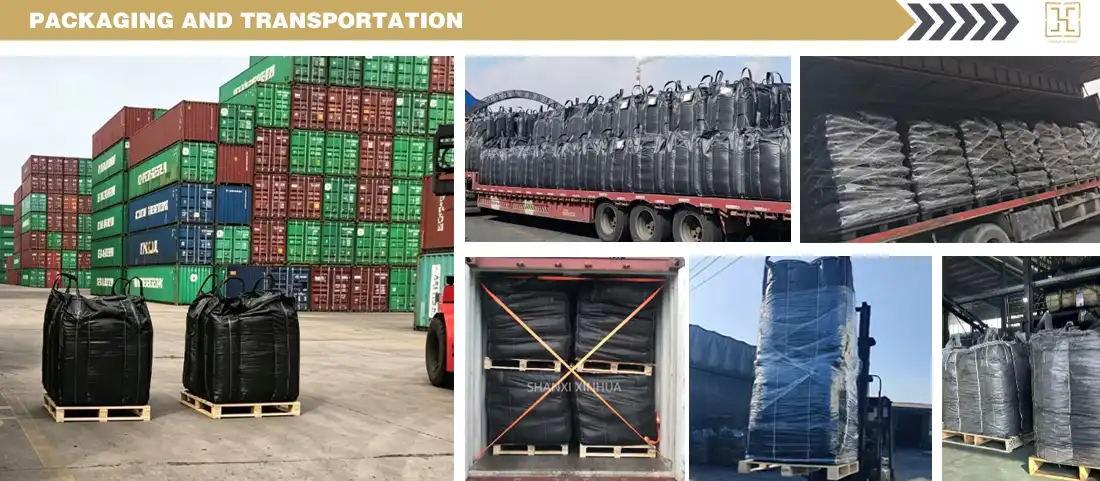
Proper packing keeps the purity of the CTC80 Coal Columnar Charcoal while it's being shipped. Industrial-grade activated carbon is shipped in covered drums or woven bags that don't let wetness in. This keeps humidity out and keeps the carbon clean. Logistics coordination uses different types of transportation, such as trucks for domestic shipments, sea freight for international orders, and air cargo for urgent packages. It does this with the help of real-time tracking systems and customs clearance help.
Supplier Evaluation Checklist
Due diligence protects assets in buying. Some important things that are looked at when deciding whether something is good are whether the certification is valid (ISO 9001, ISO 14001, or ISO 45001), whether CTC and iodine values were confirmed by a third party, and whether clear records of the amount of ash, moisture, and particle size distribution were kept. Response time from suppliers, such as the time it takes to get quotes, the availability of technical advice, and support after the sale, is what sets trustworthy partners apart from transactional vendors. Payment terms should be fair and balance risk. For big contracts, letters of credit or milestone-based agreements can be used as protection.
Real-World Industrial Applications and Case Studies
When operational data backs up theoretical success measures, they become more reliable. Working with different types of businesses shows how CTC80 Coal Columnar Charcoal solves specific problems.
VOC Recovery in Chemical Manufacturing
A petroleum plant that processes toluene and xylene switched from a lower-grade carbon that needed to be replaced every month to CTC80 Coal Columnar Charcoal in its solvent recovery system. After the installation, data showed that breakthrough had increased by 40%, which cut the number of replacements to every three months and allowed an extra 15% of solvent to be recovered. This saved more than $120,000 a year in material costs and increased feedstock reclamation.
Flue Gas Treatment in Power Generation
To meet the stricter emission standards, a coal-fired power plant used CTC80 Coal Columnar Charcoal in mercury adsorption units. The high mechanical strength of the carbon meant that it could handle the high temperatures and dusty flue gas without breaking down much, keeping the capture efficiency above 90% for six months. Thermal regeneration improved performance, which let the plant meet legal requirements without having to pay for ongoing carbon removal.
Municipal Water Purification
A municipal water treatment plant added CTC80 Coal Columnar Charcoal granular carbon to its advanced filtration stage to get rid of residual organic contaminants and compounds that give water its taste and smell. The low ash content of the carbon kept the finished water from being cloudy, and its stable iodine value made sure that it would work the same way even if the source water quality changed. The facility said that customers were happier and that comments about the look of the water had gone down.
Conclusion
The CTC80 Coal Columnar Charcoal is an example of how advanced material science and useful industrial engineering can come together. Its high CTC adsorption value, high mechanical strength, and ability to work with heat renewal make it a good choice for recovering VOCs, getting rid of toxic gases, and cleaning solvents. Technical specs that are easy to understand, certified quality systems, and flexible operations help procurement teams make confident sourcing choices that balance performance needs with budget realities. As environmental rules get stricter and business efficiency becomes more important, working with experienced suppliers is the only way to get reliable, high-performance adsorption solutions that are made to fit the needs of tough industrial uses.
FAQ
What does the '80' in CTC80 specifically represent?
It shows that the CTC80 Coal Columnar Charcoal can absorb 80% of its own weight in carbon tetrachloride vapor under normal test conditions. This is because it has a lot of pores and can really hold onto organic molecules.
How does CTC80 compare to CTC60?
As a result, CTC80 Coal Columnar Charcoal has about 33% more adsorption capacity, which means it will last longer and work better in low-pollutant environments, requiring fewer replacements and less downtime.
Can this carbon be regenerated?
Yes, it can go through multiple thermal regeneration cycles at 800–900°C because it is very strong and stable at high temperatures. This lowers the total cost of ownership by a large amount over long service periods.
Is CTC80 effective in high-humidity conditions?
Even when the relative humidity is as high as 70%, the highly developed micropores in CTC80 Coal Columnar Charcoal keep a high level of organic catch efficiency. This means that the material will work the same way in all kinds of situations.
How do I prevent 'dusting' in my filtration system?
Make sure the carbon has a high hardness grade (≥95%) and that it is pre-washed or air-blasted when it is first put into the adsorber to get rid of fines and keep the bed stable.
Partner with a Trusted CTC80 Coal Columnar Charcoal Manufacturer
Shanxi Xinhua Carbon Technology Industry Co., Ltd. has been working with activated carbon for more than 60 years and uses defense-grade quality control to make sure that their materials are always of the highest quality for tough industrial uses. Our fully integrated production bases keep full inventory coverage, which allows for standard delivery within 7–15 days and fast service in 72 hours when compliance deadlines are approaching. We offer engineered solutions that improve VOC recovery, extend service intervals, and lower total lifecycle costs. These solutions are backed by ISO 9001, ISO 14001, and ISO 45001 certifications, collaborative R&D partnerships with Tsinghua University and the Chinese Academy of Sciences, and CTC80 Coal Columnar Charcoal pore structures that can be changed to fit your specific adsorption needs. Contact our team at greta@carbonxinhua.com to discuss bulk pricing, technical details, and how our capabilities can support your next environmental compliance project. Discover more at xhcarbontech.com.
References
1.Bansal, R.C. and Goyal, M. (2005). Activated Carbon Adsorption. CRC Press, Boca Raton.
2.Marsh, H. and Rodríguez-Reinoso, F. (2006). Activated Carbon. Elsevier Science, Oxford.
3.Yang, R.T. (2003). Adsorbents: Fundamentals and Applications. John Wiley & Sons, Hoboken.
4.Derbyshire, F., Jagtoyen, M., Andrews, R., Rao, A., Martin-Gullon, I., and Grulke, E. (2001). Carbon Materials in Environmental Applications. Marcel Dekker, New York.
5.Ruthven, D.M. (1984). Principles of Adsorption and Adsorption Processes. John Wiley & Sons, New York.
6.LeVan, M.D., Carta, G., and Yon, C.M. (1997). Adsorption and Ion Exchange in Perry's Chemical Engineers' Handbook. McGraw-Hill, New York.

Send Inquiry
You may like
_1781662034490.webp)