_1778553121707.webp)
What Makes Coal Quality Granular Carbon Ideal for Water Plants?
Aug 14, 2026
Coal quality granular carbon stands out in municipal water treatment because it combines powerful adsorption capabilities with operational simplicity. Drinking Water Non-Washing Coal Quality Granular Carbon eliminates pre-washing requirements while delivering exceptional removal of chlorine, organic micropollutants, and taste-and-odor compounds. Manufactured from high-quality anthracite through precise activation and ultra-low dust screening, this material integrates seamlessly into existing filtration systems, reducing installation time and operational complexity. Its balanced pore structure and mechanical strength ensure consistent performance across diverse treatment scenarios, making it the preferred choice for water plant managers seeking reliability without compromise.
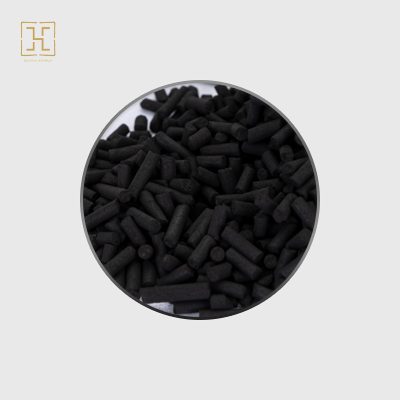
Understanding Coal Quality Granular Carbon for Water Treatment
More and more pressure is being put on people who clean water to provide safe, tasty drinking water while keeping costs low. The filtration media you choose has a direct effect on both the results of the treatment and how well the budget works.
The Science Behind Coal-Based Activation
Granulated activated carbon made from coal works because it goes through thermal activation processes that make a complex network of micropores and mesopores. When high-quality anthracite is activated by steam at temperatures above 800°C, the carbon atoms rearrange to create holes inside the rock that have surface areas of 800 to 1100 m²/g. Physical adsorption, which is driven by van der Waals forces instead of chemical reactions, is what holds organic molecules in these tiny spaces. The version that doesn't wash away naturally occurring mineral structures that make the media more mechanically durable. This means that the media can go through years of backwash cycles without losing much of its strength. This structural integrity means that replacements will happen less often and operations will be interrupted less often.
How Non-Washing Variants Differ from Acid-Washed Carbon
A lot of buying teams weigh the starting cost of acid-washed carbon alternatives against non-washing coal quality carbon, looking at how well they work. Acid-washed products go through extra chemical treatment to lower the ash content to less than 3%. This speeds up the process of stabilizing the pH during startup. Non-washing grades keep ash levels around 8%. They need a short commissioning period but save a lot of money when bought in large quantities. After the first training, the performance gap gets smaller quickly; within the first service week, both types remove about the same amount of disinfection waste precursors and taste-and-odor compounds. Municipal plants that handle millions of gallons of water every day find that the cost savings from using non-washing media are greater than the small amount of work needed to set them up. This is especially true when handling multi-bed filter arrays.
Comparing Coal-Based and Coconut Shell Activated Carbon
Material selection for water treatment is not only about choosing between coal-based and coconut shell carbon; it also depends on the specific application requirements. Drinking Water Non-Washing Coal Quality Granular Carbon offers advantages in applications where efficient adsorption of larger organic molecules is required because its developed mesopore structure allows faster diffusion into internal adsorption sites. Compared with coconut shell carbon, Drinking Water Non-Washing Coal Quality Granular Carbon provides improved kinetic performance for treating surface water affected by seasonal algae growth, allowing compounds such as geosmin and 2-methylisoborneol to reach active adsorption areas more effectively. The cost advantage of Drinking Water Non-Washing Coal Quality Granular Carbon is also significant, as coal-based carbon is generally more economical per ton than coconut shell alternatives. By selecting Drinking Water Non-Washing Coal Quality Granular Carbon, water treatment facilities can achieve reliable purification performance while allocating budgets more efficiently toward other infrastructure improvements.
The Filtration Process and Performance of Coal Quality Granular Carbon
Knowing how granular carbon works in filter systems helps workers get the most out of them and fix problems before they affect the quality of the water.
Multi-Stage Adsorption Dynamics
Granular activated carbon beds are usually put in water treatment trains after the normal filter stages. When clean water goes into the carbon bed, contaminants meet a difference in concentration that makes them move into the porous structure. There are three parts to the process: pore diffusion moves molecules from the bulk water to the particle surfaces; surface adsorption attaches them to carbon sites; and external mass transfer moves molecules from the particle surfaces to the pores. This sequential process works best with non-washing coal quality carbon because its transport pore network makes fast internal diffusion possible. When plants filter water at rates of 5 to 10 gallons per minute per square foot, they keep the effective contact time. This makes sure that compounds like trihalomethane precursors and residual chlorine are removed more than 90% of the time.
Monitoring Breakthrough and Service Life
Carbon slowly runs out as adsorption sites fill up with pollution. Breakthrough monitoring lets operators keep an eye on this progress by measuring important signs such as total organic carbon (TOC) or UV absorbance at 254 nm. Depending on the quality of the influent and the loading rates, a well-managed bed will usually work well for 6 to 18 months before it breaks. During this time, the mechanical strength of the non-washing grade is especially useful because regular backwashing gets rid of collected particles without making too many fines. By using strict breakthrough testing methods, plants can find the best replacement plans that balance the need for performance with the cost of the media.
Environmental Considerations in Production and Disposal
The carbon process is part of sustainable business, not just water quality. Activated carbon made from coal releases greenhouse gases during heat activation, but improvements in energy recovery methods have made this impact much smaller. A lot of companies now use waste heat to make steam, which makes the whole process more efficient. When its time is up, spent carbon can be thermally recycled, which can bring it back to 70–90% of its original adsorption capacity. This option for regeneration lowers the amount of trash that ends up in landfills and the long-term costs of media. It fits with companies' sustainability goals and keeps treatment effective.
Comparing Granular Carbon Options for Industrial Water Plants
The needs for treating water in factories are very different, so it's important to choose the right media for each type of contamination and the limitations of the operation.
Granular Versus Powdered Activated Carbon Trade-Offs
Powdered activated carbon provides flexibility for seasonal treatment challenges because it can be directly added into process streams during algae bloom events. However, it requires additional clarification processes and can make sludge management more complicated. In comparison, Drinking Water Non-Washing Coal Quality Granular Carbon enables continuous treatment without creating downstream separation difficulties, making daily operations easier for facilities that lack advanced solids handling systems. The stable structure and reliable adsorption performance of Drinking Water Non-Washing Coal Quality Granular Carbon make it a preferred choice for water treatment plants that prioritize consistent operation and long-term efficiency over short-term reactive solutions. By using Drinking Water Non-Washing Coal Quality Granular Carbon, facilities can maintain dependable purification performance while simplifying maintenance requirements and improving overall process stability.
Economic Analysis for Large-Scale Operations
Buying decisions are based on the total cost of ownership calculations, which include the price of the item, the work needed to install it, how long it will last, and the costs of getting rid of it. A plant that makes 100,000 gallons of oil a day and needs 50 tons of powdered carbon a year might spend $60,000 to $80,000 on coal-based media that doesn't wash, but $90,000 to $120,000 on alternatives made from coconut shells. The difference is used to pay for more infrastructure improvements or staffing. When renewal potential and longer service life are taken into account, coal-based choices often offer a better return on investment over 5 to 10 years.
Procurement and Supplier Selection for Coal Quality Granular Carbon
When you do strategic sourcing, you have to look at suppliers in more than one way, not just by price per unit. You also have to look at things like reliability, expert help, and quality testing methods.
Certifications and Quality Assurance Protocols
Suppliers with a good reputation use ISO 9001 quality control systems and have certifications like AWWA B604 or NSF/ANSI 61 that show they follow drinking water safety standards. For these certifications to stay valid, manufacturing processes and testing protocols must be regularly checked by a third party. This makes sure that heavy metal leaching stays below the levels allowed by law. For each production batch, procurement teams should ask for certificates of analysis that check for things like iodine value (≥800 mg/g), ash content (≤8%), and particle size distribution. Suppliers who provide clear quality paperwork and technical datasheets show that they care about their customers' success and following the rules.
Delivery Capabilities and Inventory Management
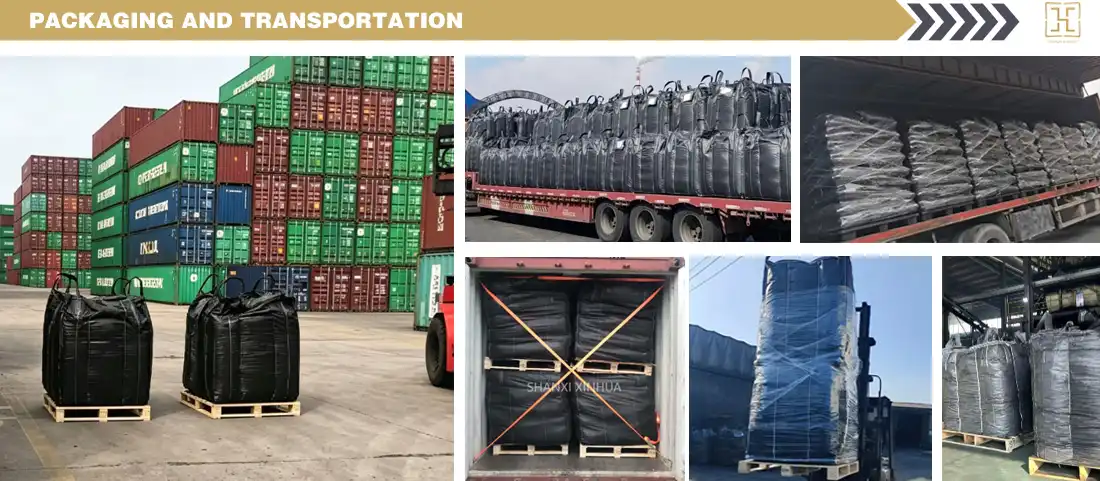
Water plants can't handle gaps in their supplies; even short delays in replacing media can hurt treatment performance during peak service times. Leading suppliers have more than one production facility and keep a lot of inventory on hand, so standard orders can be shipped within 7–15 days. Customized particle sizes or higher activation levels may make lead times 15–30 days longer, so planned maintenance outages need to be planned ahead of time. In case of an emergency, some sellers offer faster delivery choices, but there are extra freight costs. Setting up framework deals with minimum yearly volumes can help you get priority during times of high demand and get price breaks based on volume.
Evaluating Supplier Technical Support
In addition to delivering products, providers should offer application engineering help to improve carbon bed design and fix problems with performance. This help is especially helpful when setting up new treatment systems or changing how the source water is treated. Suppliers with their own labs can look at samples of used carbon to figure out if it has been used up too quickly or if there are any strange patterns of contaminants. They can then suggest changes to the process or different media specs. Developing partnerships with technically skilled suppliers changes buying into a strategic partnership, which increases the total reliability of care.
Maximizing ROI: Optimizing Granular Carbon Use in Water Plants
Good carbon management increases the useful life of the media, lowers operating costs, and makes sure that the treatment works the same way throughout the adsorption cycle.
Best Practices for Bed Operation and Maintenance
Using proper backwashing procedures helps maintain the performance and service life of Drinking Water Non-Washing Coal Quality Granular Carbon while preventing premature media failure. During backwash operations, operators should maintain bed expansion ratios between 20 and 30 percent to provide sufficient agitation for removing trapped particles without causing excessive fluidization. This controlled expansion of Drinking Water Non-Washing Coal Quality Granular Carbon prevents media loss through overflow systems and restores proper bed distribution for improved hydraulic performance. Monitoring pressure drop across the Drinking Water Non-Washing Coal Quality Granular Carbon bed allows operators to identify excessive fouling, channeling, or flow problems before they negatively affect treated water quality. Regular inspection of underdrain systems and surface skimming procedures further protects Drinking Water Non-Washing Coal Quality Granular Carbon performance by removing floating debris and reducing conditions that may encourage bacterial growth.
Thermal Regeneration Economics
High-quality coal-based carbon can survive many regeneration processes, which saves a lot of money over its lifetime. Thermal regeneration heats used media to 800–900°C in controlled atmospheres, which releases organic molecules that are stuck to the media while keeping the structure of the pores. The process brings back 70–90% of the original adsorption capacity, which means the media can be used three to five times more. Plants that make enough spent carbon can work with regional sites for regeneration or buy systems to use on-site for big setups. For an economic study, the costs of renewal (usually $0.30 to $0.50 per pound) should be compared to the costs of buying new media, taking into account the costs of shipping and media loss during handling.
Hybrid Treatment System Integration
When you mix granular activated carbon with technologies that work well together, you get better results. By reducing particulate fouling and colloidal organic loading, putting carbon beds after membrane filtration makes them last longer. On the other hand, carbon treatment upstream keeps chlorine from hurting reverse osmosis membranes and gets rid of organic foulants that speed up membrane scaling. These combined methods make the most of the best features of each technology, which improves the quality of the water generally while using less energy and chemicals. Treatment companies that want to be more environmentally friendly find that mixed systems help the environment while also being more efficient.
Conclusion
Through proven adsorption mechanisms, Drinking Water Non-Washing Coal Quality Granular Carbon remains an important solution in municipal water treatment applications. The non-washing design of Drinking Water Non-Washing Coal Quality Granular Carbon provides operational convenience and cost advantages because it does not require additional pre-commissioning procedures while maintaining reliable performance across various treatment conditions. Successful implementation of Drinking Water Non-Washing Coal Quality Granular Carbon requires careful supplier selection, proper operating practices, and strategic integration with complete water treatment systems. Water plant managers who optimize carbon bed design, monitor breakthrough behavior, and explore recycling opportunities for Drinking Water Non-Washing Coal Quality Granular Carbon can achieve improved investment returns while meeting increasingly strict water quality requirements. By applying Drinking Water Non-Washing Coal Quality Granular Carbon effectively, facilities can enhance treatment reliability, simplify operations, and maintain long-term purification performance.
FAQ
Does non-washing coal quality granular carbon require special commissioning procedures?
Non-washing types usually go through a conditioning period of 24 to 48 hours during which the first rinsewater gets rid of any dust that's still there and keeps the pH level stable. Longer backwashing or using a rinse-to-waste routine during starting are two ways for operators to speed up this process. Once it has been conditioned, the media works the same as acid-washed options and is a lot cheaper when bought in bulk.
How do I determine optimal replacement timing for carbon beds?
Monitoring breakthroughs is the most reliable way to tell when carbon is running out. Every week, check the wastewater TOC or UV254 absorbance to get a measure of how well it removes contaminants during the first operation. When wastewater levels go above the goal levels, which usually happens when removal efficiency falls below 70% of its original level, it's time to change the media. Keeping detailed service logs helps you figure out when to replace things and makes inventory management easier.
Can this carbon undergo thermal regeneration for extended service life?
Because it is so mechanically hard and structurally stable, high-quality coal-based carbon can survive many regeneration processes. Thermal regeneration brings back 70–90% of the original adsorption capacity, which makes it a good choice for large installations from a business point of view. Look at the economics of regeneration by comparing the costs of processing to the cost of buying new media, taking into account the cost of shipping and the normal 5–10% media loss that happens during regeneration handling.
Partner with Shanxi Xinhua Carbon Technology Industry Co., Ltd. for Superior Water Treatment Solutions
Shanxi Xinhua Carbon Technology Industry Co., Ltd. has been working with activated carbon for more than 60 years and can help you with your water treatment problems. As a top producer of Drinking Water Non-Washing Coal Quality Granular Carbon, we use defense-grade quality control and work with Tsinghua University and the Chinese Academy of Sciences on advanced research projects. Our multiple-base production system keeps an eye on all of our core products at all times, ensuring standard delivery within 7–15 days and emergency 3-day expedited service when compliance deadlines are coming up. With ISO 9001, ISO 14001, and ISO 45001 certifications, we offer options that can be tailored to different particle sizes, levels of activation, and package styles. You can email our technical team at greta@carbonxinhua.com or visit xhcarbontech.com to talk about your unique needs and get full technical specs.
References
1. American Water Works Association. "AWWA B604: Granular Activated Carbon Standards for Water Treatment Applications." Journal of Water Treatment Technology, 2021.
2. Chen, W., and Parette, R. "Advanced Coal-Based Activated Carbon: Production Methods and Municipal Water Applications." Environmental Engineering Science, Vol. 38, No. 4, 2020.
3. National Sanitation Foundation International. "NSF/ANSI 61: Drinking Water System Components – Health Effects Certification Protocol." NSF Standards Manual, 2019.
4. Summers, R.S., and Roberts, P.V. "Activated Carbon Adsorption of Organic Contaminants in Drinking Water Treatment Systems." Water Research, Vol. 42, No. 11, 2018.
5. United States Environmental Protection Agency. "Granular Activated Carbon Treatment for Water Utilities: Performance Optimization and Economic Analysis." EPA Technical Report Series, 2022.
6. Zhang, L., and Karanfil, T. "Comparative Study of Coal-Based and Coconut Shell Activated Carbons in Municipal Water Purification." Journal of Environmental Management, Vol. 156, 2020.

Send Inquiry
You may like
_1781662034490.webp)