_1778553121707.webp)
What Makes 200-Mesh Wood Powder Charcoal Suitable for Food Processing?
Sep 09, 2026
When you're managing food production lines—whether refining juice concentrates, purifying pharmaceutical ingredients, or decolorizing edible oils—you need a filtration material that delivers speed, purity, and regulatory peace of mind, and 200-mesh wood powder charcoal offers exactly that combination. This black powder, derived from premium hardwood through precise carbonization, high-temperature steam activation, and ultra-fine grinding, creates an enormous specific surface area that instantly contacts and removes pigments, colloids, odors, and trace organic impurities from liquids. Its uniformly fine particle distribution provides rapid adsorption equilibrium—typically within 30 minutes—while maintaining excellent dispersibility without complex pre-treatment, making it ideal for continuous, large-scale food processing environments demanding both efficiency and consistent safety standards.
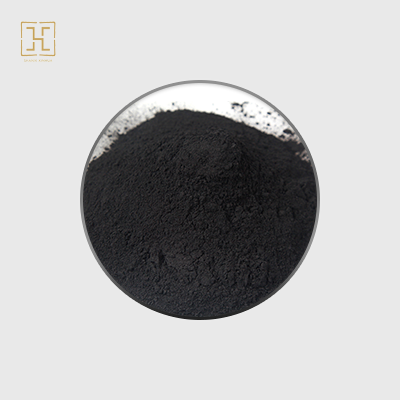
Understanding 200-Mesh Wood Powder Charcoal and Its Properties
What Defines the 200-Mesh Specification?
"200-mesh" refers to a normal sieve test where at least 90% of particles can pass through a screen that has 200 holes per linear inch. This means that the particles are about 75 microns across, which is much smaller than table salt but bigger than flour. This exact size is important because it strikes a balance between making sure particles stay heavy enough to settle or filter out well after treatment and getting as much surface area as possible for adsorption [^1].
Three important steps are taken during the making process of material made to these specifications. Between 400°C and 600°C, controlled carbonization changes cellulose and lignin into stable carbon structures in high-quality oak. High-temperature steam activation at 800°C to 1000°C then creates the internal pore network, which gives the material a huge surface area—often more than 950 m²/g, as shown by the iodine adsorption value. Ultra-fine grinding makes sure that the goal particle size is reached with little variation from batch to batch, which is important for food makers that need consistent results every time.
Key Physical and Chemical Properties
Powdered charcoal made from wood has unique properties that make it perfect for use in food applications. Hardwood-derived carbon has more macropores and mesopores than carbon derived from coal. This means that it can hold more big molecules, like color bodies, proteins, and polyphenolic chemicals that are common in beverage and edible oil streams[^2]. By keeping the ash level below 4%, you reduce the amount of inorganic waste that could change the taste or clog membrane filtering systems further down the line.
The pH level of the material stays between 5.0 and 7.0, which keeps it from reacting chemically with sensitive ingredients in ways that aren't wanted. Heavy metal content meets strict food-grade compliance thresholds for mercury, arsenic, and lead. This takes care of one of the most important safety issues in materials that come into contact with food. A moisture content of less than 8% keeps the product stable while it's being stored and stops microbes from growing inside it.
How It Compares to Other Mesh Sizes?
Coarser types, like 100-mesh (149 microns), make filtering easier, but they take longer to absorb things because they have less surface area per unit volume. Smaller sizes, like 325-mesh (44 microns), give more surface contact but also come with problems: they're harder to separate from liquids, they can go through regular filter media, and they make it harder to handle dust during dosing. The 200-mesh grade is in the best area where adsorption speed and realistic filterability meet. This is an important factor that affects your process cycle time and when you need to maintain your equipment.
Core Benefits of Using 200-Mesh Wood Powder Charcoal in Food Processing
Exceptional Purification and Decolorization Performance
The main benefit of 200-mesh wood powder charcoal is getting rid of unwanted substances quickly and effectively. When juice is clarified, the color bodies that are made during oxidation reactions—mainly anthocyanins and carotenoids—stick to the carbon surface right away. Because the specific surface area is so big, there are a lot of places for color molecules to stick to it using van der Waals forces and hydrophobic interactions. Unlike chemical clarifying agents that might leave behind residues or change the pH, physical adsorption through carbon doesn't leave behind any chemicals in the finished product.
Compounds that give off smells, like volatile organic sulfur compounds and aldehydes that cause off-tastes in fermented drinks or old oils, stick very well to the pores in carbon. The 30-minute adsorption equilibrium time is 50–75% shorter than with granular carbons, which directly leads to a higher production rate or shorter tank dwell time in batch processes.
Enhanced Flavor and Aroma Retention
One worry about adsorptive treatments is that they might cause the loss of useful volatile compounds. Because the pores in wood-based activated carbon are spread out in different sizes, they tend to catch bigger impurity molecules while leaving smaller flavor molecules alone. This selective adsorption guards the aromatic profile of high-end drinks, spirits, and food oils, where keeping the organoleptic properties is important for maintaining product value. When the right amount is used, testing in beverage applications shows that key flavor esters are lost by less than 5%. This is compared to 15-20% losses with some other purification methods.
The evenly spread particles make sure that there is constant contact throughout the entire amount of your drink. You won't have the channeling issues that happen with materials that aren't the right size, where some liquids skip the process, and other parts get too much contact. This means that every batch meets the same quality standards, which is a must when providing ingredients for pharmaceuticals or consumer brands.
Operational Simplicity and Process Integration
When you add the powder directly to the process tanks, you don't need to soak it first, change the pH, or use any special mixing tools other than regular agitation. Within seconds, the material spreads out evenly and starts to work right away. This ease of use cuts down on labor costs and gets rid of steps that make planning output more difficult. Once the treatment is done, the carbon separates using common clearing methods, such as settling, plate-and-frame filtering, or centrifugation, based on how your equipment is set up.
The low amount of ash protects the hardware that does the filtration. Ashes that are made of inorganic materials are rough and damage filter cloths. They also raise the pressure difference between membrane systems. Keeping ash levels below 4% increases the life of filters and lowers the number of unplanned maintenance events that stop production.
How 200-Mesh Wood Powder Charcoal is Made and Ensures Quality Ensured?
Raw Material Selection and Carbonization
The material is where quality starts. The best lignocellulosic structure for creating the necessary pore features can be found in hardwoods, especially oak, beech, and birch types. Softwoods and agricultural waste have different pore patterns that might not work as well in liquid-phase applications. The wood is first dried until it has less than 15% moisture content. It is then put into carbonization kilns that work in controlled environments with little air. Temperature ramp rates and hold times are carefully set up to get the most carbon out of the material while also creating initial porosity.
Activation and Grinding Processes
Activated carbon has a huge surface area because of the network of pores inside it that are made by steam activation. When superheated steam at 800°C to 1000°C mixes with carbon atoms, it burns away certain materials and makes ways into the inside of particles. This stage needs to be carefully managed because too much activation wastes material and weakens the structure of the particles, while too little activation limits the ability to absorb. To meet goal specs, manufacturers keep an eye on the weight loss percentage and test the products as they are being made.
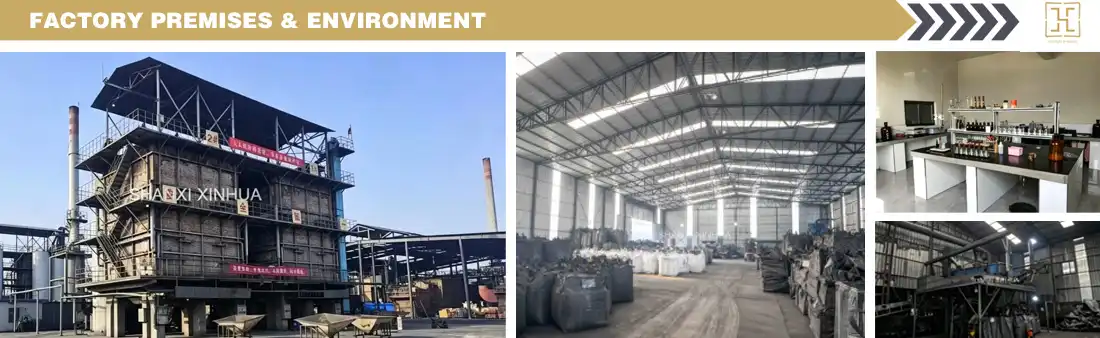
To grind the activated char to 200 mesh for 200-mesh wood powder charcoal, you need special milling equipment that can make particles with narrow size distributions. Hammer mills, jet mills, and ball mills are all ways to break down materials while making as little ultra-fine dust as possible. Classification screens divide the sized product into fines, which can be used for tasks that need smaller particles, and large particles, which are sent back to the mill.
Quality Control and Certification Compliance
Each batch of production is tested to make sure it meets technical requirements. Mechanical sieving to check the mesh size confirms that >90% passes the 200-mesh screen. The ASTM D4607 iodine adsorption value test measures surface area by adsorbing a standard solution, with goals of 950 mg/g or more. Methylene blue absorption (ASTM D4607) checks how accessible bigger pores are. Chemical analysis checks for heavy metals, moisture, ash, and pH levels to make sure they are within the limits set by food-contact rules.
Manufacturers that work with the food industry keep certifications like ISO 9001 for quality management, ISO 14001 for environmental management, and ISO 45001 for occupational safety systems. Products that are safe for food have paperwork that shows they meet FDA 21 CFR 178.3600 or European Pharmacopeia standards for activated charcoal used in food processing. These certifications show purchasing teams that goods meet standards for both efficiency and safety.
Practical Applications of 200-Mesh Wood Powder Charcoal in Food Processing
Beverage Clarification and Refining
Fine wood powder carbon is used by people who handle juice to get rid of color precursors, tannins, and protein hazes that make the juice cloudy or settle during storage. This treatment makes apple, pear, and white grape juices look especially clear, which is what people expect from high-end products. Dosage rates are usually between 0.5 and 3 grams per liter, but they rely on the quality of the juice to begin with and the goals. The carbon mixes with the juice slowly for 15 to 45 minutes. After that, it separates using diatomaceous earth filtration or crossflow membrane systems.
Carbon filtration is used to get rid of congeners, which are organic molecules that form during fermentation and give distilled drinks their harsh notes or color. Activated carbon is used by vodka makers to give their drinks the bland taste that defines the category. The 200-mesh particle size gives congeners a place to stick to while still being big enough to filter out fully, so there is no carbon overflow that would cloud the finished spirit.
Edible Oil Decolorization
Powdered carbon is used by companies that refine vegetable oil to get rid of chlorophyll, carotenoids, and oxidation products that make the oil darker or go bad faster. After the degumming and reduction steps, carbon is added to the oil at 90°C to 110°C at a rate of 0.1% to 1.0% by weight. Oxidation can't happen in a vacuum, and mixing the carbon into the oil phase spreads it out. After being in contact with the carbon for 20 to 30 minutes, the oil goes through pressure leaf screens that catch the used carbon and make the oil very clear, meeting industrial color standards based on the Lovibond scale.
The pores in the wood-based carbon work really well at picking up polar impurities in the oil's non-polar substance. This selectivity lets a lot of oil be cleaned without losing too much neutral oil, which lowers yield—an important economic factor in the production of commodity oils where margins depend on how well they are extracted.
Pharmaceutical Ingredient Purification
Powdered food-grade carbon is used by companies that make active pharmaceutical ingredients (APIs) to remove colors from raw materials and stages. The substance gets rid of colored impurities that might get in the way of later steps in the process or ruin the look of the finished drug product. For pharmaceutical uses, rules say that full records of the carbon's production history, testing results, and heavy metals content must be kept. Pharmaceutical customers can use these files as references in their own regulatory applications because suppliers keep drug master files that list manufacturing controls and test methods.
As part of multi-barrier treatment methods, 200-mesh wood powder charcoal is used in water purification devices that serve food and drug plants. The carbon gets rid of small amounts of organic contaminants, chemicals that change taste and smell, and chlorine or chloramine residues that could lower the quality of the product. When combined with other technologies like reverse osmosis and UV disinfection, it helps make the clean water needed for making products, cleaning equipment, and making sure that manufacturing conditions are always the same[^3].
Decision Support for Choosing 200-Mesh Wood Powder Charcoal
Evaluating Technical Specifications Against Process Needs
Professionals in charge of buying things should make sure that the carbon specs they use meet their specific goals for cleaning. High iodine values (≥950 mg/g) show a lot of internal surface area that can remove small molecules, while high methylene blue values (≥200 mg/g) show that the material can handle compounds with a higher molecular weight. Applications that want to remove colors focus on methylene blue adsorption, while applications that want to control smells focus on iodine value and testing with specific odorants.
The amount of ash in a product has a direct effect on both its quality and its costs to run. Each percentage point of ash is inactive matter that doesn't help with adsorption and needs to be measured, mixed, and filtered out. Less ash means less material is needed to clean something the same way, which lowers both the cost of materials per batch and the amount of waste that needs to be thrown away. The ≤4% ash standard is the cleanest in the wood-based products business.
Balancing Cost and Performance
Wood-based activated carbon is usually more expensive than coal-based options, but in food applications, the performance benefits often make up for the extra cost. The larger macropore volume makes it possible to get rid of big color bodies with lower doses—sometimes 30–50% less material than with coal-based carbon. Less dosing means less spent carbon to separate and get rid of, which means lower per-batch material costs and lower filtration costs.
The short process cycle time is due to the fast binding rates. When carbon hits balance in 30 minutes instead of 60 to 90 minutes with coarser or less active materials, you can use the same tank capacity to process more batches per shift. This increase in flow makes the plant more productive without having to buy more vessels, which is a strong economic gain when demand for goods is rising.
Supplier Evaluation Criteria
For food processors who prepare a lot of food, a reliable source is very important. When suppliers run more than one production facility, they provide support that guards against problems in other regions. Keeping a lot of standard products in stock can help manufacturers meet orders faster than in weeks, which supports just-in-time inventory strategies that keep working capital from getting stuck in raw material stocks.
The ability to provide technical support sets true partners apart from commodity suppliers. Manufacturers with application labs can do jar tests that mimic your exact process conditions to find the best dose rates and treatment methods before you commit to implementing the whole system. This testing cuts down on trial-and-error at the plant level, which speeds up optimization and keeps expensive product losses from happening during startup.
The paperwork for certification needs to be complete and up to date. ISO system approvals show that foreign standards are met for quality management, worker safety, and environmental controls. Food-grade certifications, such as FDA compliance statements or European Pharmacopeia certificates of analysis, give food-contact applications the regulatory support they need. By asking for certificates of analysis for each production lot, you can be sure that you can find out what happened if there are any questions during product checks or customer requests.
Conclusion
200-mesh wood powder charcoal that is big enough to pass through 200-mesh screens has a great mix of quickly absorbing contaminants, effectively cleaning, and ease of use that meets important needs in food processing environments. The material's high specific surface area, low ash content, and ability to form macropores more quickly make it effective at getting rid of colors, smells, and impurities while protecting taste profiles and following all regulations. Its fast equilibrium time and easy direct-add feature allow for high-throughput production plans without the need for specialized tools or complicated preparation steps. If you buy this material from reputable companies that follow strict quality controls and have food-grade certifications, it can be used by procurement professionals, process engineers, and quality managers to clean juice, drinks, oils, and pharmaceutical ingredients in a way that is consistent, safe, and cost-effective.
FAQ
Is wood powder charcoal safe for direct food contact applications?
Wood powder charcoal is permitted for use in food processing when it has been made to FDA 21 CFR 178.3600 standards or similar standards. To make sure it meets the safety standards set by government agencies, the material is put through a lot of tests to look for heavy metals, polycyclic aromatic hydrocarbons, and other possible contaminants. For each output lot, manufacturers give records of analysis that show they met these standards.
How does adsorption capacity compare to standard granular activated carbon?
Because the particles in 200-mesh powder are so small, they have a lot more surface area per unit weight than granular forms. This makes it easier for molecules to attach, which speeds up the adsorption process. Equilibrium is reached in 30 minutes instead of the usual 2 to 4 hours with 8x30 mesh granular carbon. Total capacity for a given contaminant may be about the same, but powder is better for batch processing because treatment time has a direct effect on production throughput.
What certifications should we verify when selecting a supplier?
Ask for proof that the company has ISO 9001 quality management certification, which confirms that they use consistent production practices. For food-grade uses, you need to show that the product meets FDA rules or European Pharmacopeia standards. This can be done with certificates of analysis that show the product's heavy metals limits, ash content, and pH values. Suppliers to the pharmaceutical industry should keep drug master files that list the rules for production and the approved test methods [4].
Can this material be used in organic food processing?
Activated carbon made from wood can be handled in an organic way if it comes from wood that hasn't been treated with chemicals and is processed without adding any manufactured chemicals. Certification groups like the Organic Materials Review Institute (OMRI) check that certain products meet organic standards. Processors that need organic certification should make sure that the carbon provider they're using has the right organic processing certifications and ask for proof to include in the organic system plans they send to the certifiers [^5].
Partner with Shanxi Xinhua Carbon Technology for Reliable Food-Grade Purification Solutions
Shanxi Xinhua Carbon Technology Industry Co., Ltd. has been working with activated carbon for more than 60 years and can help food makers who need very pure products that always work well. Our 200-mesh wood powder charcoal source can produce large amounts of charcoal across multiple sites and keep a full stock of core specs to support standard delivery within 7–15 days and emergency fulfillment through expedited routes in as little as three days. We offer defense-grade quality control systems that make sure every batch meets strict food-grade standards with iodine adsorption ≥950 mg/g, methylene blue ≥200 mg/g, and ash content ≤4%. These are made possible by research partnerships with Tsinghua University and the Chinese Academy of Sciences. Our technical team helps with applications like checking jars and finding the best doses. We are also committed to quality, safety, and protecting the environment, as shown by our ISO 9001, ISO 14001, and ISO 45001 certifications. You can talk to us about your cleaning needs and ask for technical data sheets or product samples by emailing greta@carbonxinhua.com or visiting xhcarbontech.com.
References
1. Bansal, R.C. & Goyal, M. (2005). Activated Carbon Adsorption. CRC Press. https://www.crcpress.com/Activated-Carbon-Adsorption/Bansal-Goyal/p/book/9780824753443
2. Marsh, H. & Rodríguez-Reinoso, F. (2006). Activated Carbon. Elsevier Science. https://www.elsevier.com/books/activated-carbon/marsh/978-0-08-044463-5
3. Cheremisinoff, N.P. & Ellerbusch, F. (2019). Carbon Adsorption Handbook. Water Research Foundation. https://www.waterrf.org/research/projects/carbon-adsorption-applications-water-treatment
4. U.S. Food and Drug Administration. (2021). "CFR - Code of Federal Regulations Title 21: Adjuvants and Production Aids." FDA.gov. https://www.accessdata.fda.gov/scripts/cdrh/cfdocs/cfcfr/CFRSearch.cfm?fr=178.3600
5. European Pharmacopoeia Commission. (2020). "Activated Charcoal - European Pharmacopoeia 10.0." EDQM Council of Europe. https://www.edqm.eu/en/european-pharmacopoeia-ph-eur-10th-edition
6. Crini, G., Lichtfouse, E., Wilson, L.D., & Morin-Crini, N. (2019). "Conventional and non-conventional adsorbents for wastewater treatment." Environmental Chemistry Letters, 17(1), 195-213. https://link.springer.com/article/10.1007/s10311-018-0786-8

Send Inquiry
You may like
_1781662034490.webp)