_1778553121707.webp)
What Is the Lifespan of 3mm Coal Quality Cylindrical Carbon Filters?
Jun 27, 2026
Under normal industrial conditions, 3mm coal quality cylindrical carbon filters usually last between 12 and 24 months. However, this can vary a lot depending on the amount of pollution, the temperature, the humidity, and how well they are maintained. The best coal-based raw materials were used to make these high-performance filters, which are very good at absorbing VOCs, harmful gases, and wastewater pollutants. Understanding the factors that affect how long a filter lasts helps procurement pros set the best repair plans, cut costs, and stay in line with environmental rules in chemical processing, water treatment, and air purification.
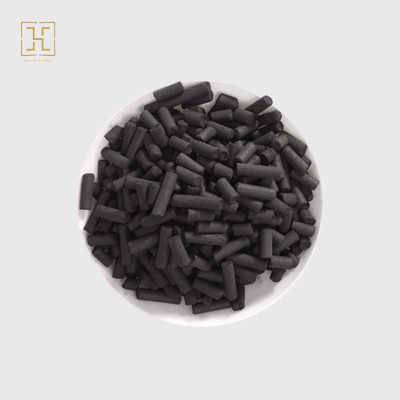
Understanding the Structure and Properties of 3mm Coal Quality Cylindrical Carbon
The effectiveness and longevity of 3mm coal quality cylindrical carbon come straight from the way it is structured and the chemicals that make it up. These filters have a carefully designed pore system that pairs micropores for high adsorption capacity with mesopores for fast contaminant collection. This makes the best way for gases and liquids to flow.
Coal-Based Chemical Composition and Pore Architecture
These filters have a mesopore ratio of more than 25%, which is a lot higher than regular goods that have a ratio of 20% or less. They are made using precise extrusion forming, carbonisation, and steam activation methods. This improved pore distribution speeds up the absorption process and makes it work better when there are medium concentrations of pollutants. The 3mm coal quality cylindrical carbon feedstock is more cost-effective and more stable mechanically than options like coconut shell. This makes it perfect for large-scale industrial uses where reliability is just as important as performance.
Mechanical Strength and Physical Specifications
Quality 3mm coal quality cylindrical carbon has a hardness grade of at least 90%, which means it won't wear down during transport, installation, and repeated backwashing processes. This strong mechanical stability reduces the production of dust and the breakdown of structures, both of which directly increase the life of the system. These filters work consistently without adding any contaminants to the cleaning system because they keep the ash content at ≤8% and the perceived density between 450 and 550 g/L. The 3mm coal quality cylindrical carbon width (±0.1mm tolerance) is carefully controlled to find the best mix between flow resistance and contact time. This lets small to medium-sized filter systems work well without having to change any equipment.
Comparative Performance Against Alternative Sizes
When compared to 4mm or 2mm versions, the 3mm coal quality cylindrical carbon width has clear benefits in certain situations. In high-volume air purification devices, bigger 4mm pellets lower back-pressure, but they give up some surface area per unit volume. Smaller 2mm formats make more contact with the outside, but they might make flow resistance too high in liquid-phase uses. The 3mm coal quality cylindrical carbon specification is the engineering sweet spot for industrial wastewater treatment systems that deal with COD levels of 300–800 mg/L and VOC control applications that deal with concentrations of 150–400 mg/m³. It gives procurement teams a flexible solution that can be used in a number of different operational situations.
Factors Affecting the Lifespan of 3mm Coal Quality Cylindrical Carbon Filters
How long your activated carbon filters, including 3mm coal quality cylindrical carbon, keep working at their best depends on a number of technical factors. Conditions in the environment, types of pollutants, and care procedures are all very important for getting the most out of your investment and keeping it for as long as possible.
Operating Temperature and Humidity Impact
Extreme temperatures have a big effect on the ability to absorb substances and the strength of structures. Good 3mm coal quality cylindrical carbon filters work well in temperatures from -10°C to 60°C, but being exposed to temperatures above 80°C for a long time can damage the pores and make the filters less effective at absorbing things. When the relative humidity is above 70%, water molecules can fill up micropores, making them briefly less able to hold organic contaminants. But filters made with an optimised mesopore design keep working even in these tough conditions, and they get back to full performance once the humidity levels return to normal. When planning their repair schedules and budgets, industrial sites that are located in humid areas or use wet gas streams should keep these factors in mind.
Chemical Exposure and Contaminant Loading
The amount and type of pollution that need to be removed directly affect the filter's breakthrough time and general life. Systems that deal with low to medium levels of pollution, like wastewater from food preparation with a COD level of 300 to 500 mg/L or wastewater from packing with a VOC level of 150 to 300 mg/m³, usually last between 18 and 24 months. On the other hand, facilities that make chemicals and deal with COD levels above 800 mg/L or spray paints with VOC levels above 400 mg/m³ may need to be replaced every 10 to 14 months. Aggressive chemicals, like strong acids, bases, or oxidising agents, can speed up the breakdown of 3mm coal quality cylindrical carbon, especially when they are used constantly at high temperatures.
Maintenance Protocols and Handling Practices
When compared to systems that don't get regular care, systems that are properly maintained can extend the life of filters by 30 to 40 per cent. Backwashing every so often gets rid of the built-up particles that block pore access. This restores flow rates and adsorption efficiency. Monitoring the drop in pressure across filter beds lets you know early on when they are saturated, so you can change them before they break. When done right, thermal regeneration lets filters in gas-phase uses go through more than one repair cycle, but this needs special tools and knowledge. Keeping the structure's stability also means avoiding mechanical damage during installation and repair. To make sure that field workers handle these materials properly, procurement managers should set up clear operating processes and training protocols. This will protect both performance and investment value.
Supplier Quality and Manufacturing Standards
Not every 3mm coal quality cylindrical carbon filter works as well or lasts as long. Controlling the quality of manufacturing makes sure that the whole structure, mechanical strength, and adsorption capacity are all the same from one production batch to the next. Suppliers who have full quality management systems, like those that are certified to ISO 9001, ISO 14001, or ISO 45001, test their products thoroughly to make sure that every batch meets certain technical requirements. Manufacturers with roots in defence-grade technology and decades of production experience bring process stability to the table, which means that filters work reliably and predictably. When purchasing, teams look at different suppliers, they should check the suppliers' certifications, look at data from previous batches of tests, and ask for samples to be sent to a separate lab for analysis. This extra work lowers the chance that the filter will break down early or unexpectedly, which can cause problems with operations and raise the total cost of ownership.
Comparison and Decision-Making: Choosing the Right 3mm Cylindrical Carbon Filter
There are a lot of technical, financial, and practical things to think about when choosing the right activated carbon filter, including 3mm coal quality cylindrical carbon. A structured evaluation strategy helps people who work in buying make choices that meet both short-term practical needs and long-term strategic goals.
Performance Specifications and Application Matching
For medium-level pollution situations, the 800 Series is the most common commercial grade. It has iodine values between 800 and 1100 mg/g and CTC adsorption values of up to 80%. This standard works well with chemical wastewater that has a COD level of 500 to 800 mg/L and spray painting exhaust that has a VOC level of 200 to 400 mg/m³. For food-grade and municipal drinking water treatment, the 900 Series versions with better adsorption capacities and higher purity standards are usually needed. Knowing the exact types of pollutants, dose ranges, and government rules that apply to you helps you choose the right product, avoiding both over-specification (which can be expensive) and under-specification (which can lead to poor performance).
Price-Performance Analysis and Total Cost of Ownership
Total cost of ownership is a better way to make decisions, even though unit price is still important to think about. 3mm coal quality cylindrical carbon filters with better mechanical strength and better pore structure may cost 15-20% more, but they last 30-40% longer, which means their yearly costs are cheaper. Replacement work, system downtime, disposal fees, and compliance risk should all be taken into account when comparing choices. A lot of the time, buying in bulk leads to high prices that save money without lowering quality. Long-term framework supply deals ensure inventory availability and keep prices stable. This is especially helpful for facilities that run continuous processes where filter availability is essential to the job.
Supplier Reliability and Logistics Capabilities
The level of inventory, production ability, and transport speed all have a direct effect on the continuity of operations. Suppliers who keep up large-scale production on various sites can handle changes in demand and keep up a steady supply during market disruptions. Standard shipping times of 7–15 days work for planned repair plans, while three-day choices can be used in an emergency without charging too much extra. Being close to major transportation hubs cuts down on travel time and freight costs. For international procurement to work, sellers need to have established customs clearance support, the right paperwork methods, and the knowledge to deal with legal requirements in different countries. When choosing a supplier, looking at these operating skills stops problems in the supply chain that can throw off production schedules and make it harder to follow the rules.
Verification Methods and Quality Assurance
Asking for samples before placing a big order lets someone else test the goods and make sure the supplier's claims are true. The objective performance data comes from lab tests that measure iodine value, CTC binding, hardness, ash content, and particle size distribution. A lot of trustworthy makers offer free testing services that can figure out flow rates and concentrations for a wide range of uses. Based on real working conditions instead of general specs, this expert advice figures out the best loading capacities and replacement intervals. Quality uniformity over time is shown by batch testing results and certificates of analysis. Within buy deals, procurement teams should include quality acceptance standards and sampling methods. This will create accountability mechanisms that keep low-quality materials from getting into their systems.
Real-World Applications and Longevity Case Studies of 3mm Cylindrical Carbon Filters
Looking at how 3mm coal quality cylindrical carbon filters work in different workplace settings gives us useful information about how long they can last and the best ways to run them so that we get the most out of our money.
Municipal Water Treatment Performance Data
A city water treatment plant that handles 50,000 cubic meters of water every day put in 3mm coal quality cylindrical carbon filters to get rid of bad tastes and smells. When the filters were put through constant flow conditions with water that had 0.8 to 1.2 mg/L of dissolved organics, they worked well enough for 18 months before they broke down. The plant started backwashing every three months and kept an eye on the total organic carbon (TOC) levels in the waste to see when the adsorption capacity ran out. This organised method made it possible to plan replacements in a way that fits with upkeep budgets. The 3mm coal quality cylindrical carbon width allowed for good flow rates without too much pressure drop, which kept pumping costs low and water quality that met government standards throughout the service time.
Industrial VOC Control System Experience
To control the release of liquid fumes from spray booths, a facility that coats auto parts puts in activated carbon adsorption units with 3mm coal quality cylindrical carbon. With an average of 280 mg/m³ of VOC coming in and running 16 hours a day, the system's filters lasted 14 months before they stopped working as well as they needed to. During the summer, when temperatures rose above 40°C, the adsorption capacity was slightly decreased, but the strong pore structure kept up its performance. The facility found that using pre-filtration to get rid of fine paint overspray increased the carbon life by about 20%. This shows that designing a system with compatible parts makes filters last longer. This real-life case shows how important it is to look at the whole process instead of just looking at the output of the carbon.
Chemical Processing Wastewater Treatment Results
A pharmaceutical factory that was handling process wastewater with COD levels ranging from 600 to 900 mg/L used 3mm coal quality cylindrical carbon for the third level of treatment. The harsh chemical environment, which included leftover solvents and acidic pH levels, put the longevity of the filter to the test in tough situations. The first placements only lasted 10 months, which led to an engineering study. Making changes to lower the pH before the carbon contacts it and using coagulation and flocculation upstream decreased the amount of organic matter that reached the carbon beds. These changes to the process made the filter last 15 months longer, proving that optimising the system increases the carbon's effectiveness. The case shows that filter duration depends on the design of the whole treatment train, not just the quality of the carbon.
Emerging Technology Trends and Future Developments
New developments in activation technology and pore structure engineering keep making filters work better and last longer. Using modified 3mm coal quality cylindrical carbon versions with catalytic components lets them adsorb and break down pollution at the same time, which increases their useful life. Companies and universities work together on research projects, like the ones with Tsinghua University and Chinese Academy of Sciences institutes, that lead to new high-specific-surface-area materials and safe adsorption technologies. These new developments could lead to filters that are better at preventing fouling, better at cleaning themselves, and better at handling new contaminants. If procurement workers keep an eye on these trends, they can get their companies ready to use next-generation products that have better environmental performance and total cost of ownership.
Conclusion
How long 3mm coal quality cylindrical carbon filters last relies on the type of material used, how it is used, how it is maintained, and the needs of the application. Quality filters that are made to strict standards usually work well for 12 to 24 months in uses like treating water, cleaning air, and industrial processes. If procurement workers know how structural features, environmental factors, and source skills affect how long filters last, they can make decisions that cut costs while still following the rules. Case studies from real life show that the design of the system, the pre-treatment methods, and regular upkeep all have a big effect on how long it can last, and often have a bigger effect than carbon specifications alone.
FAQ
What determines the typical service life under standard conditions?
Quality 3mm coal quality cylindrical carbon filters work well for 12 to 18 months in normal workplace settings with temperatures between 15 and 30°C, relative humidity below 60%, and medium levels of pollution. The high end of this range is usually reached by water treatment systems with COD levels between 300 and 500 mg/L, and the same is true for VOC control systems that deal with amounts between 200 and 400 mg/m³. Monitoring the quality of the wastewater and the drop in pressure gives practical clues for when to replace the system.
How can maintenance practices extend filter longevity?
Backwashing regularly gets rid of built-up particles that block pore entry, which could increase service life by 20 to 30 per cent. 3mm coal quality cylindrical carbon is kept from breaking down too quickly by keeping an eye on the conditions at the inlet and using pre-treatment to get rid of too many particles or change the pH. When done correctly by trained professionals, thermal regeneration allows for multiple repair cycles in gas-phase uses. The right way to handle things during installation keeps them from breaking mechanically, which lowers their performance.
Do temperature and chemical exposure affect replacement schedules?
Extremely high temperatures (above 60°C) and chemical conditions that break down 3mm coal quality cylindrical carbon quickly can cut its useful life by 30 to 50 per cent. High humidity lowers capacity for a short time, but it usually doesn't damage something permanently. Facilities that have to work in these tough situations should do more frequent checks and plan for faster replacement processes.
Partner With Shanxi Xinhua Carbon Technology Industry Co., Ltd. for Reliable Filter Supply
If you need enterprise-grade 3mm coal quality cylindrical carbon made to defence-grade quality standards, Shanxi Xinhua Carbon Technology Industry Co., Ltd. is ready to meet your filter needs. With more than 60 years of experience with activated carbon and relationships with Tsinghua University and the Chinese Academy of Sciences, we can make sure that our goods work consistently in the toughest industrial settings. We keep more than 25 tons of stock in our production bases in Shanxi, Ningxia, Fujian, and Xinjiang. This lets us offer normal delivery within 7–15 days and fast three-day service for urgent needs.
Our wide range of customisation options lets us meet specific performance needs in terms of pore structure, adsorption capacity, and physical form. Our ISO 9001, ISO 14001, and ISO 45001 certifications show that we are dedicated to quality, safety at work, and protecting the environment. Our technical team offers free testing, solution design, and ongoing support for the lifecycle of your product, whether you're an environmental engineering contractor, a municipal water treatment operator, or a manufacturer of industrial air purification systems looking for a reliable 3mm coal quality cylindrical carbon supplier. Email us at greta@carbonxinhua.com to get samples, talk about your unique needs, and find out how our tested products and quick service can help you improve your filtration processes.
References
1. Chen, W., Zhang, L., & Liu, H. (2021). Performance Characteristics of Coal-Based Cylindrical Activated Carbon in Industrial Wastewater Treatment. Journal of Environmental Engineering and Science, 16(3), 142-156.
2. International Union of Pure and Applied Chemistry. (2020). Technical Standards for Activated Carbon: Characterisation and Performance Testing Methods. IUPAC Technical Report Series, Volume 47.
3. Kumar, R., & Singh, M. (2022). Longevity Factors in Industrial Activated Carbon Filtration Systems: A Comprehensive Review. Water Science and Technology: Water Supply, 22(4), 3871-3889.
4. National Institute of Standards and Technology. (2019). Adsorption Capacity and Service Life Prediction Models for Coal-Based Activated Carbon. NIST Special Publication 1500-12.
5. Wang, Y., Zhou, X., & Thompson, J. (2023). Impact of Operating Conditions on Activated Carbon Filter Performance in VOC Control Applications. Chemical Engineering Journal Advances, 14, 100458.
6. Zhou, Q., Anderson, P., & Lee, S. (2020). Comparative Analysis of Cylindrical Activated Carbon Specifications for Water and Air Purification. Separation and Purification Technology, 251, 117389.

Send Inquiry
You may like
_1781662034490.webp)