_1778553121707.webp)
What Is the difference between coal-based and Other Cylindrical Carbon Types?
Jun 25, 2026
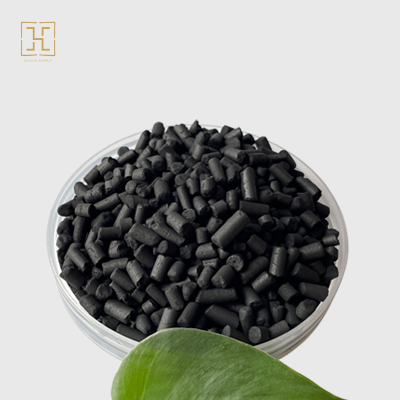
Coal-based cylinder carbon is very different from options made from petroleum, coconut shells, or wood when it comes to where the raw materials come from, how the pores are structured, and how strong they are. 4mm coal quality cylindrical carbon is an adsorbent that comes from coal. It has a uniform micro- and meso-pore distribution, which makes it strong and cost-effective for use in industrial water treatment, VOCs adsorption, and flue gas cleaning. Petroleum-based versions have bigger surface areas but aren't as hard, while carbons made from wood are better for the environment but are hard to keep consistent in high-load situations.
Understanding Cylindrical Carbon Types: Coal-Based vs. Others
There are different types of carbon families in the world of industrial adsorbents. Each one is made from different raw materials and activation methods. Being aware of these differences helps buying teams match the properties of materials to the needs of operations.
Raw Material Origins and Their Impact
Activated carbons made from coal come from carbonizing and activating anthracite or bituminous coal. This process makes a network of pores with equal numbers of micropores and mesopores. This lets both small molecules, like chlorine, and bigger organic chemicals stick to the material. Because coal is naturally hard, it can be turned into cylindrical pellets with a mechanical strength of more than 90%. This makes it so that very little dust is made during the handling and renewal processes.
Carbons that are based on petroleum come from heavy oil leftovers and pitch. They often get bigger surface areas—up to 1,200 m²/g—but lose their ability to last mechanically. Their pore structure is more microporous, which makes them good for gas-phase uses where molecule size stays small, but less flexible when dealing with different types of contaminants.
Coconut shell carbons, which are a type of biomass, come from a natural source and have a lot of tiny pores. They work great in liquid-phase uses that need to get rid of small amounts of contaminants, like cleaning pharmaceutical-grade water. But they can't be made as much as coal, and their strength depends on the quality of the shell and the conditions under which they are activated.
Wood-based carbons are good for the environment and have a wide range of hole sizes. They work well for certain tasks, like removing color from food during processing, but they aren't strong enough for high-flow industrial systems where wear and tear and drops in pressure can damage the material.
Industry Standards and Certification Protocols
Activated carbon quality is controlled by rules in all markets. In North America, ASTM D3467 and AWWA B604 set performance standards for carbons used in public water treatment. These standards cover iodine number, CTC adsorption capacity, hardness, and ash content. European markets use EN 12915 standards, which stress cleanliness and leachable metal limits to make sure drinking water is safe.
ISO 9001 certification checks that the manufacturing process is consistent, and ISO 14001 certification checks that the production process is environmentally friendly. Suppliers with these certificates show that they can control the process and track it, which are important things to look for when getting supplies for long-term projects that need to be confirmed.
Test labs that are not connected to the seller independently confirm what the supplier says. Each package should come with a Certificate of Analysis (COA) that lists the particle size distribution, moisture content, hardness, and adsorption measures. Environmental regulators require compliance checks and quality assurance processes, which this paperwork backs up.
Environmental Implications and Sustainability Assessments
In the past, using coal to make carbon caused worries about waste and pollution. Modern producers deal with these problems by using closed-loop activation systems that collect and reuse process gases, which lowers the amount of pollution that gets into the air. Waste heat recovery systems turn heat into power, which lowers the amount of carbon dioxide released per ton of final goods.
Oil-based options are being looked at closely because they depend on fossil fuels and release pollution during processing. Cracking and evaporation, which use a lot of energy, are often used to make them, which adds to the total amount of greenhouse gases released over their whole life. But some sites use methods that capture carbon, which lessens some of these effects.
Biomass-derived carbons have benefits for sustainable sources, but their longevity depends on where the feedstock comes from. Wood carbons need to be checked to make sure they don't come from illegal logging, while coconut shell carbons from managed farms help rural economies without cutting down trees. Buying choices are influenced more and more by Life Cycle Assessment (LCA) studies, which look at things like getting raw materials, making things, transporting them, and getting rid of them when they're no longer useful.
Extended Producer Responsibility (EPR) models are now part of regulatory compliance in Europe and North America. These encourage producers to make products that can be recycled and offer take-back programs. Because they are very strong, coal-based 4mm coal quality cylindrical carbons can go through many heat regeneration processes. This makes them last longer and lessens the amount of trash that ends up in landfills.
Comparing Performance: Coal-Based vs. Other Cylindrical Carbon Sizes and Types
Choosing the right material depends on how well its performance characteristics match the needs of the system. Buyers can get the best value for their money and time by understanding how particle size, pore structure, and dynamic features affect results.
Mechanical and Thermal Properties
The hardness of carbon decides how well it resists wear and tear during shipping, handling, and use. Coal-based 4mm pellets usually get a hardness of at least 90% on the ball-pan test. They also don't make many fines that could clog equipment further down the line or raise the pressure drop. Even though petroleum-based carbons can absorb more, they are usually 80–85% hard, which means they need to be replaced and maintained more often.
In renewal methods, where spent carbon is heated to 800–900°C to get rid of contaminants, thermal stability is important. Coal-based products keep their shape after being used many times, but some renewable carbons lose their pores or change shape, which makes them less useful again.
Bed volume and vessel size are affected by bulk density. Cylindrical carbons made from coal run from 350 to 550 g/L, which lets vessels be made smaller without reducing contact time. Alternatives with less density, like wood-based carbons, need bigger spaces, which raises the cost of tanks and pipes.
Industrial Use Case Studies
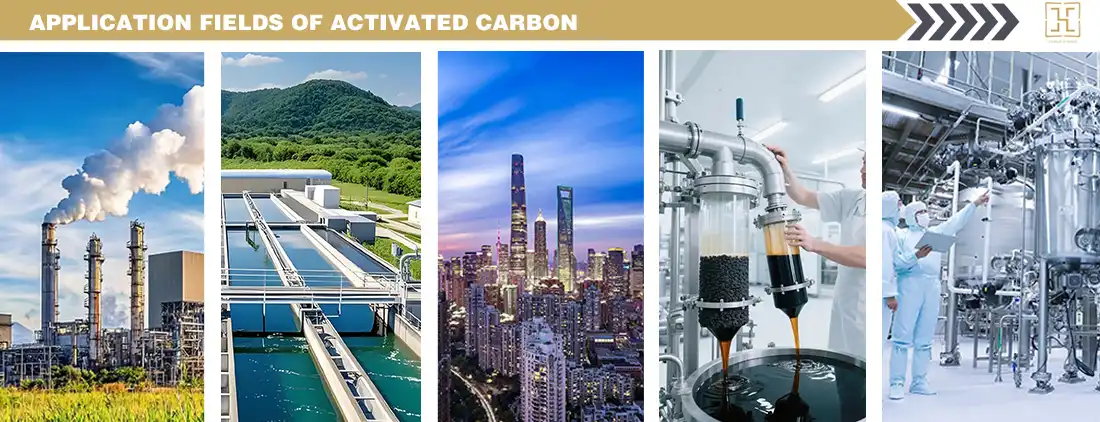
Granular and cylinder carbons made from coal are preferred by municipal water treatment plants for getting rid of chlorine, taste, and smell. A medium-sized business that processes 10 million gallons of water every day usually needs 20–30 tons of it every year. The medium particle size of 4mm pellets ensures a low pressure drop and enough contact time, which keeps flow rates steady without using too much pumping energy.
Chemical plants that deal with VOC pollution use cylinder-shaped carbons in fixed-bed adsorbers. A covering process that released 300 mg/m³ of toluene was able to remove 95% of it using 4mm coal quality cylindrical carbon media. Bed life was extended beyond 18 months by regeneration cycles. Similar petroleum-based media had to be replaced after 12 months because they broke down structurally when temperatures changed.
In the desulfurization preparation step, petrochemical companies use high-hardness carbons because hydrogen sulfide and mercaptans can damage catalysts further down the line. Coal-based pellets are strong enough to withstand fast gas streams without losing much of their mechanical strength. This means that bed permeability and adsorption rates stay the same over long campaigns.
Balancing Quality and Price
Coal-based cylinder carbons are about 10–15% cheaper than petroleum-based versions. This is because there are a lot of available raw materials and a well-established production infrastructure. This stable price is good for procurement managers who are discussing multi-year supply contracts because it helps them plan their budgets.
To understand what the seller wants, you need to look at more than just the surface area. In situations where mechanical stress is present, a carbon with 1,000 m²/g surface area but 80% hardness might not work as well as a coal-based product with 900 m²/g hardness. CTC adsorption capacity, which measures the uptake of carbon tetrachloride, is a useful performance indicator for the use. For coal-based goods, this value is usually between 50 and 80%.
Price changes in the market are affected by the cost of food, the cost of energy, and the cost of following the rules. Environmentally strict areas have higher production costs, but the goods they make are better, with less heavy metal and less leachable material, which are important for uses in drinking water.
Procurement Insights: Choosing the Right Cylindrical Carbon for Your Needs
For strategic sourcing to work, it's important to be clear on quality standards, provider skills, and logistics. Teams that know what they're doing get supplies that meet both academic and operational needs.
Quality Benchmarks and Order Minimums
Suppliers you can trust give you thorough specs on things like particle size limit (usually ±0.2 mm for 4mm pellets), moisture content (≤5%), ash content (≤5–10%), and how well the material absorbs water. When these guidelines aren't followed, system performance and safety results are hurt.
Different manufacturers have different minimum order amounts. Large makers with a wide range of products in stock can usually take orders as low as one ton, which helps test projects and system trials. Because of the costs of production batches, smaller specialty makers may need five-ton minimums. By negotiating flexible order terms at the start of a job, you can make it easier to handle more work as it comes in.
Lead times depend on how the product is customized and when it is made. Standard cylinder carbons made from coal ship within 7–15 days of being stocked. Custom formulations—adjusted for pore size distribution or loaded with catalytic components—extend lead times to 15–30 days, so project goals need to be planned ahead of time.
Supplier Certifications and Reliability
ISO 9001 approval shows that the process is consistent and that the paperwork is thorough. Suppliers who follow this standard set up group tracking, which lets them act quickly if quality problems arise. Getting ISO 14001 certification shows that you care about the environment, which is something that business sustainability programs and government procurement rules value more and more.
Third-party recommendations from industry groups, like being a member of a water quality organization or a standards development council, show that the information is technically sound. When suppliers work with research institutions like Tsinghua University or national labs, they bring new ideas that help the relationship last for a long time.
Customer references are a useful way to prove something. Asking for case studies from similar applications shows how a provider handles technical issues, keeps delivery promises, and helps with fixing after the sale. When you talk to current customers directly, you can find out things that you can't get from marketing materials alone.
Global Sourcing Considerations
Price differences between regions are caused by transportation costs, tariffs, and the supply of feedstock in each region. Asian makers, especially those in coal-rich areas like Shanxi Province, can offer low prices because they are close to raw materials and already have the infrastructure to make things. Buyers in Europe and North America have to weigh the benefits of lower unit costs against the costs of longer shipping times and possible delays at customs.
Some logistics issues to think about are how to best use containers and which freight mode to use. Depending on the bulk density, a normal 20-foot container can hold about 12 to 14 tons of cylinder-shaped carbon. For planned inventory growth, sea freight is still the most cost-effective option. On the other hand, air freight is better for emergencies, but it costs three to five times more to move.
Customs and legal compliance need to be planned ahead of time. Chemical import rules require Safety Data Sheets (SDS), Harmonized System (HS) codes, and proof of origin for activated carbons that cross international lines. When suppliers have experience with export markets, they can speed up these steps, which cuts down on clearance delays that throw off project plans.
Best Practices for Bulk Purchasing and Contract Negotiation
When demand is high, volume agreements make sure that prices are fair and that supplies are prioritized. Annual framework deals that spell out tonnage ranges, shipping dates, and price formulas give budgets peace of mind while letting changes be made every three months based on how much is being used.
Performance warranties protect buyers from products that aren't up to par. Contract terms that say refunds or replacements are due if adsorption capacity goes below specs put the risk of quality on the suppliers, which encourages them to do a good job of quality control. Including third-party testing clauses—where both sides agree on an independent lab—helps settle disagreements in a fair way for 4mm coal quality cylindrical carbon procurement.
Payment terms reflect trust and financial power. Letters of credit or advance payments are often used to start new relationships with suppliers. Once a seller has been reliable in several deals, payment terms may be lowered to net-30 or net-60, which helps buyers better control their cash flow.
How Coal-Based Cylindrical Carbon Is Manufactured and Processed
The quality of production depends on carefully choosing the raw materials, keeping an eye on the process, and following strict testing rules. Knowing the steps that go into making something helps users understand what makes it consistent and work well.
Raw Material Selection and Coal Quality Testing
As main feedstocks, anthracite and bituminous coals are chosen because they have a set carbon content of more than 70% and low sulfur levels to keep ash and other impurities to a minimum. To make sure that fuel fits output standards, suppliers do proximate analysis, which involves measuring things like moisture, volatile matter, fixed carbon, and ash.
The size of the coal particles is first screened and then crushed to make the granulometry regular. This makes sure that the heat is spread evenly during carbonization. Different particle sizes in the material cause activation to be uneven, which results in carbons with a wide range of pore sizes that don't work well in the intended uses.
Carbonization and Shaping Processes
Carbonization happens in rotating kilns or vertical retorts with controlled air levels and temperatures between 400°C and 800°C. This step of pyrolysis gets rid of volatile chemicals, leaving behind a char structure that is high in carbon. Temperature ramps and rest times control the start of pores and the stabilization of the structure.
After carbonization, the char is mixed with binders and pushed through cylinder-shaped dies. To keep a 4mm ±0.2mm tolerance on the thickness of the pellets, the die tools must be measured, and the extrusion pressure must be controlled. Because of the uneven sizes of the pellets, the bed isn't flat, and contaminants don't have as much time to touch the surface.
Activation develops porosity through exposure to oxidizing gases like steam or carbon dioxide at 800–1,000°C. This step specifically gasifies carbon atoms, which makes the holes bigger and the surface area bigger. The balance between micropores (which absorb small molecules) and mesopores (which help bigger contaminants spread) is set by the length of the process and the rate of gas flow. Over-activation damages the structure of the pellet, and under-activation limits its ability to hold stuff.
Quality Control Protocols and Certification Standards
In-process testing keeps an eye on important factors at every stage of production. Before going into carbonization, batches of raw materials are analyzed for fixed carbon and ash. To make sure that the pyrolysis is complete, samples of char that have been carbonized are checked for flammable content.
Particle size distribution (using sieve analysis), hardness (using ball-pan or breaking strength tests), moisture content (drying and weighing), and adsorption performance (iodine number and CTC capacity) are some of the things that are tested on finished products. Each output lot comes with a Certificate of Analysis that proves it meets the requirements for 4mm coal quality cylindrical carbon.
According to ISO 9001 rules, work directions must be written down, instruments must be adjusted, and nonconformances must be tracked. Batch tracking connects the source of produced goods to the source of raw materials, which lets you find the root cause of quality problems. This methodical approach is what makes the steady performance that buyers expect from well-known brands possible.
Innovations in Environmental Impact Reduction
Modern factories use pollution control technologies like scrubbers and electrostatic precipitators to collect acidic and particulate gases from the waste streams of carbonization and activation. These methods cut pollutants into the air by more than 90%, which meets stricter rules about air quality.
Waste heat recovery uses the heat from kilns and activation furnaces to make steam that can be used to heat processes or make power. Facilities that use combined heat and power (CHP) systems save more than 70% of the energy they use. This lowers production costs and lowers the amount of greenhouse gases they release.
Circular economy projects encourage reusing and regenerating used carbon. Thermal recycling brings back the binding capacity, which makes the product last three to five times longer. End-of-life carbons that can't be used again are used to make building materials or earth amendments. This keeps trash out of dumps and closes the material loop.
Strategic Considerations: Making the Decision Between Coal-Based and Alternative Cylindrical Carbon Types
To choose the best adsorbent, you have to balance goals for performance, cost, supply stability, and ecology. Procurement managers can make sense of all this information with the help of an organized decision strategy.
Advantages and Limitations of Coal-Based Options
Because they are made from coal, cylinder carbons are cheap, last a long time, and work well in both gas and liquid phases. Their well-established production system makes sure that prices stay stable and supplies are always available, even when industry demand is high. The even hole structure can handle different types of contaminants without having to switch materials when process conditions change.
One problem is that it has a higher ash level than alternatives made from biomass, so it needs to be pre-screened before it can be used in very pure uses like pharmaceutical-grade water. People sometimes think that renewable feedstocks are better, which makes buyers weigh practical performance against the company's sustainability message regarding 4mm coal quality cylindrical carbon.
Long-Term Supply Stability and Supplier Relationships
Long-term material supply is supported by coal supplies that last for decades in areas that produce it. Suppliers with various production bases, like those in Shanxi, Ningxia, Fujian, and Xinjiang, show geographic diversity that makes it easier to handle problems in the area caused by bad weather, changes in regulations, or problems with logistics.
How strong your relationship with your suppliers is affects the quality of professional help, how quickly you can make changes, and how you are prioritized when supplies run out. By sharing application details, particle profiles, and system limitations with providers early on in the planning process, it's possible to get personalized suggestions that improve both performance and cost.
Decision Matrix for Procurement Managers and Engineers
A useful decision structure looks at materials based on a number of weighted factors, including:
• Performance needs to match the adsorption capacity and pore structure to the molecular size and concentration ranges of the contaminants. High VOC loads help keep the micro- and mesopore patterns even in carbons that come from coal.
• Mechanical needs: Systems that use thermal regeneration or high-speed gas flows need hardness levels above 90% to keep fines from forming and pressure drop increases to a minimum.
• Regulatory compliance: For drinking water uses, low leachables and verified purity are needed. This means that materials reaching AWWA or EN standards are the only ones that can be used.
• Cost limitations: Look at the total cost of ownership, which includes the price of the item, how often it needs to be replaced, the cost of renewal, and the cost of getting rid of it.
• Supply dependability: Check the supplier's inventory level, production capacity, and shipping history to make sure that the quantity of materials fits with the project schedule.
• Sustainability goals: Compare the product's lifetime emissions, green content, and end-of-life choices to the company's environmental promises and the expectations of stakeholders.
Using this matrix on coal-based 4mm pellets shows that they are good in terms of cost, mechanical durability, and supply stability. This means that they can be used in large-scale industry and municipal sites that put an emphasis on operating dependability.
Conclusion
Figuring out the difference between cylinder carbons made from coal, oil, coconut shells, and wood makes it easier to choose the right material for tough industrial uses. Adsorbents made from coal are strong, don't cost much, and provide stability that meets the needs of treating high-flow water, controlling volatile organic compounds, and cleaning up waste gas. It's helpful for procurement workers to know where base materials come from, how they're made, and the performance trade-offs that affect the total cost of ownership for 4mm coal quality cylindrical carbon. Strategic sourcing takes into account technical requirements, source certifications, logistics skills, and environmental concerns in order to find products that meet both practical and legal needs. Hiring experienced makers with a wide range of production capabilities and application knowledge is the best way to make sure that a project meets changing environmental standards.
FAQ
Why choose 4mm pellets over smaller sizes like 2mm or 3mm?
When pellets are bigger, there is less pressure drop across adsorption beds. This means that in high-flow systems, the fan uses less energy. A 4mm diameter keeps enough of the surface exposed while letting air or water pass through with little resistance. This lowers operating costs by 15–20% compared to smaller pellet sizes at the same bed levels using 4mm coal quality cylindrical carbon.
Can coal-based cylindrical carbon undergo regeneration?
Coal-based carbons that are harder than 90% can handle being heated and cooled many times at 800–900°C. By removing toxins that have been adsorbed, this method restores 70–85% of the original capacity. The mechanical strength of the pellets keeps them from breaking when they are heated and cooled. This means that regeneration can be done three to five times before the pellets need to be replaced.
How does moisture affect adsorption performance in humid environments?
High humidity fills up micropores, making them briefly less able to hold target contaminants. Coal-based carbons that have been designed with mesopore content keep working even when the relative humidity is between 50 and 70%. They do this by creating diffusion paths that can be used even when moisture is present. In critical situations, this effect can be lessened by pre-drying the input streams or choosing materials with slippery surface treatments.
Partner with Shanxi Xinhua Carbon Technology Industry Co., Ltd. for Reliable 4mm Coal Quality Cylindrical Carbon Supply
High-performance cylinder carbon is made by Shanxi Xinhua, which has 60 years of R&D experience and quality processes that are military-grade. Our 4mm coal quality cylindrical carbon pellets have a 50–80% CTC adsorption capacity, a hardness of ≥90%, and an exact size of 4mm ±0.2mm. This makes sure that they always work well in treating urban water, controlling VOCs, and cleaning industrial gas. We promise 7–15 days for normal delivery and 3 days for fast service for pressing projects. Our multiple bases can produce 45,000 tons of goods each year, and we keep all of our core products in stock at all times. Our ISO 9001, ISO 14001, and ISO 45001 standards show that we are dedicated to quality, safety at work, and protecting the environment. Get in touch with our technical team at greta@carbonxinhua.com to talk about your needs and get personalized advice from a reputable manufacturer that works with environmental engineering contractors, petrochemical facilities, and water treatment operators around the world.
References
1. Bandosz, T.J. (2006). Activated Carbon Surfaces in Environmental Remediation. New York: Elsevier Academic Press.
2. Marsh, H., & Rodríguez-Reinoso, F. (2006). Activated Carbon. Oxford: Elsevier Science Ltd.
3. ASTM International. (2020). ASTM D3467-20: Standard Test Methods for Carbon Tetrachloride Activity of Activated Carbon. West Conshohocken, PA: ASTM International.
4. American Water Works Association. (2013). AWWA B604-12: Granular Activated Carbon. Denver, CO: AWWA.
5. European Committee for Standardization. (2018). EN 12915-1:2018: Products Used for Treatment of Water Intended for Human Consumption – Granular Activated Carbon. Brussels: CEN.
6. Crini, G., & Lichtfouse, E. (2019). Sustainable Agriculture Reviews 38: Green Adsorbents for Pollutant Removal. Cham: Springer Nature Switzerland AG.

Send Inquiry
You may like
_1781662034490.webp)