_1778553121707.webp)
What Is the Difference Between 2mm Cylindrical Carbon and Granular Carbon?
Jun 27, 2026
Knowing the main differences between 2mm coal quality cylindrical carbon and granular carbon is very important when choosing activated carbon for industrial cleaning systems. The 2mm coal quality cylindrical carbon has an exact extruded shape with consistent measurements. It has a regular particle distribution and great mechanical strength that keeps it from breaking when it's being handled or washed backwards. Granular carbon, on the other hand, has particles that aren't all the same shape and size, usually between 0.5 and 4 mm. This can change how the carbon flows and how consistently it adsorbs in your treatment systems.
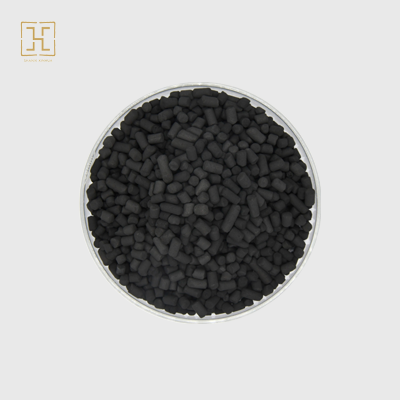
Understanding 2mm Cylindrical Carbon and Granular Carbon
The process of making these two types of carbon sets them apart in important ways. 2mm coal quality cylindrical carbon is made by crushing coal-based raw materials, mixing them with binders, and then forcing them through precise dies. The materials are then carbonized at controlled temperatures and turned on. This method creates particles with a consistent shape and known performance traits.
The process of making granular carbon is easier. The raw materials are broken up, screened to make sure they are in the right size range, carbonized, and activated. The uneven particle forms come from mechanically crushing the materials instead of precisely shaping them, which makes each production batch have a different set of pores.
Physical Characteristics Comparison
The changes in structure have a direct effect on how well the operations run. The outside diameters of 2mm coal quality cylindrical carbon versions stay the same, and the length-to-diameter ratios are fixed, usually between 1:1 and 3:1. This evenness keeps pressure drops to a minimum in fixed-bed adsorbers and lets you plan flow patterns across all of your filtering equipment.
Even within certain mesh ranges, granular forms have wider size distributions. Surface area can be anywhere from 800 to 1200 m³/g, based on the amount of activation. 2mm coal quality cylindrical carbon goods, on the other hand, tend to have stricter surface area requirements between 900 and 1100 m³/g.
Quality Standards and Manufacturing Control
Our 2mm coal quality cylindrical carbon has tight size limits of ±0.1 mm, which means it can be used with medium-sized adsorption towers without the need to change the equipment. The casting process makes particles that are hard to wear down (hardness values above 90%). This keeps dust from forming during operation and extends the time between service breaks.
Specifications for granular carbon focus on mesh size ranges instead of exact measurements. This variation is useful in many situations, but it can make system design harder when exact hydraulic estimates are needed. It's possible for the uneven shape to cause channeling in packed beds, which makes it harder for toxins and adsorbent surfaces to make contact with each other.
Performance Comparison of 2mm Cylindrical Carbon vs Granular Carbon
For industrial filtration to work, it needs to work the same way even when the amount of contaminants changes. The CTC number for 2mm coal quality cylindrical carbon is between 50% and 80%, and its mass density is between 450 and 530 g/L. These requirements allow for the efficient treatment of wastewater with COD levels between 500 and 1000 mg/L and VOC emissions between 200 and 500 mg/m³.
The regular particle shape helps the flow of fluids spread out evenly, making the best use of the available pore space. When dealing with medium to high concentration waste streams, replacement processes will be about 30% longer than with normal granular options. This longer service life immediately leads to lower operating costs and fewer breaks in production for changing cartridges.
Durability and Mechanical Strength
During renewal rounds and backwashing operations, abrasion resistance is very important. 2mm coal quality cylindrical carbon forms can handle mechanical stress better than uneven granules, and they can keep their shape through many heat reactivation methods. When you extrude, you make a solid bond that keeps particles from breaking down, which could cause pressure to build up and the system to fail early.
Granular goods work well in situations with little movement, but they might make fines in rough hydraulic conditions. These tiny particles can move through support screens and contaminate treated sewage, which means it needs more filtering further downstream.
Economic Considerations
Granular carbon often seems to have a lower price per ton at first, but a lifetime study shows that it has different economics. Because 2mm coal quality cylindrical carbon lasts longer, it doesn't need to be replaced as often, which saves money on work costs. The total cost of ownership often favors the 2mm coal quality cylindrical carbon choice for medium to large-scale installations when downtime is cut down and operating times are expanded.
Because 2mm coal quality cylindrical carbon goods are made to the same standards, buying them in bulk is more reliable. You can be sure when you make long-term supply deals that each package will work the same way as the ones that came before it. This dependability makes managing supplies easier and cuts down on the need for thorough quality testing when the goods come in.
How to Choose Between 2mm Cylindrical Carbon and Granular Carbon for Your Industry Needs
Different industries put more value on different success factors. Municipal water treatment plants that deal with mild levels of chlorine and organic matter usually get great results when they use granular carbon in gravity filters, where the total surface area is more important than the shape of the particles. The lower original investment works well with the limited funds of the city.
Industry-Specific Selection Criteria
Environmental engineers who work on VOC removal projects like how precise and consistent 2mm coal quality cylindrical carbon is. The regular particles pack well in vertical adsorbers, getting rid of dead zones where breaking could happen too soon. When following the rules, the removal efficiency needs to be consistent, and dimensional precision gives operators trust.
Using corrosive gases at high temperatures in petrochemical plants requires the mechanical strength that 2mm coal quality cylindrical carbon forms offer. The hardness grade above 90% makes sure that particles stay together even when they are heated, which stops bed compression that could mess up gas distribution and cause hot spots during renewal.
Certification and Quality Assurance
People who make choices about what to buy should check that the suppliers have certifications that show they consistently control quality. Check for ISO 9001 compliance to see if the manufacturing process is organized, ISO 14001 compliance to see if the company cares about the environment, and ISO 45001 compliance to see if the company follows safety rules at work. These certificates show that the company is an adult, which means that they can reliably deliver products.
Sample tests before mass orders let you check the particle size distribution, hardness, ash content, and ability to absorb water. Ask for sheets with information about the iodine number, the CTC value, the binding of methylene blue, and the mass density. To get the best results, these specs should match the factors used to build your machine.
Matching Product Features to Application Requirements
2mm coal quality cylindrical carbon works well in small to medium-sized setups for purification equipment, like water filters for homes and small commercial scrubbers. The droplets are the right size for a normal cartridge and allow good flow without causing too much pressure drop. This style can be used in systems that pre-treat waste gases and prepare drinking water when space limits the size of the equipment.
In large cleaning systems, 2mm coal quality cylindrical carbon is often used as a pre-filter layer to catch small impurities and keep the granular activated carbon beds or membrane systems further down the line safe. This stacked method makes expensive cleaning media last longer by getting rid of large contaminants in the first stage of treatment.
Buying Guide: Procurement Essentials for 2mm Coal Quality Cylindrical Carbon and Granular Carbon
Sourcing methods have changed a lot over the years, and now digital B2B sites work with standard distributor ties. When compared to middleman suppliers, direct manufacturer ties often offer better technical help and more customization choices. When looking at possible partners, you should look at how much they can produce, how many goods they have, and how close their buildings are to yours.
Logistics and Lead Time Planning
Standard specifications usually ship within 7 to 15 days from well-known makers who keep stock in various production sites. Lead times may go up to 15 to 30 days for custom formulas that need specific iodine levels or added catalysts. To keep output from stopping, you should plan your buying cycles so that they work with your needs.
In an emergency, you need providers who can act quickly. Manufacturers that offer 24-hour express service and three-day green channel delivery are a good way to protect yourself in case your system fails, or the number of people who need care suddenly rises. Check these skills when the seller is being qualified so that you don't find out about problems during a crisis.
Pricing Dynamics and Negotiation
Prices for 2mm coal quality cylindrical carbon on the market vary depending on coal fuel costs, energy costs, and the efficiency of the activation process. Establishing framework agreements with volume commitments is a common way to obtain better pricing and ensure a stable supply. It is also advisable to request a transparent pricing structure that separates the base price from shipping, packaging, and technical support fees.
Minimum order numbers for standard goods are usually between 1 and 5 tons, but you should be able to get smaller samples to try. Larger orders may be eligible for group savings, especially if they are brought to the same place. To improve your negotiating situation, you might want to think about combining needs from different facilities.
Benefits and Future Trends of Using 2mm Cylindrical Carbon over Granular Carbon
Around the world, environmental laws are continuing to tighten standards for wastewater quality and pollution limits. The constant performance qualities of 2mm coal quality cylindrical carbon help facilities stay in line as government agencies lower the levels of contaminants that are allowed. The expected cleanup efficiency makes it easier to get permits and shows that you are doing your part to stop pollution.
As businesses are put under more pressure to cut down on waste and make goods last longer, the resource economy becomes more important. The longer longevity of 2mm coal quality cylindrical carbon forms directly addresses these issues, lowering the amount of waste that needs to be thrown away and the damage that treatment operations do to the environment. When particles can handle being reactivated more than once without breaking down too much, thermal recycling becomes more cost-effective.
Innovation in Manufacturing Technology
Recent improvements in the design of extrusion dies have made particles more regular while also lowering the amount of energy needed for production. Carbonization ovens that are controlled by computers keep exact temperature profiles, which help pores grow and absorb more. These technological advances lead to better product performance without corresponding price increases.
Material science researchers are still looking into how to change the surface of things to make them more selective for certain contaminants. 2mm coal quality cylindrical carbon versions that have been filled with catalytic metals show a lot of promise for breaking down difficult organic chemicals and turning harmful gases into harmless byproducts. You can expect specialty formulas that address new environmental problems to keep getting better.
Strategic Supplier Relationships
Competitive benefits can be gained by forming relationships with makers who can work together on technical issues. If your supplier offers application engineering support, they can help you find the best bed depth, contact time, and renewal plans for the contaminants you have. This technology link goes beyond simple purchases and includes improving processes.
Long-term supply deals keep prices stable and make sure that supplies are distributed evenly during times when the market is short on supplies. As the need for activated carbon grows in uses like energy storage, air purification, and water treatment, finding dependable sources becomes more important. Potential partners should be judged on how well they can do research, how much they want to improve things all the time, and how scalable their production is.
Conclusion
Which type of 2mm coal quality cylindrical carbon or granular carbon to use relies on your unique needs, the type of contaminants you have, and how your equipment is set up. When accuracy is important, 2mm coal quality cylindrical carbon forms are worth the extra cost because they are more uniform, stronger, and work more reliably. Granular choices are still a good value for money for less difficult tasks where particle form doesn't have a big effect on treatment results. Knowing these differences will help you make smart purchases that will improve both performance and cost across all of your cleaning systems.
FAQ
How does particle shape affect filtration system design?
Engineers can get more accurate estimates of pressure drop and contact time when they use uniform 2mm coal quality cylindrical carbon particles to make packed beds with consistent empty spaces. Granular forms that aren't normal cause flow patterns that change, so safety factors need to be built into the system's size. 2mm coal quality cylindrical carbon's precise dimensions make it easier to specify tools and make sure that performance fits what was planned in the design.
Can I mix cylindrical and granular carbon in the same system?
Using different types of carbon in layered bed configurations can improve both efficiency and cost-effectiveness. Putting 2mm coal quality cylindrical carbon upstream removes large amounts of contaminants with little pressure drop, while putting granular cleaning layers downstream gives a lot of surface area for getting rid of traces. This method makes the most of the good things about each style while minimizing the bad things about them.
What testing should I conduct before committing to large orders?
Instead of carefully made samples, ask for examples that come from real production batches. Do adsorption tests on a bench using your individual gas or trash stream to make sure the removal works. To make sure the specs are met, check the toughness, mass density, and particle size distribution. These quality checks keep expensive shocks from happening after the bulk arrival.
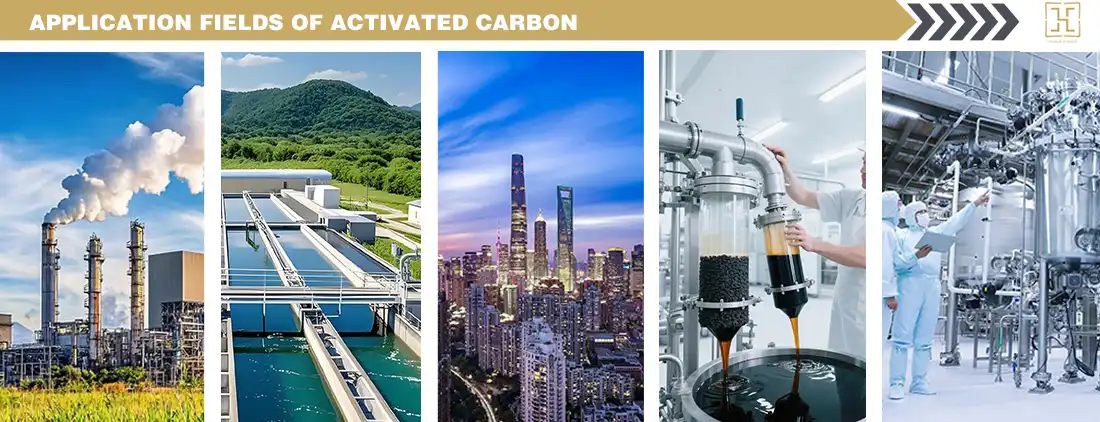
Partner With Shanxi Xinhua Carbon Technology Industry Co., Ltd. for Superior Activated Carbon Solutions
Our sixty years of study experience in making activated carbon directly translates into goods that solve your most difficult cleaning problems. As a top producer of 2mm coal quality cylindrical carbon, we have production sites in four provinces that can make 45,000 tons of carbon every year. This means that you can always get what you need when you need it. Our technology stays at the top of its field thanks to our relationships with Tsinghua University and the Chinese Academy of Sciences.
Standard orders are delivered between 7 and 15 days, and we offer emergency three-day shipping for those who need it right away. Our three ISO licenses show that we are dedicated to quality, safety in the workplace, and taking care of the environment at all stages of production. Whether you need custom pore structures, loaded catalysts, or special formulations, our expert team can help with engineering from the initial specification stage all the way through ongoing operating optimization.
Get in touch with our experts at greta@carbonxinhua.com to talk about your unique application needs and get customized product suggestions based on real-world performance data.
References
1. Chen, W., & Zhang, Q. (2021). Comparative Analysis of Activated Carbon Morphologies in Industrial Water Treatment Applications. Journal of Environmental Engineering, 147(8), 04021032.
2. Liu, H., Wang, S., & Yang, P. (2020). Performance Evaluation of Cylindrical Versus Granular Activated Carbon in VOC Abatement Systems. Chemical Engineering Science, 215, 115428.
3. Rodriguez, M., & Thompson, K. (2022). Economic Assessment of Activated Carbon Lifecycle Costs in Municipal Water Treatment. Water Research, 208, 117856.
4. Tanaka, Y., Nakamura, T., & Sato, K. (2019). Mechanical Durability and Regeneration Characteristics of Extruded Activated Carbon. Carbon Materials Science, 34(3), 287-295.
5. United States Environmental Protection Agency. (2021). Technical Guidelines for Activated Carbon Selection in Air Pollution Control Systems. EPA Publication 456-R-21-003.
6. Zhou, L., Feng, X., & Wang, J. (2023). Manufacturing Innovations in Coal-Based Cylindrical Activated Carbon Production. Industrial & Engineering Chemistry Research, 62(15), 6234-6245.

Send Inquiry
You may like
_1781662034490.webp)