_1778553121707.webp)
What Industries Use Physically Activated Wood Carbon for Purification Applications?
Sep 23, 2026
Physically activated wood carbon is one of the most trusted adsorption materials in industrial purification today. Produced from wood chips or sawdust through carbonization and high-temperature steam activation (800–1000°C), this material builds a dense internal pore network without any chemical agents. The result is a high-purity adsorbent with an iodine value of 900–1,100 mg/g and ash content below 5%. Industries ranging from municipal water treatment to pharmaceutical manufacturing depend on Physical Method Wood Activated Carbon because it delivers consistent performance without the risk of chemical residues compromising end-product safety.
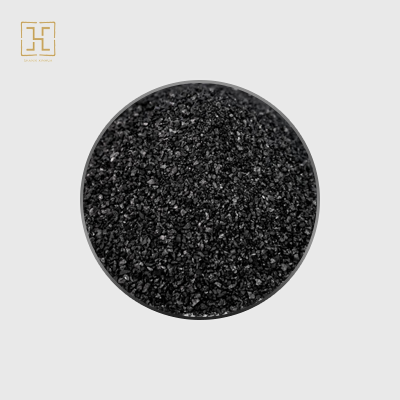
Understanding Physical Method Wood Activated Carbon
How the Activation Process Works
Two separate steps are needed to make physically activated wood carbon. First, raw wood is heated to controlled temperatures to make a char that is high in carbon. Then, steam or CO2 is added at 800–1,000°C to selectively oxidize the char. This makes the pores in the structure bigger and bigger. This method builds a strong network of mesopores and macropores that are great at capturing big organic compounds, which is something that chemical activation methods often have trouble doing regularly.
Key Technical Properties
The material has success markers that can be measured and tracked. It can hold between 900 and 1,100 mg/g of iodine and between 120 and 180 mg/g of methylene blue. The ash level stays between 3 and 5 percent, and the pH level is normal to slightly alkaline. Importantly, there is no phosphoric acid or zinc chloride present, so there is no chance of chemical contamination. Because of these qualities, it works well in applications where purity is very important, like drinking water, pharmaceuticals, and food.
Why Pore Structure Matters for Purification
Not every hole works the same. Physical activation creates a stable mesopore-to-macropore ratio that works well in situations with thick fluid, changing temperatures, or contaminants with a high molecular weight. When these things happen, synthetic materials often break. Steam-activated wood carbon is strong and doesn't wear down easily. It also helps with thermal regeneration, which lowers long-term material costs. This is helpful for procurement managers who have to balance performance with budget.
Industries Using Physically Activated Wood Carbon for Purification
The Physical Method Wood Activated Carbon isn't a product that works for everyone. Each industry expects it to do certain things. Here are the main areas that use this material and why it works so well in each one.
Water and Wastewater Treatment
Granular or powdered wood-based activated carbon is used by municipal water plants and industrial wastewater users to clean drinking water by getting rid of chlorine, taste and odor compounds, and small amounts of organic matter. The Safe Drinking Water Act of the EPA increases the need for certified adsorbents. Physically activated wood carbon meets NSF/ANSI standards without adding to the contamination. Because it has a lot of pores, it can handle high flow rates in fixed-bed systems. This makes it a good choice for high-throughput city installs.
Food, Beverage, and Pharmaceutical Purification
This substance removes the color of starch, sugar, xylitol, and MSG in food processing by getting rid of caramel pigments and biological impurities without changing the taste. It is used by the pharmaceutical industry to get rid of pyrogens and minor toxins in API production and injection-grade fluids. We follow strict ASTM and GB/T 12496 rules because we don't use any chemical activating agents. Both businesses need things to be completely pure, and physically activated carbon always meets that need.
Air, Gas, and VOC Treatment
A lot of VOC pollutants come from painting, printing, electronics, and metalworking factories. Physical Method: Wood Activated Carbon is good at absorbing toluene, benzene, xylene, and other volatile organic compounds. Because it is stable at high temperatures, it can also be used in regenerative adsorption systems, where the carbon can be desorbed and used again and again, which lowers the cost of each cleaning cycle by a large amount. For this reason, environmental engineering contractors who are in charge of EPA compliance projects often ask for wood-based activated carbon.
Petrochemical and Industrial Gas Processing
Refineries and chemical plants often operate under demanding conditions, including high temperatures, corrosive gases, and continuous processing cycles. Physical Method Wood Activated Carbon can be used in gas-cleaning columns and selected catalyst-support applications where controlled pore structure, mechanical strength, and low levels of inorganic impurities are important. When properly manufactured and tested, Physical Method Wood Activated Carbon can provide stable adsorption performance under demanding operating conditions, while controlled raw materials and activation parameters can help maintain consistent quality between production batches. For QA/QC managers responsible for continuous operations, Physical Method Wood Activated Carbon can help reduce variability when its particle size, moisture content, ash level, and adsorption characteristics are consistently controlled. Before selecting Physical Method Wood Activated Carbon for refinery or chemical-processing applications, buyers should verify supplier test data and confirm that the material has been validated for the specific gas composition, operating temperature, pressure, and process requirements.
Physical vs. Chemical Activation: Which Fits Your Industry?
Performance Differences That Matter
Chemically activated carbon usually has phosphoric acid or zinc chloride added to it to make a structure that is mostly microporous and very good at soaking up small molecules. Physical activation with steam, on the other hand, creates a wider range of pore sizes, including mesopores and macropores that work better for pigments, larger organic molecules, and liquids with a high viscosity. In fields like food processing and medicines, the pore size distribution of steam-activated wood carbon is not only better; it's also required for the job.
Environmental and Regulatory Considerations
More and more, regulations in the U.S. and Europe are pushing for production methods that leave less of an impact on the environment. Activation by physical means doesn't make any chemical waste or acid or heavy metal release. Companies that use ISO 14001 environmental management systems tend to give more weight to sellers who can show they produce in a clean way. This clearly gives physically activated wood carbon an edge when companies are making purchases based on their promises to sustainability or when the government needs to meet contract standards.
Cost and Scalability in B2B Procurement
For some types of products, chemical activation may have lower up-front costs, but physical activation usually has a lower total cost of ownership. Attrition losses are lower when the mechanical strength is higher. Thermal regenerability makes a product last longer over many rounds. When it comes to big projects that need orders in tons and long-term supply contracts, these things add up to real savings. When purchasing managers look at Physical Method Wood Activated Carbon providers, they should not only look at the unit price but also the total cost.
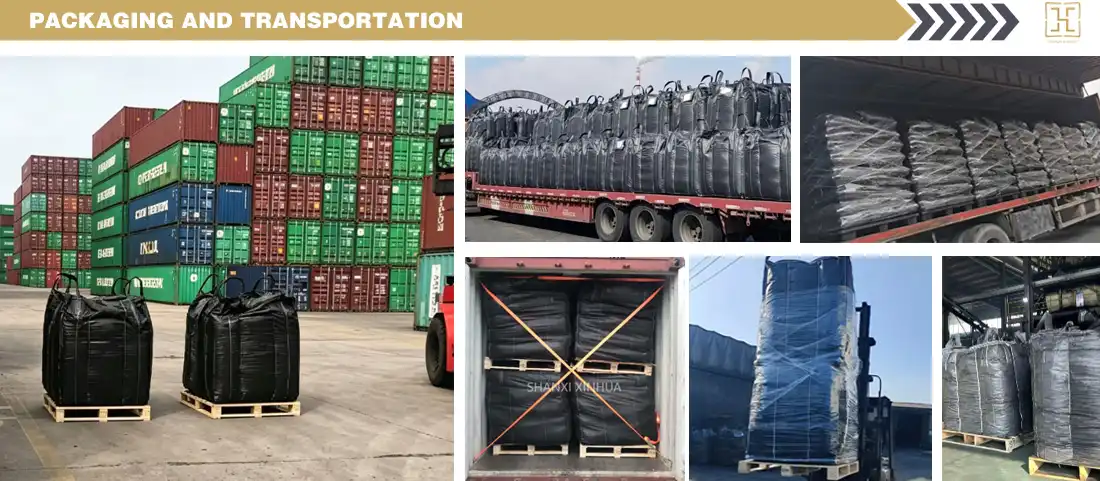
How to Source Physically Activated Wood Carbon for Industrial Needs
Evaluating Supplier Certifications and Standards
Physical Method Wood Activated Carbon sources you can trust have certifications that can be checked. For water and food-grade uses, look for certifications like ISO 9001, ISO 14001, and ISO 45001, as well as ASTM, GB/T 12496, and NSF/ANSI. When suppliers help make national standards, they show that they are more technically responsible. Before you buy in bulk, get test results from a third party that include the iodine value, the amount of ash, the pH, and a heavy metal screening.
Customization and Supply Flexibility
No off-the-shelf standards are used very often in industrial projects. A good supplier should let you change the pore structure, pick the particle size, choose how the catalyst is loaded, and offer different powder, granular, columnar, and honeycomb forms. System installers and global distributors need to be able to offer both OEM and private label products so that their products are the same in all areas. Make sure that the supplier keeps enough stock on hand to meet any emergency needs, and get written confirmation of lead times.
Verifying Long-Term Delivery Reliability
Problems in the supply chain during environmental compliance projects can lead to breaking the rules and delaying the project. Make sure that any provider you work with has more than one production base and a written plan for what to do in case of an emergency. For planned buying, standard order completion within 7–15 days is fine. For important compliance deadlines, on the other hand, a supplier that promises fast delivery within 3 days actually has the ability to do so, not just making a marketing claim.
Conclusion
Physical Method Wood Activated Carbon provides a practical adsorption option for manufacturers seeking a wood-based carbon produced through physical activation processes. Its developed pore structure and controlled adsorption characteristics can support applications in water treatment, air purification, food processing, pharmaceuticals, and petrochemical operations. Because Physical Method Wood Activated Carbon can be produced through thermal activation without chemical activating agents, it may offer advantages in applications where process simplicity and controlled material composition are important. As a renewable biomass-derived material, Physical Method Wood Activated Carbon can also support sourcing strategies that place greater emphasis on renewable raw materials and environmental considerations. For businesses evaluating Physical Method Wood Activated Carbon as a long-term process material, supplier selection remains important: buyers should verify relevant certifications, production capacity, batch consistency, and the supplier's ability to customize specifications such as particle size, moisture, and adsorption performance. With appropriate technical validation and quality control, Physical Method Wood Activated Carbon can provide consistent adsorption performance across a range of industrial applications.
FAQ
What makes physical activation better than chemical activation for food applications?
Physical activation only uses CO2 or steam, so the finished product doesn't have any acids or heavy metals left over. Chemical methods that use phosphoric acid or zinc chloride can contaminate products, so they can't be used in food or medicine. Physically activated wood carbon meets ASTM and food safety standards because chemicals are not used in the production process.
Can physically activated wood carbon be regenerated after use?
Yes. Because it is very strong and doesn't change much at high temperatures, it works well for thermal recycling, which is when heated carbon is used again. This makes the product last longer and lowers the cost of replacing parts over the lifecycle of a purification system, which is very important for procurement managers who are in charge of large-scale, continuous operations.
What particle size should I specify for water treatment systems?
Most fixed-bed water treatment columns use granular activated carbon (GAC) with a mesh size of 8 to 30 or 12 to 40. Activated carbon powder (PAC) works well for batch cleaning methods. Before you finalize the specs, make sure that your provider understands your needs for pore structure, iodine value, and ash content.
How should I store physically activated wood carbon after opening?
When the package is opened, the cloth starts to soak up moisture and smells from the air. Keep it in a cool, dry, and smell-free place in a container that can't be opened. To keep the best binding performance, use within six months of opening.
What certifications should a qualified supplier hold?
Compliance with ISO 9001, ISO 14001, and ISO 45001, as well as compliance with NSF/ANSI for water treatment and GB/T 12496 for food-grade carbon. Ask for paperwork before you buy.
Partner with Shanxi Xinhua Carbon Technology Industry Co., Ltd. for Reliable Supply
With ISO 9001, ISO 14001, and ISO 45001 certifications, Shanxi Xinhua Carbon Technology Industry Co., Ltd. has been making activated carbon for more than 60 years. As a reliable company that makes Physical Method Wood Activated Carbon, we have production bases in four provinces, keep 100% of our core products in stock, and can serve urgent orders in as little as three days. To get samples and technical information, email us at greta@carbonxinhua.com or go to xhcarbontech.com right now.
References
1. Marsh, H., & Rodríguez-Reinoso, F. Activated Carbon. Elsevier Science, 2006.
2. Bansal, R. C., & Goyal, M. Activated Carbon Adsorption. CRC Press, 2005.
3. U.S. Environmental Protection Agency. Granular Activated Carbon Treatment: Engineering Issue. EPA, 2000.
4. Dias, J. M., et al. "Waste materials for activated carbon preparation and its use in aqueous-phase treatment." Journal of Environmental Management, 2007.
5. Çeçen, F., & Aktaş, Ö. Activated Carbon for Water and Wastewater Treatment: Integration of Adsorption and Biological Treatment. Wiley-VCH, 2011.
6. American Water Works Association. Activated Carbon: Solutions for Improving Water Quality. AWWA, 2016.

Send Inquiry
You may like
_1781662034490.webp)