_1778553121707.webp)
What Industries Require KOH-Impregnated Coal-Based Activated Carbon?
Aug 18, 2026
Industries requiring advanced chemical adsorption solutions increasingly use KOH-impregnated coal-based activated carbon across environmental protection, petrochemical processing, laboratory safety, and industrial gas purification sectors. This specialized adsorbent is designed to treat acidic gas streams, including sulfur dioxide, hydrogen chloride, and chlorine gas, which conventional activated carbons may not effectively neutralize. Through potassium hydroxide modification, KOH-impregnated coal-based activated carbon provides enhanced chemisorption performance by reacting with acidic pollutants at the molecular level. The reliable reaction capability of KOH-impregnated coal-based activated carbon makes it an important material for facilities that must meet strict emission requirements and manage corrosive gas challenges. By selecting KOH-impregnated coal-based activated carbon, industrial operators can achieve more effective acidic gas removal, improved process safety, and stable long-term purification performance.
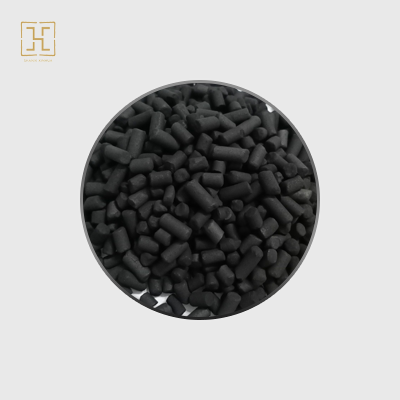
Understanding KOH-Impregnated Coal-Based Activated Carbon
This modified adsorbent is a high-tech answer that combines chemical reduction with physical adsorption. It has two functions. KOH-impregnated coal-based activated carbon is made by adding potassium hydroxide to high-quality coal- or wood-based activated carbon carriers using special impregnation methods. The porous structure gives a lot of surface area for physical adsorption, and the alkaline KOH part works chemically with acidic gases to break down certain organic pollution.
Core Technical Specifications
This material is different from other adsorbents because of how well it works. The product can have a potassium hydroxide loading of between 5% and 20%, depending on the needs of the application. It has an iodine binding value greater than 800 mg/g. The mechanical strength of carriers made from wood is at least 90% and that of carriers made from coal is at least 85%. This makes sure that KOH-impregnated coal-based activated carbon will last while being used and handled. An alkaline pH value of 11.0 to 13.0 can effectively neutralize acidic substances, and it can hold more than 150 mg/g of sulfur dioxide. The moisture level stays below 10%, and the particle sizes can be changed to 8-30 mesh, 20-40 mesh, or powder to fit the needs of each system design.
Manufacturing Process and Quality Control
Our way of making things combines decades of experience in materials science with quality systems that are strong enough for defense. We use precise impregnation techniques that make sure potassium hydroxide is spread evenly throughout the KOH-impregnated coal-based activated carbon matrix. These techniques are based on more than 60 years of research and development in activated carbon technology. Following strict testing procedures in line with ISO 9001, ISO 14001, and ISO 45001 certification standards, each production batch is made. The factories in Shanxi, Ningxia, Fujian, and Xinjiang provinces can make a total of 45,000 tons of goods every year. They use high-tech tools and standardized testing labs with specialized physicochemical analysis technicians to run them.
Industrial Sectors That Require KOH-Impregnated Coal-Based Activated Carbon
The material is very important for cleaning in many different industrial settings where working with acidic gases is hard to do legally and safely.
Environmental Protection and Exhaust Treatment
Companies that treat VOCs and integrate industrial exhaust cleaning systems use KOH-impregnated coal-based activated carbon to deal with acidic gases that are part of complex emission streams. This material's ability to absorb chemicals is used by refineries that release sulfur dioxide, chemical plants that make hydrogen chloride, and coating factories that release acidic vapors. The neutralization process stops equipment further down the line from rusting while meeting pollution limits required by environmental laws. Unlike regular activated carbons, which only temporarily soak up acidic gases, the chemical change neutralizes these pollutants for good through acid-base reactions that can't be undone.
Petrochemical and Chemical Processing
When catalytic reactions, distilling, and storage are going on, corrosive gas streams pass through refineries, chemical plants, and petroleum processing plants. The KOH-impregnated coal-based activated carbon keeps expensive machinery safe from rusting while cleaning process gases to meet the standards needed for later processes. Because it stays stable at high temperatures and high humidity, it is essential in places with a lot of steam where other adsorbents don't work as well. The material's catalytic properties help break down some organic pollutants, which makes it useful for more than just cleaning gases.
Laboratory and Research Applications
Acid digestion processes in analytical labs, chemical synthesis research at universities, and quality control testing corrosive materials all produce acidic fume hood exhaust that needs to be treated before it can be released into the air. The KOH-impregnated coal-based activated carbon scrubs effectively and compactly in fume hood ducting systems that are limited in space. This device's reliable performance and low upkeep needs make it a good choice for lab operations.
Safety Equipment and Personal Protection
This KOH-impregnated coal-based activated carbon is used as the active filter part by companies that make industrial gas masks, respirator cartridges, and emergency escape breathing equipment. Chemical warfare agents and dangerous industrial chemicals need to be protected against reliably in military and industrial safety equipment. The two-way protection that includes chemical neutralization and physical adsorption gives important safety margins during emergency exposures.
Energy and Power Generation
Flue fumes from coal-fired power plants, waste-to-energy facilities, and biomass burning processes contain acidic substances like sulfur dioxide and hydrogen chloride. After the primary flue gas desulfurization systems, the KOH-impregnated coal-based activated carbon is used as polishing media to make sure that emission limits are met, which are getting stricter over time. Because it works well in a range of temperature and humidity conditions, it keeps working even when operating needs change with the seasons.
Why KOH-Impregnated Coal-Based Activated Carbon Is Preferred in These Industries
The choice to use this specialty material has many practical and financial benefits over other options.
Superior Chemical Neutralization Performance
The alkaline impregnation changes the absorption process from a physical contact that can be undone to a chemical reaction that can't be undone. Normal activated carbons can briefly hold acidic gases by using weak van der Waals forces. This lets the gases escape when the temperature or pressure changes. The potassium hydroxide change changes acidic toxins into stable salts, which stops them from being released again and stops worries about breakthroughs. This difference in performance is very important in situations where even a short-lived leak of acidic gas could damage equipment or break emission rules.
Extended Service Life and Cost Efficiency
The initial unit cost is higher than that of regular activated carbon, but the lower total cost of ownership is due to the longer operating lifetime and higher pollution loading capacity. The KOH-impregnated coal-based activated carbon keeps taking out acidic gases long after regular adsorbents are full and need to be replaced. Facilities with continuous processes like the lower changeout frequency because it cuts down on production stops and maintenance labor costs. Our optimized production methods and strategy for getting products from within the United States give us performance that is similar to alternatives that are imported at prices that are much lower. This lower cost lets facilities choose the right protection without having to make decisions that hurt their budget.
Regulatory Compliance Assurance
Environmental laws around the world are making it harder for acidic gases to escape, and people who break the rules face harsh punishments. The trustworthy neutralization chemistry gives environmental managers the peace of mind they need to confidently certify the performance of emission control systems. When compared to relative control methods, compliance risk is lower because the KOH-impregnated coal-based activated carbon behaves predictably under different load conditions.
Customization Capability
Gas composition, temperature, humidity, and space limitations are all issues that come up in different industrial settings. Our technical team works with procurement experts, environmental engineers, and research and development experts to find the best KOH loading percentages, carrier choices, particle size distribution, and physical shape. This customization makes sure the best performance of KOH-impregnated coal-based activated carbon within the limits of a particular application, instead of compromising with off-the-shelf options. Working together with Tsinghua University, Central North University, Taiyuan University of Technology, Shanxi Institute of Coal Chemistry, and the Chinese Academy of Sciences gives us access to cutting-edge study tools and methods for characterizing materials.
How to Procure KOH-Impregnated Coal-Based Activated Carbon for Industrial Use
To strategically source specialized adsorbents, you need to evaluate suppliers in a planned way and communicate your needs clearly.
Supplier Qualification Assessment
Priority evaluation factors should include the length of time the company has been making things, the certifications of its quality management system, its ability to provide expert help, and the dependability of its supply chain. Suppliers with decades of production experience have a lot of process knowledge that newer companies can't match. Certifications like ISO 9001, ISO 14001, and ISO 45001 show that quality and safety management are done in a planned way, not just when it's needed. Being able to provide technical support for KOH-impregnated coal-based activated carbon is very important when troubleshooting applications and making them run faster.
Specification Development and Testing
For procurement to work well, there must be clear performance specifications that include the pollutants that need to be removed, the ranges of temperature and humidity that the system can work in, the amount of pressure drop that can happen, and how long it should last. Suppliers who have worked with similar applications before can suggest the right KOH-impregnated coal-based activated carbon specs and spot possible performance problems early in the design process. Procurement teams should ask for example samples to be tested in real-world working situations before committing to big orders.
Delivery Logistics and Supply Continuity
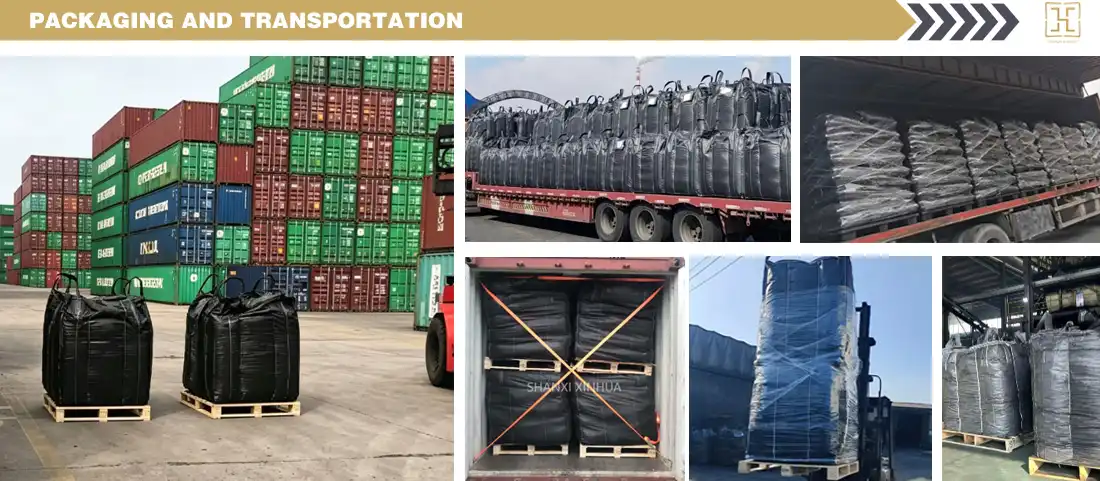
Our network of production facilities in Shanxi, Ningxia, Fujian, and Xinjiang provinces makes sure that we have all of the core KOH-impregnated coal-based activated carbon specs in stock at all times. Standard orders are delivered between 7 and 15 days, and customized formulations are sent out between 15 and 30 days after the finalization of the specifications. Because it is strategically located near major logistics hubs, it is possible to send across the country within 3–7 days through specialized fleet and logistics partnerships. Facilities with strict application dates can use the faster "green channel" delivery service to get urgent orders filled within three days.
Contract Terms and Flexibility
Knowing the minimum order quantities, payment terms, ways to change prices, and "force majeure" clauses helps procurement teams write agreements that protect the company's interests. Framework supply contracts from suppliers that set prices and delivery times make procurement easier while making sure that KOH-impregnated coal-based activated carbon materials are available for facility expansions or emergency restocking.
Future Trends and Innovations in Activated Carbon for Industrial Applications
The market for industrial adsorbents is always changing because of new discoveries in materials science and new rules and regulations.
Advanced Impregnation Technologies
Researchers looking into new ways to impregnate things are looking into different alkaline chemicals and mixed-metal formulas that might offer better selectivity or longer service life for KOH-impregnated coal-based activated carbon. Nanostructured carbons with carefully designed pore structures offer faster mass transfer and higher bulk adsorption capacities. These changes may make it possible for purification systems to be smaller and take up less valuable floor space in facilities.
Sustainability and Circular Economy Integration
Concern for the environment affects purchasing decisions in ways that go beyond the immediate performance of the application. Concerns about sustainability are addressed by manufacturers who use green energy in their factories, recycle water in a closed loop, and come up with safe ways to get rid of waste or regenerate KOH-impregnated coal-based activated carbon adsorbents. Carbon-neutral production certifications and lifecycle environmental impact assessments are likely to become standard ways to choose a supplier.
Digital Supply Chain Integration
Smart inventory management systems that include real-time tracking of usage, predictive modeling of consumption, and automatic reordering make the best use of working capital and keep you from running out of stock of KOH-impregnated coal-based activated carbon. Quality assurance technologies, such as blockchain-verified certificates and IoT-enabled shipment tracking, make the supply chain more open and easy to track. These digital tools give procurement teams insight and control that they didn't have before to optimize the total cost of ownership.
Conclusion
KOH-impregnated coal-based activated carbon solves important problems in the fields of power generation, protecting the environment, handling petrochemicals, and keeping labs safe. Its special mix of chemical reduction and physical adsorption makes it a reliable way to control acidic gases that other adsorbents can't match. To be successful in procurement, you need to work with skilled makers who can offer technical support, the ability to customize products, quality certifications, and reliable supply lines. As rules about the environment get stricter and manufacturing processes change, this special material will still be needed for compliance-driven purification tasks.
FAQ
What distinguishes KOH impregnation from standard activated carbon?
The alkaline impregnation changes the way the substance is removed from physical absorption to chemical neutralization. A normal activated carbon briefly holds pollution by reversible physical forces, while acidic gases react chemically with potassium hydroxide to make stable salts. This reaction can't be undone, so the pollutant doesn't get released again, and the service life of KOH-impregnated coal-based activated carbon is greatly increased.
How can I be sure of the quality of a product before buying a lot of it?
Ask for detailed technical datasheets that list the percentage of KOH loading, the iodine value, the mechanical strength, and the ability to absorb acidic gases. Get the necessary ISO certifications and ask for example samples of KOH-impregnated coal-based activated carbon to be sent for pilot testing in real-world settings. Reliable providers offer testing results that are specific to each batch and help with application trials.
What is the lead time for making my own formulations?
Standard product specifications say that KOH-impregnated coal-based activated carbon will ship 7–15 days after the order is confirmed. Customized formulas needing particular KOH loading percentages, particle sizes, or container choices usually take 15 to 30 days to make and test. For urgent compliance dates, the expedited service may be able to deliver within 72 hours, but this depends on how complicated the specifications are and how many orders are placed.
Partnering with a Leading KOH-Impregnated Coal-Based Activated Carbon Manufacturer
Shanxi Xinhua Carbon Technology Industry Co., Ltd. has been making activated carbon for over 60 years and supplies high-demand industrial applications all over the world. We maintain a large inventory across multiple production facilities as a specialized manufacturer and supplier of KOH-impregnated coal-based activated carbon for sale, ensuring prompt fulfillment of both standard and custom specifications. Our defense-grade quality systems, research relationships with top Chinese universities, and ISO-certified production processes all work together to make sure that we meet the strictest operating and legal requirements. If you are looking for reliable ways to control acidic gases, you can email our technical team at greta@carbonxinhua.com and ask for full KOH-impregnated coal-based activated carbon specs.
References
1. Bansal, R.C. and Goyal, M. (2005). Activated Carbon Adsorption. Taylor & Francis, Boca Raton, Florida.
2. Marsh, H. and Rodríguez-Reinoso, F. (2006). Activated Carbon. Elsevier Science, Oxford, United Kingdom.
3. United States Environmental Protection Agency. (2021). Air Pollution Control Technology Fact Sheet: Adsorption Systems. EPA Office of Air Quality Planning and Standards, Research Triangle Park, North Carolina.
4. Activated Carbon: Solutions for Improving Water Quality. (2019). American Water Works Association, Denver, Colorado.
5. Derbyshire, F., Jagtoyen, M., Andrews, R., Rao, A., Martin-Gullon, I., and Grulke, E. (2001). Carbon Materials in Environmental Applications. Chemistry and Physics of Carbon, Volume 27, Marcel Dekker, New York.
6. Bandosz, T.J. (2006). Activated Carbon Surfaces in Environmental Remediation. Interface Science and Technology Series, Volume 7, Elsevier Academic Press, Amsterdam, Netherlands.

Send Inquiry
You may like
_1781662034490.webp)