_1778553121707.webp)
What Industries Benefit from No-Wash Coal-Based Activated Carbon?
Aug 24, 2026
No-wash coal-based activated carbon serves diverse industries including water treatment facilities, petrochemical plants, air purification systems, and food processing operations. This ready-to-use adsorbent material eliminates pre-rinsing requirements, reducing operational complexity while delivering exceptional contaminant removal performance. Its ultra-low dust content and immediate deployment capability make it invaluable for municipal water plants, industrial wastewater treatment, VOCs control systems, and chemical decolorization processes where time efficiency and consistent quality directly impact production outcomes.
Introduction
When practical stresses and tight compliance dates put pressure on procurement managers, the difference between standard adsorbent materials and optimized solutions becomes very important. Traditional activated carbon goods often need long pre-washing steps that use up valuable water, take longer to start up, and make cleaning processes less consistent. It's been interesting to see how these problems get worse in big businesses where every hour of downtime costs money.
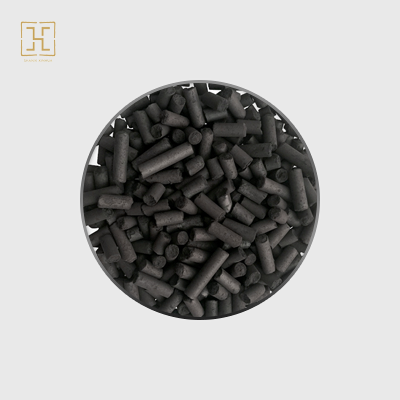
No-wash coal-based activated carbon takes care of these problems by using advanced manufacturing methods to make media that is ready to use. This special material is made from high-quality anthracite through standardized activation, exact sieving, and thorough dust removal methods. It has a very low dust content (below 0.1%), and the particles are spread out evenly. Therefore, a high-performance adsorbent is made that can be added directly to process systems without having to go through any cleaning or sedimentation steps first. This saves time, water, and equipment wear. Its well-developed microporous structure gets rid of pigments, smells, and organic impurities very well. This makes it perfect for automatic dosing systems and continuous production lines where accuracy is very important.
Understanding No-Wash Coal-Based Activated Carbon: Composition and Key Characteristics
Manufacturing Process and Differentiation
To make ready-to-use coal-based adsorbent material, first high-quality anthracite coal is chosen, and then it is carbonized under controlled conditions at temperatures above 800°C. Manufacturers add steam or carbon dioxide during activation to create the porous structure that is typical of the material. The extra polishing and dust removal step done at the factory is what makes this option different from others. This special process gets rid of the fine particles on the surface and keeps the carbon particles stable. This stops the black water flow that usually happens when regular carbon comes into contact with water. Through decades of research with universities such as Tsinghua University and the Chinese Academy of Sciences, new production methods have almost instantly lowered the initial turbidity to below 10 NTU. This is in contrast to regular materials, which may need hours of rinsing.
Critical Performance Parameters
The technical profile shows why these specifications are important to procurement teams. The material is very good at getting rid of organic compounds, with an iodine adsorption value between 600 and 800 mg/g. The mechanical integrity is also very good, with strength ratings above 85% ensuring that there is little wear and tear during transport and backwash cycles. The ash content stays below 10%, which maximizes the available adsorption volume while keeping the moisture content below 10% to avoid shipping weight increase.
The normal pH range of No-wash coal-based activated carbon from 6.0 to 10.0 demonstrates strong chemical stability during water and gas treatment applications. This balanced performance helps prevent excessive pH increases that could negatively affect sensitive downstream equipment, including ion exchange resins and reverse osmosis membranes. The high methylene blue adsorption value of No-wash coal-based activated carbon, exceeding 80 mg/g, indicates effective macropore development for capturing larger organic molecules and improving adsorption efficiency. Available mesh sizes of No-wash coal-based activated carbon can be customized from 6-12 mesh to 8-30 mesh, allowing users to select the ideal particle size according to filter vessel design, hydraulic conditions, and specific flow requirements. With its stable properties and flexible sizing options, No-wash coal-based activated carbon provides a reliable solution for treatment systems that require consistent performance and operational compatibility.
Environmental and Safety Advantages
In addition to performance metrics, the environmental profile helps procurement strategies that focus on sustainability. By getting rid of the need for pre-rinsing, facilities use hundreds of gallons less water per installation cycle. This is especially important in places with limited water supplies or when companies are in charge of multiple cleaning vessels. Heavy metal levels are still tightly controlled, with arsenic and lead levels below 0.01 ppm and 0.05 ppm, respectively. This meets the strict safety standards for drinking water set by GB 5749. Bacterial counts stay below 10 CFU/g during sterilization treatment. This eliminates worries about secondary contamination that could harm water quality in transport and storage systems.
Key Industries Leveraging No-Wash Coal-Based Activated Carbon
Water Treatment Applications
Ready-to-use absorbent materials are mostly bought by municipal water plants and companies that clean drinking water. There are strict rules about how these facilities can work, and things like turbidity limits, controlling tastes and smells, and getting rid of organic compounds directly affect public health and customer happiness. Being able to put down filtration media right away without making wastewater from rinsing operations makes it easier to report to regulators and makes treatment less complicated.
The material effectively gets rid of organic dyes, chemical residues, and odor compounds before they are released into the environment. This helps industrial wastewater treatment plants that deal with waste water from manufacturing processes. Electroplating waste liquid treatment operations value the material's ability to soak up heavy metal complexes and organic additives that make it harder to collect metals later on. The improved pore structure keeps good minerals in the water while getting rid of bad ones. This keeps the water's chemistry balanced with TDS levels between 50 and 100 mg/L, which helps equipment last longer and the process stable.
Air and Gas Purification Systems
Regulations on VOC emissions are getting stricter for painting, printing, electronics, and metalworking facilities. Activated carbon adsorption systems are a tried-and-true way to meet compliance standards, but the quality of the media directly affects how well the system removes contaminants and how long it runs. The low dust content of ready-to-use materials keeps distribution plates from getting clogged and keeps pressure drop increases to a minimum, which slows airflow and lowers the efficiency of capture.
These materials are used in vapor recovery units, process air treatment systems, and emergency relief scrubbers at petrochemical factories and chemical plants. They must be able to be activated quickly and work reliably in high-temperature and corrosive conditions. The structural stability of the material makes sure that it works the same way even when the temperature and humidity change, which is common in industrial settings. Using the material to treat flue gas at power plants is helpful because it can absorb mercury and sulfur compounds. This helps the plants meet pollution guidelines and makes equipment last longer.
Chemical and Pharmaceutical Manufacturing
In chemical production, solvent recovery systems require adsorbents that can withstand repeated heating and cooling cycles without significant loss of adsorption capacity. No-wash coal-based activated carbon provides excellent mechanical strength and controlled ash content, allowing it to maintain stable performance and long service life under demanding operating conditions. The durability of No-wash coal-based activated carbon makes it suitable for applications where adsorption media must continue working effectively through multiple regeneration cycles. Pharmaceutical manufacturers also require high-quality materials that meet strict cleanliness standards for process water treatment and intermediate purification stages. By using No-wash coal-based activated carbon, pharmaceutical and chemical facilities can reduce the risk of trace contaminants affecting product quality while supporting compliance with rigorous industry requirements. The consistent performance of No-wash coal-based activated carbon helps ensure reliable purification results in critical production environments.
Large-scale chemical decolorization processes, like organic synthesis and dye production, depend on the material's large surface area and well-designed hole distribution to get rid of color molecules and impurity molecules. Being able to add the adsorbent straight to process streams without first treating them speeds up production cycles and makes handling easier in settings with ongoing production.
Food and Beverage Processing
The quality of the water used to make food and drinks has a direct effect on how they taste, look, and last on the shelf. Ready-to-use activated carbon is used to get rid of chlorine, chloramines, organic taste and odor compounds, and color precursors in brewing, bottled water production, and beverage concentrate making. The controlled amount of heavy metals and antibacterial treatment make sure that the material doesn't introduce any contaminants. The mineral-preserving pore structure also keeps the water chemistry in a way that is good for product formulation.
The material's high absorption capacity and low dust generation make it useful in processes like sugar decolorization and edible oil refining. It keeps the product clean while effectively removing color and impurities. In these high-throughput processes, replacing media quickly without rinsing cuts down on production stops and makes the tools work better overall.
How No-Wash Coal-Based Activated Carbon Meets Industry Challenges
Operational Efficiency Improvements
Activated carbon media that is used in most systems need to be backwashed and rinsed for 30 to 60 minutes before the runoff turbidity is acceptable. During the startup phase, treated water is used up, large amounts of waste are made, and the system is not fully operational until later. With ready-to-use materials, this window for air displacement is cut down to about five minutes, which gets rid of the black water phase completely. We have records of emergency compliance projects that were fully operating in hours instead of days, which kept them from getting fined by regulators and stopping production.
The very low amount of dust keeps filters from getting clogged up in systems with more than one stage of treatment, where carbon fines can block membranes or jam ion exchange beds further down the line. This feature increases the time between maintenance visits and lowers unplanned downtime. This is especially helpful in automated dosing systems where human intervention can throw off production schedules. Wear on equipment from rough carbon dust is also cut down, which increases the life of pump seals and lowers valve loss in transfer systems.
Performance Consistency and Predictability
When the quality of the absorbent changes, it makes it harder to optimize the process and report to the government. The standard way of making things makes sure that important factors like iodine value, mesh distribution, and mechanical strength are always the same from batch to batch. When purchasing goods, teams can be sure that the materials they get from approved sellers will meet performance standards across multiple shipments and production lots.
The stable pH profile of No-wash coal-based activated carbon prevents the alkaline surge that can occur when conventional coal carbon first contacts water. This balanced behavior of No-wash coal-based activated carbon helps avoid disruptions in biological treatment processes that rely on controlled pH conditions or require additional acid dosing to maintain target ranges. The consistent chemical characteristics of No-wash coal-based activated carbon are especially valuable in potable water applications, where unexpected pH changes may contribute to the release of metals such as lead or copper from distribution systems. Each shipment of No-wash coal-based activated carbon is supplied with complete Certificates of Analysis, providing detailed information about turbidity, hardness, chemical composition, and other performance indicators. These quality documents for No-wash coal-based activated carbon support reliable procurement decisions and ensure that treatment facilities receive media that meets strict operational and quality assurance requirements.
Supply Chain Integration
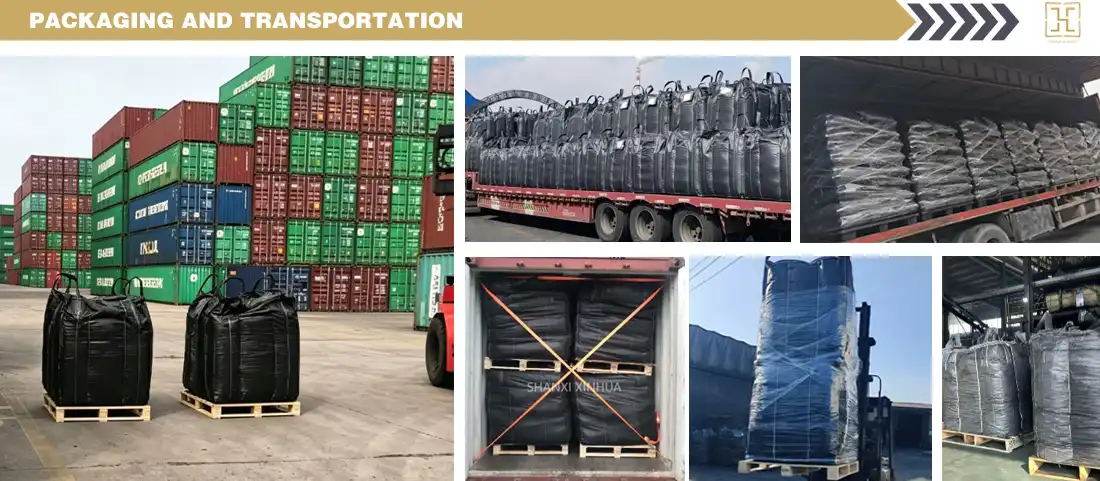
Stability in transportation is an important factor that is often overlooked when buying things. As long as the mechanical strength rating is above 85%, there will be very little particle breakage during bulk handling, shipping in containers, and pneumatic transfer operations. This durability keeps the mesh distribution the same from the manufacturer to the installation, so no fines are made that would need to be screened and thrown away in the field.
Tracking in real time through integrated transportation networks lets buyers see everything from the start of production to the end of delivery. Regional supply redundancy is made possible by having multiple production bases in key locations. Standard orders are filled within 7–15 days, and custom formulations are delivered within 15–30 days. In an emergency, the green channel offers choices for fast shipping in as little as three days. This is backed up by a maintained inventory of core product specifications that ensures 100% stock coverage for important uses.
Choosing No-Wash Coal-Based Activated Carbon: Procurement Insights
Supplier Evaluation Criteria
Assessing a seller starts with figuring out how trustworthy the certification is. Certifications like ISO 9001 for quality management, ISO 14001 for environmental management, and ISO 45001 for health and safety at work show that a business is mature and can handle processes well. Getting a drinking water product cleanliness license from a provincial health board is proof that the material meets the standards for potable water contact. Traceability and accountability are very important for industries that are regulated, and suppliers with documented quality systems provide that.
The level of technical teamwork shows how innovative a company can be. Partnerships with research centers like the Chinese Academy of Sciences, Taiyuan University of Technology, and state engineering centers show that you can get access to cutting-edge material science and keep working on new products. Suppliers with idea rights for modified activated carbon, high-surface-area formulations, and specialized adsorption materials have intellectual property that can be used to improve performance and find solutions that work best for a certain purpose.
Cost Structure Understanding
The way prices change in the activated carbon market depends on the quality of the raw materials, the complexity of the manufacturing process, and how well the goods are shipped. Premium materials cost more per unit, but they last longer and absorb more, so the total cost of ownership often goes down, even though they cost more at first. To find the effective cost-per-unit-adsorption-capacity, procurement professionals should compare performance metrics like iodine value and mechanical strength to cost-per-pound.
For normal specifications, the minimum order quantity is usually one metric ton. For customized formulations, it is usually a bigger volume. This is because of the costs of production batches and the need for quality control samples. Volume-based pricing structures reward long-term framework agreements that let suppliers see what the market wants and give buyers access to better prices and first picks when the market is tight.
Lead times can change depending on how customized the product is and how hard the processes are. Custom pore structures, loaded catalysts, or specialized surface processes need to be planned for production and quality checked over a longer period of time. Standard mesh sizes and specs can be shipped from stock within days. Clearing customs, making sure the right paperwork is in order, and coordinating multimodal transport are all parts of international shipments that are handled by skilled suppliers through well-established global logistics networks.
Quality Assurance Protocols
As part of the inspection process for new materials, turbidity tests should be done by stirring samples in distilled water and checking the NTU levels after 5 to 10 minutes. This will confirm that the product is ready to use. Sieve study using the ASTM D2862 method confirms the mesh size distribution and finds broken particles during shipping. Finding out the ash content according to ASTM D2866 makes sure that the total amount of ash stays within certain limits so that the absorption volume is maximized. Using stirring abrasion to test for abrasion resistance lets you guess how long the media will last under backwash and handling stress.
Contact pH monitoring includes checking the initial pH of the effluent to make sure it is safe for sensitive equipment and cleaning steps further down the line. According to ASTM standards, iodine number testing measures the ability of a material to adsorb organic matter, and methylene blue values measure the growth of macropores. These factors should be written down on Certificates of Analysis for each output lot. This way, quality can be checked and tracked, which helps with following the rules and running internal quality management systems.
Maximizing Value: How B2B Clients Can Integrate No-Wash Coal-Based Activated Carbon
Specification Matching to Application Requirements
Aligning the physical and chemical properties of No-wash coal-based activated carbon with specific process requirements is the first step toward successful system integration. In water treatment applications, No-wash coal-based activated carbon with iodine values above 700 mg/g is preferred for effective removal of organic compounds, while controlled ash content helps reduce the frequency of filter backwashing and improves operational efficiency. Selecting the appropriate particle size of No-wash coal-based activated carbon requires balancing pressure drop and contact time, because smaller particles provide greater surface area but may create higher hydraulic resistance. For most pressure vessel applications, No-wash coal-based activated carbon is available in particle size ranges of 8 to 30 mesh, while gravity filtration systems can utilize coarser 6 to 12 mesh materials. Proper selection of No-wash coal-based activated carbon ensures optimized adsorption performance, stable hydraulics, and long-term treatment reliability.
Implementation Case Studies
A city water treatment plant that serves 200,000 people had problems with carbon fines clogging up membrane filter units further downstream. This meant that the membranes had to be replaced too soon, which raised the cost of running the plant. When the facility switched to ready-to-use coal-based activated carbon with a confirmed dust content below 0.1%, carbon-related membrane fouling stopped happening, membrane service life increased by 40%, and yearly replacement costs dropped by about $85,000. The time it took to set up the system went from two days to four hours, which made it easier to operate during maintenance periods.
An automotive coating company that was having trouble staying in compliance with VOC emission rules added ready-to-use activated carbon to the exhaust treatment system of its paint booth. The low dust content stopped the distribution plates from getting dirty, which had caused uneven airflow and emissions to leak out during earlier carbon change-outs. Monitoring of emissions after installation confirmed that 98% of VOCs were removed effectively, meeting regulatory requirements and increasing the carbon service life by 25% through better air distribution and contact efficiency. The factory escaped fines of up to $150,000 for not following the rules and kept up with production plans without any environmental problems.
A business that makes premium bottled water wanted to improve the taste and shorten the time it takes to start up after every three months of media change. When the metallic taste that came with carbon fines was replaced with ready-to-use activated carbon with an improved pore structure and mineral-preserving properties, the time it took to prepare the media dropped from six hours to thirty minutes. The scores on the consumer taste panel went up by 15%, which helped the premium positioning of the product and cut water waste from startup purging by 12,000 gallons per year.
Future Trends and Strategic Considerations
As regulations change, they keep making emission and wastewater standards stricter around the world. This makes more high-performance absorbent materials needed. The Industrial Emissions Directive of the European Union and U.S. This trend is shown by the EPA's stricter rules on air toxics, which have led to investments in more advanced treatment technologies. The quality of the media directly impacts the ability to comply. To meet these needs, procurement strategies should build partnerships with providers who can offer performance validation data and technical help for regulatory submissions.
New developments in material science are making it possible to make specialized mixtures, such as metal-impregnated carbons for removing mercury, alkaline-treated variants for getting rid of acid gases, and bimodal pore structures that improve both the rate of adsorption and the capacity. Suppliers who put money into research relationships and keep their intellectual property portfolios up to date will keep coming up with new ideas that give early adopters a competitive edge. When you work together with expert providers, you can get access to new technologies and application-specific improvements that you can't get when you buy things in bulk.
As companies try to become carbon neutral and follow the concepts of the circular economy, sustainability issues become more important in their purchasing choices. Suppliers that offer recycling programs, regeneration services, and carbon footprint documentation help companies meet their environmental goals and may also be able to lower the total cost of ownership. Ready-to-use products help save water, which is in line with water stewardship goals. This is especially important in areas that are already short on water or at companies that have strict discharge limits.
Conclusion
Ready-to-use coal-based activated carbon, including No-wash coal-based activated carbon, provides measurable operational and economic advantages across food production, chemical processing, water treatment, and air purification industries. This specialized adsorption material reduces system preparation time, saves water resources, and simplifies regulatory compliance because No-wash coal-based activated carbon does not require pre-rinsing before use and delivers consistent performance from batch to batch. The application of No-wash coal-based activated carbon helps facilities improve efficiency by reducing installation requirements and supporting more stable treatment operations. Successful procurement of No-wash coal-based activated carbon requires evaluating supplier technical capabilities, quality management systems, and supply chain reliability rather than focusing only on unit price. Organizations that integrate No-wash coal-based activated carbon into their treatment processes can achieve higher equipment uptime, easier maintenance, more predictable performance, and improved long-term cost management.
FAQ
What distinguishes ready-to-use carbon from standard activated carbon?
The main difference is in the dust removal and surface stabilization processes that are done at the plant level. These processes stop the black water discharge that happens when regular carbon comes into touch with water. This advanced process lowers the original turbidity to below 10 NTU almost right away, while normal materials need to be rinsed for 30 to 60 minutes. Specialized manufacturing keeps the full adsorption capacity while stopping the formation of fines that clog up equipment further down the line and make system startup harder.
Can ready-to-use activated carbon be used in drinking water applications?
Of course. Food-grade anthracite with controlled heavy metals (lead below 0.05 ppm, arsenic below 0.01 ppm) and sterilization treatment keeping bacterial counts below 10 CFU/g materials meet strict potable water safety standards, such as GB 5749 requirements. Certifications from provincial health commissions show that drinking water contact material rules have been followed. These certificates are necessary for installing water systems in businesses and cities.
How long does ready-to-use activated carbon maintain effective adsorption capacity?
How long something works relies on how much contamination it has, how it is cleaned, and how it is used. In normal water treatment situations, the material works well for 12 to 18 months before it needs to be replaced or heated to make it work again. Depending on the amount of VOCs and humidity in the air, air purifiers may need to be serviced every 6 to 12 months. A high mechanical strength of more than 85% means that the capacity will be lost very little due to particle erosion during backwash cycles and handling operations. This will maximize the return on investment.
Partner with Shanxi Xinhua Carbon Technology Industry Co.,Ltd. for Advanced Adsorbent Solutions
Shanxi Xinhua Carbon Technology Industry Co.,Ltd. brings more than 60 years of experience making defense-grade activated carbon to businesses that expect the highest quality and most reliable supply. As a top manufacturer of No-wash coal-based activated carbon, we have multiple production bases that can produce a total of 45,000 tons of carbon every year. We keep 100% of our core products in stock and can deliver them within 7–15 days, or we can fulfill urgent orders in just three days through our green channel. Our work with Tsinghua University and the Chinese Academy of Sciences lets us make formulations that are exactly what you need for adsorption, from improving the pore structure to creating loaded catalysts in powder, granular, columnar, and honeycomb shapes. Our dedication to quality assurance and following the rules is shown by our ISO 9001, ISO 14001, and ISO 45001 certifications, as well as our local drinking water safety licenses. Email our technical team at greta@carbonxinhua.com to talk about the needs of your application, get performance validation data, or set up sample testing. You can find full product details at xhcarbontech.com. You can also learn how our ready-to-use activated carbon solutions can help your business run more smoothly and meet the strictest industry standards.
References
1. American Water Works Association. (2021). AWWA B604 Standard for Granular Activated Carbon. Denver: AWWA Publications.
2. Bansal, R.C., & Goyal, M. (2020). Activated Carbon Adsorption for Water and Wastewater Treatment. CRC Press.
3. Crittenden, J.C., Trussell, R.R., Hand, D.W., Howe, K.J., & Tchobanoglous, G. (2019). MWH's Water Treatment: Principles and Design (4th Edition). John Wiley & Sons.
4. Marsh, H., & Rodriguez-Reinoso, F. (2018). Activated Carbon: Production, Characterization and Applications. Elsevier Science.
5. United States Environmental Protection Agency. (2022). Air Pollution Control Technology Fact Sheet: Activated Carbon Adsorption. EPA Office of Air Quality Planning and Standards.
6. Zhang, Q.L., & Chuang, K.T. (2019). Adsorption of Organic Pollutants from Effluents of a Kraft Pulp Mill on Activated Carbon and Polymer Resin. Advances in Environmental Research, Volume 3, Issue 2, Pages 251-285.

Send Inquiry
You may like
_1781662034490.webp)