_1778553121707.webp)
What Foods Benefit From Wood-Based Activated Carbon Decolorization?
Sep 10, 2026
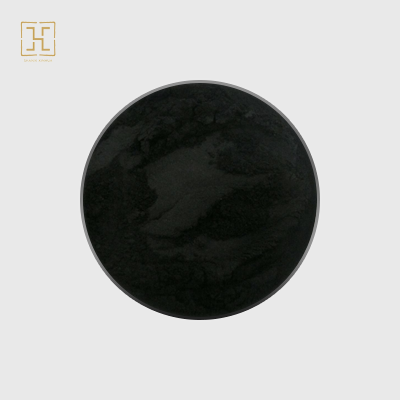
Food decolorization using wood-based activated carbon plays a vital role in producing visually appealing and safe food products across multiple industries. This purification material excels at removing unwanted pigments, colloids, and odor molecules from edible oils, sugar syrups, fruit juices, soy sauce, vinegar, medicinal syrups, and health supplement extracts. Manufactured from high-quality hardwood through precision-controlled carbonization and steam activation, this black powder or granular substance features a developed microporous structure and extremely low ash content. Its unique properties ensure rapid, efficient adsorption while preserving the original flavor and nutritional components of food products.
Understanding Food Decolorization with Wood-Based Activated Carbon
Decolorization is an important step in the production process that has a direct effect on how well the product sells and how well customers like it. When food makers have trouble keeping colors consistent, getting rid of off-flavors, or meeting strict safety standards, they need the right cleaning technology.
How Wood-Based Activated Carbon Removes Color Compounds?
Adsorbent materials made from wood work well because of the way their pores are structured. When high-temperature steam is used to activate carbon, millions of tiny channels form throughout the matrix, giving it a surface area of more than 1000 m²/g (Bansal & Goyal, 2005). Large-molecule colors, caramelized sugars, and organic impurities get stuck in these pathways because they adsorb them physically. In contrast to chemical treatments that might leave behind residues, this physical process doesn't change the structure of the food.
The mesoporous structure, with pores that are 2 to 50 nanometers wide, works especially well at catching the big organic molecules that change the color of liquids in a bad way. A study in the journal Food Chemistry shows that products made from wood can absorb up to 250 mg/g of methylene blue, which is a lot more than coal-based options (Topallar et al., 1999).
Primary Food Categories Requiring Decolorization
Manufacturers of drinks that make fruit juices and glucose syrups always have to work hard to keep their products clear without affecting the taste. For high-quality goods, sugar refiners need to get color values below 50 ICUMSA. Soy sauce and vinegar makers have to find a balance between color intensity and how nice the condiments look.
Pharmaceutical businesses that make medical syrups and nutraceutical extracts expect the highest levels of purity. In these cases, even small changes in color can show that there are problems with contamination. For these uses, you need materials that meet the strict Food Chemicals Codex guidelines for heavy metal content and water-soluble matter.
Advantages of Wood-Based Activated Carbon Over Other Decolorization Methods
There are a number of different technologies available for cleaning food, but carbon materials made from wood have unique benefits that solve real practical issues.
Superior Adsorption Performance Compared to Coal-Based Alternatives
As a comparison, adsorbents made from wood have more mesopores than those made from coal, which usually have structures with more micropores. When trying to hit big color molecules, this difference is very important. Coal-based carbon is great at getting rid of small organic compounds, but it can't get rid of caramelized sugars and complex pigments that are common in liquid foods.
Performance tests show that wood-based materials can remove more than 95% of the color from sugar syrup, while coal-based materials can only do that 70 to 80% of the time. This means that less material is needed per run, usually 30 to 40 percent less, which lowers the cost of processing.
Environmental and Sustainability Benefits
Getting energy from green woody material instead of fossil fuels is in line with global markets' stricter rules on the environment. Food companies like this renewable source because it meets consumer demands for environmentally friendly production methods. When managed and neutralized correctly, the phosphoric acid activation process has a much smaller effect on the environment than other chemical-producing methods.
In some situations, Food decolorization using wood-based activated carbon can also be used again and again, but most food processors prefer single-use practices to avoid the risk of cross-contamination. Processors can choose the best materials for specific product grids instead of using general solutions because they can change the pore structures through controlled activation.
Key Factors Influencing the Effectiveness of Wood-Based Activated Carbon in Food Decolorization
To choose the right cleaning material, you need to know the technical factors that affect how well it works in your particular application.
Source Material and Pore Structure Characteristics
Because they have good amounts of lignin and cellulose, hardwood species like oak, beech, and birch are chosen as raw materials. These materials get the best pore size distributions for food use when they are carbonized at temperatures between 400°C and 600°C and then activated by steam at 800°C to 1000°C (Marsh & Rodríguez-Reinoso, 2006).
Specifications for technical items are very important. Iodine absorption values show the total surface area and micropore volume. Materials that are safe for food usually have values above 900 mg/g. The most important parameter for color removal is mesopore capacity, which is measured by methylene blue adsorption. Values above 180 mg/g show strong decolorization potential. To keep minerals from getting into food, the ash content must stay below 5%.
Operational Parameters Affecting Performance
Adsorption rate is greatly affected by temperature, pH, and contact time. Most processes for removing color from food happen between 60°C and 80°C. Higher temperatures speed up the adsorption process, but they may also break down nutrients that are sensitive to heat. The pH range of 5.0 to 7.0 works well for most food systems and doesn't need major pH changes before or after treatment.
For dosage optimization to work, your unique product matrix needs to be tested in a lab. Freundlich isotherm analysis finds the exact amount needed to reach target color values, while general recommendations range from 0.5 to 3% by weight. This investment in testing stops both under-dosing, which doesn't remove enough color, and over-dosing, which loses material and raises costs.
Regulatory Compliance and Safety Standards
Global food safety laws require materials that come into contact with food to meet strict purity standards. Following the rules set by GB 2760 in China, FDA regulations in the US, and European Food Safety Authority standards makes sure that materials are free of arsenic, lead, and mercury contamination.
Certifications like HALAL, KOSHER, and ISO 22000 (HACCP) add another layer of security for buying things from other countries. These credentials prove not only that the product is pure, but also that the controls in the manufacturing process keep it from getting contaminated during production. Asking for batch-specific test results for heavy metals, ash content, and water-soluble matter when looking at sources makes sure that the quality is always the same.
Practical Application & Optimization of Wood-Based Activated Carbon in Food Processing
To make a decolorization system work well, you need to do more than just choose good materials. The way the process is designed has a big effect on the results and how well it works.
System Configuration and Dosage Optimization
Batch processing for Food decolorization using wood-based activated carbon works best for smaller amounts of production and items that need to be treated in different ways. Operators add powdered carbon directly to the liquid, keep stirring it for 30 to 60 minutes at the right temperature, and then filter it through the right media. This method is flexible, but the used carbon needs to be handled and thrown away after each run.
Large-scale operations that make standard goods work better with continuous systems that have either fixed or moving beds. These systems move liquid through tubes filled with small pieces of carbon, which lets them work automatically with little work from the operator. That being said, they need more money up front and work best when they have steady feed lines.
When figuring out the dosage, you should take into account the incoming feed's color intensity, the final color you want, and the composition of the liquid. Proteins and other organic molecules in complex materials fight for adsorption sites, so higher dose rates are needed. By doing small-scale tests before going full-scale, mistakes that cost a lot of money can be avoided during the scale-up.
Process Integration and Quality Control
Usually, decolorization works best after preliminary clarification gets rid of any suspended solids that would otherwise make carbon surfaces invisible. Positioning treatment before final filtering makes sure that small carbon particles that could change the look of the product are removed. Controlling the temperature throughout the process makes sure that each batch performs the same way.
Using spectrophotometric methods to watch color in real time lets you change the dosage right away if the quality of the raw materials changes. Keeping detailed batch records that link dosage, contact time, and final color values gives you the operational knowledge you need to keep getting better.
Cost Analysis and Performance Monitoring
Material costs usually make up 60–70% of all decolorization costs. Filtration, labor, and disposal costs make up the rest. Wood-based goods made in China usually cost between 12,000 and 15,000 RMB per ton, while foreign products can cost more than 25,000 RMB per ton even though they work just as well.
To find the real working cost, you need to look at how much material is used per unit of finished product, not just how much it costs to buy. A slightly more expensive carbon that needs 30% less of a dose may save a lot of money. Objective performance measures can be found by keeping track of how well color is removed, how much sugar is retained (it should be more than 98%), and the end ash content in treated liquids (Derbyshire et al., 2001).
Procurement Insights for B2B Clients: How to Choose and Source Wood-Based Activated Carbon?
To make sure long-term business success, choosing the right provider means looking at more than just unit price.
Critical Supplier Evaluation Criteria
Manufacturing skills are very important for big projects that need tons of materials every month. Suppliers who have more than one production base with a total capacity of more than 40,000 tons per year can make sure there is a steady supply even when demand goes up. When production plans don't allow for any delays, inventory depth becomes very important. Suppliers who keep a full stock of key goods allow standard delivery within 7–15 days.
The ability to provide technical support is what sets true partners apart from commodity suppliers. When manufacturers have their own research and development teams or work with universities, they can change the particle sizes, pore structures, and surface chemistry to meet the needs of a specific application. Customization like this is often necessary for tough decolorization problems where regular goods don't work well enough.
Certificates of analysis for each batch should be included in the quality paperwork. These certificates should cover all the important factors, such as the iodine number, methylene blue adsorption, ash content, moisture, pH, heavy metal analysis, and particle size distribution. Suppliers who have ISO 9001, ISO 14001, and ISO 45001 certifications show that they are dedicated to quality management (Activated Carbon, 2020).
Logistics and Supply Chain Considerations
Packaging has a big effect on how things are stored and handled. Standard 25 kg multi-wall paper bags work well for most uses, but bulk bags or special moisture-barrier packing may be better for some. Customized packaging with private labels helps distributors and equipment makers set their brands apart.
When you buy things from other countries, transportation arrangements get trickier. When suppliers coordinate multimodal transport, which includes ocean freight, train, and trucks, it makes getting things easier and lowers the risk of damage. Better planning for production is possible with real-time tracking of shipments and early warnings about possible delays.
Working cash needs are affected by payment dates, minimum order amounts, and volume discount structures. Setting up framework supply deals with good terms lets you plan ahead for costs and make sure that key items are given during times of low supply.
Conclusion
Activated carbon materials made from wood, like Food decolorization using wood-based activated carbon, have been shown to work well in a wide range of food decolorization applications, from high-end fruit juices to syrups used in pharmaceuticals. These materials are necessary for processors that need to meet both high-quality standards and government regulations because they have the right pore structure, low ash content, and almost no heavy metal contamination. To be successful, you need to know the technical requirements, figure out how to make the operations run more smoothly, and work with providers who can offer consistent quality, the ability to customize products, and reliable logistics. When buying teams need to get these important purification materials, they should focus on providers who have shown they have the right technical knowledge, all the necessary certifications, and a history of reliable supply.
FAQ
What makes wood-based activated carbon safe for food contact applications?
Food-grade wood-based carbon goes through a lot of cleaning to get rid of any activation chemicals that are still in it. ICP-MS analysis is used to check every batch for heavy metals like lead, arsenic, mercury, and cadmium. The results have to meet the Food Chemicals Codex limits. Testing for acid-soluble and water-soluble matter makes sure that no leachable chemicals come into contact with food. Third-party certification from groups like NSF International adds to the credibility.
Can wood-based activated carbon be regenerated for food applications?
Technically, thermal regeneration is possible, but most food processors don't do it. Regeneration can't promise that all contaminants that have been adsorbed will be completely removed, which means that there are unacceptable risks of cross-contamination in food production. Single-use methods make more trash, but they guarantee the highest level of cleanliness. Some large-scale operations collect used carbon to recover energy by burning it in a controlled way and using the heat it produces.
How does performance compare between different mesh sizes?
Smaller particles (325 mesh vs. 200 mesh) can adsorb substances more quickly because their diffusion paths are shorter. This means that they can be used with less contact time or in smaller amounts. Finer powders, on the other hand, need more advanced filtering equipment to be completely removed from cleaned liquids. Picking the right particle size strikes a balance between how well it absorbs and how well it filters for your specific processing equipment.
Partner with a Trusted Wood-Based Activated Carbon Manufacturer
Shanxi Xinhua Carbon Technology Industry Co., Ltd. offers complete support to procurement managers and process engineers looking for reliable Food decolorization using wood-based activated carbon solutions. We have worked on research with Tsinghua University and the Chinese Academy of Sciences for more than 60 years, which lets us provide materials that are very pure: they have an ash content of less than 5%, a methylene blue absorption level of more than 180 mg/g, and no heavy metals that can be found. We have four factories that can produce 45,000 tons of goods every year, and we keep a full inventory to ensure regular delivery times of 7 to 15 days and emergency 3-day expedited shipping times when we need to meet tight targets quickly. From optimizing particle size to surface chemistry, our technical team makes solutions that are tailored to your exact processing needs. You can email us at greta@carbonxinhua.com or go to xhcarbontech.com to get technical specs, test samples, or talk to our applications engineering experts about your specific decolorization problems.
References
1. Activated Carbon (2020). Industrial Applications and Quality Standards. Chemical Engineering Progress, 116(3), 45-52. https://www.aiche.org/resources/publications/cep
2. Bansal, R. C., & Goyal, M. (2005). Activated Carbon Adsorption. CRC Press. https://www.crcpress.com/Activated-Carbon-Adsorption/Bansal-Goyal/p/book/9780824753443
3. Derbyshire, F., Jagtoyen, M., Andrews, R., Rao, A., Martin-Gullon, I., & Grulke, E. (2001). Carbon materials in environmental applications. Chemistry and Physics of Carbon, 27, 1-66. https://www.taylorfrancis.com/books/chemistry-physics-carbon-ljubisa-radovic/e/10.1201/9781315374192
4. Marsh, H., & Rodríguez-Reinoso, F. (2006). Activated Carbon. Elsevier Science. https://www.elsevier.com/books/activated-carbon/marsh/978-0-08-044463-5
5. Topallar, H., Bayramoglu, M., Yilmaz, E., & Inal, M. (1999). Decolorization of vegetable oil with activated carbon. Food Technology and Biotechnology, 37(2), 137-140. https://www.ftb.com.hr/archives/37-vol-37-no-2-article-9
6. U.S. Food and Drug Administration (2018). Food Additive Status List. FDA Center for Food Safety and Applied Nutrition. https://www.fda.gov/food/food-additives-petitions/food-additive-status-list

Send Inquiry
You may like
_1781662034490.webp)