_1778553121707.webp)
What Are the Industrial Applications of 200-Mesh Coal Quality Powdered Carbon?
Jul 08, 2026
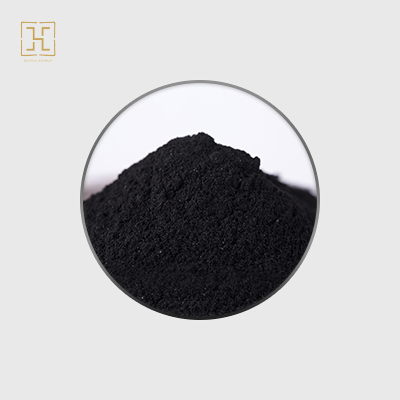
200-mesh coal quality powdered carbon is an important resource for cleaning water, making chemicals, and protecting the environment. This fine-grade activated carbon quickly absorbs toxins like colours, smells, organic substances, and leftover chlorine. The particles are about 74 microns in size. The well-developed microporous structure lets target pollutants get in touch with the material quickly. This makes it very useful for treating emergency water, getting rid of colour in papermaking wastewater, and preparing in chemical plants. Once adsorption happens, which usually takes 30 to 60 minutes, the material can be quickly separated by sedimentation or filtration. This makes it easy to add to current treatment processes.
Understanding the Properties and Composition of 200-Mesh Coal Powdered Carbon
Physical Characteristics That Drive Performance
The 200-mesh number means that the particles are all about the same size, which is about 74 micrometres. This makes the surface easy to access and the handle easy to use. The material can move quickly through liquid systems because of its size, but it still has enough mass to separate well after treatment. The well-developed micropore network has a high internal surface area, usually between 0.5 and 2 nanometres in width. Iodine number testing shows that this area can reach 700 to 1100 square meters per gram.
Compared to materials made from wood, those made with coal-based methods have much higher dynamic strength and mass. The ash level, which is kept between 8 and 20 percent, shows the minerals that are naturally found in coal while staying low enough to not get in the way of most industry processes. Moisture levels kept below 5 percent keep the material stable while it's being stored and make sure that dosing formulas are always correct when it's being used.
Chemical Composition Standards for Industrial Use
Controlled activation methods create pore shapes that are best for different types of contaminants. This helps manufacturers make sure that the performance is always the same. Mesopores, which have sizes between 2 and 50 nanometres, are great for soaking up medium-sized organic molecules that are common in industrial wastewater. Total hole space is usually between 0.4 and 0.8 cubic centimetres per gram, which means that the material can take in a lot of pollutants before it gets too full.
Comparing Mesh Sizes for Optimal Selection
When buying teams, look at different grades. It's important to know how to balance performance and cost. A 325-mesh product has particles that are about 44 micrometres smaller, which increases the surface area exposed but makes separation harder and costs more without adding much value for many common uses. The extra sharpness can sometimes cause "carbon carryover," which means that particles stay in the cleaned water and need to be filtered again, which wastes time.
On the other hand, 100-mesh materials with 149-micrometer particles are cheaper, but they take a lot longer to absorb. The rougher structure makes it harder for micropores to get to, so touch times have to be longer, which delays the end of the process. This grade is good for uses where long retention times don't affect operations, like some batch processes that use bins that stay full overnight.
The 200-mesh guideline is a good compromise because it works 2.5 times faster than granular forms while still being easy to remove with standard clearing equipment. Professionals in procurement say that this grade meets most of the needs for decolorisation and odour control in industry without having to be over-specified.
Key Industrial Applications of 200-Mesh Coal Powdered Carbon
Water and Wastewater Treatment Solutions
Powdered activated carbon is used by municipal treatment plants to deal with taste and smell problems that happen during certain times of the year, like when algae blooms or waste runoff happen. Dosages of 50 to 200 milligrams per litre are enough to get rid of the earthy geosmin and 2-methylisoborneol chemicals that cause bad tastes in water within hours. The ability to respond quickly is very helpful when the number of complaints suddenly rises, and it lets operators meet quality standards without having to install fixed equipment.
There are some problems that industrial wastewater treatment plants have to deal with, like rapid changes in the molecular oxygen demand that can be anywhere from 500 to 1000 milligrams per litre. Adding powdered carbon when things aren't working right stops discharge violations while repair teams work on the real problems. This material can be used as a preparation for biological systems in chemical and electroplating processes. It protects sensitive bacteria from harmful shock loads that would otherwise make them take weeks to recover from.
Emergency reaction situations show how useful the information is in real life. When spills pollute raw water sources or process streams, harmful substances are removed right away by adding 200-mesh coal quality powdered carbon. This is done before a full study can figure out which chemicals are involved. Taking this cautious method reduces the number of production problems and safety risks that happen during crisis management.
Decolorization in Manufacturing Processes
To keep their products consistent, beverage makers take colour bodies out of fermented drinks, fruit extracts, and sugar syrups. The material gets rid of more than 92% of colour in normal use. This makes sure that each batch is the same, which protects the brand's image. Specifications for food-grade products meet government rules for products that people will eat, and they have tight rules about any leftover contaminants that might make the product unsafe or taste bad.
Paper factories have to follow strict rules about the colour of the waste they release into the environment. Adding 200-mesh coal quality powdered carbon to treatment trains lowers chroma levels below the allowed limits. This keeps penalties from happening and allows water to be recycled. The small particle size works well in clearing systems that are already in place and doesn't require any major infrastructure changes.
Textile and dye factories deal with highly coloured waste streams that are hard to treat with normal means. By adding carbon to certain chromophores that give colours to things we can see, complex dye molecules are broken down through adsorption. This prep step speeds up the cellular breakdown that follows, which makes the whole system work better.
Chemical Processing and Catalyst Support Applications
When pharmaceutical intermediates are made, process lines with small amounts of impurities that affect the quality of the final product are created. Powdered carbon polishing steps get rid of liquids, chemicals that haven't been fully reacted, and color-forming compounds that would need more purification processes if they weren't removed. The chemical inertness of the material stops unwanted processes and lets it work reliably with a wide range of molecular structures.
Carbon is used as a catalyst support material by speciality chemical makers. It spreads active metal sites across the high-surface-area base. In addition to protecting catalytic processes, the microporous shape also lets reactants move to active sites. In high-temperature processes where structural strength must be maintained under tough conditions, materials based on coal are better at keeping their shape.
For labs doing research and development work to get reliable results from their experiments, they need adsorbents that work the same way every time. Standardised material qualities get rid of differences between test runs, which speeds up the process of developing methods and validating procedures. Smaller packing choices are better for bench-scale work because they don't require big stocking commitments.
How to Choose the Right 200-Mesh Coal Powdered Carbon for Your Industry Needs
Evaluating Technical Specifications
The first step in making a procurement choice is to fit the properties of the material to the needs of the application. The amount of iodine shows the total surface area and the growth of micropores. Values above 900 milligrams per gram show that small organic molecules have a high chance of sticking to the material. The methylene blue number gives extra details about the shape of mesopores, which is important for catching bigger toxins that are between 2 and 50 nanometres across.
The particle size distribution data show that the 200-mesh group is constant. Tight distributions make sure that settling rates and filter behaviour are reliable. On the other hand, too many fines or oversize particles are a sign of quality control problems that make performance less consistent. Asking for representative samples to be tested in jars under your specific conditions takes the guessing out of the equation and gives you factual dose-response data that you can use to make confident buying decisions.
In addition to basic adsorption ability, the ash level of 200-mesh coal quality powdered carbon affects a number of useful factors. Lower ash levels usually mean a purer carbon structure, but slightly higher levels can sometimes help with certain catalytic processes through the effects of natural trace elements. Knowing your tolerance limits will keep you from over-specifying, which will add costs you don't need.
Verifying Supplier Credentials and Quality Assurance
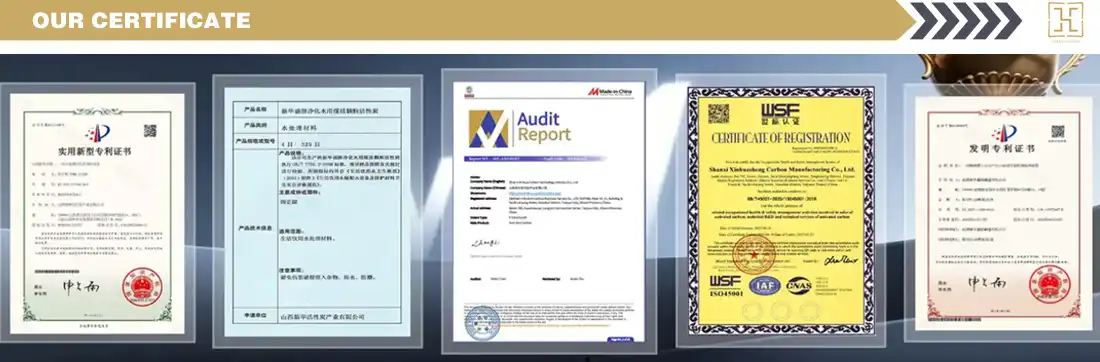
Manufacturers who have ISO 9001 approval show that they are dedicated to organised quality management. This lowers the variation between batches, which makes process control more difficult. Environmental management systems that are approved by ISO 14001 show that responsible production methods are used. This is becoming more and more important as companies report on their sustainability efforts. Occupational health certifications show that a business has met safety standards that protect workers and show that it is ready to grow.
The ability to provide technical help is what sets real partners apart from commodity sellers. When speed problems happen, having access to applications engineers who understand the problems your industry faces makes fixing easier. Companies that fund joint research with universities and institutes are able to solve more complicated problems with the help of experts who can often come up with custom solutions that off-the-shelf goods can't.
When demand goes up, or there are problems in the supply chain, supply reliability depends on how much production capacity and store quantity there is. Geographic concentration risks are lower for companies that have more than one plant in different areas. Having standard grades in stock makes it possible to ship quickly, and flexible manufacturing systems can handle unique requirements without making wait times too long.
Comparing Cost-Benefit Relationships
The price per kilogram is only one part of the total cost of ownership. It is common for lower dosing needs to lower total treatment costs when the material has better adsorption efficiency but costs a little more per unit. Figuring out the cost per unit of contamination removed is a more useful way to compare things than just looking at the buying price.
The way things are handled affects the work that needs to be done and the wear on tools. The air quality in the workplace is better when the dust content is less than 1%. This also means that less cleaning is needed. Automated feeding systems work better when materials don't get stuck or bridge, which can mess up the process.
The type of packaging affects how well 200-mesh coal quality powdered carbon can be stored and handled. Large-capacity bulk bags are better than small sacks because they reduce the cost of disposing of containers and the amount of work that needs to be done to receive them. Warehouse jams can be avoided by using palletisation standards that work with the tools you use to move things around.
Procurement and Supply Chain Insights for 200-Mesh Coal Powdered Carbon
Sourcing Strategies for Reliable Supply
Finding good sources starts with knowing where the products are made and how the raw materials are sourced. Activated carbon properties are affected by differences in the quality of coal between sources. This means that the location of the provider is important for product stability. Manufacturers that have been around for a long time show that they can stay in the market, which lowers worries about sudden supply gaps caused by businesses going out of business.
Supplier listings and business-to-business (B2B) sites online can help you find suppliers, but you still need to take extra steps to make sure they are real. If you ask for mill test results for recent production batches, you can see real quality measures instead of marketing claims. Before making big purchases, specs are checked by a third-party lab that analyses samples.
Minimum order amounts are based on the economics of making and the costs of keeping inventory on hand. By balancing order size, storing space, and usage rates, you can get the most out of your working capital and make sure you have enough safety stock. Suppliers with flexible minimums can work with smaller businesses or test programs for new uses.
Managing Lead Times and Logistics
Standard production items usually ship 7 to 15 days after an order is placed, as long as they are in stock at the factory closest to yours. Custom specs that need different activation settings or special tests make lead times 15 to 30 days longer, so project-driven purchases need to be planned ahead of time.
When choosing a mode of transportation for materials such as 200-mesh coal quality powdered carbon, speed and cost must be balanced. When shipping within the United States, truck service gives you more options. Depending on the distance, travel times can range from one day to one week. Rail travel is a cheap way to move large numbers of people between set places. Container shipping is used for foreign trade, so it's important to pay attention to the paperwork and procedures for clearing customs.
Being able to send packages quickly in an emergency protects against sudden problems with supplies. When practical needs support higher logistics costs, manufacturers with fast fulfilment routes can send out rush shipments within 72 hours. Making these plans ahead of time keeps people from having to scramble during real situations.
Price Factors and Negotiation Approaches
The prices of raw materials change based on the coal market and the cost of ignition energy. Long-term supply deals can lock in good prices during times when the market is stable, but terms that protect both parties during big changes in the market help the relationship last. Tiered pricing systems that reward loyalty and give suppliers insight into production planning are often unlocked by volume commitments.
Specifications for quality have a direct effect on the costs and prices of making things. Tightening tolerances on particle size distribution or lowering ash content takes extra steps in the processing process, which providers should be able to get back by charging more. You can avoid paying for extra accuracy by making it clear which specs are really important for your application.
Both sides' cash flow is affected by the terms of payment when trading commodities such as 200-mesh coal quality powdered carbon. Net-30 or net-60 terms from suppliers make it easier for buyers to handle their working capital, and letter-of-credit agreements protect foreign transactions. When two groups talk about their wants honestly, they can often come up with creative ideas that work for both.
Future Trends and Sustainability in 200-Mesh Coal Powdered Carbon
Production Innovations Improving Performance
More advanced activation technologies create more regular pore structures that are tuned to specific types of contaminants. Controlled atmosphere processing adjusts mesopore-to-micropore ratios, optimizing materials for target applications without increasing overall surface area. These refinements improve adsorption selectivity, reducing the amount of carbon required per unit of water treated.
Improvements to automation and process control make it possible for production runs to have narrower standard ranges. Monitoring the triggering temperature, atmosphere makeup, and stay time in real time gets rid of the variations that used to make quality assurance hard. Statistical process control methods find patterns of behaviour before materials don't meet specifications. This increases yield rates and customer satisfaction.
Regulatory Drivers Shaping Industry Practices
Activated carbon demand is going up because of stricter limits on how much garbage can be released by cities and businesses. As government agencies lower the amounts of contaminants that are allowed, traditional cleaning methods have a hard time keeping up without extra adsorption polishing. Powdered carbon offers options that can be scaled up or down and can handle phased regulation adoption without having to rebuild the whole system.
New pollutants like medicine residues, personal care items, and microplastics are getting a lot of attention from regulators around the world. As new cleaning technologies come out, activated carbon can be used as a stopgap to lower the amount of pollution in the environment. The market's need for materials that can solve these new problems gives sellers chances to make money by doing application research and product development.
Manufacturers have to keep track of the environmental impact of their whole supply lines because they have to report on sustainability. Suppliers who offer clear data on carbon footprints and lifetime studies help customers who come after them meet their reporting requirements. As business social responsibility becomes more important, third-party certifications that confirm responsible production methods become a way to stand out in the market.
Market Growth Projections and Strategic Planning
Concerns about water shortages lead to investments in treatment facilities that can clean up sources of water that were once thought to be useless. Activated carbon, including 200-mesh coal quality powdered carbon, is an important part of these advanced treatment trains because it gets rid of taste, smell, and chemical problems that make the food unsafe to eat. In the coming decades, this demand trend will get stronger as populations grow in areas that already have a lot of water problems.
Trends toward intensifying industrial processes raise the levels of contaminants in waste streams, which are too high for normal cleanup methods to handle. Carbon adsorption is a cheaper option than replacing all of your equipment, so it can be used to make improvements to buildings that are already there. If procurement workers know about these needs ahead of time, they can build relationships with suppliers before they become urgent, which will help them avoid paying higher prices during reactive buying.
Activated carbon is being looked at as an electrode material in supercapacitors and other energy storage devices. Even though these technologies are still new compared to standard ones, they could greatly change the way people buy things. Strategic planners can find early-stage chances before markets grow by keeping an eye on these changes.
Conclusion
In conclusion, 200-mesh coal quality powdered carbon meets important industry needs in chemical processes, water treatment, and environmental compliance. Its fast adsorption rates, well-developed microporous structure, and cost-effective particle sizes make it useful for procurement workers who have to deal with complicated business needs. By knowing about technical specs, provider abilities, and how the market works, you can make smart choices that balance performance needs with price limits. As environmental concerns rise and government rules get stricter, it becomes more important to have smart partnerships with dependable makers. These partnerships help make sure that you can always get high-quality materials that help your business succeed in the long run.
FAQ
Why choose this mesh size over finer alternatives?
The 200-mesh grade is the best compromise between how quickly it absorbs liquids and how easily it can be handled. 325-mesh goods have a little more surface area exposed, but they make it harder to separate things through sedimentation and filtering, and they can sometimes let carbon into the finished water. The coarser 200-mesh standard sets more firmly, making filtration equipment less busy while removing contaminants 2.5 times faster than granular forms. This gets rid of the need for over-engineering, which saves money without lowering performance for most decolorisation and odour control needs in industry. The middling particle size also makes less dust when it is handled, which is better for safety and the quality of the air in the workplace compared to ultra-fine grades.
How do I verify product quality before bulk purchasing?
Reliable providers give mill test results that show the amount of iodine, ash, moisture, and particle size distribution for each production batch. Ask for example samples and test the jars in your specific water chemistry conditions to see how well they remove colour, how they settle, and how much you need to use. Analysis by a third-party laboratory proves the specs, regardless of what the supplier says. ISO approvals and industry standard compliance paperwork show that a quality management system is mature. This lowers the risks of batch-to-batch unpredictability, which makes process control harder when the system is being used in production.
Partner with Shanxi Xinhua Carbon Technology Industry Co., Ltd. for Your Activated Carbon Needs
Please work with Shanxi Xinhua Carbon Technology Industry Co., Ltd. to get the 200-mesh coal quality powdered carbon you need. If you need help with your most difficult water treatment or industrial cleaning needs, Shanxi Xinhua Carbon Technology Industry Co., Ltd. has been working with activated carbon for more than 60 years. We can provide customizable iodine levels from 700 to 1100 milligrams per gram. Our defense-grade quality systems were created through decades of study and cooperation with Tsinghua University and the Chinese Academy of Sciences. With the ability to produce 45,000 tonnes of goods each year across various sites, we keep all of our inventory on hand and can ship normal orders within 7 to 15 days. Through our logistics partnerships, we can even ship urgent orders in as little as 3 days. Our ISO 9001, ISO 14001, and ISO 45001 certifications make sure that the quality of our products always meets international standards for uses like treating city wastewater, making drinks, and handling chemicals. Our expert team offers application engineering support that is tailored to your particular needs, whether you need quick help with an emergency contamination event or long-term supply contracts with specific requirements. Get in touch with us right away at greta@carbonxinhua.com to request samples, talk about your specific purification problems, and find out how our tried-and-true materials can help improve process efficiency and comply with regulations.
References
1. Chen, W., & Zhang, L. (2021). Activated Carbon Technologies for Water and Wastewater Treatment: Fundamentals and Applications. Chemical Industry Press.
2. International Water Association. (2020). Powdered Activated Carbon in Drinking Water Treatment: Current Practice and Emerging Applications. IWA Publishing.
3. Marsh, H., & Rodríguez-Reinoso, F. (2022). Activated Carbon: Structure, Characterization, and Applications in Environmental Protection. Elsevier Science.
4. National Institute of Environmental Research. (2019). Technical Guidelines for Activated Carbon Selection in Industrial Wastewater Treatment Systems. Environmental Protection Research Series.
5. Bandosz, T. J., & Ania, C. O. (2023). Surface Chemistry of Activated Carbons and Its Characterization Methods in Pollution Control. Interface Science and Technology, Volume 32.
6. U.S. Environmental Protection Agency. (2021). Drinking Water Treatment Technology Comparisons: Activated Carbon Systems Performance Data. EPA Water Treatment Technology Report Series.

Send Inquiry
You may like
_1781662034490.webp)