_1778553121707.webp)
What are the benefits of 20*50 mesh coal-based crushing carbon?
Jul 24, 2026
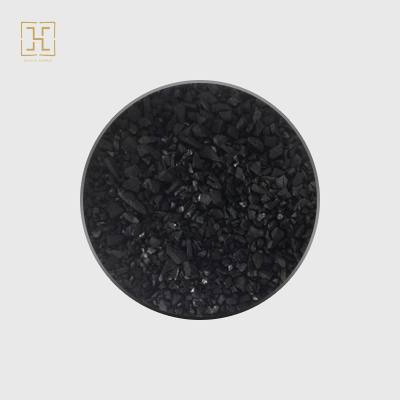
With its fine particle distribution (0.3–0.85 mm), large specific surface area, and well-developed micropores, the 20*50 mesh coal quality crushing carbon offers exceptional benefits for precision filter systems. Through very fast adsorption kinetics, this activated carbon quickly pulls out small amounts of dangerous substances from water and air. This makes it perfect for fine cleaning, liquid-phase decolorisation, pharmaceutical water treatment, and advanced industrial uses. It has more than 65% micropores, which makes it better at getting rid of small-molecule contaminants, VOCs, dyes, odours, and trace heavy metals. It also has a mechanical strength above 90%, so it can be used over and over again in tough conditions.
Understanding 20×50 Mesh Particle Distribution and Industrial Relevance
What Does 20×50 Mesh Mean?
The number of holes in a sieve per linear inch is shown by the mesh number. There are 20 holes in an inch in a 20 mesh screen, so particles smaller than 0.85 mm can pass through. A 50 mesh screen has 50 holes per inch and can hold particles bigger than 0.3 mm. When we talk about 20*50 mesh coal quality crushing carbon, we're talking about activated carbon particles that are exactly this big, between 0.3 and 0.85 mm. This careful sizing makes a balance between the surface area on the outside and the structure of the pores on the inside, which is important for consistent flow dynamics for environmental engineers and procurement managers.
Why Particle Size Precision Matters
Common practical headaches can be avoided by distributing particles evenly. Too-big particles make it harder for contaminants to stick to them, and too small fines clog filtering systems and let contaminants get through the filter beds. The tightly controlled 20*50 mesh coal quality crushing carbon specification makes sure that your treatment systems work at the flow rates that were planned, without pressure drops or breakthroughs that were not expected. This dependability is very important when your facility has to follow strict discharge limits or when making medicines that need consistency from batch to batch.
Carbon Quality Indicators
In addition to particle size, the quality of carbon depends on how the pores develop, how hard it is to work with, and how pure the chemicals are. The briquetting and activation process makes a structure with lots of micropores that is designed to get rid of trace contaminants. With iodine numbers between 800 and 1100 mg/g, this substance has a measurable ability to absorb. A low ash level (usually 8% or less) keeps minerals from leaching into cleaned streams, which protects delicate processes and keeps equipment from getting clogged.
Key Benefits of 20×50 Mesh Coal-Based Crushing Carbon
Rapid Adsorption Kinetics
The small size of the particles makes diffusion paths much shorter. When dirty petrol or water comes in touch with the carbon bed, molecules get to active adsorption sites much faster than in minutes. When compared to coarser carbons, this speed benefit allows smaller treatment vessels, faster contact times, and higher throughput rates. This responsiveness is especially helpful for operations that deal with batch processes or changing loads of contaminants.
Enhanced Small-Molecule Removal
Granular carbons that are used as standard don't always work well when trying to remove compounds like chloroform, trihalomethanes, light organics, and pyrogens. 20*50 mesh coal quality crushing carbon's micropore-dominant structure is great at trapping these tricky molecules. Getting rid of tiny amounts (measured in parts per billion) is often necessary to meet environmental standards. This is where micropore access becomes a problem. Meeting governmental standards for drinking water, pharmaceutical water systems, and chip manufacturing is a direct result of this ability.
Equipment Longevity and Maintenance Reduction
Low abrasion traits (usually less than 2%) lower the amount of dust that is made during activities like handling, filling, and backwashing. Less dust means cleaner work areas, less filter element fouling, and longer periods of time between media replacements. The mechanical strength of more than 90% hardness ensures that repeated backwash processes don't damage the particles. All of these things lower the total cost of ownership by making the product last longer and preventing unplanned maintenance.
Exceptional Decolorization Performance
For liquid-phase decolorisation, you need carbon that can get rid of pigments, tannins, and organics that cause colour without using too much. With very little carbon use, the high external surface area and optimised pore size distribution reduce colour in a way that can be seen. When chemical companies, beverage makers, and wastewater treatment plants use perfectly sized coal-based crushed carbon, the products are clearer, and the costs of treatment go down.
Versatility Across Treatment Applications
It works well in a wide range of conditions, including temperatures that change, different types of contaminants, and pH levels that are either acidic or alkaline. The basic adsorption mechanisms work the same way whether they are used to remove VOCs from gas streams, clean process water in fine chemical synthesis, polish ultrapure water for making electronics, or treat pharmaceutical intermediates. This flexibility makes managing goods easier for sites that make more than one thing.
Best Practices for Implementation and Quality Assurance
Proper Loading Techniques
Because the particles are so small, loading procedures need to be carefully thought out to keep carbon from moving around. Gradual introduction with controlled flow rates makes sure that the bed settles properly without any channelling or skipping. A lot of people pre-soak the 20*50 mesh coal quality crushing carbon to get rid of the air that gets mixed in, which helps the bed form evenly. At the vessel outputs, supporting screens or layers of graded gravel stop carbon from moving around during regular operation.
Flow Rate Management
The material can handle high flow rates, but it works best at certain linear flow rates, which for liquid applications are usually 5 to 15 bed volumes per hour. When you go faster than the plan speed, the bed can become fluidised or take preferential flow routes that make contact less effective. Stable hydraulic conditions are maintained throughout operating cycles by distribution systems and flow control instruments that are the right size.
Regular Performance Monitoring
Setting a baseline for adsorption performance through initial tests makes it possible to compare performance in a useful way over the service life. Checking the quality of the effluent for breakthrough indicators like rising organic concentration, colour, or smell lets you know when it's time to regenerate or replace the system. A lot of places use automatic sampling and analysis to find performance problems before they get too bad for compliance.
Regeneration Considerations
Adsorption capacity can be restored by thermal renewal, but tiny particles need to be carefully monitored at low temperatures to avoid too much oxidation. Steam reactivation works for some uses, returning 70–90% of the original capacity based on the types of contaminants that were absorbed. An economic analysis that compares the cost of new carbon to the cost of regeneration helps make replacement strategies that are best for each operational situation.
Comparative Analysis: Particle Size Impact on Performance
20 Mesh Carbon Characteristics
It is easier to work with coarser 20-mesh materials, which are made up of particles that pass through 20 mesh but stay on larger screens. Their smaller outer surface area works well in situations where touch time isn't a problem and where bigger pores help bigger molecules stick to them. These carbons are often used as guard beds or in systems with a lot of flow and little dwell time.
50 Mesh Carbon Characteristics
Finer 50-mesh materials, which are similar to powdered carbon, have the most surface area but a much higher pressure drop. They work great for batch treatment or slurry applications where mixing takes place closely, but they are hard to use in fixed-bed columns because of hydraulic resistance and the chance of bed compaction.
The 20*50 Mesh Advantage
The 2050 mesh coal quality crushing carbon range takes into account the best features of both ends. You gain a lot of surface area, which speeds up the adsorption process without putting too much pressure on the material. The particle distribution stays big enough for backwashing but small enough for micropores to work well. This balance shows why the 2050 standard is most common in uses like pharmaceutical cleaning, liquid-phase adsorption, and treating industrial water.
Strategic Procurement Guidelines for Industrial Buyers
Supplier Qualification Criteria
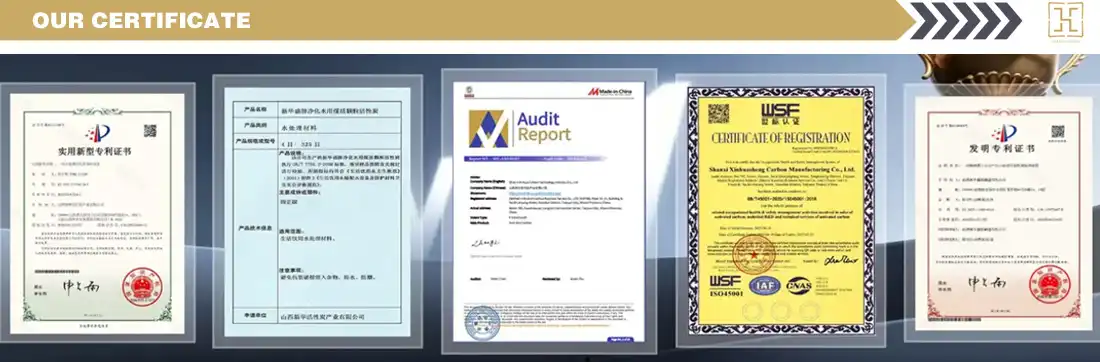
Certified testing methods show that qualified 20*50 mesh coal quality crushing carbon producers consistently produce high-quality goods. Achieving ISO 9001 quality management approval means that processes are controlled in a planned way. Other standards, like ISO 14001 for environmental management and NSF/ANSI 61 for drinking water uses, give customers peace of mind about environmental compliance and the release of contaminants. Asking for records of analysis with every package makes sure that the material given meets the agreed-upon standards for particle size distribution, iodine number, ash content, and moisture.
Technical Support and Customization Capability
Suppliers who offer technical consultation are helpful for applications that are complicated. Help with engineering during system design, help with troubleshooting when performance issues happen, and the ability to do pilot tests all add a lot of value on top of the commodity carbon supply. By changing the activation levels, surface chemistry, or packaging, customisation options make it possible to optimise for specific process needs.
Supply Chain Reliability
If suppliers can meet your delivery dates and volume needs, you can tell by looking at their production capacity, inventory depth, and logistics skills. Facilities with various production bases and regional stores can better meet pressing needs and keep business going when there are supply problems. Setting up framework agreements with clear lead times, quality standards, and pricing structures lowers the risk of procurement for important operations.
Long-Term Partnership Benefits
Building ties with well-known makers has benefits that go beyond single purchases. When a customer is a preferred customer, they usually get special treatment during times when supplies are low, get to help make new products, and have more open payment terms. Suppliers who know more about your specific uses can give you better technical advice and suggest ways to make the process better based on what they've seen work in similar setups.
Conclusion
In the fine chemical, petrochemical processing, environmental protection, and water treatment industries, the 20*50 mesh coal quality crushing carbon meets important performance standards. Its carefully managed particle distribution works with its high micropore content and fast adsorption kinetics to get rid of small molecules, VOCs, pigments, and trace impurities more effectively. Its high mechanical strength, low abrasion, and excellent decolorisation properties make it work reliably for a long time in harsh industrial conditions. Focusing on seller qualification, technical support, and supply chain reliability during strategic buying leads to greater operating success and compliance with regulations.
FAQ
What contaminants does 20*50 mesh coal-based carbon remove most effectively?
Small organic molecules like volatile organic compounds (VOCs), chlorinated hydrocarbons, phenols, pesticides, and medicine leftovers stick to 20*50 mesh coal quality crushing carbon very well. It gets rid of color-causing chemicals, odour molecules, and small amounts of heavy metals from liquid streams very well. Compounds with molecular weights below 500 Daltons that go deep into the carbon's internal surface area can be easily removed thanks to the micropore-rich structure.
How does briquetting improve performance compared to direct-crushed carbon?
By mixing finely ground coal with a binder and pressing it under high pressure before carbonisation and activation, the briquetting process makes the pores more evenly distributed and the material much stronger. This stops the early fragmentation that leads to media loss and "black water" discolouration. The result is a hardness of more than 95%, which lets the system be backwashed many times without breaking down. This increases service life and lowers running costs.
What testing standards verify product quality?
The ASTM D2862 test measures particle size distribution, the ASTM D4607 test measures iodine number (micropore capacity), the ASTM D3802 test measures ball pan hardness, and the methylene blue adsorption test measures mesopores. Other factors like ash content, moisture, and pH are also tested according to ASTM or similar international standards. This makes sure that the quality meets all the requirements for procurement.
Partner With Shanxi Xinhua Carbon Technology Industry Co., Ltd. for Superior Filtration Solutions
As a reputable 20*50 mesh coal quality crushing carbon maker, Shanxi Xinhua Carbon Technology Industry Co., Ltd. has more than 60 years of research and development experience and more than 20 years of industrial-scale production experience. Our defense-grade quality systems and partnerships with Tsinghua University and the Chinese Academy of Sciences make sure that our products work well in the most difficult purification tasks. We offer activated carbon that is certified by ISO 9001, ISO 14001, and ISO 45001 and has more than 65% micropore content, iodine numbers of 800–1100 mg/g, and mechanical strength greater than 90%.
Our production bases across the country keep a large inventory, which lets us offer normal delivery times of 7–15 days and faster 3-day green channel service for jobs that need to be done quickly. We offer fully customised solutions for pore structure, surface area, and product shapes, along with full technical data and help from application engineers. You can talk to our experts about your specific filtration needs by emailing greta@carbonxinhua.com. You can also ask for product samples with certified test reports or look into OEM partnerships. Find out how our precisely engineered activated carbon solutions improve the performance of water treatment, VOC control, and liquid-phase purification in petrochemical, pharmaceutical, and environmental protection settings.
References
1. Chen, Y., & Wang, J. (2021). Activated Carbon: Fundamentals, Classification and Properties. Chemical Industry Press.
2. Liu, H., Zhang, M., & Zhao, T. (2020). "Optimization of Coal-Based Activated Carbon for Water Treatment Applications." Journal of Environmental Chemical Engineering, 8(4), 103891.
3. Smith, R.D., & Thompson, K.L. (2019). Industrial Adsorption Technology: Design and Operation of Fixed-Bed Systems. Wiley Publishing.
4. Zhang, Q., Li, W., & Sun, C. (2022). "Micropore Development in Coal-Based Activated Carbon Through Briquetting and Steam Activation." Carbon Science and Technology, 45(2), 112-120.
5. American Water Works Association (2018). AWWA B604: Granular Activated Carbon Standard. AWWA Publications.
6. European Commission Joint Research Centre (2020). Best Available Techniques for Activated Carbon Production and Application in Industrial Processes. EU Publications Office.

Send Inquiry
You may like
_1781662034490.webp)