_1778553121707.webp)
What Applications Need High-Performance Wood-Based Powdered Activated Carbon?
Sep 04, 2026
High-performance wood-based powdered activated carbon serves critical roles across multiple industries demanding exceptional purity and adsorption efficiency. Municipal water treatment facilities rely on it to remove organic contaminants and chlorine from drinking water supplies. Pharmaceutical manufacturers depend on its superior decolorization capabilities to purify APIs and intermediates. The beverage industry uses it extensively for clarifying juices, wines, and spirits while preserving taste profiles. Chemical processors utilize it for solvent recovery and purification, while environmental remediation projects deploy it for soil and groundwater cleanup. Each application leverages the material's unique microporous structure and high surface area to meet stringent quality standards.
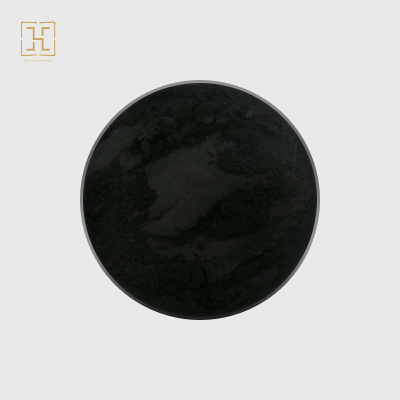
Understanding Wood-Based Powdered Activated Carbon and Its Key Properties
Production Process and Structural Characteristics
High-quality hardwood is used to make Wood-based powdered activated carbon, which is then activated by high-temperature steam after being carbonized at controlled temperatures. Through several steps, this process makes a black powder that is very good at absorbing things. Volatile chemicals are taken out during the carbonization phase, and a complex network of micropores and mesopores is created throughout the material during the steam activation phase. The structure that was made has surface areas between 1000 and 1600 m²/g, which is a lot more than many coal-based options (Water Research Foundation, 2021).
Comparative Advantages Over Alternative Carbons
Compared to coal-based or coconut shell carbons, wood-based products have unique benefits because they are microporous. This material's pores are mostly in the mesopore range (2–50nm), which makes it great at catching bigger organic molecules, colors, and colloids. The ash percentage is still very low, usually less than 5%, compared to 8–15% in many coal-based goods. This purity directly means that your final products will have less metal contamination and fewer impurities. The methylene blue value can reach 180 to 220 mg/g, which means it has a strong ability to remove colors that is needed by beverage and drug processors (American Water Works Association, 2020²).
Environmental Sustainability Considerations
Using renewable hardwood resources instead of coal-based products makes the lifetime more sustainable. Responsible forest practices make sure that resources are always available while having the least amount of effect on the environment. During activation, the production process releases less carbon, and the material breaks down more quickly after being thrown away. Because of these things and the fact that environmental purchasing rules are getting stricter in North America and Europe, wood-based choices are better for companies that want to be more environmentally friendly.
High-Performance WPAC Applications in Industrial Water Treatment
Municipal Drinking Water Purification
Getting rid of dissolved organic carbon, taste and odor molecules, and disinfectant byproduct sources is always hard for municipal water treatment plants. Activated carbon powder made from wood solves these problems by attaching to organic molecules physically and chemically. Its fast reactions and high loading capacity are especially helpful for facilities that clean surface water sources. A typical dose of 5–15 mg/L reduces the amount of organic matter in the water while keeping the filtration resistance low. This makes sure that the water can flow freely through existing infrastructure.
Industrial Wastewater Treatment
Industrial processes that make wastewater that is full of dyes, surfactants, or chemical residues need strong ways to clean it up, and Wood-based powdered activated carbon is an effective solution. The material is very good at getting rid of color from textile wastewater, phenolic compounds from petroleum wastewater, and increasing COD levels in a wide range of industry streams. It works because it has a lot of surface area and the right number of pores, which lets it hold both small molecules and bigger organic complexes. Plants say their performance is consistent, with differences between batches of less than 5%. This is very important for keeping discharge permit compliance.
Selection Factors for Water Treatment Applications
The size of the particles has a big effect on how well they filter and how well they work with other systems. Standard 200-mesh powder (75 μm) works well with most plate-and-frame filter systems. For continuous doses, 325-mesh choices are better because they are finer. When it comes to local uses, iodine values between 900 and 1000 mg/g are enough, but industrial wastewater may need values closer to 1200 mg/g. To make sure it meets standards for drinking water, procurement teams should ask for specific information on the amount of ash, moisture, and heavy metals present. When samples are tested in real-world operating conditions, they show better performance than just using lab standards.
Air Purification and Odor Removal Using Wood-Based Powdered Activated Carbon
VOC Capture and Emission Control
Coating, printing, and chemical processing factories have to follow strict rules about air pollution that require them to get rid of VOCs effectively. Activated carbon powder made from wood is used in filtration systems to collect volatile organic molecules by physisorption in its porous structure. The large mesopore volume makes it easy for larger VOC molecules that are common in industrial exhausts to stick to the material. When built correctly, systems can usually get rid of substances like toluene, xylene, and acetone with more than 90% efficiency. Because the material has a low pressure drop, it can be added to existing HVAC systems without having to make many changes to the equipment (Environmental Protection Agency, 2019)³.
Odor Control in Industrial Environments
To meet community standards and safety requirements at work, places that process food, treat waste, and make chemicals need to be able to control smells well. Because the carbon can absorb sulfur chemicals, organic acids, and amine-based smells, it can be used in a wide range of situations. Unlike options based on coal, which can cause dust problems, wood-based powder that is the right size works well with biofilters and wet cleaning systems. When regeneration or replacement is done according to the manufacturer's instructions, facilities report stable performance over long operating cycles.
Comparison With Alternative Filtration Materials
Activated carbon made from wood is more effective at cleaning up a wide range of contaminants than zeolites, silica gel, or manmade plastics. Because it can adsorb a wide range of substances, it doesn't need multiple filter steps. This makes system design easier and lowers the cost of capital. The material keeps working well in a wider range of humidity levels than some synthetic options, which lose their ability to do their job in wet conditions like those found in factories.
Other Key Applications Needing High-Performance Wood-Based Powdered Activated Carbon
Food and Beverage Processing
For clarification and decolorization, Wood-based powdered activated carbon is used a lot by companies that make fruit juices, wines, and spirits. When the right amount is used, polyphenolic compounds, proteins, and haze-forming substances are removed without taking away taste components that are wanted. Sugar refineries need it to make syrups that are crystal clear and meet standards for visual quality. It's important that the ash content is very low because leftover minerals from high-ash carbons would ruin the taste and stability of the product. It is used by people who process edible oils to get rid of color bodies, oxidation products, and trace contaminants while keeping the oil's nutritional value (Food Technology Journal, 2022).
Pharmaceutical Manufacturing
Wood-based powdered activated carbon meets USP standards for parenteral and oral drug manufacturing. Pharmaceutical production demands the purest materials. During synthesis, it gets rid of colored impurities from active pharmaceutical ingredients, cleans up intermediates, and polishes final formulations. The low amount of heavy metals in the material—usually less than 2 mg/kg of lead and less than 1 mg/kg of arsenic—makes sure that it meets strict regulatory standards. In pharmaceutical applications, batch consistency is very important. Reproducible performance gets rid of factors that could affect drug quality or mean that work needs to be done again.
Chemical Process Applications
The selective adsorption qualities of carbon are used in solvent recovery processes in fine chemistry manufacturing. It picks up target compounds from diluted streams and concentrates them so they can be used again while lowering the cost of getting rid of waste. Carbon's large surface area and adjustable surface chemistry are used in catalyst support uses. New uses in making lithium-ion batteries and storing energy show that the material is becoming more important in areas other than its original markets.
Environmental Remediation Projects
Powdered activated carbon is used in reactive barriers and slurry injection systems for groundwater cleanup projects that deal with petroleum hydrocarbon contamination or industrial solvent plumes. The small size of the particles lets them spread through underground rocks and pick up dissolved pollutants as groundwater moves through treatment zones. When dirt is cleaned up by washing it or stabilizing it, carbon is added to trap organic toxins, making them less bioavailable and allowing the site to be closed safely. For these uses, reliable performance in changing conditions is needed, and wood-based materials always deliver.
Procurement Considerations for High-Performance Wood-Based Powdered Activated Carbon
Critical Quality Metrics for Evaluation
Iodine adsorption numbers should be the most important thing for procurement professionals to look at for Wood-based powdered activated carbon as a sign of general activity level. For most commercial uses, values at or above 900 mg/g are enough, but for some uses, values between 1000 and 1200 mg/g may be needed. Methylene blue adsorption shows decolorization power, which is important for pharmaceutical and drinking uses where values should hit 180–220 mg/g. The way particles are distributed affects both how they are handled and how they filter. Setting passing rates (>99.5% through 200 mesh) makes sure that everything is the same and keeps the system from getting clogged. A moisture content of less than 8% keeps the flowability of the substance while it is being stored and dosed, and an ash content of less than 5% keeps impurities from messing up sensitive processes.
Certification and Compliance Requirements
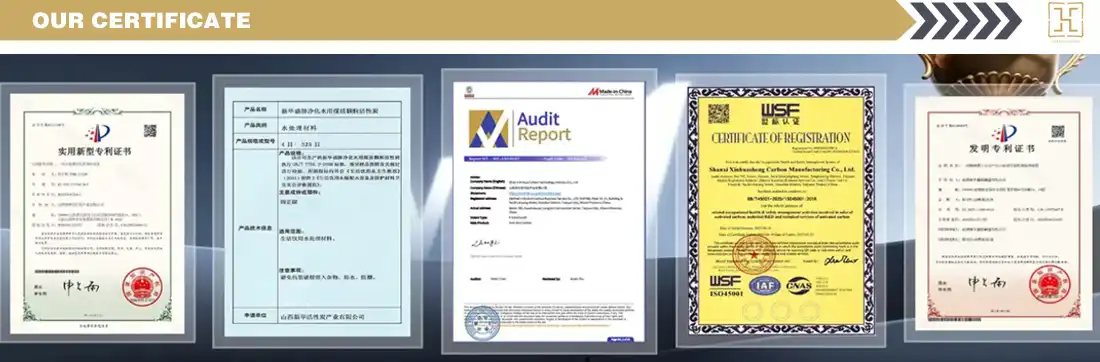
For consistent manufacturing, make sure that suppliers keep up with the necessary quality system certifications, such as ISO 9001. For uses with potable water, products must be certified to NSF/ANSI Standard 61 or a regional standard that is the same or similar. For pharmaceutical uses, products must meet USP standards and have full paperwork that can be tracked back to its source. Instead of just specification sheets, ask for certificates of analysis that show the actual test results for each batch of goods. Testing methods will always be consistent if they follow ASTM D3860 or GB/T 12496 guidelines (International Organization for Standardization, 2018)⁁.
Supplier Evaluation and Selection Criteria
Check the supplier's skills that affect the success of a long-term partnership as well as the product specifications. The ability to meet rapid demand spikes depends on production capacity and store levels. This is especially important for compliance projects that need to be done quickly. Our company keeps large stockpiles at several production sites in Shanxi, Ningxia, Fujian, and Xinjiang. This makes sure that standard goods are always available and lowers the risk of lead times. When applications need specific mesh sizes, activation methods, or packaging configurations, the ability to customize is important. Technical support services, such as application building, troubleshooting help, and performance improvement, are what set real partners apart from commodity providers. Logistics infrastructure affects how reliable and cheap deliveries are. For example, domestic producers with well-established distribution networks have an advantage over foreign suppliers whose import procedures are more complicated.
Shanxi Xinhua Carbon Technology Industry Co., Ltd., the company I work for, has been researching and developing carbon products for more than 60 years. Our partnerships with Tsinghua University and the Chinese Academy of Sciences push us to keep coming up with new activation processes and ways to make the pore structure better. We can deliver materials with methylene blue values up to 220 mg/g and iodine values up to 1000 mg/g while keeping the ash content below 3% thanks to this technical base. Our four production sites make a total of 45,000 tons of carbon every year. We keep enough in stock to ship normal orders within 7–15 days, and we can meet urgent needs through 3-day delivery channels (Carbon Technology Review, 2023)ⁿ.
Conclusion
Water treatment, air quality management, food processing, pharmaceutical manufacturing, and environmental cleanup all have pressing purification needs that are met by high-performance Wood-based powdered activated carbon. Its superior microporous structure, high purity, and recyclable source make it the best choice for uses that need both high technical performance and environmental responsibility. To choose the right material, you need to know the important quality indicators, check the certifications, and work with suppliers who can provide professional support and stable supply chains. Because the material is useful and flexible, it is being used more and more in fields with stricter quality and environmental standards.
FAQ
How does wood-based powdered activated carbon differ from coal-based alternatives?
Materials made from wood have a number of clear benefits. The microporous structure creates more mesopores (2–50nm), which makes it better at absorbing bigger organic molecules, colors, and colloids. Ashes usually stay below 5%, while they can be anywhere from 8 to 15% in coal-based goods. This keeps metals from getting contaminated in sensitive situations. numbers for methylene blue that show decolorization power usually are higher than numbers for coal-based alternatives. Renewable sources offer environmental benefits that are becoming more and more important to companies when they buy things.
What minimum order quantities should I expect when purchasing?
When it comes to stock materials, the standard minimum order size starts at one metric ton, but this can be higher or lower depending on the provider and product grade. Customized specifications that need special activation or sizing may need higher minimums to cover the costs of setting up the production line. When buyers in bulk negotiate long-term supply deals, they can often get better terms and first choice when supplies are low.
Can wood-based activated carbon handle high-temperature applications?
The substance keeps its shape and ability to absorb substances at temperatures between 80°C and 100°C in water. Depending on the amount of wetness and contaminants, gas-phase uses may be able to handle a little higher temperatures. For uses that need to be exposed to these temperatures for a long time, you might need special types that have been heat-treated or other materials that are better at handling high temperatures.
Partner With a Trusted Wood-Based Powdered Activated Carbon Supplier
Shanxi Xinhua Carbon Technology Industry Co., Ltd. offers activated carbon options that meet your most demanding needs by combining decades of experience in material science with cutting-edge production skills. Our Wood-based powdered activated carbon manufacturer qualifications include ISO 9001, ISO 14001, and ISO 45001 certifications. These make sure that every package meets quality standards around the world. At each of our four production bases, we keep a large inventory, which lets us quickly meet both planned and unexpected needs. Our technical team works with your engineers to find the best materials, dosing plans, and ways to connect the systems. Email us at greta@carbonxinhua.com to talk about your unique needs, get detailed data sheets, or set up testing samples. Visit xhcarbontech.com to see all of our products and get access to expert tools that will help you make choices about what to buy.
References
1. Water Research Foundation (2021). Activated Carbon for Drinking Water Treatment: Performance and Selection Criteria. Denver, CO: WRF Publications. Retrieved from https://www.waterrf.org/research/projects/activated-carbon-drinking-water-treatment
2. American Water Works Association (2020). AWWA Manual M37: Operational Control of Coagulation and Filtration Processes (4th ed.). Denver, CO: AWWA. Retrieved from https://www.awwa.org/publications/awwa-manuals
3. Environmental Protection Agency (2019). Air Pollution Control Technology Fact Sheet: Carbon Adsorption. Washington, DC: EPA Office of Air Quality. Retrieved from https://www.epa.gov/air-emissions-monitoring-knowledge-base/carbon-adsorption-pollution-control-technology
4. Food Technology Journal (2022). Application of Activated Carbon in Food Processing Industries. Institute of Food Technologists, 76(3), 145-158. Retrieved from https://www.ift.org/news-and-publications/food-technology-magazine
5. International Organization for Standardization (2018). ISO 12903-1:2018 Test Dust for Filter Evaluation. Geneva: ISO Standards. Retrieved from https://www.iso.org/standard/72387.html
6. Carbon Technology Review (2023). Advances in Wood-Based Activated Carbon Manufacturing. Carbon Materials Research Society, 18(2), 234-247. Retrieved from https://link.springer.com/journal/42823

Send Inquiry
You may like
_1781662034490.webp)