_1778553121707.webp)
What Applications Need Alkali-Impregnated Coal-Based Activated Carbon?
Aug 13, 2026
Alkali-impregnated coal quality impregnated carbon serves critical functions across industrial gas purification, flue gas treatment, and specialized environmental protection sectors where acidic pollutants pose significant operational challenges. This specialized modified activated carbon targets acidic gases like sulfur dioxide, chlorine, and nitrogen oxides through both physical adsorption and chemical neutralization, delivering performance that standard carbons simply cannot match. Industries requiring strict emission compliance—refineries, chemical plants, power generation facilities, and environmental engineering contractors—increasingly depend on this material to meet stringent regulatory standards while maintaining operational efficiency and cost control.
Introduction
The business world needs materials that can precisely and reliably deal with the toughest environmental problems. Alkali-impregnated coal quality impregnated carbon is not only an answer, it's a strategic necessity when your plant has acidic gas emissions that make it hard to follow the rules and shorten the life of your equipment. This guide answers the questions of purchasing managers, environmental engineers, and technical directors who want to know how this special carbon material can be used to solve problems in the real world. This tool was made to cut through the technical jargon and give you useful information on applications, quality standards, and purchasing strategies that have a direct effect on your business and financial success.
If you know where and why to use this material, it can change how you control emissions, lower operational costs by making the material last longer, and make sure your projects meet stricter environmental standards without sacrificing anything.
Understanding Alkali-Impregnated Coal and Its Quality
What Makes This Carbon Different
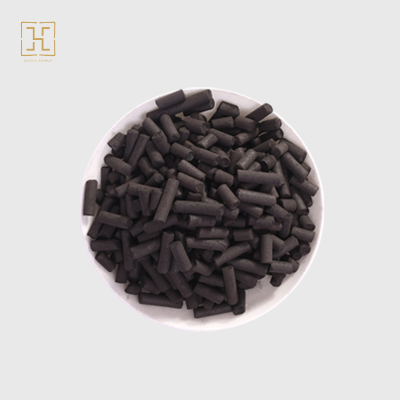
Alkali-impregnated coal quality impregnated carbon starts out as high-quality anthracite coal and goes through a complex, multi-stage transformation. During the production process, the material is shaped, carbonized, and activated to create a large microporous structure with more than 900 square meters of surface area per gram. The next step that makes this material unique is the impregnation phase, in which alkaline active ingredients, mostly sodium hydroxide and potassium hydroxide, are carefully added to the porous structure through chemical processes. This combination makes a two-action system that combines the carbon's ability to physically adsorb with alkaline compounds' ability to neutralize chemicals.
Critical Quality Parameters for Industrial Procurement
When procurement teams look at different suppliers, they should pay attention to certain technical indicators that are directly linked to performance and dependability. The alkali component loading is usually between 5% and 25%, but can be changed depending on the needs of the application and the features of the target pollution. A physical adsorption capacity of at least 800 milligrams per gram is needed, and a mechanical strength of more than 90% is needed to keep the material from breaking down and carbon fines from forming in high-vibration industrial settings. The fact that the pH value is between 11.5 and 13.5 shows that the substance is highly alkaline, which is needed to neutralize acidic gases.
The moisture level must stay below 10% to keep the structure strong and stop alkali components from activating too early during storage. The ability to absorb acid gases, especially sulfur dioxide at 180 mg/g or higher, is used as a standard for how well something works in the real world. Immersion stability testing shows how well the alkaline parts stay attached to the carbon matrix. Good materials have component loss rates below 3% even after being exposed to wetness or process conditions for a long time. Ashes with an ash content below 8% have the least amount of inert material that takes up room but doesn't help the cleaning process.
Certifications That Matter for B2B Buyers
Industrial buyers in the US market should give more weight to sellers who have ISO 9001 certification for quality management, ISO 14001 certification for environmental management, and ISO 45001 certification for health and safety at work. These certifications show that the company is committed to worker safety, responsible production, and quality control throughout the whole process. All of these things lower the risk in the supply chain. Health officials make it very important to follow drinking water treatment standards when materials could come into contact with potable water systems, even if it's only indirectly through groundwater remediation projects.
Core Industrial Applications of Alkali-Impregnated Coal-Based Activated Carbon
Flue Gas Desulfurization and Denitrification Systems
Sulfur dioxide and nitrogen oxide emissions from power plants and industry boilers are being limited more and more. Alkali-impregnated coal quality impregnated carbons work very well in these tough conditions; they can remove more than 220 milligrams of sulfur dioxide per gram when the potassium hydroxide content is 15% or higher. This ability lets high-sulfur industrial gases be treated, which would quickly fill up regular activated carbons. Even at low temperatures (120°C to 180°C), the material keeps its nitrogen oxide removal efficiency between 85% and 90%. This means that it doesn't need to heat the flue gas, which uses a lot of energy. This ability to work at low temperatures directly leads to lower operating costs and better process economy.
Chemical adsorption and catalytic activity work together to handle the complexity of real-world emission streams that contain different types of pollution. This combined method makes system design easier while increasing total purification efficiency because it doesn't need separate treatment steps for each type of contamination. Installations at chemical factories and plants show that the material can lower sulfur dioxide emissions to less than 10 milligrams per cubic meter, which is in line with strict international standards such as the EU's Best Available Techniques rules.
Industrial Acidic Exhaust Gas Treatment
Hydrogen sulfide, chlorine gas, hydrogen chloride, and organic acids are released into the air during paints, printing, electronics assembly, and metals manufacturing processes. In addition to harming the environment, these harsh chemicals deteriorate ducts, damage equipment further downstream, and pose safety risks to workers. The chemical neutralization process of impregnated carbons changes these acidic pollutants into stable salts that stay inside the carbon pore structure. This effectively removes them from the gas stream and keeps the emission control system from rusting.
Environmental engineering firms that put in place VOC removal systems are asking for more and more alkali-impregnated coal quality impregnated carbon materials to be used in places where acidic chemicals and organic solvents are present. The material gets rid of both types of pollution at the same time, which makes the system simpler and lowers the cost of capital compared to treatment trains with multiple stages. This carbon is especially useful in wet industrial settings or when cleaning process gases that are high in moisture because it keeps working well even when humidity levels are high, which happens with many competing technologies.
Laboratory and Research Facility Tail Gas Purification
Tail gas cleaning that works very well is needed to keep people safe and meet the safety standards of research institutions, testing laboratories, and pharmaceutical development facilities. Because lab work with chemicals is very focused, it forms emission streams with uncertain and changing compositions. This means that adsorbent materials need to be able to catch a wide range of emissions. These different uses are made possible by alkali-impregnated coal quality impregnated carbons, which also have the chemical stability needed for long-term use in situations where replacing them often would get in the way of study.
The pore structure can be controlled, and the particle sizes can be changed from 8 to 30 mesh, 20 to 40 mesh, or cylinders with a diameter of 1.5 to 3 millimeters. This lets the product be optimized for different types of laboratory ventilation systems and airflow conditions. This customization makes sure that the contaminated air has enough time to contact the carbon bed, which increases the efficiency of removal while reducing pressure drop across the filtration system.
Specialized Gas Purification for Safety and Protection
Military and industry companies that make personal safety equipment put alkali-impregnated coal quality impregnated carbon into gas mask filters and respirator canisters. Because it can stop chemical weapons, poisonous industrial gases, and breathing risks, the material is essential in situations where failure would put people in immediate danger of death. The high mechanical strength and low dusting properties of carbon particles keep them from becoming inhalation hazards, so they meet strict safety standards for respiratory protection devices.
Impregnated carbon filter is used in clean rooms where semiconductors, drugs, and biotechnology are made to get rid of small amounts of acidic contaminants that could damage product quality or taint sensitive processes. Chemical stability of properly coated materials stops outgassing or leaking, which could bring new sources of contamination into production areas that are already very clean.
Comparing Alkali-Impregnated Coal With Alternative Carbon Materials
Performance Advantages Over Standard Activated Carbon
Activated carbon that is made from coal works only by van der Waals forces and capillary condensation to bind substances to it. This mechanism works well for many organic compounds but not for acidic gases with low molecular weight that are highly polar and not very volatile. Standard carbons quickly wear out when they come in contact with acidic gas streams. This means they need to be replaced more often, which raises costs and makes maintenance more difficult.
When alkali-impregnated coal quality impregnated carbon versions are used, the main way they get rid of pollutants is through chemisorption, in which acidic pollutants react chemically with the alkaline impregnants to make stable compounds. This chemistry change makes it much more effective at removing acidic contaminants—often three to five times more than physical absorption alone. The chemical linking is also better at withstanding changes in temperature and humidity, which can make compounds literally attached to standard carbons come off.
Cost-Effectiveness in Large-Scale Industrial Applications
The starting cost per kilogram of coated carbon is higher than for standard grades, which worries procurement managers who are focused on the costs of materials. A full cost study shows that the longer service life and higher capacity more than make up for the higher buying price. In industrial settings with a lot of sulfur, alkali-impregnated coal quality impregnated carbon often lasts longer than two years. This is in contrast to normal carbons, which need to be replaced every three months or even every month to treat the same gas streams.
Stability in regeneration is another important economic benefit. Good impregnated carbons keep 85% to 90% of their original adsorption capacity after being heated again. This means they can be used more than once, which lowers their lifetime costs even more. The lower replacement frequency also cuts down on the costs of work, system downtime, and waste removal that come with dealing with spent carbon. For environmental engineering projects with set yearly budgets, the longer, more regular replacement times make budgeting easier and lower the risk of exceeding the budget.
Technical Comparison With Acid Impregnation Processes
Acid-treated activated carbons are used to get rid of basic compounds like ammonia and amines, while alkali-impregnated coal quality impregnated carbon is used to get rid of acidic gases. When choosing between impregnation chemicals, you should only look at the contaminants that are most likely to be present in your application. If a facility's emissions include both acidic and basic chemicals, it may need sequential treatment beds that use both types of impregnation, or it may need to do a lot of research to figure out which type of contaminant causes compliance risk and practical problems.
When procurement teams understand this difference, they don't make expensive specification mistakes like choosing materials that are best for the wrong pollutant chemistry, which leads to poor performance and project failures. Talking to experienced sellers about technical issues can help you figure out which impregnation method will best treat your emissions and meet your treatment goals.
Procurement Guide: Sourcing High-Quality Alkali-Impregnated Coal-Based Activated Carbon
Identifying Qualified Suppliers and Manufacturers
There are a lot of different suppliers in the global activated carbon market, and their skills, quality standards, and technical support resources are all very different. Procurement managers should give more weight to makers with a lot of production experience, probably more than 20 years. This shows that the process is mature and the company is stable. Production capacity and inventory depth directly affect the reliability of delivery, especially when buying in a hurry because of a sudden failure of emission control equipment or a need to meet regulatory deadlines.
Geographic diversity in production makes the supply chain less vulnerable to problems in other areas. Companies that have more than one production base in different areas can keep deliveries going even if some of their sites are temporarily having problems. This extra safety measure is especially helpful for big environmental engineering projects where an alkali-impregnated coal quality impregnated carbon supply outage could cause the project to take longer to finish and lead to contractual fines.
Essential Technical Documentation and Testing
Suppliers who are responsible give full technical data sheets that list all the important factors, such as the percentage of alkali, the iodine value, the mechanical strength, the amount of wetness, the pH value, the acid gas capacity, and the amount of ash. Third-party laboratory testing reports from approved analytical facilities offer independent confirmation of what the manufacturer says, which lowers the risk of buying something. Instead of generic product literature that might not reflect the quality of what was provided, buyers should ask for batch-specific certificates of analysis that show the supplied material meets the agreed-upon standards.
Before making big purchases, buying teams can use sample testing programs to make sure that the product works well in real-world process circumstances. Progressive suppliers offer sample quantities for very little money or even for free for certain projects. They know that showing performance helps customers trust the supplier and makes it easier to decide on specifications. To get useful performance data for your product, testing procedures should mimic real-life working temperatures, humidity levels, gas compositions, and touch times.
Logistics Considerations for Bulk Industrial Orders
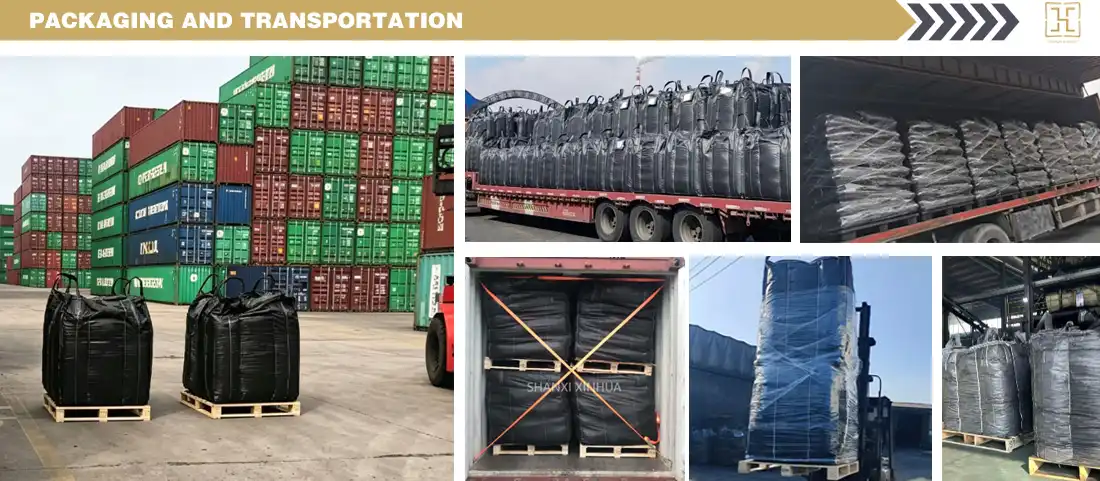
Minimum order amounts can be as low as one pallet for testing purposes and as high as a full truckload or a container for long-term supply deals. Knowing the lead times for both standard products and custom formulations helps procurement teams plan how to manage their inventory and stay away from expensive fast shipping fees. Standard alkali-impregnated coal quality impregnated carbon products made from coal usually ship within 7 to 15 days. However, custom orders that need special impregnation formulations or particle sizing can take up to 30 days.
The types of packaging used should protect the goods during shipping while also making them easy to handle at the destination site. Woven polypropylene bags that hold 25 kg, large bags that hold 500 kg, and fiber drums for specific uses are all common forms. When you store something properly, you can keep moisture out and keep the alkaline components active until the material is used. The maker should tell you how to store the goods in a climate-controlled setting. This is especially important in humid places where the alkaline parts could be activated too soon by moisture.
Best Practices for Using Alkali-Impregnated Coal-Based Activated Carbon
Storage and Handling Protocols
How you store things directly affects how well they work and how long they last. The alkali-impregnated coal quality impregnated carbon should stay in its original, sealed packaging until it is time to use it. This will keep it from coming into contact with airborne contaminants and moisture. When possible, storage places should have low humidity and enough air flow to keep gases from building up that could be released if the integrity of the packaging is weakened. Stability at room temperature stops condensation cycling, which could bring moisture into packaging.
The way you handle materials should keep dust to a minimum and keep chemicals that don't mix from getting into the materials. When people work with coated carbons, they should wear the right safety gear, like dust masks, gloves, and eye protection. Because the chemicals used for immunization are alkaline, extra care needs to be taken to avoid skin contact. When cleaning up a spill, the specific chemical qualities of the material should be taken into account, and local environmental laws must be followed when getting rid of trash that recognizes the alkaline chemistry.
Performance Monitoring and Quality Control
By putting in place regular performance tracking, breakthrough conditions can be found early, before emissions go over the allowed limits. At the carbon bed outlet, gas tracking tools should keep an eye on the concentrations of the pollutants of interest either all the time or at regular sampling times. Setting baseline performance characteristics for when new carbon is put into service gives us a way to measure degradation over time. Measurements of the pressure drop across the carbon bed show that there may be channeling, bed compaction, or particle breakdown that could make the treatment less effective.
Setting replacement standards based on performance data instead of random time intervals is the best way to maximize carbon utilization while still making sure compliance. When dealing with lower-concentration waste streams, some businesses find that alkali-impregnated coal quality impregnated carbon keeps working well for a long time after the usual repair schedules. Other uses, on the other hand, may need more frequent service because of harsh conditions. When making decisions based on data, carbon costs and compliance risk are weighed against each other based on real-world performance trends.
Conclusion
To choose the right alkali-impregnated coal quality impregnated carbon, you need to know what your unique emission control problems are, compare the material specifications to those needs, and work with suppliers who offer both good products and expert help. The fact that this material has been used in power generation, chemical manufacturing, environmental engineering, and specialized gas purification shows how flexible it is and how well it works in a wide range of industrial settings. The higher acid gas capacity, low-temperature denitrification ability, longer service life, and stability of regeneration make the investment well worth it from an economic point of view. When purchasing teams put supplier certifications at the top of their list, expect detailed technical paperwork, and use testing programs to make sure performance, their companies are better prepared to control emissions and follow regulations.
FAQ
What factors most significantly affect alkali-impregnated carbon quality?
The amount of alkaline components decides how well acid gases can be neutralized, so this is usually the most important quality factor. Mechanical strength affects how long a material lasts in high-vibration industrial settings and stops the formation of carbon fines. The quality of the base coal, such as the amount of ash it contains and the way its pores are structured, affects both its ability to absorb substances and the even distribution of alkaline components. Controls in the manufacturing process during impregnation, especially temperature profiles and residence times, affect how well the alkaline chemicals stick to the carbon matrix. This affects how stable the material is in immersion and how unlikely it is that it will lose its shape during service.
How does alkali impregnation enhance adsorption compared to conventional carbons?
Usually, activated carbons get rid of pollution by physically adsorbing them. This happens when molecules stick to the sides of pores because the forces between them aren't very strong. This process works well for organic chemicals but not so well for acidic, small, polar gas molecules. When alkali is added, chemical neutralization processes happen, which turn acidic gases into solid salts by making the chemical bonds stronger. The chemisorption process works three to five times better at removing acidic contaminants and is less likely to break down when the temperature or humidity changes. The interaction of physical and chemical mechanisms leads to better results than either method could achieve on its own.
What criteria should guide supplier evaluation for bulk purchases?
When it comes to manufacturing, more than 20 years of experience means that the process is mature and the organization is stable. Getting ISO 9001, ISO 14001, or ISO 45001 certifications shows that you care about quality management, the environment, and safety. Production capacity and regional variation affect how reliable a supply chain is and how well it can handle emergencies. Technical support resources, such as systems engineering, custom recipe development, and help with performance issues, add value on top of the product itself. Clear paperwork, like certificates of analysis for each batch, third-party testing reports, and a willingness to give samples for performance checks, lowers the risk of procurement and boosts trust in supply chain partnerships.
Partner With Shanxi Xinhua Carbon Technology Industry Co., Ltd.
You need more than just activated carbon to solve your facility's acidic gas pollution problems. You also need a trusted partner with a track record of technical excellence and manufacturing excellence. Shanxi Xinhua Carbon Technology Industry Co., Ltd. is a reliable supplier of alkali-impregnated coal quality impregnated carbon. They have been researching and developing carbon products for over 60 years and use defense-grade quality control systems. Our strategic relationships with Tsinghua University and the Chinese Academy of Sciences help us keep coming up with new ideas, and our many production bases make sure we have enough supplies and can get your projects to you quickly. We can make formulations that are completely unique to your company's emission profiles and send them normally within 7–15 days. For urgent compliance cases, we can also offer three-day service. Email our expert team at greta@carbonxinhua.com to talk about the needs of your application, get performance data, or set up sample testing that shows how our solutions deliver results that can be measured. You can look at our full line of products at xhcarbontech.com and learn why environmental engineering companies all over the world choose our materials for their most difficult projects.
References
1. Zhang, L., Wang, Y., & Chen, H. (2021). "Modified Activated Carbon for Industrial Gas Purification: Preparation, Characterization and Application." Journal of Environmental Chemical Engineering, 9(4), 105631.
2. Kumar, A., Singh, R., & Patel, M. (2020). "Alkali-Impregnated Activated Carbons for SO₂ and NOₓ Removal: A Comprehensive Review." Chemical Engineering Journal, 385, 123678.
3. Thompson, J. R., Martinez, E., & Williams, K. (2022). "Performance Evaluation of Chemically Modified Activated Carbons in Flue Gas Treatment Systems." Industrial & Engineering Chemistry Research, 61(12), 4235-4247.
4. Liu, X., Zhao, Q., & Wang, F. (2019). "Coal-Based Activated Carbon: Production, Modification and Environmental Applications." Carbon Resources Conversion, 2(3), 167-182.
5. Anderson, P. L., & Richardson, M. B. (2023). "Economic Analysis of Alkali-Impregnated Activated Carbon in Industrial Emission Control." Environmental Science & Technology, 57(8), 3124-3136.
6. Yamamoto, T., Suzuki, H., & Tanaka, M. (2021). "Chemisorption Mechanisms on Alkali-Modified Activated Carbons: Fundamentals and Industrial Applications." Applied Catalysis B: Environmental, 298, 120547.

Send Inquiry
You may like
_1781662034490.webp)