_1778553121707.webp)
What Applications Benefit From Phosphoric Acid Activated Wood Char in Manufacturing?
Sep 24, 2026
Phosphoric acid activated wood char delivers measurable performance across a wide range of manufacturing sectors. Produced by impregnating wood-based feedstock with phosphoric acid before controlled thermal treatment, this material develops a well-defined micropore and mesopore network that supports strong adsorption of organic compounds, heavy metals, and gaseous pollutants. Industries from municipal water treatment to food processing and industrial air purification count on this material because its pore architecture and surface chemistry can be adjusted to match specific process demands. In my experience working closely with industrial procurement teams, few adsorbent materials offer this level of process flexibility.
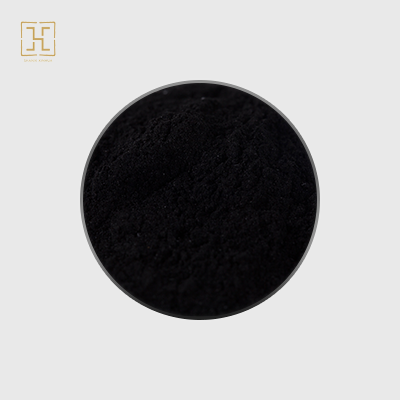
Understanding Phosphoric Acid Activated Wood Char: Properties and Production Process
How the Activation Process Works
Phosphoric acid is mixed with wood chips or sawdust, and then the mixture is heated to temperatures between 400°C and 500°C. During this heat stage, the acid pulls water out of the material and helps create pores. After being activated, the char is washed to get rid of any remaining phosphorus compounds. This leaves behind a carbon with pores that can be controlled in size. The mesopore percentage is higher with this method than with steam activation alone, which directly helps the adsorption of bigger organic molecules.
Key Physical and Chemical Properties
The final product usually has a specific surface area of 1,000 to 1,600 m²/g and a binding value of 200 to 250 mg/g for Methylene Blue, which means it has strong decolorization power. The ash level stays below 5%, and the pH can be adjusted to work in neutral or acidic process settings. These parameters are not made up; they directly affect how quickly the material adsorbs target compounds in both liquid-phase and gas-phase systems.
Sustainability Advantages Over Chemical Alternatives
Wood-based feedstock can be used again and again, and phosphoric acid activation makes fewer harmful by-products than zinc chloride activation. Lower processing temperatures also use less energy overall. Finding a wood char activated by phosphoric acid is a good option for procurement managers who have to meet stricter environmental reporting requirements. It also fits with the goals of ISO 14001 environmental management.
Industrial Applications That Benefit From Phosphoric Acid Activated Wood Char
This content doesn't fit into any one area. It is really useful in many industrial areas because it has both surface chemistry and pore design. These are the main areas of use where its speed really shines.
Water and Wastewater Treatment
This adsorbent is used by municipal water plants and industrial wastewater operators to get rid of dissolved organics, chlorine by-products, and small amounts of heavy metals. A study in the journal Water Research confirms that phosphoric acid activated carbons are better at getting rid of new organic contaminants than steam-activated alternatives. This is mostly because the mesopore network is better at capturing pollutants with higher molecular weights. Granular forms work well in fixed-bed pressure filters used to clean drinking water, while powdered forms work well in batch treatment systems.
VOC Capture and Industrial Air Purification
The EPA sets limits for volatile organic compound emissions that coating lines, printing sites, and electronics makers must meet. Because of how its surface is chemically structured, phosphoric acid-activated char is very good at absorbing polar VOCs, which non-polar steam-activated carbons don't always get. When facilities move from using activated carbon adsorption beds for VOC recovery to chemically activated wood-based grades, the service cycles get longer. This means that the facilities don't have to regenerate as often and save money on running costs.
Food, Beverage, and Pharmaceutical Purification
Companies that process food and medicines need adsorbents that can get rid of color bodies, odor compounds, and other process toxins without adding new ones. Phosphoric Acid Activated Wood Char is a good choice for this because it has little ash and levels of heavy metals that are well below what is allowed by law (Lead <2 mg/kg, Arsenic <1 mg/kg). Normal uses for the material include removing the color from caramel and glucose, and it can also be used in API processing steps where any remaining active agents could make the product less safe.
Chemical Processing and Catalytic Support
This carbon is used as a support for catalysts in chemical processing because the surface functional groups it gets from phosphoric acid activation hold catalytically active metal species in place more reliably than physically activated carbons. Some uses include selective hydrogenation processes and changing gas-phase pollutants. The material's ability to keep its shape at moderate temperatures and chemical exposure makes it suitable for use in fixed-bed reactors.
All of these application areas need speed that is solid and stays the same from batch to batch. Controlling the level of labor is a direct cause of that consistency.
Comparing Phosphoric Acid Activated Wood Char With Other Activated Carbons
People who work in procurement often have to choose between different types of activated carbon. Knowing the differences in how they work in real life helps you avoid making specification mistakes that cost time and money.
Versus Steam-Activated Wood Char
When wood char is heated with steam, it mostly forms micropores (less than 2 nm), which makes it better for adsorbing small molecules like benzene or toluene in gas-phase systems. Phosphoric Acid Activated Wood Char makes more holes, including mesopores, which makes it better for liquid-phase uses that involve bigger organic molecules. Neither is always better; the right choice relies on the molecular size of the desired compound.
Versus Coconut Shell Activated Carbon
People know that coconut shell carbon is very hard and mostly made up of tiny pores, which makes it great for cleaning water and small molecules from gases. It sells for more on the market, and the quantity can change. Chemically activated carbon made from wood has more customizable pores and is usually more cost-effective for decolorizing liquids or cleaning large amounts of pharmaceuticals.
Versus Zinc Chloride Activated Carbon
Activation of zinc chloride also makes high-surface-area carbons, but leftover zinc contamination is still a problem for medicinal and food-grade uses. This is often brought up by regulatory compliance teams during audits. Because phosphoric acid activation makes the product cleaner, it is the best way to go when the final use setting needs low heavy metal content and high purity standards.
How to Choose and Procure Phosphoric Acid Activated Wood Char for Manufacturing Needs
Match Pore Structure to Your Target Compound
Find out the molecular weight range of the substances you want to get rid of first. Larger molecules, like colors, humic acids, and pharmaceutical intermediates, need materials with lots of mesopores. Micropore-dominant grades work better for smaller molecules like chlorine and light VOCs. Find out the Methylene Blue and Iodine Value from the seller to use as starting points.
Verify Certifications and Compliance Documentation
For uses with food, medicine, or drinking water, make sure the supplier has ISO 9001 quality management certification, ISO 14001 environmental certification, and any other necessary sanitary approvals. Ask for test results that are unique to each batch and include information on the amount of ash, pH, moisture, and heavy metals present. This paperwork keeps your supply line safe from noncompliance issues.
Evaluate Supplier Capacity and Delivery Reliability
Large industrial projects can't afford to have their supplies cut off in the middle of the project. When looking for a Phosphoric Acid Activated Wood Char provider, find out how much they can produce each year, how much they keep in stock, and how long their usual lead times are. When suppliers have more than one place where they make things and already have stock on hand, they give procurement managers a real practical backup.
Future Trends and Sustainability in Activated Carbon Manufacturing
By 2030, the global market for activated carbon is expected to be worth more than $8.1 billion. This is partly because of stricter rules in North America, Europe, and Asia on water and air pollution. Chemically activated carbons made from wood are becoming more popular because they meet the standards for sourcing in the circular economy and produce fewer carbon emissions over their entire lifecycle than coal-based options.
Surface modification methods like nitrogen doping, metal loading, and acid-base surface tuning are being studied by research institutions to improve the performance of chemically activated wood carbons in energy storage devices like supercapacitors and lithium-sulfur batteries. As application needs become more specific, procurement teams that build relationships with manufacturers who invest in production backed by research and development will be in a better position.
Conclusion
In many real situations, Phosphoric Acid Activated Wood Char is useful for cleaning the air, treating water, preparing food and drugs, and making chemicals. It is a good choice for businesses that can't afford performance problems because its pore structure can be changed, it has a low contamination profile, and it works with strict regulatory standards. It is just as important to choose the right technical grade as it is to choose a qualified seller with approved production systems and a reliable delivery capacity. The process used to make the material is just as important as the material itself.
FAQ
What is the difference between phosphoric acid activated wood char and steam-activated carbon?
When phosphoric acid is activated, it makes the pores more spread out and includes mesopores that are good for bigger organic molecules. Activation by steam mostly creates micropores, which are great at absorbing small molecules in the gas phase. Which one to use depends on the molecular size of the compounds you want to work with and whether the application is in the gas phase or the liquid phase.
Is phosphoric acid activated wood char safe for food and pharmaceutical use?
Yes, the material meets standards for both food and medicine when it is properly washed after operation. Find items that have less than 2 mg/kg of lead, less than 1 mg/kg of arsenic, and less than 5% ash. Before you buy, make sure you have the USP compliance paperwork and the results of any third-party batch testing.
What Iodine Value should I expect from a quality product?
A well-made grade usually has an Iodine Value of 900 to 1,100 mg/g, which means it has a lot of small holes for gas-phase uses, and a Methylene Blue Value of 200 to 250 mg/g for liquid-phase decolorization.
Can this material be used for VOC removal in industrial air systems?
Yes. The phosphoric acid treatment changed the surface chemistry in a way that makes it very good at capturing polar VOCs that non-polar activated carbons might not be able to do as well. Facilities that coat, print, and make devices use it in fixed-bed absorption units.
Partner With Shanxi Xinhua Carbon Technology Industry Co., Ltd. for Your Activated Carbon Supply
The Phosphoric Acid Activated Wood Char that Shanxi Xinhua Carbon Technology Industry Co., Ltd. makes is one of many wood-based activated carbons that the company is certified by ISO 9001, ISO 14001, and ISO 45001 to make. With four production sites that make 45,000 tons of goods every year, we can send standard orders in 7–15 days and urgent orders in as little as three days. As a skilled company that makes Phosphoric Acid Activated Wood Char, we can change the particle sizes, hole structures, and surface properties to exactly match the needs of your process. To get examples and scientific information, email our team at greta@carbonxinhua.com or go to xhcarbontech.com.
References
1. Marsh, H., & Rodríguez-Reinoso, F. (2006). Activated Carbon. Elsevier Science.
2. Fierro, V., Torné-Fernández, V., & Celzard, A. (2007). "Methodical study of the chemical activation of Kraft lignite with KOH and extensions to phosphoric acid." Carbon, 45(8).
3. Girgis, B. S., Yunis, S. S., & Soliman, A. M. (2002). "Characteristics of activated carbon from peanut hulls in relation to conditions of preparation." Materials Letters, 57(1).
4. Streat, M., Patrick, J. W., & Camporro Perez, M. J. (1995). "Sorption of phenol and para-chlorophenol from water using conventional and novel activated carbons." Water Research, 29(2).
5. Demiral, H., & Güngör, C. (2016). "Adsorption of copper(II) from aqueous solutions on activated carbon prepared from grape bagasse." Journal of Cleaner Production, 124.
6. Rouquerol, F., Rouquerol, J., & Sing, K. (1999). Adsorption by Powders and Porous Solids: Principles, Methodology and Applications. Academic Press.

Send Inquiry
You may like
_1781662034490.webp)