_1778553121707.webp)
What Advantages Does Wood Powder Carbon Offer for Residential and Commercial Water Purification?
Sep 20, 2026
Wood powder carbon for domestic wastewater purification has become a preferred choice for both residential and commercial water treatment projects across the United States. Produced through controlled pyrolysis of hardwood biomass, it delivers a high surface area, fast adsorption kinetics, and strong pollutant capture across a broad contaminant range — from chlorine and organics to trace heavy metals. Its bio-based origin also aligns with tightening EPA sustainability guidelines. Whether you manage a municipal drinking water system or a commercial facility, this material offers measurable performance at a competitive cost per treated volume.
Understanding Wood Powder Carbon and Its Role in Wastewater Purification
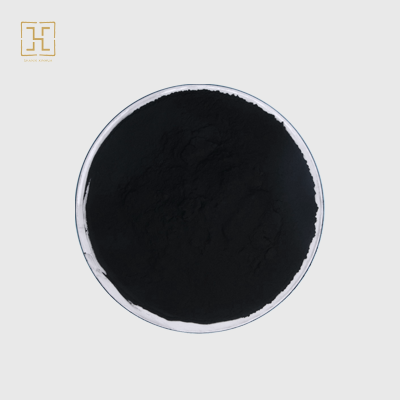
Wood powder carbon isn't just charcoal that has been ground up. It is a carefully designed adsorbent made from certain hardwood or biomass sources that have been carbonized and activated. The end result is a fine carbon powder with a network of pores inside it that makes a huge surface area for catching pollutants.
How It Is Produced
There are two main steps in the production process: pyrolysis at controlled temperatures (usually 400–900°C) and activation with chemicals or steam to make the pores bigger. This process directly affects the BET surface area, which can reach 900–1,200 m²/g in high-quality wood powder carbon. This is an important measure of how well the carbon can adsorb things.
The Adsorption Mechanism
Organic molecules, leftover chlorine, nitrates, and heavy metals that have been dissolved in water stick to the surface of a wood powder carbon filter bed. This happens through physical adsorption (van der Waals forces) and surface chemistry interactions. The mesopore-dominant structure of carbon produced from wood is very good at capturing medium to large organic molecules that are present in both home and commercial wastewater.
Environmental Sourcing Advantage
It has a much smaller carbon impact per unit because wood powder carbon comes from natural biomass instead of coal or petroleum by-products, making Wood powder carbon for domestic wastewater purification a relevant option for procurement teams evaluating the environmental profile of filtration materials. This difference in sources is important for procurement teams that have to report on ESG issues, and Wood powder carbon for domestic wastewater purification can support applications where renewable biomass-based materials are preferred. It also breaks down naturally when it is time for disposal, which can make handling easier than with some manmade filter media. For buyers comparing sustainable filtration solutions, Wood powder carbon for domestic wastewater purification offers a biomass-derived alternative that can be considered alongside other carbon-based treatment media, while the sourcing characteristics of Wood powder carbon for domestic wastewater purification may also be relevant when assessing overall environmental and disposal considerations.
Key Advantages of Wood Powder Carbon for Residential and Commercial Wastewater Treatment
A lot of buying managers want to know why wood-based powdered carbon is better than other options like granular activated carbon (GAC) or coal-based options. The answer is at the heart of three main achievement areas.
As a cleaning method, wood powder carbon is a good choice because of these main benefits:
- Higher adsorption kinetics in fine-particle form: The 200-mesh grade (particles passing a 0.074 mm sieve at ≥95%) maximizes external surface area per unit volume. This accelerates reaction time in liquid-phase systems, which is critical for high-flow commercial installations where contact time is limited.
- Broad-spectrum pollutant removal: Wood powder carbon effectively removes VOCs, phenols, pesticide residues, color bodies, chlorine byproducts, and trace metals such as lead and cadmium. Studies published in Water Research confirm that wood-derived activated carbon shows stronger removal of low-molecular-weight organics compared to coal-based carbon under equivalent dosing conditions.
- Cost-efficient regeneration and lifecycle: Wood powder carbon can be thermally regenerated, restoring 85–95% of its original adsorption capacity. For commercial-scale users, this significantly reduces the total cost of ownership over multi-year project cycles.
These benefits directly lead to lower running costs, fewer safety issues, and fewer needs for chemical additives. Facilities that have to deal with rules from the EPA or local waste officials find it easier to follow the rules when they use wood powder carbon.
How Wood Powder Carbon Fits into Modern Wastewater Treatment Processes
Wood powder carbon doesn't work well by itself; it works best as part of a treatment train with more than one step. In both residential and commercial settings, it is usually used as the third stage of polishing, coming after primary sedimentation and secondary biological treatment.
Compatibility With Biological Treatment
Wood powder carbon can handle the changing pH and high organic content that are common in ecologically treated wastewater, making Wood powder carbon for domestic wastewater purification a practical material to consider for treatment processes where water conditions can vary. It can also work alongside membrane bioreactor (MBR) systems, which are commonly used at industrial sites, because properly selected carbon media can be integrated without necessarily disrupting biological treatment processes. For facilities evaluating Wood powder carbon for domestic wastewater purification, compatibility with downstream biological treatment is an important consideration when designing an integrated wastewater treatment system. When used under appropriate operating conditions, Wood powder carbon for domestic wastewater purification can serve as a complementary adsorption medium within a broader treatment process. This makes Wood powder carbon for domestic wastewater purification relevant for procurement teams comparing carbon-based media for wastewater applications with variable pH and organic loading.
Integration With RO Pre-Treatment
In systems for desalination and water recovery, wood powder carbon acts as a buffer before the treatment process to keep reverse osmosis membranes clean and free of organic matter and chlorine. This makes membranes last longer and requires less maintenance, which is a benefit that has been written about a lot in process engineering literature.
Performance Monitoring and Standards Compliance
Suppliers that meet standards for drinking water hygiene (like China's GB 29215 or the U.S. Food Chemicals Codex) and ISO 9001, 14001, and other standards offer documented quality assurance. Certified product testing, which checks for iodine value, methylene blue absorption, ash content, and heavy metal content, gives quality assurance managers the proof they need for compliance reports and city purchase approval.
Comparing Wood Powder Carbon With Alternative Solutions
It's easier for buying and engineering teams to make choices when they know how wood powder carbon stacks up against other materials.
Wood Powder Carbon vs. Granular Activated Carbon (GAC)
In fixed-bed systems, GAC has a longer bed life, but its bigger particle size slows down adsorption in situations where pollutants need to be captured quickly. Wood powder carbon, on the other hand, has faster reactions and works better with slurry-phase or powdered dosing methods in high-flow treatment lines.
Wood Powder Carbon vs. Coal-Based Powdered Activated Carbon
Powders made from coal usually have more micropores, which makes gas-phase adsorption more likely. For cleaning flowing water better, especially for bigger organic molecules, the mesopore structure of wood-based carbon works better. It also has less ash and a lower chance of heavy metals leaching, which is important in drinking water uses where limits on lead and arsenic must be met.
Wood Powder Carbon vs. Chemical Treatment
Chemical precipitation and oxidation treatments can leave behind residual chemicals and additional by-products that require further handling and treatment. In contrast, Wood powder carbon for domestic wastewater purification uses adsorption to remove certain impurities from water without necessarily introducing additional treatment chemicals into the adsorption stage. This can make Wood powder carbon for domestic wastewater purification a useful option for facilities seeking to simplify specific parts of their wastewater treatment process and reduce the chemical burden associated with some treatment methods. By integrating Wood powder carbon for domestic wastewater purification into an appropriate treatment system, operators may be able to improve contaminant management while reducing reliance on certain chemical treatment steps. For procurement teams comparing treatment media, Wood powder carbon for domestic wastewater purification can therefore be considered as a biomass-derived adsorption material for applications where process simplicity and sludge-management requirements are important.
Procurement Guide for Wood Powder Carbon in Wastewater Purification
To find the best wood powder carbon provider, you need to look at a number of useful factors.
Evaluating Supplier Credentials
Look for providers that have ISO 9001 certification for quality management, ISO 14001 certification for the environment, and ISO 45001 certification for health and safety at work. For use with drinking water, you must have a valid drinking water hygiene safety product license. Before you place bulk orders, make sure you get test reports from a third party that confirm the iodine value, BET surface area, ash content, and heavy metal compliance.
Pricing Models and Bulk Logistics
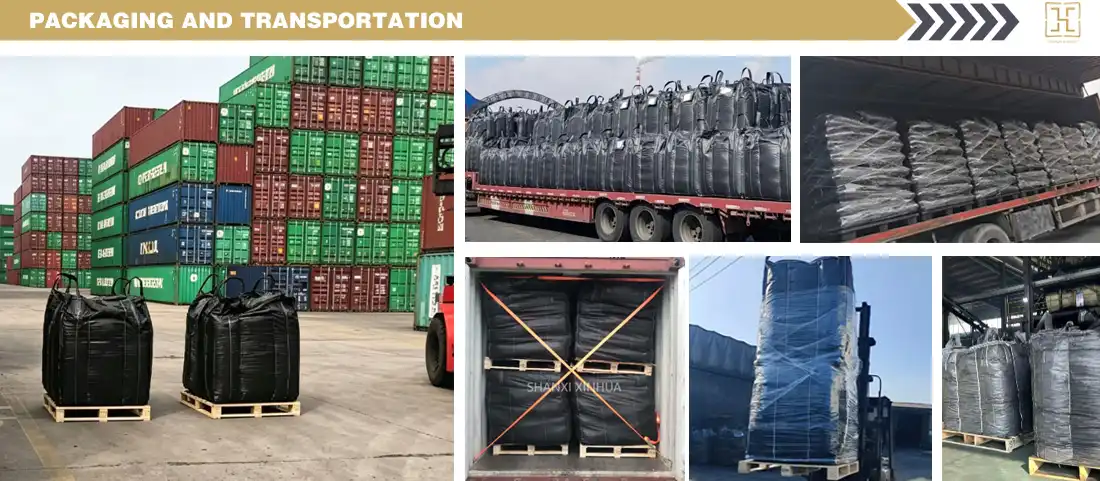
Large-scale buyers should discuss framework supply contracts that lock in prices across a set volume range. This will protect them from changes in the prices of raw materials. Make sure the supplier has enough in-stock items to fill emergency restocking orders within 3–7 business days. This is especially important for projects with strict deadlines.
Customization and Technical Support
Not every case of garbage is the same. A good company that makes wood powder carbon should be able to change the grain size, the surface, and the moisture content to fit your system design. Technical help after the sale, such as advice on dosing rates and fixes for poor performance, is a useful differentiator that lowers project risk.
Conclusion
There are clear benefits to using wood powder carbon to clean water in both homes and businesses. Wood powder carbon for domestic wastewater purification can adsorb a range of pollutants and can be considered for treatment systems where broad contaminant management is required. It also has a biomass-based origin, which may offer environmental advantages compared with some fossil-derived carbon materials, while its lifecycle and operating costs can be evaluated according to the specific application. Because Wood powder carbon for domestic wastewater purification can be integrated with multiple treatment methods when properly designed, it can serve as a useful component in modern water treatment processes. Choosing a qualified provider with the right technical skills is important for turning the performance of Wood powder carbon for domestic wastewater purification into consistent real-world treatment results. For procurement teams and project managers, Wood powder carbon for domestic wastewater purification is worth considering when they need a wood-based powdered carbon material supported by appropriate quality documentation and application-specific technical support.
FAQ
What is the standard particle size for wood powder carbon used in water treatment?
Most of the time, 200-mesh is used to clean water because at least 95% of the particles can pass through a 0.074 mm sieve. This small particle size makes more surface area available for binding and speeds up reactions in systems that treat liquids.
Can wood powder carbon remove heavy metals from water?
Yes. Trace heavy metals like lead, cadmium, and mercury can be absorbed by wood powder carbon through surface complexation and physical absorption. How well it works depends on how long it is in contact with the metal, how fast it is dosed, and how much metal is in the influent.
How do I know if a wood powder carbon supplier meets drinking water standards?
Ask for proof of certification, like ISO 9001, a license for a drinking water cleanliness safety product, and test results from a third party that check for heavy metals, ash, and iodine value. The best compliance paperwork comes from suppliers who follow FCC, GB 29215, or NSF/ANSI guidelines.
Is wood powder carbon suitable for large commercial installations?
Yes. Powdered activated carbon is often mixed with water and used in slurry form at industrial and municipal facilities to clean up after high-contamination events or as a continuous polishing step. Performance on a commercial scale depends on how consistent the provider is, so it is best to do bulk sampling and trial tests before buying everything.
Partner With Shanxi Xinhua Carbon Technology Industry Co., Ltd. for Your Next Water Treatment Project
Shanxi Xinhua Carbon Technology Industry Co., Ltd. is a confirmed producer of Wood Powder Carbon for Domestic Wastewater Purification. They have been making activated carbon for over 60 years, are ISO 9001/14001/45001 certified, and make 45,000 tons of activated carbon every year across four production bases. We help businesses buy in bulk, and normal shipping takes 7–15 days. In case of emergencies, we can fill orders through a green channel that works in 3 days. Today, send your precise specs or ask for a sample: Email: greta@carbonxinhua.com Website: xhcarbontech.com
References
1. Crittenden, J. C., et al. MWH's Water Treatment: Principles and Design. Wiley, 2012.
2. Marsh, H., & Rodríguez-Reinoso, F. Activated Carbon. Elsevier, 2006.
3. Suzuki, M. Adsorption Engineering. Elsevier, 1990.
4. Chowdhury, Z. K., et al. "Activated Carbon: Solutions for Improving Water Quality." American Water Works Association, 2013.
5. Worch, E. Adsorption Technology in Water Treatment. De Gruyter, 2012.
6. Moreno-Castilla, C. "Adsorption of Organic Molecules From Aqueous Solutions on Carbon Materials." Carbon, Vol. 42, No. 1, Elsevier, 2004.

Send Inquiry
You may like
_1781662034490.webp)