_1778553121707.webp)
Sustainable Wood Powder Carbon Provides Filtration Solutions for Wastewater Treatment Systems
Sep 28, 2026
Wood powder carbon for domestic wastewater purification has gained serious attention from engineers and procurement teams across the U.S. water treatment sector. Derived from renewable wood biomass, this finely milled carbonaceous material offers a practical, eco-conscious alternative to conventional filtration media. As municipal water plants and industrial wastewater facilities face tightening discharge regulations, the demand for high-performance, sustainable adsorbents continues to grow. This article examines how wood powder carbon works, why it outperforms older methods, and how to source it reliably for large-scale applications.
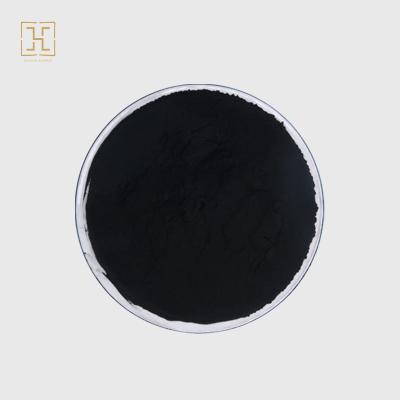
Understanding Wood Powder Carbon and Its Role in Domestic Wastewater Purification
Controlled pyrolysis or chemical activation of certain types of wood biomass makes wood powder carbon, which is a finely milled powder with a very well-developed pore structure inside. Its success in wastewater systems for homes and businesses rests on three properties that work together.
How the Pore Network Works
Most good wood powder carbon has an internal surface area of between 800 and 1,200 m²/g. Physical adsorption is how this large network of micropores and mesopores traps dissolved organic compounds, residual chlorine, and low-concentration heavy metals. Because the pore size distribution decides which contaminants are caught best, it is not a general filter but an exact tool.
Comparison With Activated Carbon and Biochar
In terms of particle size and response speed, wood powder carbon is in the middle of granular activated carbon and biochar. Because its particles are smaller, they can stick to liquids more quickly. This is especially true in high-flow wastewater systems where contact time is limited. It goes through full activation, which makes its adsorption capacity more consistent and measurable.
Environmental and Safety Profile
Wood powder carbon for domestic wastewater purification can support wastewater treatment strategies that place greater emphasis on renewable raw materials and controlled environmental impacts. Because wood-based carbon is produced from biomass rather than coal, its overall environmental profile may be favorable in some applications, particularly when the wood is sourced responsibly and the manufacturing process is efficiently managed. For Wood powder carbon for domestic wastewater purification, buyers should also consider impurity control and leaching performance, especially when the same carbon grade may be used in applications involving drinking-water treatment. Properly manufactured and tested grades can be evaluated for heavy-metal leaching and other applicable safety parameters before use. This makes Wood powder carbon for domestic wastewater purification a potential option for both domestic wastewater treatment and selected industrial wastewater applications, provided that the material meets the relevant treatment requirements. For procurement teams, verifying raw-material sourcing, supplier quality systems, batch testing, and application-specific compliance is essential when selecting Wood powder carbon for domestic wastewater purification. With appropriate quality control and process validation, Wood powder carbon for domestic wastewater purification can contribute to reliable adsorption performance while supporting broader sustainability objectives.
Advantages of Wood Powder Carbon over Traditional Wastewater Treatment Methods
For filtering wastewater, many places still use chemical coagulants, manufactured plastics, or activated carbon made from coal. There are known limits to each of these. Some of these holes are directly filled by wood powder carbon.
Here are the main performance benefits that make this material worth looking into:
- Superior organic pollutant removal: Wood powder carbon achieves high removal rates for phenols, pesticide residues, and chlorinated hydrocarbons—compounds often classified as refractory under standard biological treatment. Its activated surface chemistry bonds to these molecules more effectively than untreated charcoal.
- Lower ash content and cleaner output: High-grade wood powder carbon maintains ash content below 5%, which reduces secondary contamination risks and produces cleaner effluent. This is particularly relevant for municipal systems required to meet EPA discharge thresholds.
- Regeneration capability: Spent wood powder carbon can be thermally or chemically regenerated, extending its service life across multiple cycles. This directly reduces material costs in long-term contracts and minimizes solid waste generation on-site.
These benefits lead to measurable changes in how things work. Facilities that have added wood-based carbon powder to the tertiary treatment stages have seen COD levels drop by more than 60% in pilot studies, with less chemical dosing needed than with traditional coagulation-flocculation methods.
Evaluating Different Types of Wood Powder Carbon for Wastewater Applications
To pick the correct grade of wood powder carbon, you need to make sure that the features of the material match the type of contaminants that your treatment system can handle. It's important to note that not all wood sources or activation methods give the same effects.
Particle Size and Surface Area
The 200-mesh grade (particles passing through a 0.074mm sieve) is commonly used in liquid-phase purification since it has the most surface area per unit volume. This grade works really well in sewer streams with a lot of viscosity or turbidity, where granular media has a hard time making good contact.
Wood Source and Activation Method
Hardwood-derived carbon often develops a balanced distribution of micropores and mesopores, which can support the adsorption of both smaller molecules and medium-sized organic compounds. For Wood powder carbon for domestic wastewater purification, this pore structure can be useful when wastewater contains a mixture of contaminants with different molecular sizes. Steam activation can further develop the pore network and, depending on the raw material and activation conditions, may produce iodine adsorption values in the range of approximately 900–1,100 mg/g. For Wood powder carbon for domestic wastewater purification, chemically activated grades using agents such as phosphoric acid can be designed to achieve different pore characteristics and surface chemistry for specific contaminant-removal requirements. Zinc chloride activation is another possible production route, although its use requires appropriate process controls and thorough washing to minimize residual activating chemicals. By selecting the appropriate raw material and activation method, Wood powder carbon for domestic wastewater purification can be tailored to different adsorption targets. This flexibility makes Wood powder carbon for domestic wastewater purification a practical option for wastewater-treatment applications where pore structure, adsorption capacity, and contaminant selectivity need to be considered together.
Certification and Quality Standards
It is best for businesses to buy products that are certified to meet ISO 9001 quality management systems and relevant food-grade or water treatment standards, like NSF/ANSI 61 or GB 29215. For uses with drinkable water or sensitive discharge zones, it is necessary to have a consistent ash level, a controlled pH, and known heavy metal limits (Pb < 0.05 ppm).
Procurement Guide: Sourcing Certified Wood Powder Carbon for Wastewater Treatment
When making these kinds of purchases, price per ton is not the only thing that matters. The full cost of ownership for big water treatment projects includes stable supply, certification paperwork, and the ability to provide expert help.
Partnering With Verified Manufacturers
Supply chain risk is lower when you work directly with a wood powder carbon producer that has proven production capacity and inventory at more than one location. Shanxi Xinhua Carbon Technology Industry Co., Ltd. has factories in Shanxi, Ningxia, Fujian, and Xinjiang that make a total of 45,000 tons of carbon every year. The stock coverage for core products stays at 100%, and normal delivery takes 7–15 days. For compliance-driven projects, faster shipping is possible within 3 days.
Bulk Pricing and Packaging Options
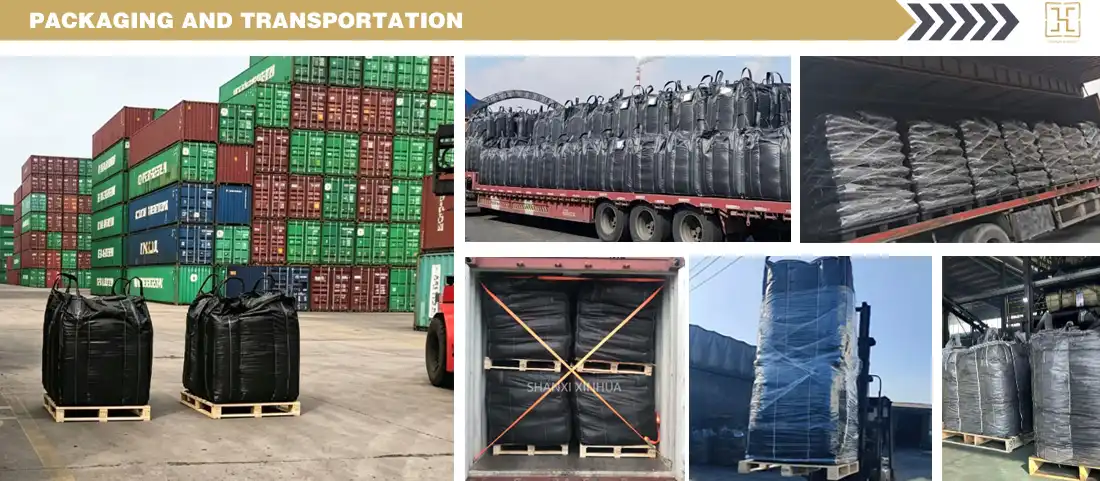
Tiered pricing systems are good for ton-level buying. Your storage and dosing systems should work with the different types of packaging, from 25 kg bags to bulk supersacks. Before you sign a framework agreement, ask suppliers for a detailed product datasheet and test reports from a third party.
Compliance Documentation
When sourcing Wood powder carbon for domestic wastewater purification, buyers should request copies of the supplier's ISO 9001, ISO 14001, and ISO 45001 certifications, where applicable, together with relevant quality-control records. For each Wood powder carbon for domestic wastewater purification grade, documentation should ideally include test results for iodine adsorption value, methylene blue adsorption, ash content, moisture, and pH or pH-range specifications. These records can help internal quality-assurance teams verify that the material consistently meets the agreed technical requirements before it is introduced into a wastewater-treatment process. For projects involving Wood powder carbon for domestic wastewater purification, batch-level certificates of analysis can also provide useful evidence for incoming inspection and supplier qualification. Maintaining complete documentation for Wood powder carbon for domestic wastewater purification can support traceability and help procurement teams respond efficiently to customer, regulatory, or project-level audits. By combining certification documents with product-specific testing records, buyers can make a more reliable assessment of Wood powder carbon for domestic wastewater purification and its suitability for the intended treatment system.
Practical Applications and Case Studies of Wood Powder Carbon in Wastewater Filtration
Wood powder carbon has been used to clean a lot of different kinds of wastewater, from cleaning drinking water in cities to managing wastewater in the chemical and electroplating industries.
Municipal Water Treatment Integration
In public water systems, powdered wood carbon is added straight to treatment trains before membrane or sand filters. This step before treatment lowers the amount of organic matter that gets into systems further down the line, which makes membranes last longer and requires less cleaning. Several local water departments in the U.S. have said that fine-grade wood carbon treatment with a single pass lowers the color value by less than 20 units.
Industrial Wastewater Polishing
Wood powder carbon is used as a third level of polishing in chemical factories and electroplating shops, after the first chemical precipitation. It gets rid of leftover refractory COD, trace heavy metals, and organic additives that biological treatment alone can't fully get rid of. This helps plants meet discharge compliance standards without having to use chemical solutions.
Circular Economy Applications
Used carbon that has been cleaned up from wastewater can be heated up again and again, which supports closed-loop material cycles. This method meets the standards for sustainability reports set by the EPA and individual states. It also lowers the cost of materials used over and over by 30 to 50 percent compared to synthetic adsorbents that are only used once.
Conclusion
Wood powder carbon for domestic wastewater purification can be a useful adsorption medium for treatment systems seeking to improve contaminant removal while considering the environmental profile of the treatment material. Its high surface area, renewable biomass origin, and potentially low ash content can make Wood powder carbon for domestic wastewater purification suitable for municipal, commercial, and specialized wastewater-treatment applications. When properly manufactured and tested, Wood powder carbon for domestic wastewater purification can be incorporated into both new and existing filtration or adsorption systems, provided that its particle size, adsorption capacity, and hydraulic characteristics are compatible with the equipment. For sourcing teams and engineering managers, evaluating Wood powder carbon for domestic wastewater purification based on treatment performance, dosage requirements, supply stability, and total operating cost provides a more complete basis for material selection. Buyers should also verify applicable quality certifications, contaminant limits, and regulatory requirements before approving Wood powder carbon for domestic wastewater purification for a specific project. With appropriate technical validation and supplier quality control, Wood powder carbon for domestic wastewater purification can provide a practical and cost-conscious option for improving wastewater treatment performance.
FAQ
Is wood powder carbon as effective as granular activated carbon for wastewater treatment?
Yes. Fine wood powder carbon often works better than granular activated carbon in liquid-phase applications that need fast adsorption kinetics. This is because it has a larger external surface area and faster contact dynamics. Powder-grade carbon works best in direct-dosing treatment trains, but the two materials are best used in different types of systems.
Is wood powder carbon safe for drinking water purification?
Wood powder carbon that has been properly treated and confirmed (meeting standards like NSF/ANSI 61 or GB 29215) can be used to treat potable water. Heavy metal leaching below legal limits (Pb < 0.05 ppm) and ash content below 5% are two important signs of safety.
How many times can wood powder carbon be regenerated?
Each stage of thermal renewal usually brings back 80–90% of the original adsorption capacity. Depending on the amount of contaminants and the working conditions, most industrial-grade wood powder carbon can be reused three to five times before it needs to be thrown away. This makes the cost of treating each unit much lower.
What particle size is best for domestic wastewater applications?
Most of the time, a 200-mesh grade (≥95% passing 0.074mm) is chosen for liquid-phase domestic wastewater treatment because it can quickly contact dissolved contaminants in both low- and high-viscosity streams.
Partner With Shanxi Xinhua Carbon Technology Industry Co., Ltd. for Your Wood Powder Carbon Supply
With more than 60 years of R&D experience, ISO 9001/14001/45001 certifications, and a 45,000 tons annual production capacity, Shanxi Xinhua Carbon Technology Industry Co., Ltd. provides Certified Wood Powder Carbon for Domestic Wastewater Purification. As a reliable company that makes wood powder carbon, we offer bulk supplies, expert support, and quick emergency shipping within three days. Please email our team at greta@carbonxinhua.com or visit xhcarbontech.com to ask for examples or talk about the details of your project.
References
1. Crittenden, J. C., et al. MWH's Water Treatment: Principles and Design. Wiley, 2012.
2. Activated Carbon: Classifications, Properties and Applications. Journal of Hazardous Materials, Elsevier, 2011.
3. Bhatnagar, A., & Sillanpää, M. Utilization of agro-industrial and municipal waste materials as potential adsorbents for water treatment. Chemical Engineering Journal, Elsevier, 2010.
4. U.S. Environmental Protection Agency. Wastewater Technology Fact Sheet: Granular Activated Carbon Adsorption and Regeneration. EPA, 2000.
5. Marsh, H., & Rodríguez-Reinoso, F. Activated Carbon. Elsevier Science, 2006.
6. Dias, J. M., et al. Waste materials for activated carbon preparation and its use in aqueous-phase treatment. Journal of Environmental Management, Elsevier, 2007.

Send Inquiry
You may like
_1781662034490.webp)