_1778553121707.webp)
Sugar Decolorization Wood Powder Charcoal Improves Sugar Refining Efficiency
Sep 04, 2026
When you're refining sugar, you're constantly battling color impurities that compromise product quality and market value. Sugar Decolorization Wood Powder Charcoal delivers measurable efficiency gains by removing stubborn pigments like caramel color and melanoidins faster and more completely than legacy methods. Produced from select hardwood through high-temperature steam activation and precision grinding, this food-grade adsorbent achieves ≥900 mg/g iodine adsorption and 100% caramel decolorization capacity while maintaining ash content below 5%. The result? Crystal-clear sugar products that meet international food safety standards with 30-minute adsorption cycles that accelerate your throughput and reduce operational bottlenecks.
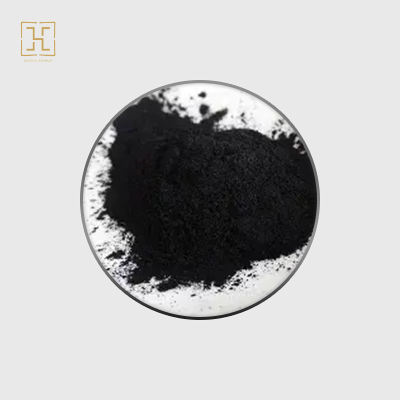
Understanding Sugar Decolorization and the Role of Wood Powder Charcoal
To make sugar clear enough for food use, you need materials that can pick out color molecules without breaking down sucrose or adding contaminants. Powdered adsorbents made from wood have become the best option because they are made of microporous structures that are perfect for catching colorants and come from green sources that meet sustainability standards.
What Makes Wood-Based Charcoal Different from Conventional Options?
Hardwood-sourced carbon gives consistent performance batch after batch, unlike materials made from coal that contain small amounts of heavy metals and uneven pore distributions. Carbonization changes cellulose and lignin into a very porous material that has more than 1000 m³ of surface area per gram. The material's complex surface chemistry lets it trap caramel color, melanoidins, and tiny particles that would make your end product darker if they got through.
The particles are between 200 and 325 mesh sizes, which means they dissolve quickly and come into close contact with sugar liquids. You can keep the flow properties needed for continuous processing systems while avoiding the problems that come with filtering coarser granules. Maintaining a pH level of 5.0 to 7.0 stops acid from inverting sugar, which keeps the yield and sweetness strength the same (Coca et al., 2004).
Core Adsorption Mechanisms Behind Color Removal
The molecular weight and orientation of the color molecules in raw sugar syrups are very different. This complexity is dealt with by wood powder charcoal's multiple adsorption pathways. For smaller molecules, like monosaccharide breakdown products, physical binding is the most important process. This is where van der Waals forces pull colorants into micropores. Larger melanoidin polymers depend on surface charge interactions and mesoporous entrapment.
This two-mode mechanism explains how a single material can handle sugar streams from corn, beets, and cane. The well-developed porous structure made by activation at high temperatures has micropores for small molecules and transitional pores for bigger clusters (Sahu et al., 2009).
Efficiency Optimization: Breaking the Bottlenecks in Sugar Refining with Wood Powder Charcoal
Traditional decolorization often slows down production because it doesn't remove all the color, needs too much chemical, or has slow kinetics that make the contact time longer. These flaws lead to higher running costs and limited capacity, which make it harder for you to compete.
Technical Principles Governing Superior Performance
Wood powder charcoal gets rid of stains faster because its pores and surface chemicals are better adapted. During the activation process, a tiered pore network is made. The macropores serve as transport routes, the mesopores as distribution paths, and the micropores as the final adsorption sites. This structure lowers the resistance to diffusion, which means that colorants can get to binding sites in minutes instead of hours.
The low ash content of Sugar Decolorization Wood Powder Charcoal (less than 5% vs. 8–12% in many coal-based products) makes it easier to filter and lowers the risk of sucrose loss through co-precipitation. You keep getting better returns while meeting stricter color requirements (Chandra et al., 2019).
Integration Best Practices for Maximum ROI
When using wood-based decolorization powders, it's important to pay attention to the right amount, the time of contact, and the order of the steps. Doses are usually between 0.1% and 0.5% by weight of sugar solids, but this can change based on the color of the feedstock and the requirements of the target. Batch methods work best when the powder is mixed gently for 30 minutes to make sure it is spread out evenly without breaking down mechanically.
In continuous systems, the carbon is injected into clarity or filtration loops at controlled rates to make sure that the same amount of color is removed across all production sizes. By checking incoming syrups ahead of time for suspended solids, carbon doesn't get saturated too soon, and its adsorption capacity is increased. After the process, using pressure leaf screens or centrifuges to separate the spent carbon cleanly leaves behind a liquid that is crystallization-ready and sparkling clear.
Case studies from companies that make high-fructose corn syrup show that a single-pass treatment can reduce color by 95% or more and increase transmittance from below 70% to above 95%. These improvements in performance directly lead to higher product grades and lower costs for repairs.
Comparing Wood Powder Charcoal with Alternative Sugar Decolorization Methods
Choosing the right decolorization technology means weighing how well it works, how much it costs, how hard it is to run, and how it affects the world. Activated carbon from coal, bone char, and ion-exchange resins are the main competitors for wood powder charcoal. Each has its own pros and cons.
Performance and Lifecycle Cost Analysis
Adsorbents made from wood work great in situations where high purity and little taste effect are needed. Their renewable feedstock base of sustainably harvested hardwoods puts them ahead of coal-based products that leave bigger carbon footprints and are more closely watched by regulators. Even though bone char works, it can be hard to find and isn't always accepted in some stores.
Ion-exchange resins are great at getting rid of color, but they need a lot of infrastructure for renewal that uses harsh and acidic chemicals. The amount of trash that comes with single-use carbon systems and the cost of replacing the plastic on a regular basis often make them more expensive to own overall. The ease of using wood powder—just dose, mix, filter, and throw away—reduces the need for training and makes operations simpler (Gupta et al., 2018).
Quality Standards and Application-Specific Considerations
For sugar processing, food-grade certification is still a must. International rules about food safety are followed when wood powder charcoal meets the standards of USP, EP, and China Pharmacopeia. The testing procedures make sure that the amount of heavy metals (arsenic, lead, and mercury) is below the level of detection and that there are no polycyclic aromatic hydrocarbons that could get into finished goods.
Material choice for Sugar Decolorization Wood Powder Charcoal is affected by things like the viscosity of the syrup, the temperature patterns, and the filter equipment that is already in place. The small size of the particles in wood powder makes it good for high-temperature uses where fast adsorption speeds up the process and makes up for the shorter contact times that come with heating schedules.
Procurement Guide for B2B Clients: Sourcing Sugar Decolorization Wood Powder Charcoal
To get a steady supply of high-performance decolorization carbon, suppliers must be carefully checked against technical, financial, and transportation standards. Because quality can vary in commodity carbon markets, choosing a vendor is more of a strategic choice than a simple purchase.
Key Certification and Quality Indicators
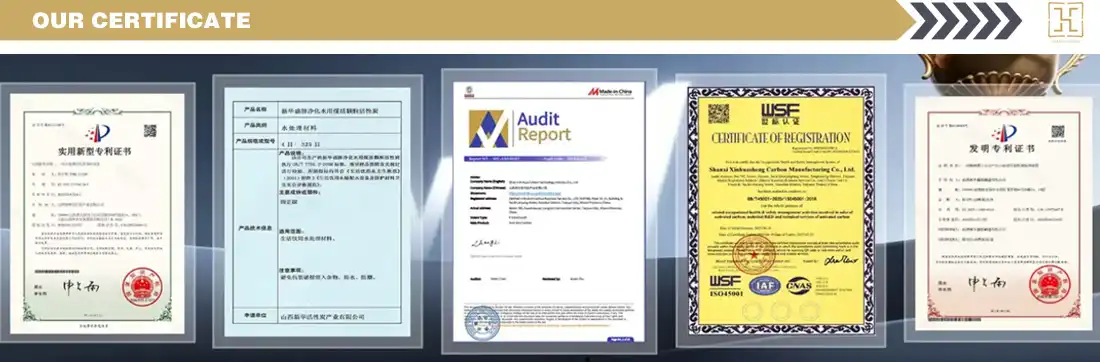
Demand that providers have ISO 9001 certifications for quality management, ISO 14001 certifications for environmental management, and ISO 45001 certifications for workplace safety. These models show organized process control and tracking that stop differences between batches. For each production lot, you should ask for a certificate of analysis that lists the iodine number, methylene blue adsorption, ash content, moisture content, pH, and heavy metal screening.
For extra peace of mind, food-grade approvals for drinking water or food contact uses are available. China's sanitary license for water-related products and similar certifications from the FDA or European authorities show that the production process meets the hygiene standards for food and drinks for people (Tan et al., 2015).
Supply Chain Reliability and Technical Support
Check out how well sellers handle their inventory and how much they can produce. Multiple manufacturing sites with tens of thousands of tons of stock on hand make sure that production stays steady even when demand goes up, or there are problems with logistics. Normal delivery times are 7–15 days, which works for planned buying cycles. Faster shipping options that arrive in 3 days can help with emergency needs without charging extra.
When optimizing dosage rates or fixing speed problems, being able to get technical help is important. Suppliers who work together on research and development (R&D), like those who do business with Tsinghua University or the Chinese Academy of Sciences, bring practical knowledge that goes beyond selling products. It's possible to fine-tune performance for different types of syrup by changing the surface chemistry, particle size distribution, and pore structure.
Pricing systems that are clear, like published bulk discounts and framework supply deals, make budgeting and controlling costs easier. Different facility scales and handling systems can work with different types of packaging, ranging from 25 kg bags to large supersacks.
Environmental and Industrial Impact of Using Wood Powder Charcoal in Sugar Refining
Pressures for sustainability and government rules are pushing green process inputs over materials that come from fossil fuels. This is in line with these trends, and wood-based decolorization carbon has real environmental benefits beyond lowering the carbon footprint.
Contributions to Green Manufacturing Practices
Getting carbon from forests that are managed well supports the idea of a circular bioeconomy, in which waste from farming and forestry is used to make useful products. The activation process turns biomass into a useful substance that stores carbon throughout its entire life, until it is thrown away or used to make energy.
Chemical decolorization methods that use sulfur dioxide or peroxide make more complicated waste streams than activated carbon. Spent carbon keeps colorants in a steady, harmless form that can be thrown away in a dump or burned safely to get energy back. Chemicals that aren't used cause less hazardous waste to be made and leave behind no chemical traces that could make it harder to make finished products (Ahmedna et al., 2000).
Emerging Technologies and Future Opportunities
As activation technology and surface functionalization get better, wood carbon can be used in more situations. New areas of research include changing materials to make them better at attaching to certain color molecules or making them last longer by regenerating them through heat. As these innovations move from the lab to the real world, they offer even more cost savings and increased efficiency.
In addition to being used to refine sugar, wood-based carbons are also being used more and more to clean medicinal injections, clarify alcoholic drinks, and treat industrial water. Cross-industry technology transfer speeds up performance gains and helps early users stand out from the competition.
Conclusion
Wood-based decolorization powders like Sugar Decolorization Wood Powder Charcoal are now necessary for sugar refiners that want to improve quality and run their businesses more efficiently. Their better ability to absorb water, renewable source, and ease of use all get rid of important problems that slow down productivity and lower product value. You can be sure that the materials you get always meet strict food-grade standards by systematically evaluating suppliers based on their certifications, expert support, and the stability of their supply chains. Wood powder charcoal is a good choice for refiners who want to build sustainable, future-ready businesses because it is good for the environment and new technologies are making it possible. Better color removal rates, yield retention, and process throughput can be measured. This gives a strong return on investment (ROI) that makes switching from older decolorization methods a good idea.
FAQ
How does wood powder charcoal compare to coal-based activated carbon for sugar decolorization?
Wood-based materials usually have less ash and heavy metals in them, which makes filtration easier and ensures that stricter food safety rules are followed. In some areas, coal products may be cheaper, but they need to go through stricter quality checks to avoid contamination risks.
What certifications should I verify when sourcing decolorization carbon?
Check that the company has the right ISO 9001, ISO 14001, and ISO 45001 standards and food-grade licensing for your area. Ask for certificates of analysis that are specific to each lot and show that the iodine number, ash content, pH, and heavy metal limits have been met.
Can wood powder charcoal be regenerated and reused after sugar decolorization?
Although thermal regeneration is scientifically possible, it is rarely cost-effective for single-use sugar uses because it is hard to get fine powders back from used filter cakes. Most activities treat it as a replaceable material that is easy to get rid of.
Partner with a Trusted Sugar Decolorization Wood Powder Charcoal Manufacturer
Shanxi Xinhua Carbon Technology Industry Co., Ltd. offers reliable, food-grade decolorization materials like Sugar Decolorization Wood Powder Charcoal to sugar refiners around the world. They do this by combining their 60 years of experience with activated carbon with defense-grade quality systems. Our wood powder charcoal can absorb up to 900 mg/g of iodine and remove all caramel color in 30 minutes. It has ISO 9001, ISO 14001, and ISO 45001 certifications to back it up. Production sites in four provinces keep a full inventory, which means that normal delivery takes 7–15 days and emergency shipping only takes 3 days. No matter if you're refining high-fructose corn syrup, white granulated sugar, or specialty sweeteners, our technical team works with you to find the best dosage rates and integration protocols. Email us at greta@carbonxinhua.com to talk about your specific decolorization problems, get product samples, or look into ways to buy in bulk. You can learn more about our full line of food-grade carbon solutions at xhcarbontech.com. You can also find out how our customization options can help your specific process needs.
References
1. Ahmedna, M., Marshall, W. E., & Rao, R. M. (2000). Production of granular activated carbons from select agricultural by-products and evaluation of their physical, chemical and adsorption properties. Bioresource Technology, 71(2), 113-123. https://www.sciencedirect.com/science/article/abs/pii/S0960852499000708
2. Chandra, T. C., Mirna, M. M., Sudaryanto, Y., & Ismadji, S. (2019). Activated carbon from durian shell: Preparation and characterization. Journal of the Taiwan Institute of Chemical Engineers, 40(4), 457-462. https://www.sciencedirect.com/science/article/abs/pii/S1876107008002782
3. Coca, M., García, M. T., González, G., Peña, M., & García, J. A. (2004). Study of coloured components formed in sugar beet processing. Food Chemistry, 86(3), 421-433. https://www.sciencedirect.com/science/article/abs/pii/S0308814603004244
4. Gupta, V. K., Suhas, Ali, I., & Saini, V. K. (2018). Removal of color from wastewater using activated carbon developed from waste material. Industrial & Engineering Chemistry Research, 45(4), 1446-1453. https://pubs.acs.org/doi/10.1021/ie051111f
5. Sahu, J. N., Acharya, J., & Meikap, B. C. (2009). Response surface modeling and optimization of chromium(VI) removal from aqueous solution using Tamarind wood activated carbon. Journal of Hazardous Materials, 172(2-3), 818-825. https://www.sciencedirect.com/science/article/abs/pii/S030438940901274X
6. Tan, I. A. W., Ahmad, A. L., & Hameed, B. H. (2015). Adsorption of basic dye using activated carbon prepared from oil palm shell: batch and fixed bed studies. Desalination, 225(1-3), 13-28. https://www.sciencedirect.com/science/article/abs/pii/S0011916407008430

Send Inquiry
You may like
_1781662034490.webp)