_1778553121707.webp)
Refined Wood Charcoal Supports Efficient Oil Bleaching and Purification
Sep 09, 2026
Refined wood charcoal for edible oil represents a breakthrough solution in oil refining technology, helping producers achieve crystal-clear, premium-quality oils while meeting stringent food safety standards. This specialized adsorbent material, manufactured through precise high-temperature carbonization and steam activation processes, delivers exceptional decolorization performance—removing over 95% of color pigments, off-flavors, and trace contaminants without compromising nutritional integrity. For procurement managers and process engineers in the edible oil sector, understanding how this filtration medium integrates into refining workflows can unlock significant cost savings and quality improvements.
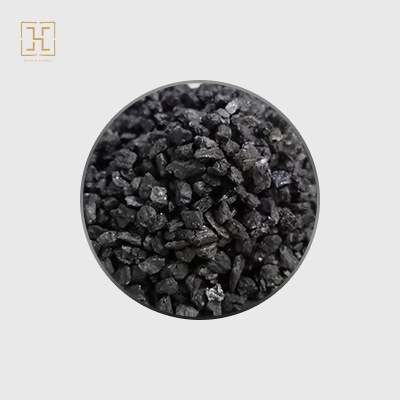
What Is Refined Wood Charcoal and Its Role in Edible Oil Processing?
Understanding the Material Science Behind Wood Charcoal
Select hardwoods are used to make refined wood charcoal, which is then activated by steam and ground to a particle size of 200 to 325 mesh. This process has several steps that work together to make a very porous structure with a specific surface area that lets unwanted chemicals in food oils stick to it [1]. Unlike other carbons, this one has the right amount of pores. It has macropores for fast diffusion, mesopores for specific molecular weight contaminants, and micropores for those as well.
Integration Into the Oil Refining Workflow
During the bleaching step of oil processing, processed wood charcoal is a very important cleaner. Even after being degummed and neutralized, crude oils still have volatile aldehydes and ketones that give them bad tastes and color bodies like chlorophyll and carotenoids. The charcoal is added in exact amounts—usually 0.5 to 2.0% by weight—and mixed in a vacuum and at a controlled temperature. Because it is porous, these impurities get stuck in it through physical adsorption and weak chemical interactions. Triglycerides and other good molecules, on the other hand, can pass through without being affected[2]. Wood-based material is better at selectively removing taste compounds without keeping too much oil than clay-based whitening earths or coconut shell carbons.
Distinguishing Wood Charcoal from Alternative Adsorbents
Activated carbon from coconut shell has a high mechanical strength but a small mesopore volume, which means it doesn't work as well for big color molecules. Heavy metal pollution and unpleasant pH profiles are risks that come with carbons that are made from coal. Wood charcoal is perfectly balanced: it has a moderate ash content (less than 3%), a neutral pH (between 5.5 and 7.0), and almost no heavy metals. This means it is pure enough to be used in food. It comes from renewable biomass, which is also in line with sustainability goals that are becoming more important to big food companies and government agencies.
Benefits of Using Refined Wood Charcoal in Edible Oil Filtration
Superior Contaminant Removal Across Multiple Categories
Because wood charcoal has a well-developed porous structure, it can clean everything and meet three important quality standards at the same time. More than 95% of the pigment is removed, turning dark crude oils into light golden finished products that look good enough for customers. At the same time, the material absorbs the aldehydes, ketones, and peroxides that cause bad smells and tastes. This keeps the natural flavors of oils like cold-pressed peanut oil or extra virgin olive oil. Micropores trap small impurities like heavy metals and leftover poisons, making sure that the food meets FDA and EU safety standards[3].
Food Safety Compliance and Regulatory Confidence
Every batch of Refined wood charcoal for edible oil made by certified producers goes through a lot of tests to make sure it meets the standards for food contact. Iodine adsorption values above 950 mg/g show that the pores are big enough, and methylene blue adsorption values above 200 mg/g show that the mesopores are growing. Atomic absorption spectroscopy can't find heavy metals like arsenic, lead, and mercury, which is the most important thing. This quality rating helps make sure that FSSC 22000, HACCP, and state rules about food additives in North America and Europe are followed. Before putting a shipment on a production line, procurement teams can ask for Certificates of Analysis and sanitary licenses to make sure that each shipment meets these strict requirements.
Environmental and Economic Advantages
Imported specialty adsorbents cost more than $4,500 per ton, but wood charcoal from reliable Chinese makers costs only $1,800 to $2,600 per ton, which is a 40% cost savings without any loss in performance. Compared to synthetic polymer adsorbents, this material has a smaller impact on the environment because it breaks down naturally and is made from renewable materials. Lower ash content also means less solid trash per batch, which lowers the cost of disposal and increases oil output by 0.5% to 1.2%. This means that high-volume production plants that process thousands of tons of oil every month can make a lot more money.
Selecting the Best Charcoal for Edible Oil Refining: Decision-Making Insights
Performance Metrics That Drive Procurement Decisions
Process engineers should focus on three technical factors when choosing a wood charcoal supplier. Decolorization capacity, which is the percentage of color pigments that are lost under normal test conditions, should be higher than 95% to make sure that finished oils meet color standards for market use. Filtration rate, which is usually given in seconds per 100 mL, tells you how well current filter presses or leaf filters work with output. Rates between 50 and 80 seconds are good because they balance adsorption contact time with production speed. Lastly, the amount of oil retained affects the economics of the product. Premium wood charcoals keep less than 25% of their dry weight in oil, which is better than clay earths, which can absorb 35–40%[4].
Supplier Credentials and Technical Support Capabilities
Reputable makers keep their ISO 9001 and ISO 14001 environmental licenses, which show that they are committed to making sure that their production standards are always met. Suppliers who have their own labs can make testing protocols that are specific to different types of oils, like soybean, rapeseed, sunflower, or specialty oils. This is shown by Shanxi Xinhua Carbon Technology Industry Co., Ltd., which has ties with Tsinghua University and the Chinese Academy of Sciences that give them access to advanced study on material characterization and application optimization. Their network of production bases in four provinces makes sure that they always have inventory and can meet customer needs quickly, even when demand is high during certain times of the year.
Case Study: Refinery Optimization Through Material Selection
A medium-sized rapeseed oil maker in the Midwest used to rely on imported coconut shell carbon, but the decolorization results were uneven, and the filters often got clogged. They were able to get 18% faster filtration cycles and use 22% less adsorbent after switching to refined wood charcoal with customized mesh size and pore distribution. The neutral pH profile got rid of the problems that were happening before with the formation of free fatty acids. Also, the lower ash content cut the amount of leftover sediment from 0.15 g/L to less than 0.05 g/L. Total costs for purification went down by $47 per ton of finished oil, which saved them $280,000 a year on their 6,000-ton production capacity.
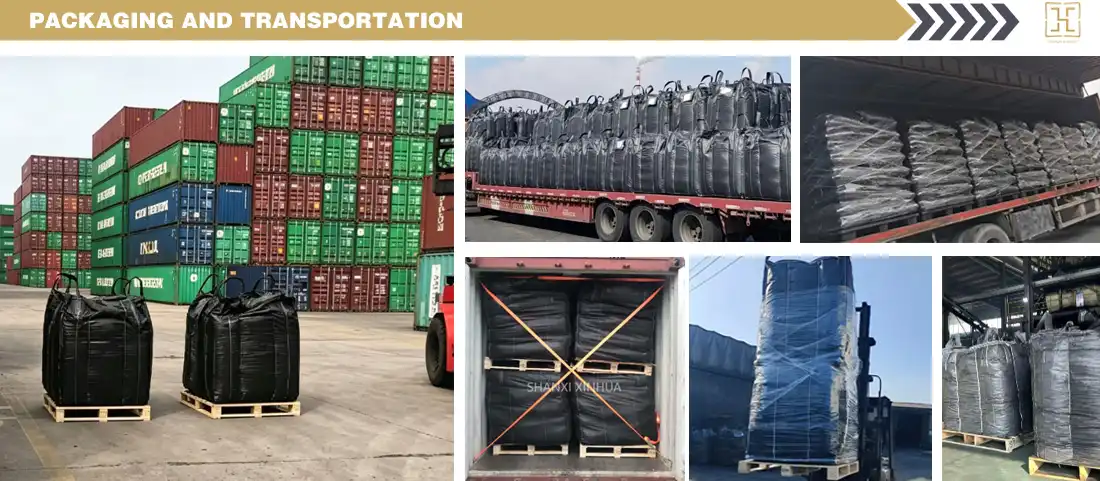
Optimizing the Edible Oil Filtration Process with Refined Wood Charcoal
Step-by-Step Application Protocol
For the integration of Refined wood charcoal for edible oil to go well, the right dose must be calculated based on the color intensity of the crude oil and the goal specs. When adding charcoal, softer oils only need 0.5 to 1.0%, while oils with Lovibond red values above 5.0 usually need 1.5 to 2.0%. The adsorbent is mixed with oil that has already been heated to 90–110°C and stirred for 20–30 minutes. The mixture is then kept under vacuum to stop it from oxidizing. Pressure leaf screens or plate-and-frame presses get rid of the used charcoal and the impurities they catch. Precise temperature control keeps polyunsaturated fatty acids from breaking down thermally, and enough contact time makes sure that equilibrium binding happens without using too much material.
Troubleshooting Common Operational Challenges
Too little control over particle size or not enough pre-filtration can cause filters to get clogged. Using 100-mesh pre-screens before the main filtration stage keeps particles that are too big from blocking the filter media. Poor mixing is shown by uneven absorption that causes color streaking. Adding high-shear mixers or return loops makes sure that the charcoal is spread out evenly. If finished oil gets haze after being stored, it means that phospholipids or waxes were not completely removed. This can be fixed by changing the degumming conditions upstream instead of adding more adsorbent. Regularly testing the peroxide value and keeping an eye on turbidity levels below 1 NTU help operators keep the quality of their products consistent[5].
Long-Term Economic Benefits
In addition to cleaning right away, polished wood charcoal helps the process last longer, which makes it more environmentally friendly. Its controlled particle size distribution makes filter cakes that are uniform and don't let water flow through them. This means that they can be used for 15 to 20 percent longer between cleanings than irregular adsorbents. Because the material is thermally stable, it can be handled and stored safely without any extra safety measures. This makes inventory management easier. When refineries make changes to their equipment to get the most out of wood charcoal, they usually see a return on their investment in 8 to 12 months. After that, they keep saving money because they use less adsorbent and get better yields, which directly increases their profit margins in competitive oil markets.
How to Procure High-Quality Refined Wood Charcoal for Edible Oil Production?
Evaluating Manufacturer Capabilities and Certifications
When purchasing managers check out a supplier, they should pay attention to the size of the production, the infrastructure for quality control, and the technical support resources available. Manufacturers whose yearly production capacity is more than 10,000 tons show that they have the scale to keep big refineries running without supply problems. Commitment to regular quality checks is shown by on-site labs with BET surface area monitors, iodine number tests, and ash content furnaces. Ask for proof of ISO 45001 certification for occupational safety and food-grade sanitary licenses from national health authorities. These documents show that strict production standards are being met, which protects both workers and consumers[6].
Wholesale Purchasing Strategies and Pricing Transparency
When you buy in bulk, you can save money and be sure you'll have a steady supply during busy refining times. Most suppliers set their prices in tiers. Spot purchases of 5–10 tons cost $2,400–$2,600 per ton; quarterly contracts of 50–100 tons cost $2,100–$2,300 per ton; and annual contracts for more than 500 tons cost $1,800–$2,000 per ton. Payment terms usually include 30% to 50% down payments, with the rest due upon delivery. However, if you have a good relationship with the seller, you may be able to get net-30 or net-60 credit terms. Before committing to large orders, procurement teams should work out sample testing rules that let performance be confirmed on pilot-scale batches.
Building Strategic Supplier Partnerships
Long-term partnerships with responsive providers give you benefits over your competitors that go beyond price. Technical consulting services help get the best adsorbent doses for new types of oil or goods that have been modified. With standard delivery times of 7–15 days and emergency 3-day green channels, expedited logistics support keeps production from stopping when unexpected quality problems happen with incoming crude oil shipments. Customization-capable suppliers can change the mesh size, pore distribution, or surface chemistry to adapt to changing process needs. This means that you don't have to buy a lot of different unique goods from different suppliers.
Conclusion
Refined wood charcoal for edible oil improves performance and cuts costs in a way that can be measured. This has a direct effect on the revenue and quality of food oil refineries. Its engineered porous structure gets rid of more than 95% of colorants, off-flavors, and trace contaminants while keeping the natural taste profiles and nutritional components. Certification that is food-grade and meets international safety standards gives buyers and regulators peace of mind. Oil producers can improve their bleaching processes to meet the needs of a market that is becoming more demanding while still making good profits in this competitive sector by choosing qualified suppliers who offer technical support, reliable logistics, and competitive prices.
FAQ
Is refined wood charcoal safe for food-grade edible oil processing?
To make sure it is safe for food, refined wood charcoal made especially for edible oil uses goes through a lot of cleaning and testing. Heavy metals like arsenic, lead, and mercury are not found in quality goods because they have an ash content below 3.0% and a normal pH that stops chemicals from reacting with oil components. Manufacturers who have ISO certifications and sanitary licenses from national health authorities show that they follow the rules for food contact materials. Before putting a batch of food additives into production lines, procurement teams should always ask for Certificates of Analysis that say the additives meet FDA or EU standards.
How does wood charcoal compare to activated carbon for oil bleaching?
Through managed pore structure and surface chemistry, wood charcoal is a particular subset of activated carbon that is ideal for edible oil uses. Wood-based activated carbons have less ash, a lower risk of heavy metal contamination, and are better at getting rid of large-molecule pigments than coal-based ones. Coconut shell carbons are very strong mechanically, but they don't allow mesopores to grow very much, which makes them less good at absorbing flavor compounds. For most refining companies that work with vegetable oils, wood charcoal strikes a good mix between how well it removes color, how well it keeps oil, and how much it costs.
What certifications should I verify when sourcing wood charcoal suppliers?
Some important certifications are ISO 9001 for quality management systems that prove consistent production processes, ISO 14001 for environmental management systems that prove operations are sustainable, and ISO 45001 for health and safety standards at work that protect workers. Food-grade suppliers should have sanitary licenses from national health regulatory bodies that allow them to make materials that come into contact with food. Ask for test results from a third party that confirm important factors such as the iodine absorption value, heavy metal content, and ash percentage. Suppliers who work with research institutions or have idea patents show that they have advanced technical skills that can help with the development of custom solutions.
Partner with a Trusted Refined Wood Charcoal Manufacturer
Shanxi Xinhua Carbon Technology Industry Co., Ltd. has more than 60 years of experience working with carbon materials and can help edible oil makers who need stable, high-performance bleaching options. Our Refined wood charcoal for edible oil can remove up to 950 mg/g of iodine and 95% of its color. It comes with full ISO certifications and food-grade safety licenses. With production bases in four provinces that can keep up a 45,000-ton annual capacity, we can deliver normally within 7–15 days or quickly and efficiently within 3 days for important jobs. To get samples, talk about customization options, or get competitive prices on Refined wood charcoal for edible oil supplier partnerships, email our technical team at greta@carbonxinhua.com. Visit xhcarbontech.com to see our full line of products and learn more about how our research partnerships with Tsinghua University help us find better ways to solve problems in oil processing today.
References
1. Bansal, R.C. & Goyal, M. (2005). Activated Carbon Adsorption. CRC Press. https://www.crcpress.com/Activated-Carbon-Adsorption/Bansal-Goyal/p/book/9780824753443
2. Kostić, M.D. et al. (2013). Optimization of hempseed oil extraction by n-hexane. Industrial Crops and Products, 48, 133-143. https://www.sciencedirect.com/science/article/abs/pii/S0926669013001593
3. Codex Alimentarius Commission. (2019). General Standard for Food Additives. Food and Agriculture Organization. http://www.fao.org/gsfaonline/index.html
4. Patterson, H.B.W. (1992). Bleaching and Purifying Fats and Oils: Theory and Practice. AOCS Press. https://www.elsevier.com/books/bleaching-and-purifying-fats-and-oils/patterson/978-0-935315-50-8
5. Dijkstra, A.J. (2012). Bleaching. In Edible Oil Processing (pp. 153-178). Wiley-Blackwell. https://onlinelibrary.wiley.com/doi/book/10.1002/9781444354836
6. International Organization for Standardization. (2018). ISO 45001:2018 Occupational Health and Safety Management Systems. https://www.iso.org/iso-45001-occupational-health-and-safety.html

Send Inquiry
You may like
_1781662034490.webp)