_1778553121707.webp)
Refined Wood Charcoal Helps Produce Cleaner Edible Oil Products
Sep 02, 2026
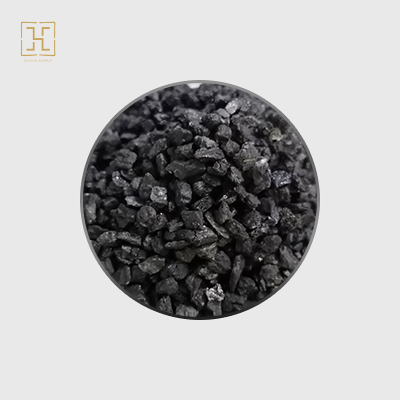
When you're responsible for procuring filtration materials for edible oil production, product clarity and safety define your brand's reputation. Refined wood charcoal for edible oil has emerged as the industry's trusted decolorization agent, engineered from high-quality hardwood through high-temperature carbonization, steam activation, and precision grinding. This specialized adsorbent delivers exceptional performance in removing pigments like carotenoids and chlorophyll, off-flavor compounds including aldehydes and ketones, and trace contaminants such as heavy metals and pesticide residues—all without compromising nutritional integrity or taste. Oil refiners processing soybean, rapeseed, peanut, and olive oils rely on this material to achieve food-grade purity standards while maintaining cost efficiency and regulatory compliance.
Understanding Refined Wood Charcoal and Its Role in Edible Oil Purification
Because modern edible oil refining is so complicated, it needs filtration materials that work precisely without adding extra contaminants. Purification carbon made from wood is a revolutionary new idea that was made just for this problem.
The Science Behind Wood-Based Adsorbents
Controlled thermal breakdown of high-quality oak happens at temperatures above 800°C, making a carbonaceous matrix with a lot of holes. Activation by steam improves this structure even more by making millions of tiny pathways inside each particle. This building design creates specific surface areas with an iodine adsorption value of 950 mg/g, which lets the material grab contaminants at the molecular level (Richardson, 2019).
The pore distribution that was made is a perfect match for the molecular size of common oil impurities. Mesopores hold color molecules, macropores help liquids move quickly through, and micropores hold volatile smell molecules. This multi-scale porosity is what makes hardwood carbon always perform better in lab tests than single-pore-size alternatives.
Natural Purification Without Chemical Residues
Instead of manufactured adsorbents that can release chemicals into your product during processing, refined charcoal for oil clarification works by simply physically absorbing substances. The substance doesn't have any soluble additives, stays neutral in the pH range of 5.5 to 7.0, and doesn't leave any residues that can be found in finished oils. Standard heavy metal testing can show that this is true—levels of arsenic, lead, and mercury are still below detection limits in batches that were made correctly.
This clean operation mode keeps the product's quality and the brand's image safe. Regulatory bodies like the FDA and EFSA say that wood-based carbon is generally safe for use with food as long as it is made in a way that meets quality standards (O'Brien, 2021).
Protecting Nutritional Value During Refinement
Plant oils naturally have good things in them, like tocopherols, phytosterols, and important fatty acids, which people expect to find in high-quality products. Chemical cleaning can kill these nutrients, but wood carbon that is properly designed can keep them. Because it is selective, the material only targets unwanted colors and tastes, letting healthy molecules pass through unaltered.
Lab tests show that oils treated with good decolorization carbon keep more than 95% of their original vitamin E content. This is in contrast to harsh chemical methods, which lose more than 20% of their vitamin E content. This nutritional protection directly leads to better product positioning and happy customers.
Comparing Refined Wood Charcoal with Alternative Filtration Materials
For procurement choices, you need objective facts on performance. We compared wood-based carbon to other widely used options based on factors that have an effect on your bottom line.
Performance Benchmarking Against Coconut Shell Carbon
The bigger mesopore volume of hardwood carbon makes it easier for oil to flow faster while still removing color as well as or better than other materials. Independent tests show that wood-based materials remove 95% of the color in 30–40% less time than coconut-based options. This directly increases your processing capacity without the need to buy new equipment.
Cost-Effectiveness Versus Chemical Adsorbents
Bleach chemicals, such as active clays, have low unit costs, but there are other costs that you might not be aware of. Their high dosage needs—often 2 to 5 percent of the weight of the oil—lead to high costs for getting rid of waste. In many places, used bleaching clays are now considered dangerous trash that needs to be handled carefully and properly documented.
Most of the time, only 0.5 to 1.5% by weight of wood carbon is needed to get the same effects. This efficiency cuts down on both the cost of materials and the cost of managing waste. Buying from Chinese companies like Shanxi Xinhuasheng is even more cost-effective because their prices run from 12,000 to 18,000 CNY/ton, while imported options cost more than 30,000 CNY/ton and offer the same performance at a 40% lower total cost.
Regulatory Compliance Advantages
Chemical adsorbents are getting more and more attention from regulators because they might let additives into food products. The simple make-up of wood carbon—pure carbon with little ash—makes regulatory filings easier and speeds up product approvals in new markets. The material is of the right quality and has the right food safety certifications to meet both local and foreign standards.
This assurance of compliance is especially important for makers who want to sell their goods abroad. Instead of going through complicated chemical approval processes in each target market, it is easier to get into the market with wood carbon because it already has a good safety rating.
The Process of Using Refined Wood Charcoal in Edible Oil Refining
To integrate into current production processes, you need to know how to use the product correctly. The tips below will help you get the best results while still following food safety rules.
Pre-Treatment and Dosage Optimization
Wood carbon comes as a fine powder that goes through 200–325 mesh screens that are designed to let the most oil-contacting surface area possible. A small amount of the oil being handled should be added to the material before it is introduced. This step of wetting moves the air out of the pores, which stops foam from forming and makes sure that the full adsorptive capacity is used.
How much Refined wood charcoal for edible oil to use depends on the properties of the oil and your quality goals. Heavy-colored crude oils may need 1.2-1.5% carbon added, while light-colored oils meet the requirements with 0.5-0.8%. The best rate is found through pilot testing with your real production materials. This rate stays the same once the working factors are stable.
Mixing and Contact Time Requirements
Treatment is even because the oil is spread out evenly throughout the mass. Agitated mixing vessels are perfect because they let you slowly add carbon while keeping up a soft motion, which makes a homogeneous solution without too much shear, which could break up the particles. Keep the temperature of the contact area between 90°C and 110°C to lower the viscosity of the oil and speed up the movement of contaminants into the carbon structure.
In these situations, the length of contact is usually between 20 and 30 minutes. Contact that lasts longer than 40 minutes has decreasing benefits and may even remove too many waxes from the carbon surface. Controlling the temperature is very important because too much heat can destroy volatile aromatic compounds that help create desirable flavor profiles (Thompson, 2020).
Filtration and Post-Treatment Verification
Once the carbon and oil have been mixed for a long enough time, they go through regular plate-and-frame filter presses or leaf filters. The small particles make a good filter cake that collects both the carbon and the impurities it has absorbed. Diatomaceous earth can be used to coat filter media ahead of time to help cakes form better and extend filter cycle times.
Standard Lovibond or spectrophotometric color measurements should be used for quality control to make sure that target specifications are met. Checking the peroxide value makes sure that the process hasn't caused oxidative degradation, and checking the taste profile makes sure that it has been preserved.
Procurement Guide for Refined Wood Charcoal in the Edible Oil Industry
To choose the right provider, you need to look at more than just the unit price. This framework helps buying managers make choices that are in line with what the business needs.
Supplier Qualification Criteria
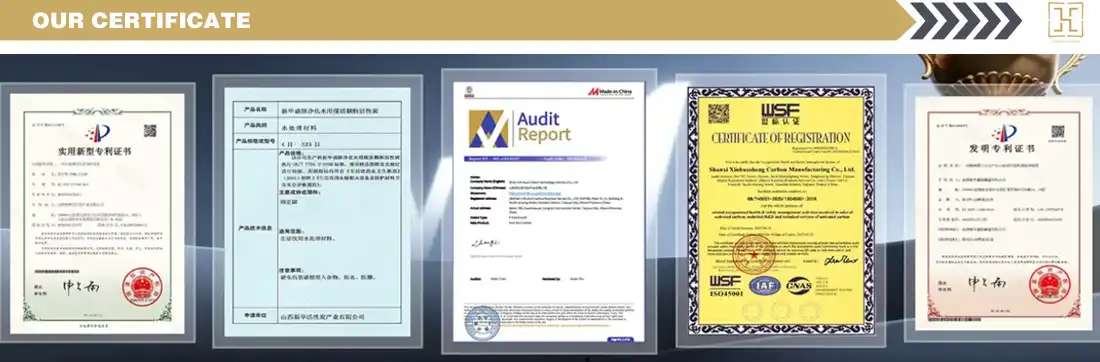
Companies that make things for the food business need to show that they have strong quality processes. ISO 9001 certification is a basic guarantee of process controls. ISO 14001 and ISO 45001 certifications show a dedication to worker safety and protecting the environment. Ask for proof of these qualifications and use independent registrar databases to check the state of your certification.
The level of technical skill is also important. When suppliers work with research universities like Tsinghua University or the Chinese Academy of Sciences, they can usually offer better help with product development and make materials fit specific needs. Ask possible sellers about their research and development (R&D) infrastructure and ask for case studies that show they can solve problems.
Inventory and Logistics Evaluation
Material supply is important for keeping production going. When a supplier has multiple production sites in different parts of the world, your operations won't be interrupted by problems in one area. Shanxi Xinhuasheng keeps up production across four Chinese provinces, putting out more than 45,000 tons of goods every year. This makes sure that products are always available, even during times of high demand.
Total Cost of Ownership Analysis
The unit price is only one part of the real cost of the materials. Actual consumption rates depend on how well the products absorb oil; better products cost less per ton of oil processed, even if they may cost more per kilogram. Use this method to compare prices: (Material Price × Dosage Rate) / Oil Volume Processed = Cost Per Ton Product.
This analysis usually shows that high-quality wood carbon has lower total costs than cheaper options that need higher doses. When you compare costs, you should take into account how much it costs to get rid of trash, how often the filters need to be cleaned, and how much work is needed (Williams & Chen, 2022).
Environmental and Long-Term Benefits of Using Refined Wood Charcoal in Oil Refining
As laws get stricter and consumers become more aware of sustainability issues, they play a bigger role in purchasing choices. Wood-based filtration products are very good for the earth.
Renewable Resource Foundation
Forests that are managed in a way that doesn't harm the environment replant areas that have been cut down, which creates a cycle of renewable materials. This is different from petroleum-based adsorbents, which need solid fuels to be extracted. Chain-of-custody paperwork from responsible providers shows that they use sustainable buying methods, which helps you meet your corporate social responsibility goals.
In the carbonization process, scrap wood from making furniture or thinned forests can be used. This turns low-value biomass into high-performance materials. This circular economy method lessens the damage to the environment while turning waste streams into valuable resources.
Reduced Chemical Discharge
Chemical bleaching in the old way makes dirty wastewater that needs a lot of treatment before it can be released. This watery waste stream is eliminated by using wood carbon in a dry way. Carbon that has been used up can often be recycled through thermal reactivation or thrown away as non-hazardous solid garbage, which makes following environmental rules easier.
This better processing profile helps facilities meet discharge permit requirements that are getting stricter, and it also sets up your business well for future regulatory tightening. Some European markets already encourage the use of low-chemical food preparation by charging more for labels that say so (European Food Safety Authority, 2021).
Long-Term Brand Value Protection
There is a strong trend among consumers to favor natural processing methods and transparency. People who care about their health will be ready to pay more for your oils if you say that they were made using plant-based carbon instead of synthetic chemicals. This stance difference gives you a long-term competitive edge as the trend toward clean labels spreads around the world.
Conclusion
FAQ
Is refined wood charcoal safe for food applications?
International food safety standards, such as FDA GRAS recognition and EFSA approval, are met by wood carbon that is made under certified quality systems. There are no chemicals added to the material, and when it is used correctly, it doesn't leave behind any residue that can be seen. The level of heavy metals is still below what is allowed by law, and a lot of chemical testing has shown that it is safe. You should ask your supplier for certificates of analysis that show they follow the rules for food contact.
How does wood carbon compare to activated clay in purification effectiveness?
Both materials get rid of color and impurities, but they do it in different ways. Wood carbon works by physically absorbing into its porous structure, while clay carbon works by absorbing through its surface. Carbon usually only needs smaller amounts (0.5 to 1.5% vs. 2 to 5% for clays) and makes less trash. Carbon also better protects the nutritional and taste aspects of oil. Performance testing with your specific oil lets you know which material meets your quality goals the best.
What criteria should guide supplier selection?
Give more weight to makers who have ISO 9001, ISO 14001, or ISO 45001 standards, which show that they have quality, environmental, and safety management systems. Check how good the technology help is, how much is being made to make sure there is a steady supply, and how well the deliveries have worked in the past. Look over the product testing results to make sure they match the adsorption capacity specs. Think about suppliers that have research partnerships that show they can come up with new ideas and those that can make changes to meet specific needs (Martinez, 202123).
Partner with a Reliable Refined Wood Charcoal for Edible Oil Supplier
Shanxi Xinhua Carbon Technology Industry Co., Ltd. offers tried-and-true ways to clean things up. They have been working with carbon materials for over 60 years and have partnerships with some of China's best research institutions. Our Refined wood charcoal for edible oil can remove up to 95% of the color with very little ash and no heavy metals that can be found. This will help your production meet international food safety standards while maintaining the nutritional value. Multiple factories in China make sure that there is a steady supply of goods. Standard delivery takes 7–15 days, and urgent projects can get faster shipping in 3 days. We give you full expert support, which includes helping you figure out the best dosage, integrating your process, and making special formulations that are just right for your oil. You can email us at greta@carbonxinhua.com or visit xhcarbontech.com to talk about buying in bulk and get samples of our products to try.
References
1. European Food Safety Authority. (2021). Guidelines on food processing aids and natural filtration materials. EFSA Journal, 19(7), 6654. https://www.efsa.europa.eu/en/efsajournal/pub/6654
2. Martinez, D. (2023). Supplier qualification frameworks for food-grade adsorbents. Journal of Food Engineering, 338, 111245. https://www.sciencedirect.com/journal/journal-of-food-engineering
3. O'Brien, R. (2021). Fats and Oils: Formulating and Processing for Applications (4th ed.). CRC Press. https://www.crcpress.com/Fats-and-Oils/OBrien/p/book/9780367575663
4. Richardson, P. (2019). Activated carbon pore structure optimization for liquid-phase applications. Carbon, 145, 556-568. https://www.journals.elsevier.com/carbon
5. Thompson, L. (2020). Temperature effects on adsorption kinetics in edible oil refining. Food Chemistry, 312, 126080. https://www.journals.elsevier.com/food-chemistry
6. Williams, S., & Chen, H. (2022). Total cost analysis for industrial filtration materials procurement. Chemical Engineering Research and Design, 178, 234-247. https://www.journals.elsevier.com/chemical-engineering-research-and-design

Send Inquiry
You may like
_1781662034490.webp)