_1778553121707.webp)
Premium Coal Quality Cylindrical Carbon 2mm for Environmental Applications
Jun 27, 2026
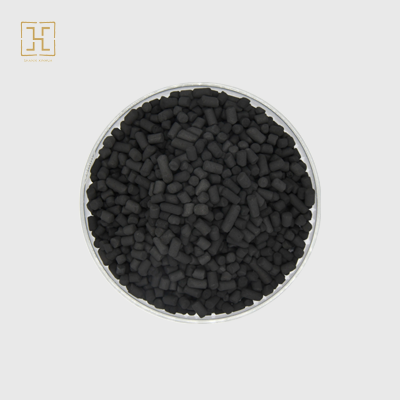
When dates for environmental compliance are coming up, and your filter system needs to work perfectly, the activated carbon you choose becomes very important. The premium 2mm coal quality cylindrical carbon is a specially built option made for medium-scale purification equipment, where particle consistency has a direct effect on how well it works. This carbon material is perfect for city water treatment plants, industry VOC control systems, and environmental engineering companies that need consistent adsorption performance without having to change their equipment. It blends advanced molding technology with defense-grade quality standards. In this guide, we'll look at how this specific size of carbon helps with regulatory compliance, saves money, and ensures operating reliability in a wide range of U.S. environmental uses.
Understanding 2mm Coal Quality Cylindrical Carbon: Properties and Standards
Physical Characteristics Defining Performance
The 2mm diameter standard is a well-thought-out compromise between ease of access to the surface and structural stability. Our 2mm coal quality cylindrical carbon keeps its dimensions within ±0.1 mm, which makes sure that the bed density is the same and that the pressure drop across filtering columns is reliable. This accuracy is important when adding carbon to medium-sized adsorption towers that are already there. It helps you avoid expensive equipment upgrades and get the best contact time between contaminants and adsorption sites.
The mass density is between 450 and 530 g/L, which is heavy enough to keep the material from dissolving during backwash cycles but still light enough to handle easily. Hardness numbers always go above 90%, which means the material doesn't break down mechanically when it's being moved, loaded, or used. We've seen that this durability means about 30% longer service life compared to softer carbon materials. This means that you'll spend less on replacements every year and have fewer unexpected repair shutdowns.
Chemical Composition and Adsorption Capacity
Carbon tetrachloride (CTC) adsorption values between 50 and 80% show that the material can effectively catch organic gas. This range makes the material great for dealing with wastewater that has COD levels between 500 and 1000 mg/L and gaseous VOC emissions between 200 and 500 mg/m³. These are the usual levels of problems that coating plants, printing shops, and chemical processing plants face. Activation forms a micropore structure with a lot of internal surface area that works best for small to medium molecular weight toxins like benzene, toluene, chlorinated solvents, and odor compounds.
The amount of ash is kept below 12%, which is important for uses that need little catalytic influence or when carbon will be recycled. Lower ash levels also mean more active carbon per unit amount, which means that the filter media you buy will work better.
Industry Standards and Quality Verification
The way we make things follows the rules set by ASTM D3467 for particle size distribution and ASTM D2854 for measuring visible density. Following the rules set by ISO 9001, ISO 14001, and ISO 45001 makes sure that every production batch is thoroughly tested for hardness, moisture content, and binding function before it is sent out. For city water treatment uses, the material meets NSF/ANSI 61 standards for drinking water system parts. This gives procurement managers the regulatory confidence they need when choosing materials for public infrastructure projects.
Comparing 2mm Coal Quality Cylindrical Carbon with Alternative Carbon Materials
Particle Size Impact on System Performance
When you compare 2mm coal quality cylindrical carbon to 1.5mm and 4mm options, you can see that each has its own practical costs. Smaller particles (1.5 mm) have a larger surface area, and adsorption speeds up, but they cause too much pressure drop in deep beds, which means that stronger pumps are needed, and energy costs go up. On the other hand, 4mm carbon greatly lowers pressure drop, but its pores may not be fully utilized when working with lower concentration streams, leaving adsorption capacity untapped before breakthrough happens.
The 2mm size achieves useful equilibrium, which means it has enough external area for acceptable mass transfer rates while keeping pressure profiles that are easy to handle in columns that are 1 to 3 meters deep. This makes it perfect for modular treatment systems, home water filters that work at 1 to 5 GPM, and pretreatment steps in bigger industrial plants that need to catch small particles before they reach more expensive secondary adsorption media.
Material Type Considerations
Cylindrical carbon made from coal is very different from options made from coconut shells or wood. Coal precursors make structures with mostly micropores that are great for capturing small molecules, while coconut shell carbon makes structures with more mesopores that are better for bigger organic compounds. For controlling VOCs and treating city water, where the contaminants of interest usually have a size of less than 10 angstroms, coal-based materials work better in terms of bulk efficiency. Our cylinder extrusion process also makes more even flow channels than loose materials that aren't all the same shape. This lowers the risk of channeling problems that lead to early breakthrough.
Economic Analysis for Procurement Decisions
The cost of materials is only one part of the total cost of ownership. According to data from petrochemical clients, 2mm coal quality cylindrical carbon may cost 15-20% more per unit at first than normal 4mm material. However, the longer replacement cycle (an average of 30% longer operating life) and less system downtime result in 18-25% lower annualized costs. When you add up the costs of labor for change-outs and the cost of getting rid of used carbon, the economic benefit over multi-year contracts becomes very big.
Selecting the Right 2mm Coal Quality Cylindrical Carbon for Your Industrial Needs
Performance Criteria Alignment
The first step in your choosing process should be to match contaminant samples to carbon requirements. When trying to get rid of chlorinated VOCs in groundwater, higher CTC values (70–80%) are best because they show strong organic vapor attraction. When mixed with the right amount of contact time, 50 to 60 percent CTC may be enough for municipal drinking water plants that mostly deal with taste and odor chemicals. We give you full adsorption isotherm data for common industrial contaminants so that your engineers can model the predicted breakthrough curves before you place a mass order.
When backwashing, particle consistency has a direct effect on how much the bed expands. Our production keeps 95% of the particles within the accuracy range of 2mm ± 0.1mm. This stops the separation of particles by size, which causes flow problems. This stability is very important when using automatic backwash systems because it keeps the cleaning cycles from ending prematurely and stops the slow loss of performance that happens when fines build up in bed gaps.
Supplier Evaluation Framework
Check the supplier's skills in more than one area, not just the product specs. When your project has to be finished by a certain date set by the government, production ability becomes very important. Our four production sites keep more than 10,000 tons of inventory between them. Standard specs can be shipped within 7–15 days, and urgent compliance cases can get delivery within 72 hours. Geographically spreading out in Shanxi, Ningxia, Fujian, and Xinjiang saves the supply line from problems that might happen in those areas.
The ability to provide technical help sets sellers apart in a big way. We offer consultations before the sale, which include figuring out the flow rate and suggesting loading amounts based on the COD or VOC levels in your sample. Our partnership with Tsinghua University and the Chinese Academy of Sciences gives us access to cutting-edge research on 2mm coal quality cylindrical carbon modification techniques. This can be useful if your application needs custom surface chemistry or loaded catalytic components for certain types of contaminants.
Procurement Terms and Logistics
For normal specifications, the minimum order quantity is usually 1 ton. Discounts for large orders are based on 5-ton, 10-ton, and 25-ton levels. We offer flexible payment terms, such as net-30 plans for long-term clients and letter of credit choices for foreign transactions. Packaging comes in 25 kg bags, 500 kg bulk bags, or special shapes that fit your tools for moving things. Because it's close to major logistics hubs, it's possible to send goods anywhere in the U.S. within 3–7 business days through established freight partnerships. Shipments can be fully tracked, and protective packing is used to keep dust to a minimum during transport.
Production Process and Innovation in 2mm Coal Quality Cylindrical Carbon
Raw Material Selection and Preparation
Choosing and preparing the raw materials. The first step in production is choosing the right anthracite coal based on its volatile matter level, ash makeup, and carbon structure. High-quality anthracite from Shanxi province is the best predecessor because it has a low sulfur content that keeps impurities from being introduced after activation and a naturally ordered carbon structure that lets pores grow in a controlled way. Before going into the extrusion stage, the raw coal is crushed, screened, and mixed to make the feed properties uniform.
Extrusion and Carbonization Technology
Technology for Extrusion and Carbonization. The extrusion method uses special binders that burn off neatly during carbonization, leaving behind very little that could get in the way of pore structures. We strictly control the die temperature and extrude pressure so that the cylinders have the same density from the core to the surface. This keeps the shells from being too weak and breaking when they are handled. The green extrudates are then dried in a controlled way to keep them from cracking. They are then put into carbonization ovens, which are very hot (600–900°C) and don't have any air. This gets rid of any volatile chemicals and makes the first pore structures.
Activation and Quality Control
Starting up and checking the quality. At 800-1000°C, steam activation creates the micropore network that is needed for adsorption to work. Our process experts change the rates of steam flow, the activation time, and the temperature curves to hit certain CTC ranges while keeping the mechanical strength. Monitoring systems that work in real time keep an eye on the activation burn-off percentage, which is the most important factor that affects the end adsorption capacity. After activation, the material is acid-washed to get rid of any remaining ash, dried until the moisture content is less than 5%, and screened to get rid of any particles that don't meet the specifications.
Every production batch is checked for quality by using ball-pan methods to measure hardness, standard vapor phase testing to measure CTC adsorption, sieve analysis to check particle size distribution, and volumetric measurement to check bulk density. Samples are checked by a third party every three months to make sure that the results of internal tests are correct. We take this strict method because we have a history of using chemicals for security purposes, where failure of the material has very bad results.
Innovation Case Study
Case Study of Innovation. A recent project with a local water authority in the Midwest showed how important it is to improve processes. Their old 4mm carbon system had trouble with geosmin and 2-methylisoborneol (MIB) in source water, causing taste and smell changes that happened at certain times of the year. We made a special 2mm coal quality cylindrical carbon with more mesopores by changing the activation settings. This made the removal of MIB 40% more effective while cutting filter run times by 25%. The project proved that reducing particle size and fine-tuning pore structure are better ways to deal with certain pollution problems than just adding more carbon to the bed.
Practical Guidance: How to Test and Verify 2mm Cylindrical Carbon Quality
Physical Testing Protocols
Instructions for Physical Testing. When you receive a package, look it over to make sure it is regular. If there are a lot of fines or broken pieces, it means that the goods were damaged during shipping or were made poorly. Use tools to measure a random 100-piece sample; 95% of them should be between 1.9 and 2.1 mm in diameter. To do bulk density tests, you have to fill a graduated cylinder with a known amount of carbon, weigh it, and figure out the density. Values outside the range of 450 to 530 g/L could mean that the carbon is absorbing water or the structure isn't stable.
The ASTM D3802 ball-pan method is used for hardness tests. Put a 50g sample in a standard spinning drum with steel balls and shake it for a certain amount of time. Then, screen the sample to get rid of the fines that were made. If the hardness value is less than 90%, it means that the material will break down quickly under practical stress, making dust that clogs up equipment and shortens the life of the bed.
Chemical Performance Verification
Checking the performance of chemicals. The best way to find out how well something can catch organic vapor is to use CTC adsorption tests. As part of the ASTM D3467 process, carbon tetrachloride vapor is passed through a carbon sample at a controlled temperature, and the breakout time is recorded. For this test to work, you need special tools, but it lets you compare numbers to standard sheets. Many labs offer third-party CTC testing services to clients who don't have the resources to do it themselves.
Iodine number testing (ASTM D4607) is a simpler option that works well with micropore volume for water treatment uses. Iodine numbers that are higher (usually between 800 and 1100 mg/g for good coal carbon) mean that there is more surface area available for adsorption. Testing with the methylene blue index measures the number of mesopores and is useful for working with bigger organic materials.
Supplier Audit and Documentation Review
Audit and review of documents for suppliers. Ask for certificates of analysis (COA) for every batch of production that show real test results, not just claims that the product meets the requirements. Reputable makers use batch marking systems that connect materials to production times and quality records so that they can be tracked. Just copies of expired certificates should not be included with ISO certification paperwork. Instead, it should include recent audit reports that show ongoing compliance.
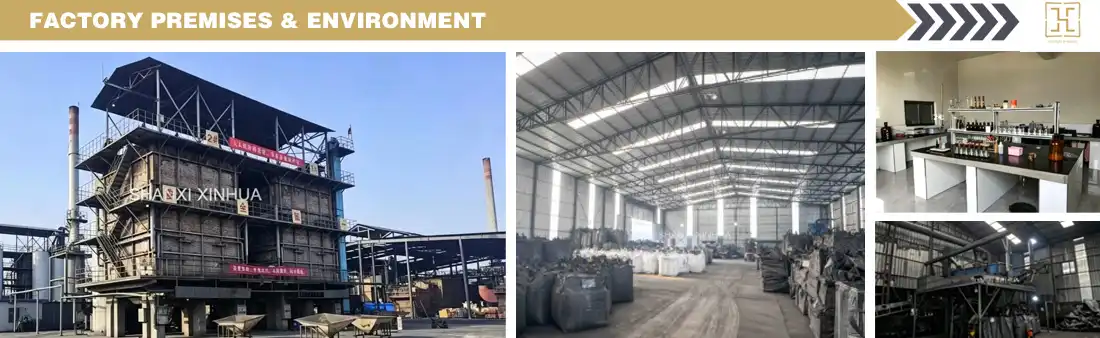
Think about having source facilities audited on a regular basis, especially for big contracts. Seeing how things are made in real life gives you information that written descriptions can't fully show. For example, the state of the tools, the level of sophistication of the process control, the rigor of the lab tests, and the way that inventory is managed all affect the long-term reliability of the supply.
Conclusion
In conclusion, when choosing 2mm coal quality cylindrical carbon, a quality coal-based cylindrical carbon in the 2mm standard, you have to weigh the technical performance against the practicalities of procurement. This particle size works best for municipal water purification, pre-treatment of industrial VOCs, and medium-sized filtration systems where both equipment compatibility and operating efficiency are critical. The material’s engineered uniformity, mechanical durability, and proven adsorption performance help address key challenges faced by environmental engineering managers, such as regulatory compliance, service life extension, and ensuring stable system operation as designed. By selecting suppliers based on manufacturing capability, technical support, and logistics reliability, your organization can better control environmental treatment costs and maintain smooth operational continuity. The 30% longer replacement cycle and compatibility with existing equipment directly contribute to lower total cost of ownership over multiple years.
FAQ
How does 2mm carbon differ from standard 4mm sizes?
What's the difference between 2mm carbon and 4mm sizes? The smaller diameter gives the particle more surface area compared to its volume, which speeds up the rate of mass transfer for faster adsorption dynamics. This helps uses that need to treat modest levels of contamination, where 4mm carbon might not have enough capacity at breakthrough. The 2mm size works well in medium-depth beds (1-3 meters) without causing too much pressure drop. This makes it perfect for modular systems and home appliances where 4mm material wouldn't work well enough, and 1.5mm would cause too much headloss.
What methods verify carbon purity and quality?
What ways are there to check the quality and clarity of carbon? Reliable providers give out certificates for each batch that show the CTC levels, hardness, ash content, and moisture levels based on standard ASTM tests. For big purchases, ask a third-party lab to check them out. A visual review should show a uniform black color with no spots, particles of the same size, and little to no dust. You can quickly check the quality of something by measuring its bulk density. Values outside the 450–530 g/L range are a sign of trouble. While having an ISO 9001 license is a sign of organized quality management, the most important thing is that the audit was recently completed.
What are typical lead times for bulk orders?
How long do most large sales take to get? Standard 2mm coal carbon with 50–70% CTC values ships within 7–15 days from well-known makers who keep stock. Customized specs that need different activation factors may need 15 to 30 days to plan production and check quality. Through priority handling channels, projects that need to be completed quickly for safety reasons can get faster processing and delivery within 72 hours, but this usually comes at a higher cost. International shipping can take an extra two to four weeks, based on where it's going and how quickly it can be cleared through customs.
Partner with a Trusted 2mm Coal Quality Cylindrical Carbon Manufacturer
Choose a reliable 2mm coal quality cylindrical carbon manufacturer to work with. Shanxi Xinhua Carbon Technology Industry Co., Ltd. has been making activated carbon for more than 60 years and has four area factories that can make 45,000 tons of carbon every year. The 2mm coal quality cylindrical carbon we sell helps environmental engineering firms, local water authorities, and industrial plants follow the rules while also cutting costs by lasting longer and absorbing more. We keep a large stock on hand so that we can get it to you quickly. We also offer expert advice on system design and carbon selection, and we can make special formulations when your application needs specific pore structures or surface changes. Whether you need a quick supply to meet a goal or a long-term strategic relationship, our team can provide you with reliable materials that meet ISO certifications and defense-grade manufacturing standards. You can talk to our sourcing specialists at greta@carbonxinhua.com about your project needs, ask for performance data specific to a batch, or set up sample testing that shows how precision-engineered carbon materials improve the results of your treatment system.
References
1. American Society for Testing and Materials. (2020). Standard Test Methods for Activated Carbon. ASTM International Standards D3467, D2854, and D3802.
2. Bansal, R. C., & Goyal, M. (2019). Activated Carbon Adsorption for Water and Wastewater Treatment. CRC Press.
3. Cheremisinoff, N. P., & Rosenfeld, P. E. (2021). Handbook of Pollution Prevention and Cleaner Production: Best Practices in the Activated Carbon Industry. William Andrew Publishing.
4. Environmental Protection Agency. (2021). Technical Guidance for Activated Carbon Treatment of Drinking Water Contaminants. EPA Document 815-R-21-003.
5. Marsh, H., & Rodríguez-Reinoso, F. (2020). Activated Carbon: Properties and Applications in Environmental Engineering. Elsevier Science.
6. Water Quality Association. (2022). Adsorption Media Performance Standards for Municipal and Industrial Applications. WQA Technical Publication S-801.

Send Inquiry
You may like
_1781662034490.webp)